Heard Charles M
School of Pharmacy and Pharmaceutical Sciences, Cardiff University, Cardiff CF10 3 NB Wales, United Kingdom.
J Biol Methods. 2020 Oct 26;7(4):e138. doi: 10.14440/jbm.2020.319. eCollection 2020.
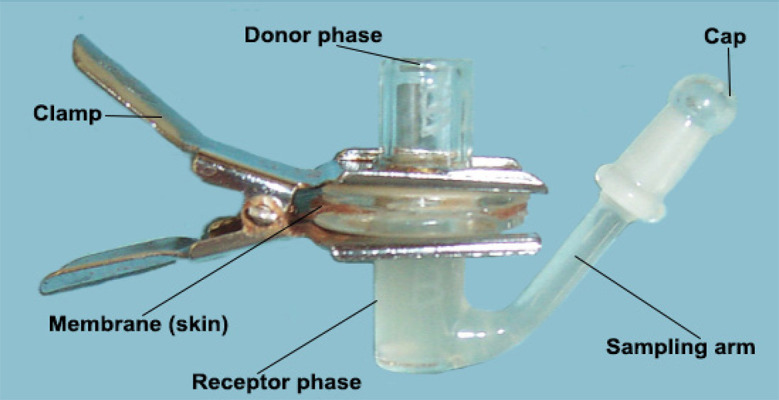
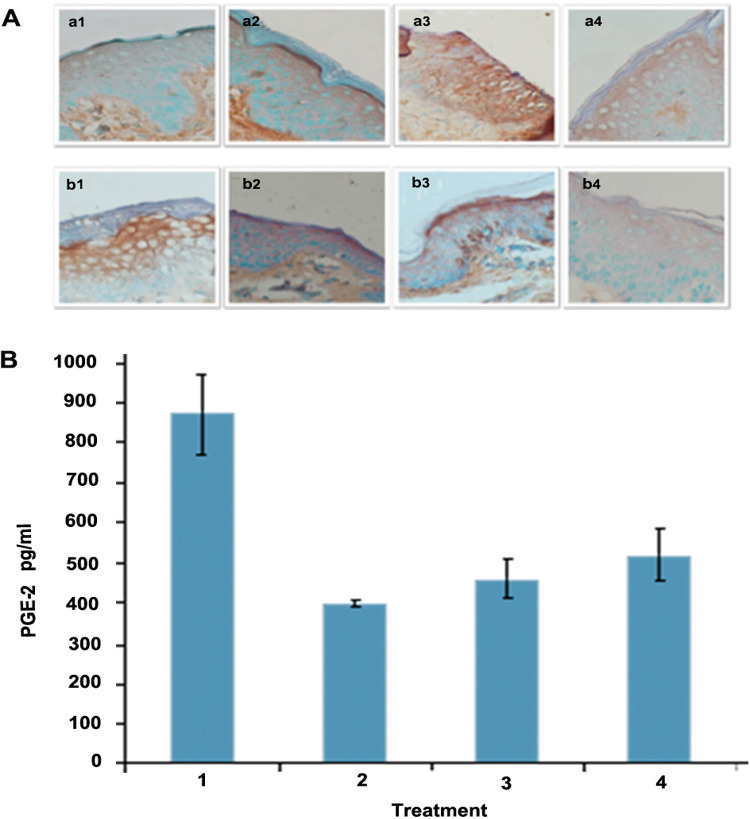
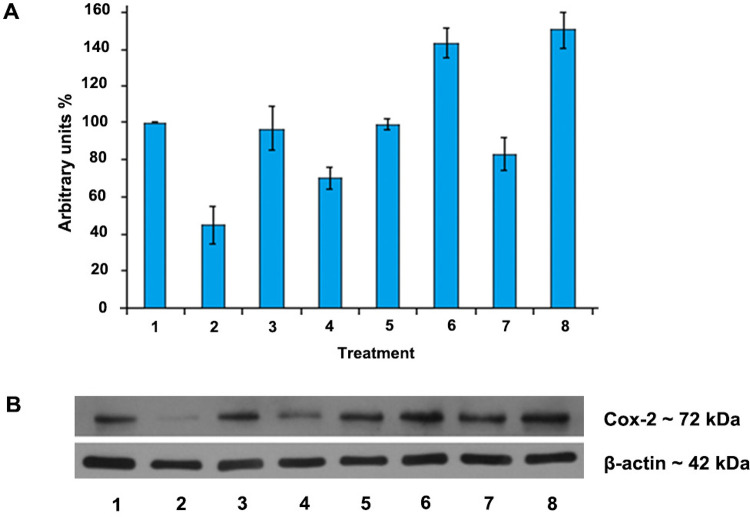
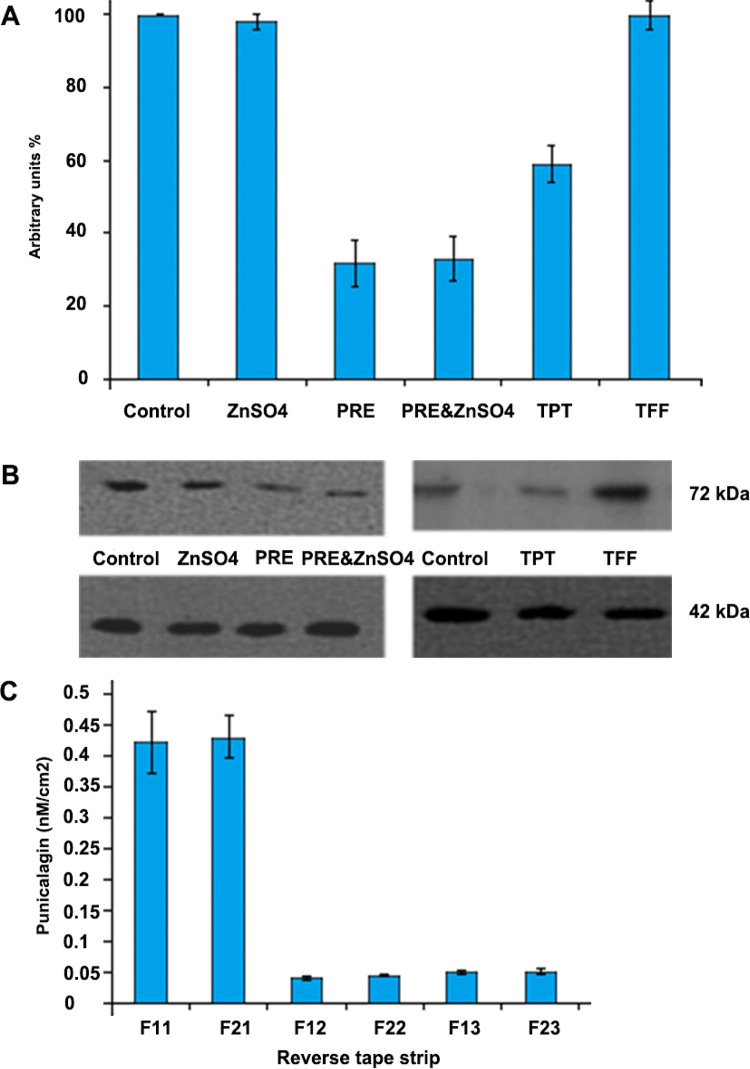
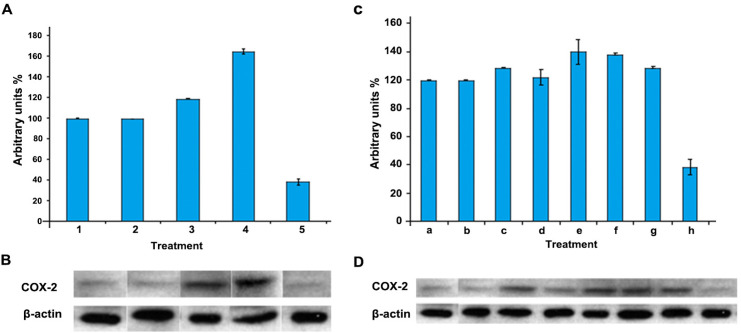
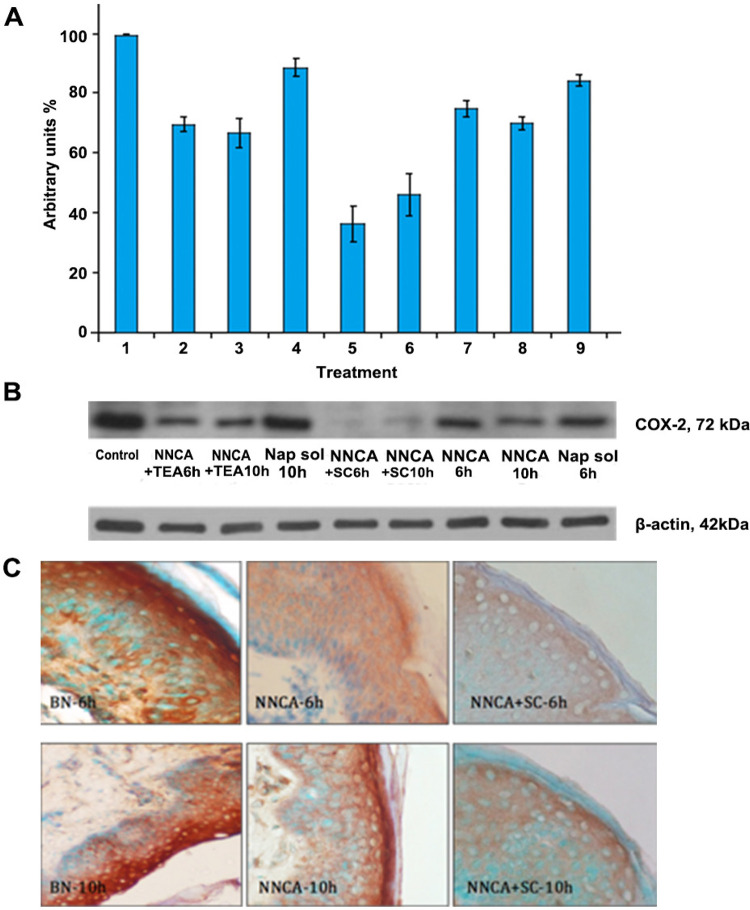
There is a need for inexpensive and reliable means to determine the modulation of cutaneous inflammation. The method outlined in this article draws together a number of scientific techniques and makes use of generally unwanted biological tissues as a means of determining skin inflammation , and focuses on probing aspects of the arachidonic acid inflammation pathway. Freshly excised skin contains elevated levels of short-lived inducible cyclooxygenase-2 (COX-2) and, under viable conditions, COX-2 and its eicosanoid products will continue to be produced until tissue necrosis, providing a window of time in which relative levels can be probed to determine exacerbation due to an upregulating factor or downregulation due the presence of an agent exerting anti-inflammatory activity. porcine skin, mounted in Franz diffusion cells, is dosed topically with the xenobiotic challenge and then techniques such as Western blotting and immunohistochemistry can then be used to probe relative COX-2 levels on a semi-quantitative or qualitative level. Enzyme-linked immunosorbent assay or LCMS can be used to determine relative prostaglandin E-2 (PGE-2) levels. Thus far, the technique has been used to examine the effects of topically applied anti-inflammatories (betamethasone, ibuprofen, ketoprofen and methotrexate), natural products (fish oil, Devil's claw extract and pomegranate rind extract) and drug delivery vehicle (polyNIPAM nanogels). Topically applied xenobiotics that modulate factors such as COX-2 and PGE-2 must penetrate the intact skin, and this provides direct evidence of overcoming the "barrier function" of the stratum corneum in order to target the viable epidermis in sufficient levels to be able to elicit such effects. This system has particular potential as a pre-clinical screening tool for those working on the development of topical delivery systems, and has the additional advantage of being in line with 3 Rs philosophy.
需要有廉价且可靠的方法来确定皮肤炎症的调节情况。本文概述的方法整合了多种科学技术,并利用通常无用的生物组织来确定皮肤炎症,重点是探究花生四烯酸炎症途径的各个方面。刚切除的皮肤中诱导型环氧化酶-2(COX-2)的水平会升高,并且在存活条件下,COX-2及其类花生酸产物会持续产生直至组织坏死,这提供了一个时间窗口,在此期间可以探究相对水平,以确定由于上调因子导致的炎症加剧或由于具有抗炎活性的药物存在而导致的下调情况。将猪皮安装在弗兰兹扩散池中,局部给予异源生物刺激物,然后可以使用蛋白质印迹和免疫组织化学等技术在半定量或定性水平上探究相对COX-2水平。酶联免疫吸附测定或液相色谱-质谱联用可用于确定前列腺素E-2(PGE-2)的相对水平。到目前为止,该技术已用于研究局部应用的抗炎药(倍他米松、布洛芬、酮洛芬和甲氨蝶呤)、天然产物(鱼油、魔鬼爪提取物和石榴皮提取物)以及药物递送载体(聚N-异丙基丙烯酰胺纳米凝胶)的效果。局部应用的调节COX-2和PGE-2等因子的异源生物必须穿透完整皮肤,这提供了直接证据,证明克服了角质层的“屏障功能”,从而能够以足够的水平靶向活表皮以引发此类效果。该系统作为局部递送系统开发人员的临床前筛选工具具有特殊潜力,并且还具有符合3R原则的额外优势。