Institute of Sports and Sports Science, Karlsruhe Institute of Technology, Karlsruhe, Baden-Wuerttemberg, Germany.
Department of Psychiatry and Psychotherapy, Central Institute of Mental Health, Medical Faculty, Mannheim, Heidelberg University, Mannheim, Baden-Wuerttemberg, Germany.
PLoS One. 2020 Nov 18;15(11):e0242069. doi: 10.1371/journal.pone.0242069. eCollection 2020.
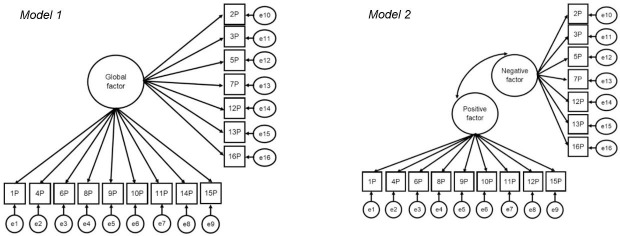
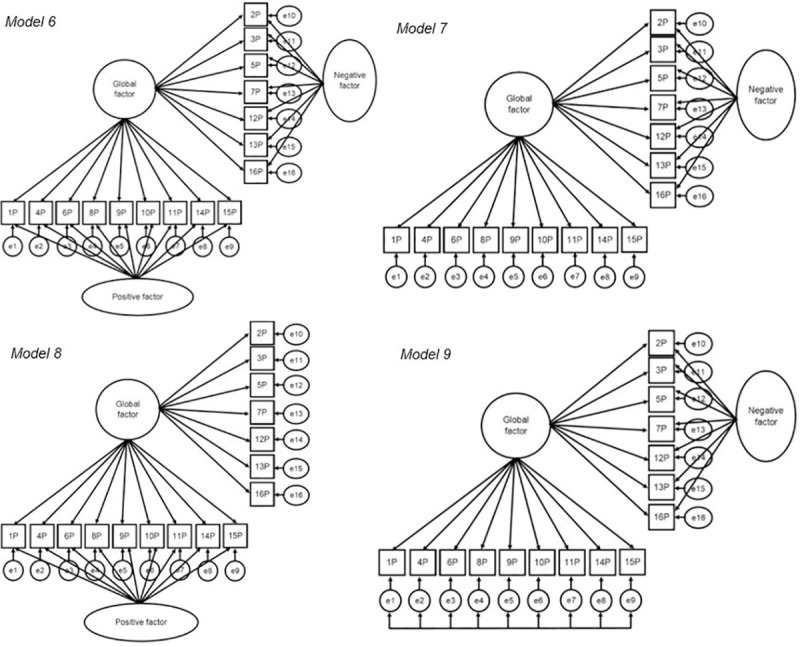
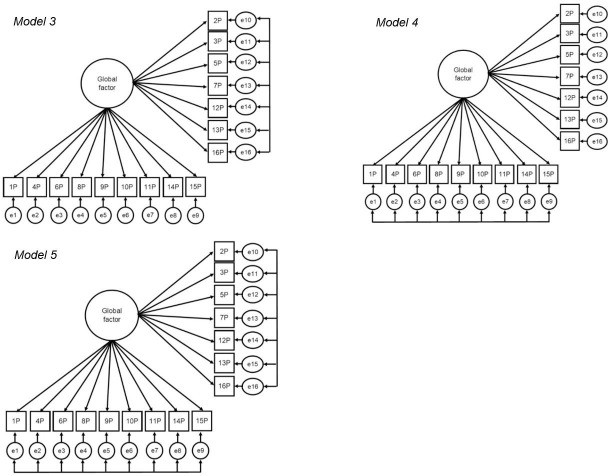
The physical activity enjoyment scale (PACES) is a measurement instrument that is commonly used in monitoring and intervention research to assess how much people enjoy being physically active, as this has been related to physical activity adherence. However, while the measurement properties of PACES are well-researched in the English language, there is a gap of research in the German language, especially when looking at adults. Thus, the purpose of this work was to examine reliability, factorial validity, criterion-related validity, and measurement invariance across sex, age groups and time of the PACES for German-speaking adults. Data was obtained from the Motorik-Modul-Study (MoMo) in which 863 adults (53.5% female; mean age = 20.9 years) were examined. To investigate measurement invariance across age groups, data from 2,274 adolescents (50.5% female; mean age = 14.4 years) was obtained additionally. The study provided a nationwide representative sample for Germany. Results showed high internal consistency of PACES in adults (Cronbach's α = .94). Confirmatory factor analyses confirmed the invariance of the measure across age groups, time, and sex. Criterion-related validity could be shown as the global factor significantly correlated with overall physical activity, physical activity in sports clubs, and leisure-time physical activity. The analyses of factorial structure indicated a method effect for positively and negatively worded items. Correlated uniqueness, latent method factor and a hybrid model were applied to analyze the method effect and results indicated that the method effect of positively worded items was predictive of physical activity independently of the global factor. Overall, it can be concluded that PACES is reliable, valid and invariant measure of physical activity enjoyment to be used in German-speaking adults. Further studies are warranted to examine the factorial structure of the PACES and the consequences of the method effect.
身体活动愉悦量表(PACES)是一种常用的测量工具,用于监测和干预研究,以评估人们在进行身体活动时的愉悦程度,因为这与身体活动的坚持度有关。然而,尽管 PACES 在英语中的测量特性已经得到了充分的研究,但在德语中,特别是在针对成年人的研究中,仍存在研究空白。因此,这项工作的目的是检验 PACES 在德语成年人中的信度、因子有效性、效标关联效度和跨性别、年龄组和时间的测量不变性。数据来自运动学模块研究(MoMo),其中 863 名成年人(53.5%为女性;平均年龄为 20.9 岁)接受了检查。为了研究跨年龄组的测量不变性,还额外获得了来自 2274 名青少年(50.5%为女性;平均年龄为 14.4 岁)的数据。该研究为德国提供了一个全国代表性样本。结果表明,PACES 在成年人中的内部一致性很高(Cronbach's α =.94)。验证性因子分析证实了该测量在年龄组、时间和性别上的不变性。效标关联效度可以通过全球因子与总体身体活动、体育俱乐部的身体活动和休闲时间身体活动的显著相关性来证明。因子结构分析表明,正向和负向措辞项目存在方法效应。相关独特性、潜在方法因子和混合模型被用于分析方法效应,结果表明,正向措辞项目的方法效应独立于全球因子预测身体活动。总的来说,可以得出结论,PACES 是一种可靠、有效的德语成年人身体活动愉悦度测量工具,具有不变性。需要进一步的研究来检验 PACES 的因子结构和方法效应的后果。