Mehdi Muntazir, Dode Albi, Pryss Rüdiger, Schlee Winfried, Reichert Manfred, Hauck Franz J
Institute of Distributed Systems, Ulm University, 89081 Ulm, Germany.
Institute of Databases and Information Systems, Ulm University, 89081 Ulm, Germany.
Brain Sci. 2020 Nov 17;10(11):867. doi: 10.3390/brainsci10110867.
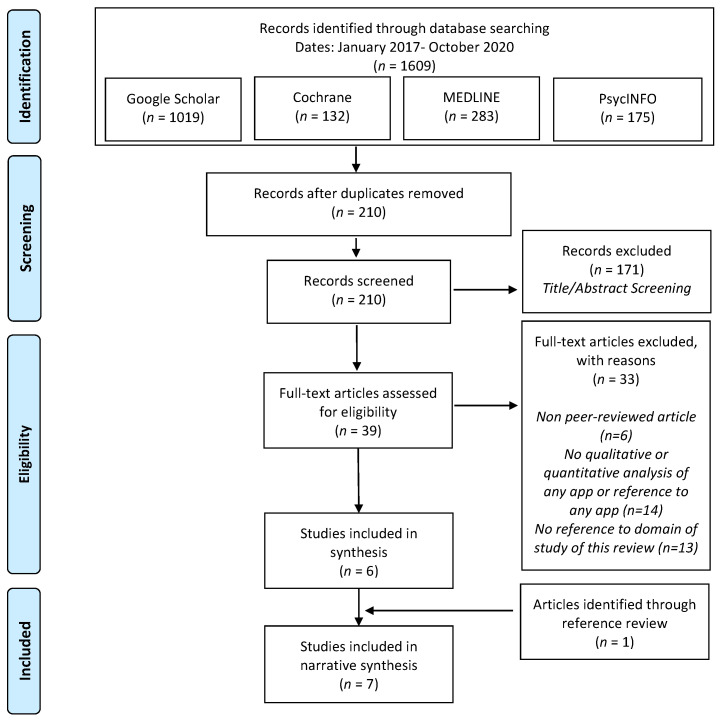
Tinnitus is a complex and heterogeneous psycho-physiological disorder responsible for causing a phantom ringing or buzzing sound albeit the absence of an external sound source. It has a direct influence on affecting the quality of life of its sufferers. Despite being around for a while, there has not been a cure for tinnitus, and the usual course of action for its treatment involves use of tinnitus retaining and sound therapy, or Cognitive Behavioral Therapy (CBT). One positive aspect about these therapies is that they can be administered face-to-face as well as delivered via internet or smartphone. Smartphones are especially helpful as they are highly personalized devices, and offer a well-established ecosystem of apps, accessible via respective marketplaces of differing mobile platforms. Note that current therapeutic treatments such as CBT have shown to be effective in suppressing the tinnitus symptoms when administered face-to-face, their effectiveness when being delivered using smartphones is not known so far. A quick search on the prominent market places of popular mobile platforms (Android and iOS) yielded roughly 250 smartphone apps offering tinnitus-related therapies and tinnitus management. As this number is expected to steadily increase due to high interest in smartphone app development, a contemporary review of such apps is crucial. In this paper, we aim to review scientific studies validating the smartphone apps, particularly to test their effectiveness in tinnitus management and treatment. We use the PRISMA guidelines for identification of studies on major scientific literature sources and delineate the outcomes of identified studies.
耳鸣是一种复杂的异质性心理生理障碍,即使在没有外部声源的情况下,也会导致幻听,出现耳鸣或嗡嗡声。它对患者的生活质量有直接影响。尽管耳鸣已经存在了一段时间,但一直没有治愈方法,其通常的治疗方法包括使用耳鸣掩蔽和声音疗法,或认知行为疗法(CBT)。这些疗法的一个积极方面是,它们既可以面对面实施,也可以通过互联网或智能手机进行。智能手机特别有用,因为它们是高度个性化的设备,并提供了一个成熟的应用程序生态系统,可通过不同移动平台的各自市场访问。需要注意的是,目前的治疗方法,如CBT,在面对面实施时已被证明对抑制耳鸣症状有效,但到目前为止,使用智能手机实施时的效果尚不清楚。在流行移动平台(安卓和iOS)的主要市场上进行快速搜索,发现大约有250个智能手机应用程序提供与耳鸣相关的疗法和耳鸣管理。由于对智能手机应用程序开发的高度关注,预计这个数字将稳步增加,因此对这类应用程序进行当代综述至关重要。在本文中,我们旨在综述验证智能手机应用程序的科学研究,特别是测试它们在耳鸣管理和治疗方面的有效性。我们使用PRISMA指南来识别主要科学文献来源上的研究,并描述已识别研究的结果。