Chen Jinshi
Center for Linguistics and Applied Linguistics, Guangdong University of Foreign Studies, No. 2 North Baiyun Avenue, Guangzhou City, Guangdong Province People's Republic of China.
Int J Semiot Law. 2021;34(4):1065-1092. doi: 10.1007/s11196-020-09765-y. Epub 2020 Aug 25.
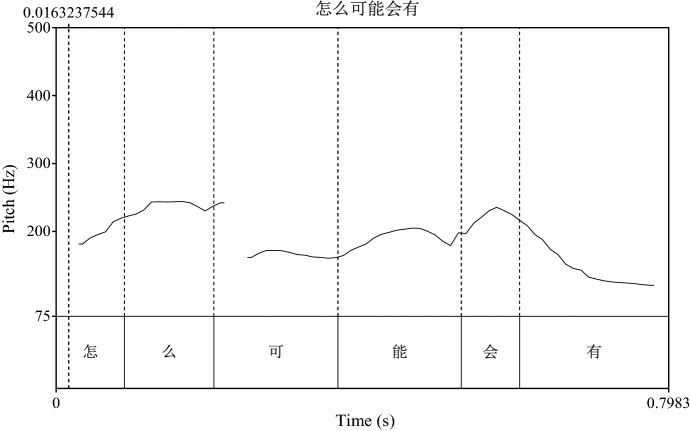
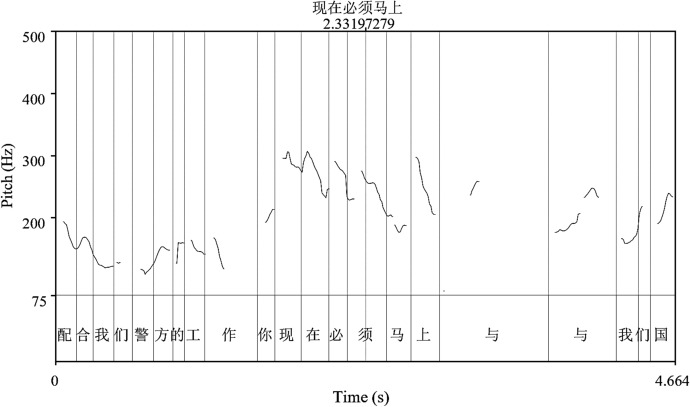
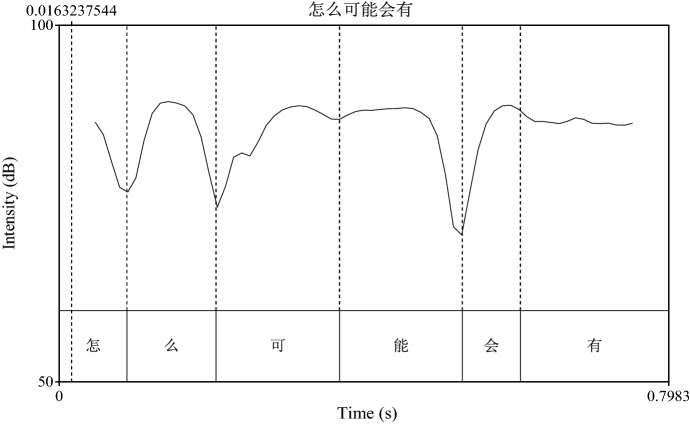
Currently cellphone fraudsters often use language to threaten and bully victims. From discursive psychological perspective, the present study applies conversation analysis to discuss fraudsters' threatening language in Chinese cellphone fraud conversations. The authentic data are collected from Chinese media which report legal news or conduct public legal education on the battle against cellphone frauds. Results of the study show that: (1) cellphone fraudsters construct their false identities through information gap and information sharing in their turn-taking designs, which brings victims into the threatening fraud interactions; (2) fraudsters use such conversational skills in a threatening tone as repetition, interruption, higher pitch, louder speech and so on to trigger victims' psychological panic; (3) fraudsters' discursive practices are situated for the threatening actions based on prepared and designed scripts. The findings of the study are expected to provide references for preventing cellphone fraud and fighting against fraudsters' threats and bullies.
目前,手机诈骗分子经常使用语言威胁和恐吓受害者。从话语心理学的角度来看,本研究运用会话分析来探讨中国手机诈骗对话中诈骗分子的威胁性语言。真实数据收集自报道法律新闻或开展打击手机诈骗公共法制教育的中国媒体。研究结果表明:(1)手机诈骗分子通过轮流发言设计中的信息差和信息共享来构建其虚假身份,从而将受害者带入威胁性的诈骗互动中;(2)诈骗分子以威胁的语气使用重复、打断、高音调、大声说话等会话技巧来引发受害者的心理恐慌;(3)诈骗分子的话语实践是基于预先准备和设计的脚本来为威胁行为服务的。本研究结果有望为预防手机诈骗以及打击诈骗分子的威胁和恐吓提供参考。