Department of Neurology, Washington University School of Medicine, St. Louis, Missouri, USA.
Division of Biostatistics, Washington University School of Medicine, St. Louis, Missouri, USA.
Alzheimers Dement. 2021 Mar;17(3):534-542. doi: 10.1002/alz.12210. Epub 2020 Nov 20.
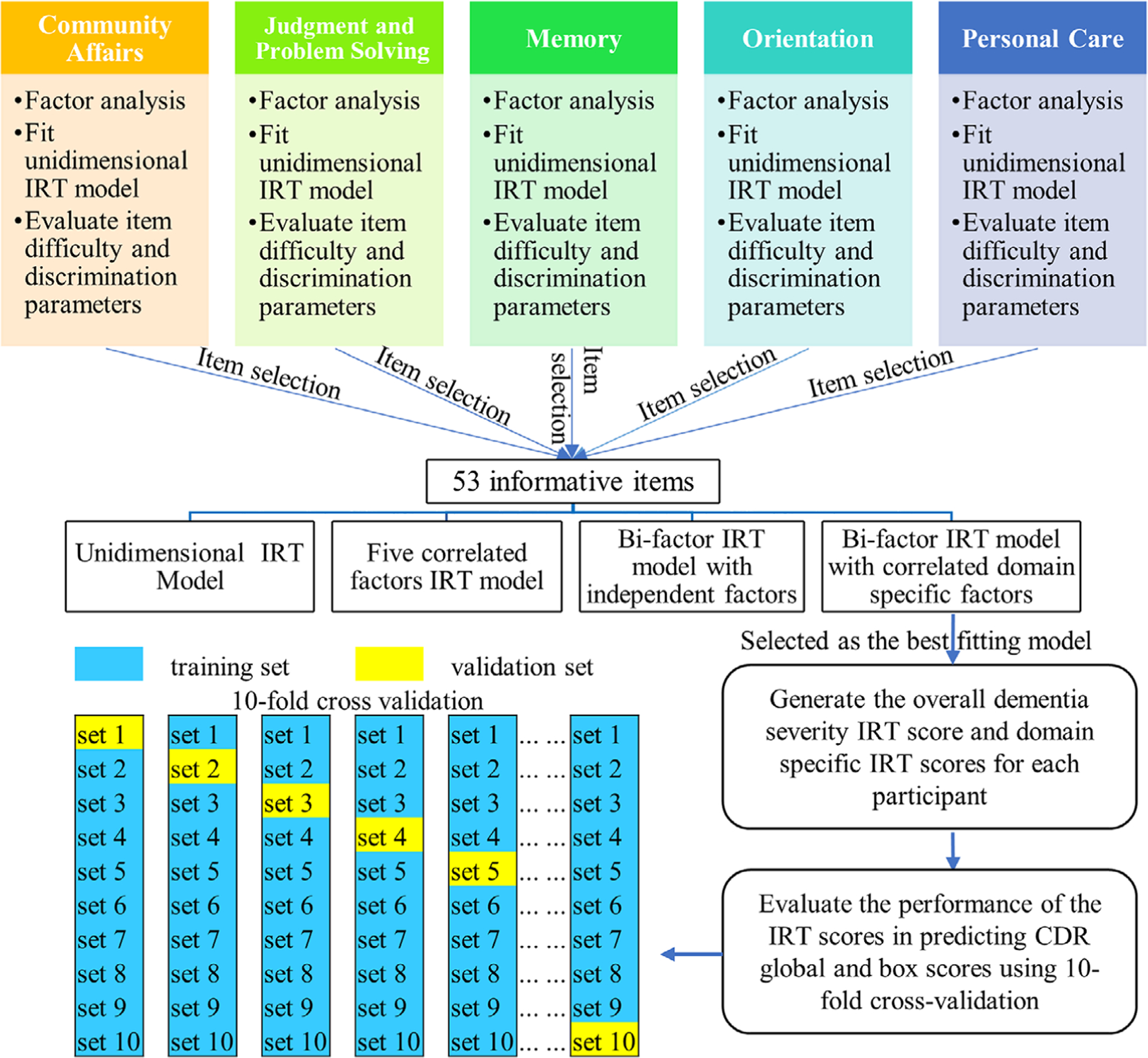
The Clinical Dementia Rating (CDR) is widely used in Alzheimer's disease research studies and has well established reliability and validity. To facilitate the development of an online, electronic CDR (eCDR) for more efficient clinical applications, this study aims to produce a shortened version of the CDR, and to develop the statistical model for automatic scoring.
Item response theory (IRT) was used for item evaluation and model development. An automatic scoring algorithm was validated using existing CDR global and domain box scores as the reference standard.
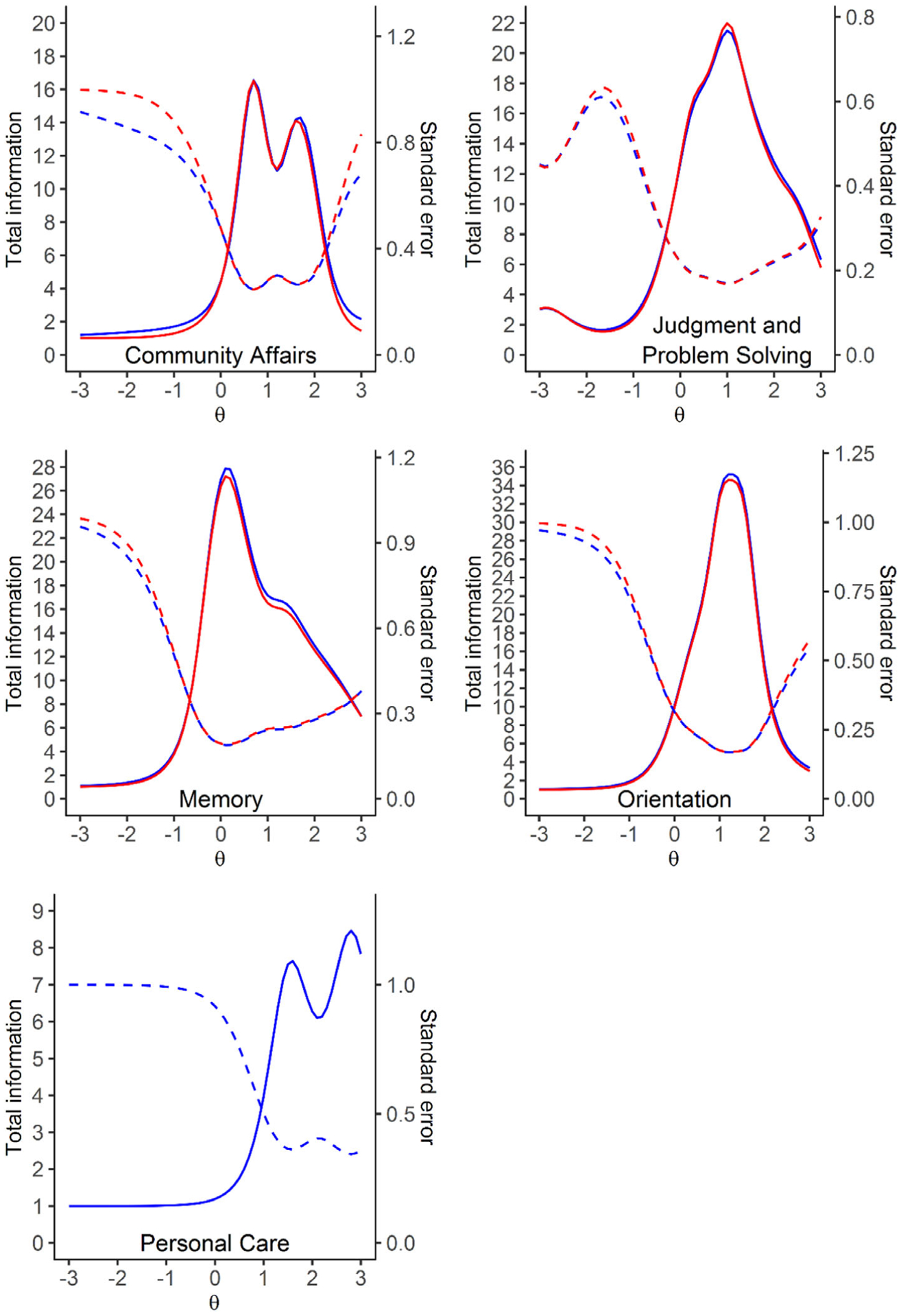
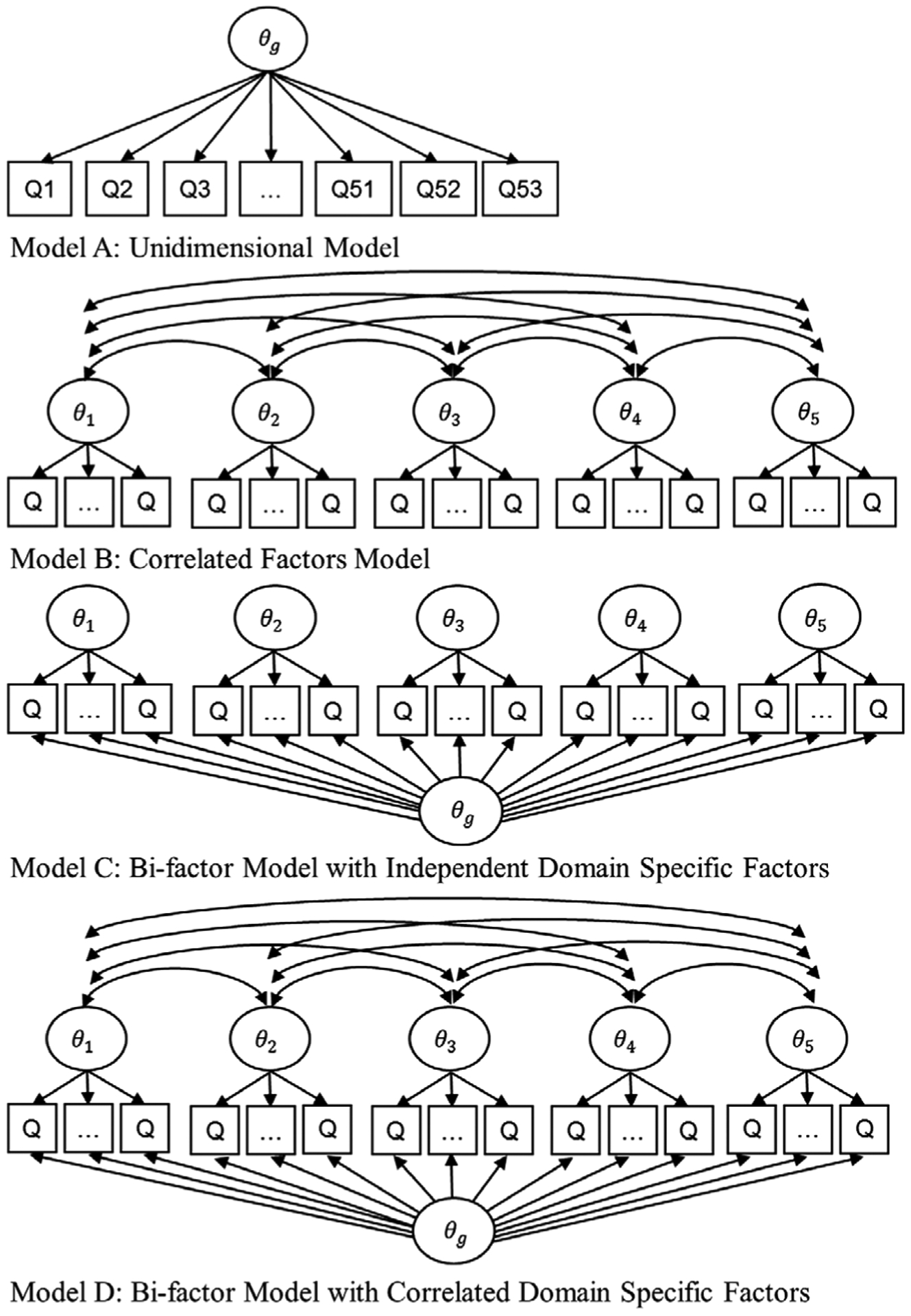
Most CDR items discriminate well at mild and very mild levels of cognitive impairment. The bi-factor IRT model fits best and the shortened CDR still demonstrates very high classification accuracy (81%∼92%).
The shortened version of the CDR and the automatic scoring algorithm has established a good foundation for developing an eCDR and will ultimately improve the efficiency of cognitive assessment.
临床痴呆评定量表(CDR)在阿尔茨海默病研究中被广泛应用,其具有可靠的信度和效度。为了促进在线电子 CDR(eCDR)的发展,以实现更高效的临床应用,本研究旨在制定 CDR 的简化版本,并开发自动评分的统计模型。
本研究采用项目反应理论(IRT)进行项目评估和模型开发。利用现有的 CDR 全球和领域评分箱作为参考标准,对自动评分算法进行验证。
在轻度和极轻度认知障碍水平上,大多数 CDR 项目的区分度良好。双因素 IRT 模型拟合度最佳,简化的 CDR 仍具有非常高的分类准确性(81%∼92%)。
CDR 的简化版本和自动评分算法为开发 eCDR 奠定了良好的基础,最终将提高认知评估的效率。