Department of Physiology & Pharmacology, Cumming School of Medicine, University of Calgary, Calgary, AB T2N 4Z6, Canada.
Viruses. 2020 Nov 19;12(11):1328. doi: 10.3390/v12111328.
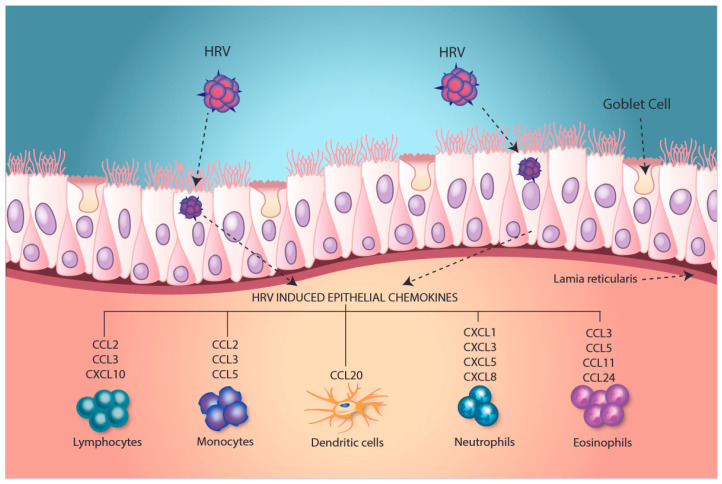
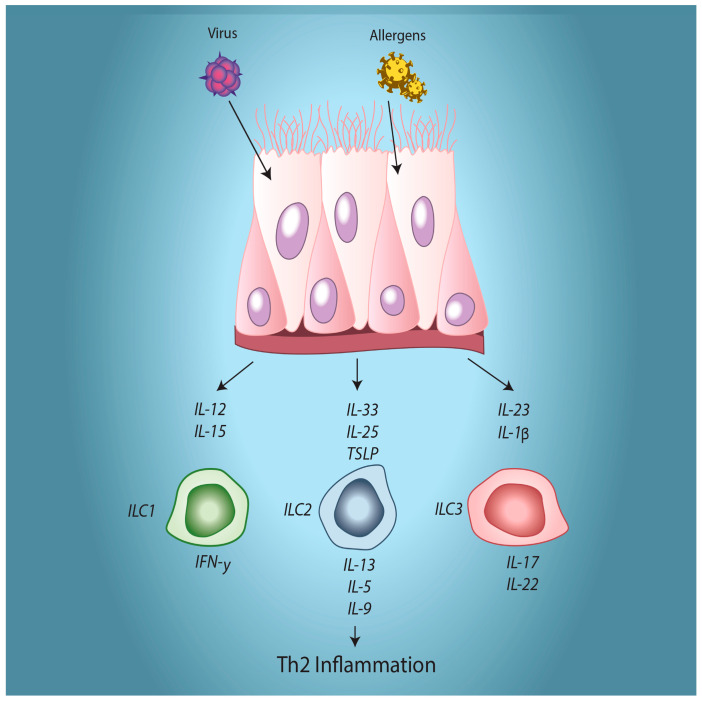
Human rhinoviruses have been linked both to the susceptibility of asthma development and to the triggering of acute exacerbations. Given that the human airway epithelial cell is the primary site of human rhinovirus (HRV) infection and replication, the current review focuses on how HRV-induced modulation of several aspects of epithelial cell phenotype could contribute to the development of asthma or to the induction of exacerbations. Modification of epithelial proinflammatory and antiviral responses are considered, as are alterations in an epithelial barrier function and cell phenotype. The contributions of the epithelium to airway remodeling and to the potential modulation of immune responses are also considered. The potential interactions of each type of HRV-induced epithelial phenotypic changes with allergic sensitization and allergic phenotype are also considered in the context of asthma development and of acute exacerbations.
人类鼻病毒与哮喘发病易感性以及急性加重的触发都有关联。由于人类气道上皮细胞是人类鼻病毒(HRV)感染和复制的主要部位,因此本综述重点关注 HRV 诱导的上皮细胞表型的几个方面的调节如何导致哮喘的发展或加重的发生。我们考虑了上皮细胞促炎和抗病毒反应的改变,以及上皮细胞屏障功能和细胞表型的改变。上皮细胞对气道重塑以及对免疫反应潜在调节的贡献也被考虑在内。在哮喘发展和急性加重的背景下,我们还考虑了每种 HRV 诱导的上皮细胞表型变化与过敏致敏和过敏表型的潜在相互作用。