Department of Pharmacology and Physiology, Georgetown University Medical Center, Washington, DC 20007, USA.
Department of Pathological Anatomy N2, Bogomolets National Medical University, Kiev, 01601, Ukraine.
Vascul Pharmacol. 2021 Apr;137:106823. doi: 10.1016/j.vph.2020.106823. Epub 2020 Nov 21.
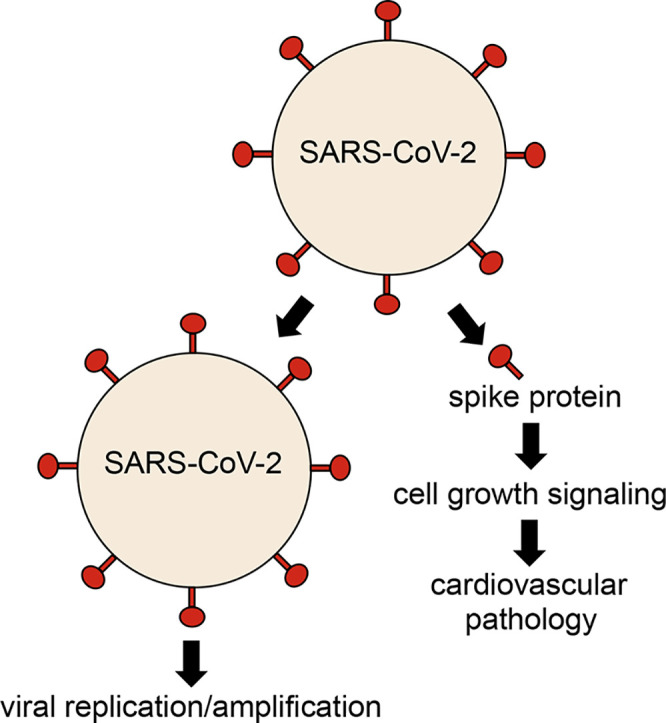
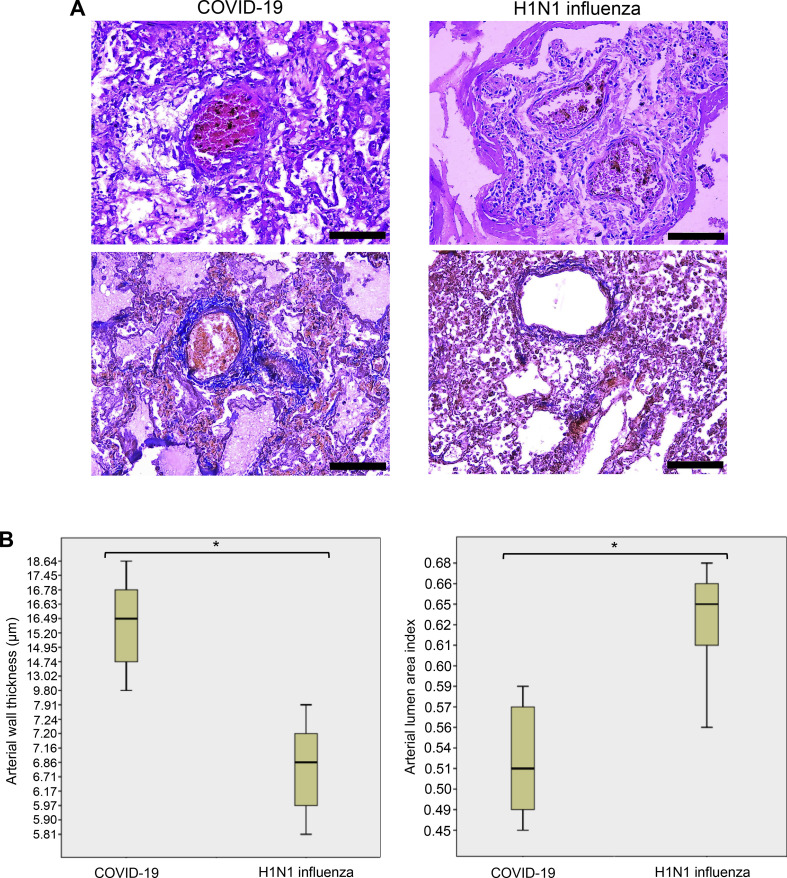
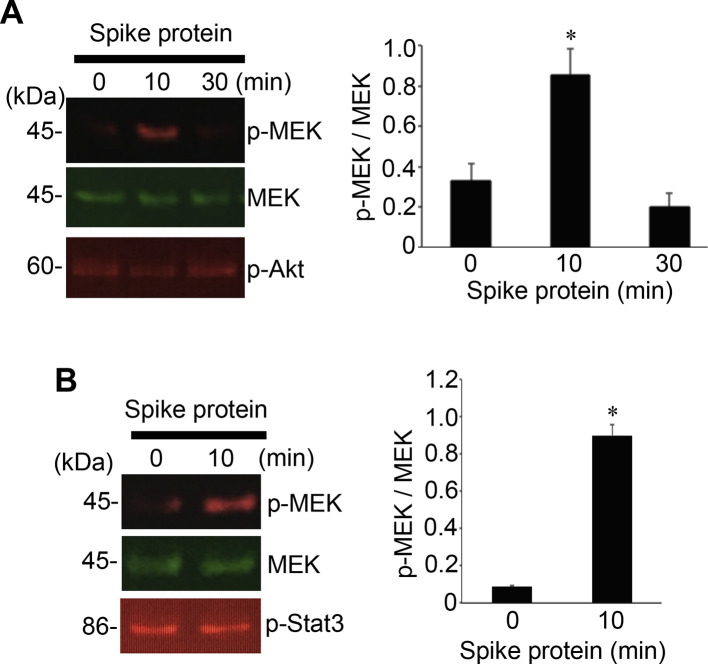
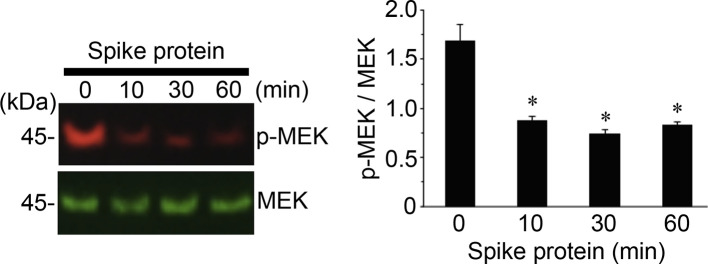
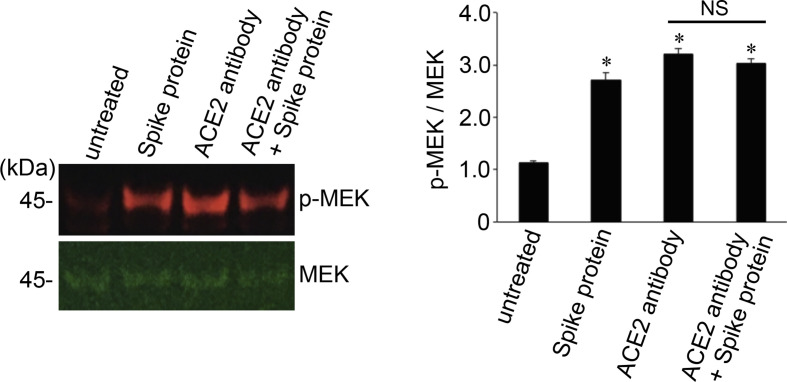
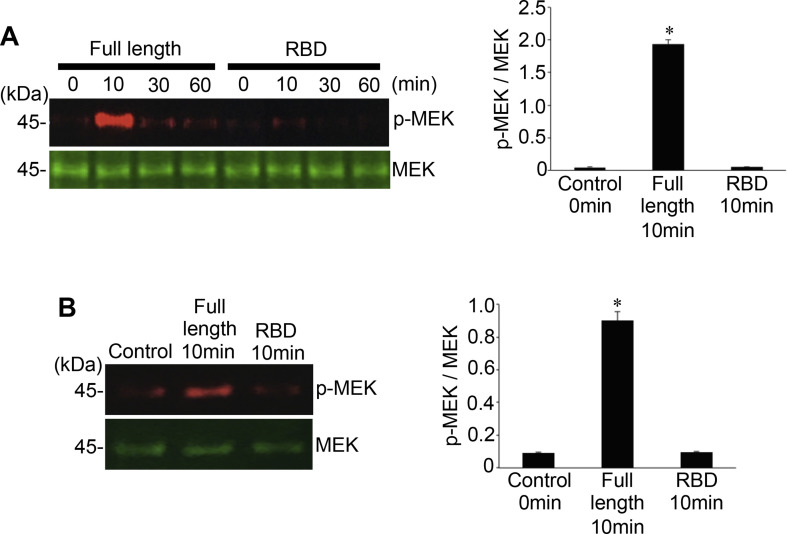
Currently, the world is suffering from the pandemic of coronavirus disease 2019 (COVID-19), caused by severe acute respiratory syndrome coronavirus 2 (SARS-CoV-2) that uses angiotensin-converting enzyme 2 (ACE2) as a receptor to enter the host cells. So far, 60 million people have been infected with SARS-CoV-2, and 1.4 million people have died because of COVID-19 worldwide, causing serious health, economical, and sociological problems. However, the mechanism of the effect of SARS-CoV-2 on human host cells has not been defined. The present study reports that the SARS-CoV-2 spike protein alone without the rest of the viral components is sufficient to elicit cell signaling in lung vascular cells. The treatment of human pulmonary artery smooth muscle cells or human pulmonary artery endothelial cells with recombinant SARS-CoV-2 spike protein S1 subunit (Val16 - Gln690) at 10 ng/ml (0.13 nM) caused an activation of MEK phosphorylation. The activation kinetics was transient with a peak at 10 min. The recombinant protein that contains only the ACE2 receptor-binding domain of the SARS-CoV-2 spike protein S1 subunit (Arg319 - Phe541), on the other hand, did not cause this activation. Consistent with the activation of cell growth signaling in lung vascular cells by the SARS-CoV-2 spike protein, pulmonary vascular walls were found to be thickened in COVID-19 patients. Thus, SARS-CoV-2 spike protein-mediated cell growth signaling may participate in adverse cardiovascular/pulmonary outcomes, and this mechanism may provide new therapeutic targets to combat COVID-19.
目前,世界正遭受由严重急性呼吸综合征冠状病毒 2(SARS-CoV-2)引起的 2019 年冠状病毒病(COVID-19)大流行,该病毒利用血管紧张素转换酶 2(ACE2)作为受体进入宿主细胞。迄今为止,全球已有 6000 万人感染了 SARS-CoV-2,有 140 万人因 COVID-19 而死亡,造成了严重的健康、经济和社会学问题。然而,SARS-CoV-2 对人类宿主细胞影响的机制尚未明确。本研究报告称,SARS-CoV-2 刺突蛋白本身,而无需其他病毒成分,足以引起肺血管细胞的细胞信号转导。用重组 SARS-CoV-2 刺突蛋白 S1 亚单位(Val16-Gln690)以 10ng/ml(0.13nM)处理人肺动脉平滑肌细胞或人肺动脉内皮细胞,可引起 MEK 磷酸化的激活。该激活的动力学是短暂的,峰值出现在 10 分钟。另一方面,仅包含 SARS-CoV-2 刺突蛋白 S1 亚单位 ACE2 受体结合域的重组蛋白(Arg319-Phe541)并未引起这种激活。与 SARS-CoV-2 刺突蛋白在肺血管细胞中引起的细胞生长信号转导一致,在 COVID-19 患者中发现肺血管壁增厚。因此,SARS-CoV-2 刺突蛋白介导的细胞生长信号可能参与不良的心血管/肺部结局,这种机制可能为抗击 COVID-19 提供新的治疗靶点。