CBET Research Group, Department of Zoology and Animal Cell Biology, Faculty of Science and Technology and Research Centre for Experimental Marine Biology and Biotechnology PiE, University of the Basque Country UPV/EHU, Plentzia, Basque Country, Spain.
National Heart and Lung Institute, Imperial College London, London, SW7 2AZ, UK.
Sci Rep. 2020 Nov 24;10(1):20486. doi: 10.1038/s41598-020-77191-y.
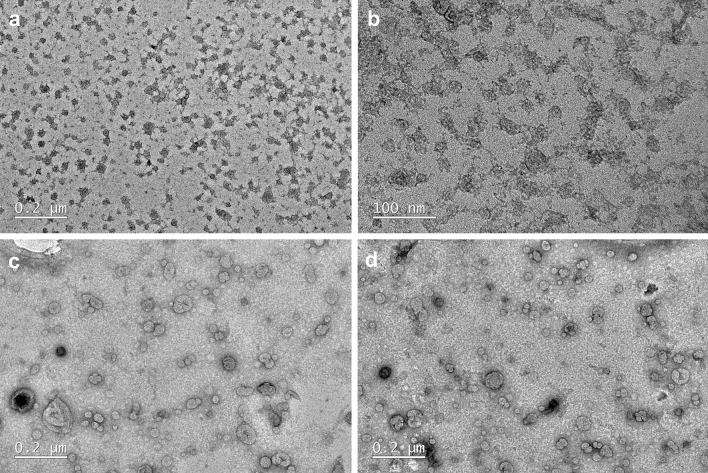
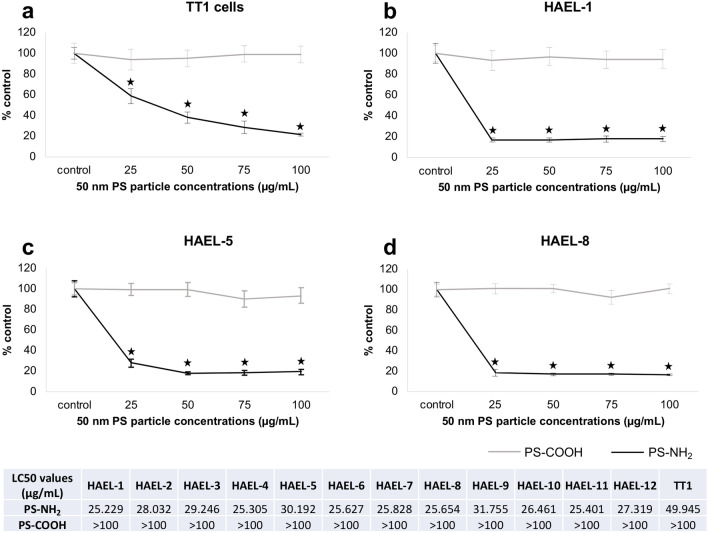
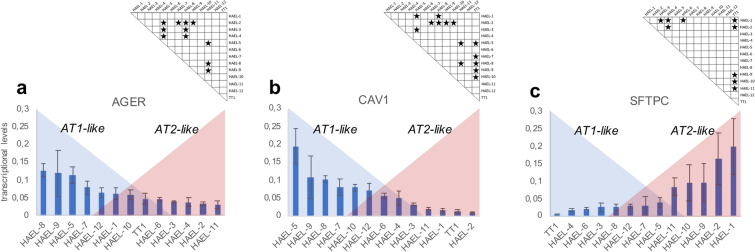
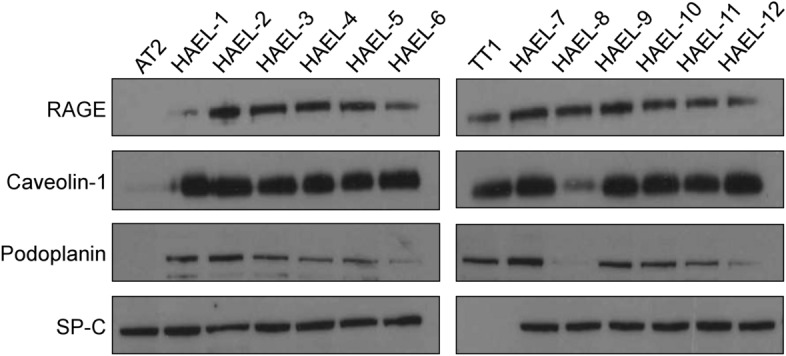
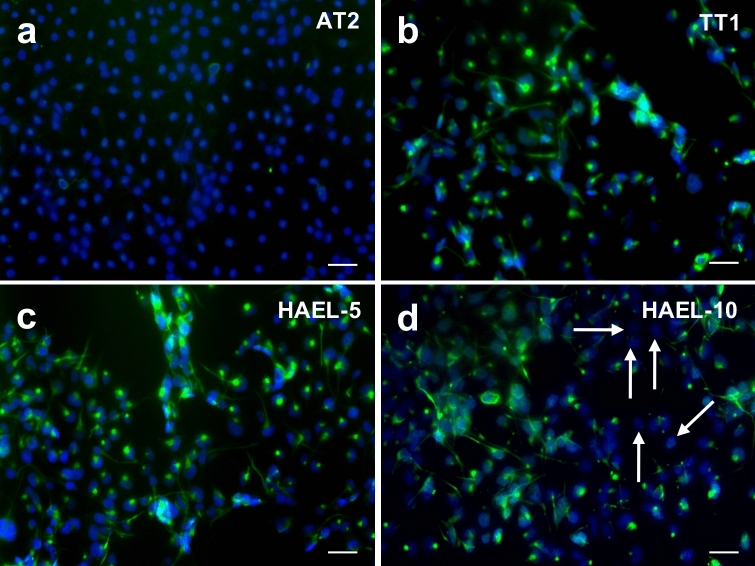
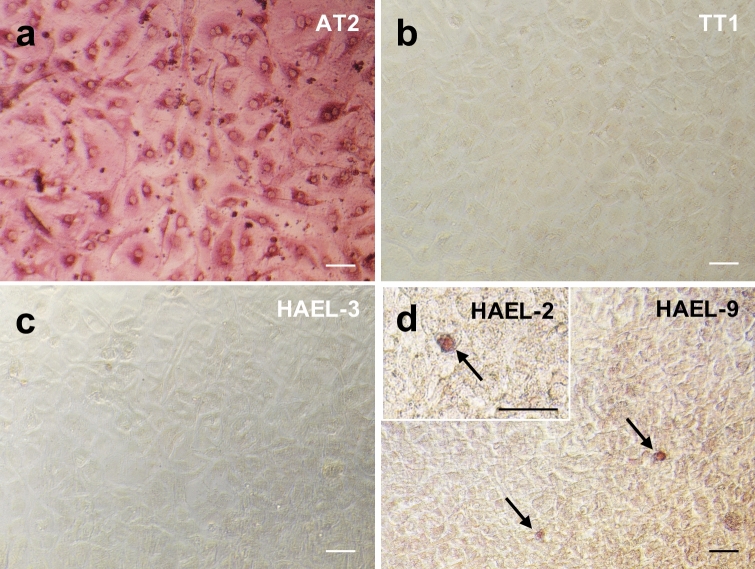
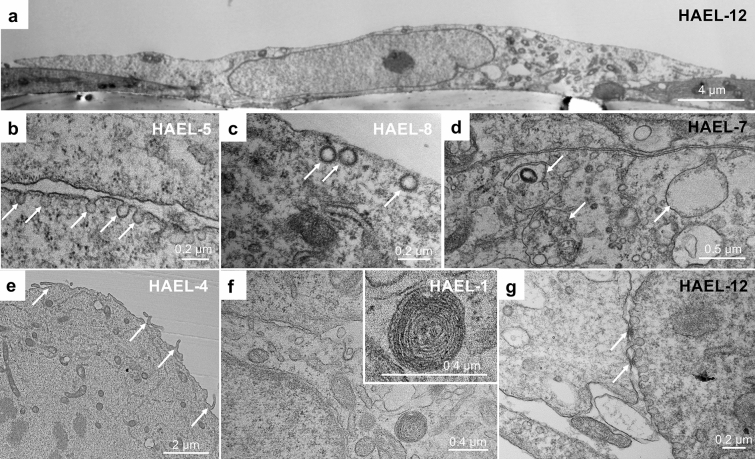
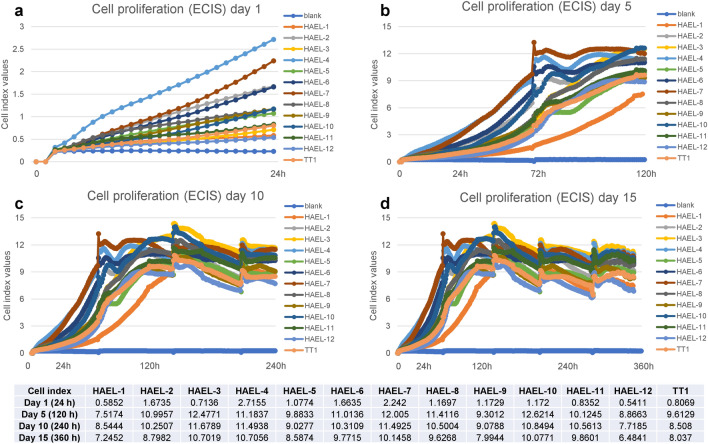
To overcome the scarcity of primary human alveolar epithelial cells for lung research, and the limitations of current cell lines to recapitulate the phenotype, functional and molecular characteristics of the healthy human alveolar epithelium, we have developed a new method to immortalise primary human alveolar epithelial lung cells using a non-viral vector to transfect the telomerase catalytic subunit (hTERT) and the simian virus 40 large-tumour antigen (SV40). Twelve strains of immortalised cells (ICs) were generated and characterised using molecular, immunochemical and morphological techniques. Cell proliferation and sensitivity to polystyrene nanoparticles (PS) were evaluated. ICs expressed caveolin-1, podoplanin and receptor for advanced glycation end-products (RAGE), and most cells were negative for alkaline phosphatase staining, indicating characteristics of AT1-like cells. However, most strains also contained some cells that expressed pro-surfactant protein C, classically described to be expressed only by AT2 cells. Thus, the ICs mimic the cellular heterogeneity in the human alveolar epithelium. These ICs can be passaged, replicate rapidly and remain confluent beyond 15 days. ICs showed differential sensitivity to positive and negatively charged PS nanoparticles, illustrating their potential value as an in vitro model to study respiratory bioreactivity. These novel ICs offer a unique resource to study human alveolar epithelial biology.
为了克服用于肺部研究的原代人肺泡上皮细胞的稀缺性,以及当前细胞系重现健康人肺泡上皮的表型、功能和分子特征的局限性,我们开发了一种使用非病毒载体转染端粒酶催化亚基(hTERT)和猿猴病毒 40 大肿瘤抗原(SV40)来永生化原代人肺泡上皮肺细胞的新方法。使用分子、免疫化学和形态学技术对 12 株永生化细胞系(ICs)进行了生成和特征描述。评估了细胞增殖和对聚苯乙烯纳米颗粒(PS)的敏感性。ICs 表达小窝蛋白-1、足突蛋白和晚期糖基化终产物受体(RAGE),大多数细胞对碱性磷酸酶染色呈阴性,表明具有 AT1 样细胞的特征。然而,大多数菌株还包含一些表达前表面活性蛋白 C 的细胞,这是 AT2 细胞经典表达的蛋白。因此,ICs 模拟了人肺泡上皮中的细胞异质性。这些 ICs 可以传代,快速复制,并在超过 15 天的时间内保持融合。ICs 对正电荷和负电荷 PS 纳米颗粒表现出不同的敏感性,说明了它们作为体外模型研究呼吸生物反应性的潜在价值。这些新型 ICs 为研究人肺泡上皮生物学提供了独特的资源。