Department of Pharmaceutical Sciences, Faculty of Science and Engineering, Dibrugarh University, Dibrugarh, 786004, India.
Department of Health Research, Model Rural Health Research Unit, Tripura, 799035, India.
Mol Divers. 2021 Aug;25(3):1745-1759. doi: 10.1007/s11030-020-10150-x. Epub 2020 Nov 25.
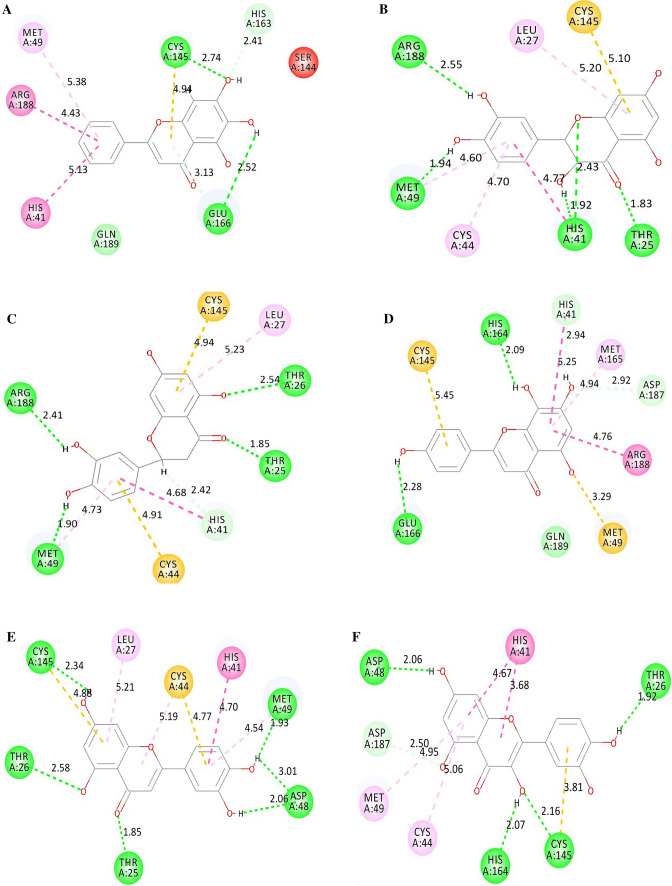
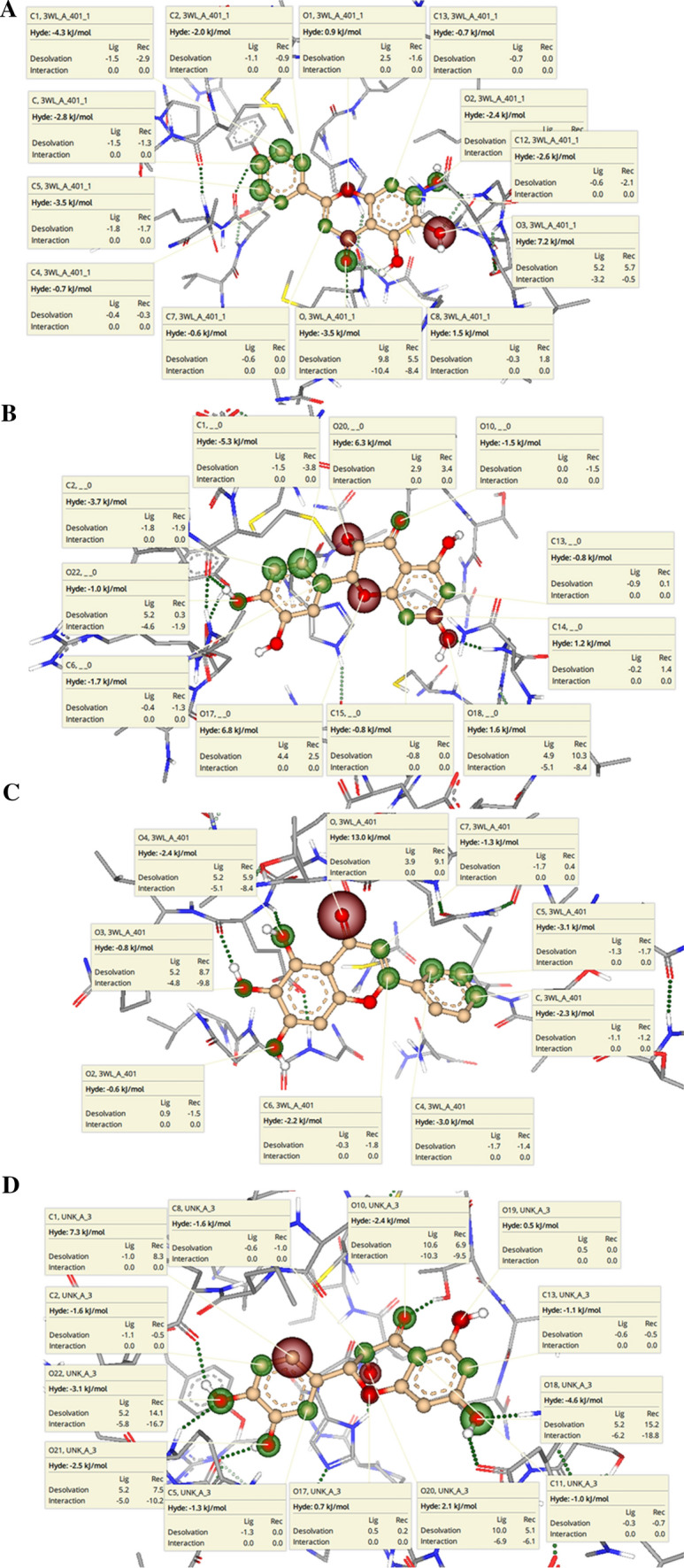
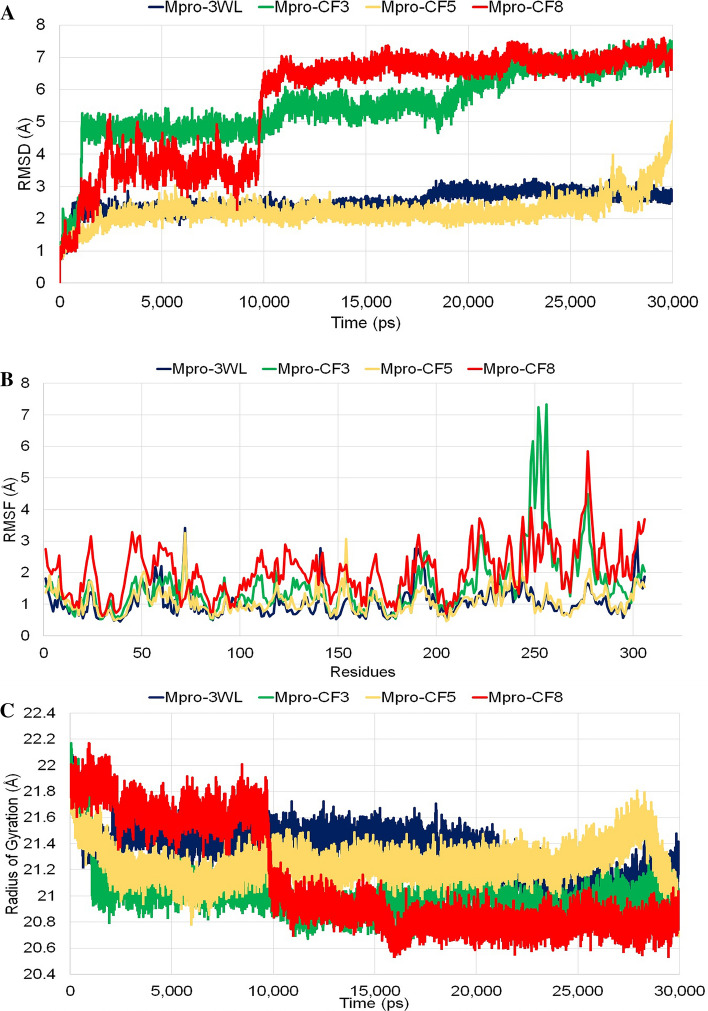
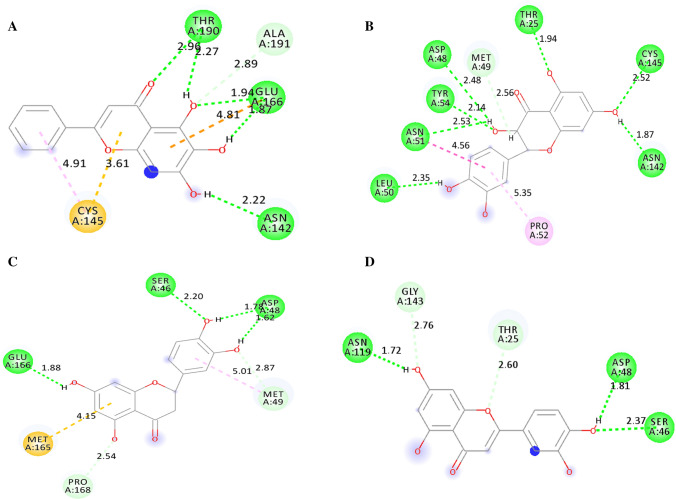
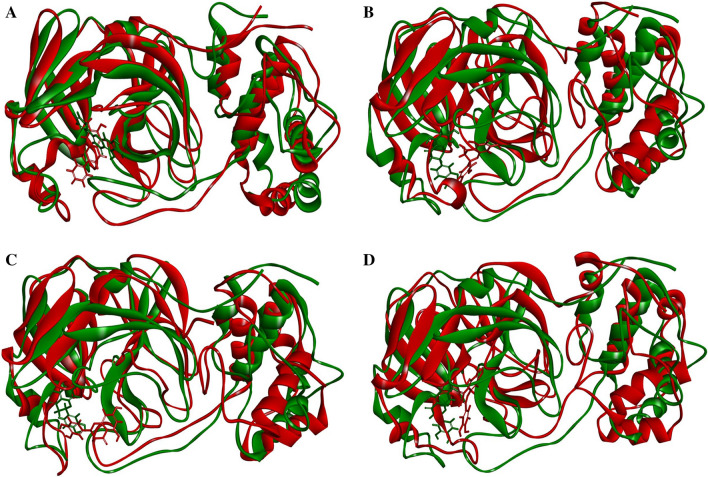
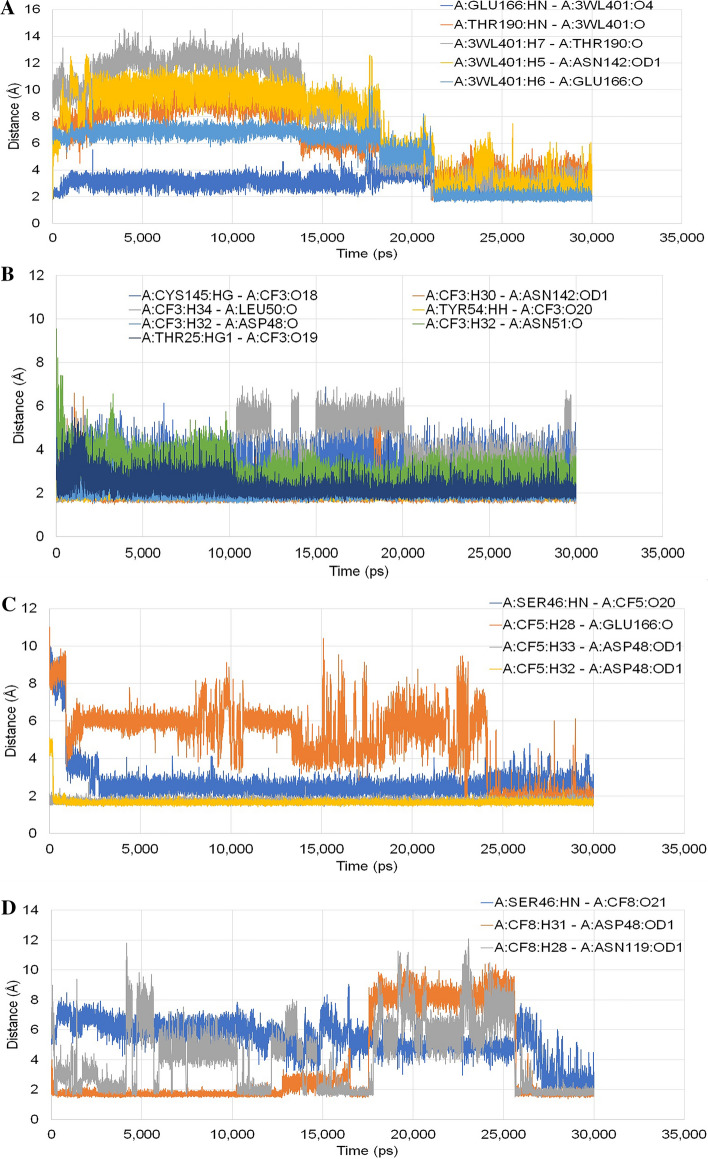
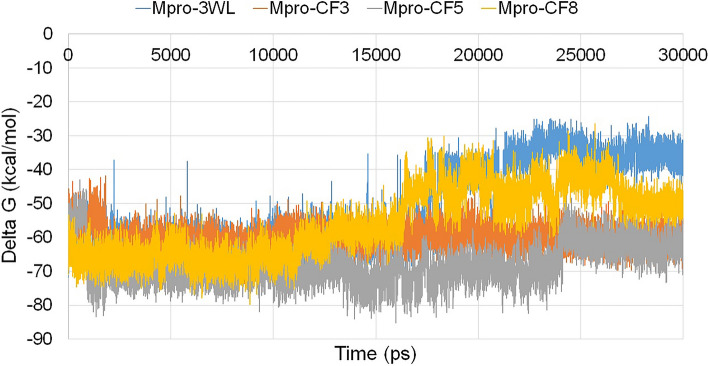
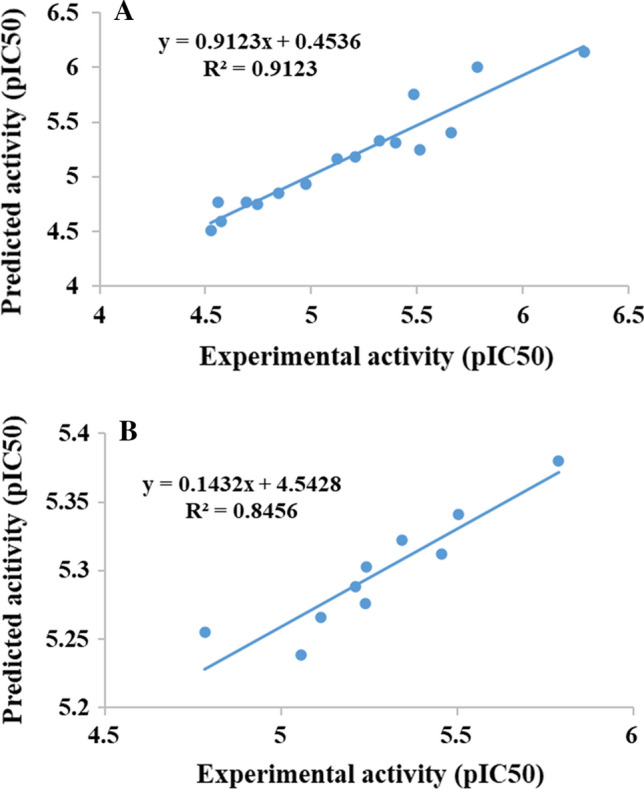
Although vaccine development is being undertaken at a breakneck speed, there is currently no effective antiviral drug for severe acute respiratory syndrome coronavirus 2 (SARS-CoV-2) causing COVID-19. Therefore, the present study aims to explore the possibilities offered by naturally available and abundant flavonoid compounds, as a prospective antiviral drug to combat the virus. A library of 44 citrus flavonoids was screened against the highly conserved Main Protease (M) of SARS-CoV-2 using molecular docking. The compounds which showed better CDocker energy than the co-crystal inhibitor of M were further revalidated by flexible docking within the active site; followed by assessment of drug likeness and toxicity parameters. The non-toxic compounds were further subjected to molecular dynamics simulation and predicted activity (IC) using 3D-QSAR analysis. Subsequently, hydrogen bonds and dehydration analysis of the best compound were performed to assess the binding affinity to M. It was observed that out of the 44 citrus flavonoids, five compounds showed lower binding energy with M than the co-crystal ligand. Moreover, these compounds also formed H-bonds with two important catalytic residues His41 and Cys145 of the active sites of M. Three compounds which passed the drug likeness filter showed stable conformation during MD simulations. Among these, the lowest predicted IC value was observed for Taxifolin. Therefore, this study suggests that Taxifolin, could be a potential inhibitor against SARS-CoV-2 main protease and can be further analysed by in vitro and in vivo experiments for management of the ongoing pandemic.
虽然疫苗的研发正在高速进行,但目前针对导致 COVID-19 的严重急性呼吸综合征冠状病毒 2(SARS-CoV-2)还没有有效的抗病毒药物。因此,本研究旨在探索天然存在且丰富的类黄酮化合物作为一种有前途的抗病毒药物对抗该病毒的可能性。使用分子对接对 44 种柑橘类黄酮化合物库进行了针对 SARS-CoV-2 高度保守的主蛋白酶(M)的筛选。与 M 的共晶抑制剂相比,具有更好 CDocker 能量的化合物通过在活性部位进行柔性对接进一步进行了重新验证;随后评估了药物相似性和毒性参数。非毒性化合物进一步进行了分子动力学模拟,并使用 3D-QSAR 分析预测了活性(IC)。随后,对最佳化合物进行氢键和脱水分析,以评估其与 M 的结合亲和力。结果表明,在 44 种柑橘类黄酮中,有 5 种化合物与 M 的结合能低于共晶配体。此外,这些化合物还与 M 的活性部位的两个重要催化残基 His41 和 Cys145 形成氢键。通过药物相似性筛选的三种化合物在 MD 模拟中表现出稳定的构象。在这些化合物中,Taxifolin 的预测 IC 值最低。因此,本研究表明,Taxifolin 可能是 SARS-CoV-2 主蛋白酶的潜在抑制剂,并可以通过体外和体内实验进一步分析,以管理当前的大流行。