Department of Cell and Developmental Biology, School of Molecular and Cellular Biology, University of Illinois at Urbana Champaign, B107 Chemistry and Life Science Building, MC-123, 601 S. Goodwin Ave., Urbana, IL 61801, USA.
Carl R. Woese Institute for Genomic Biology, University of Illinois at Urbana Champaign, Urbana, IL 61801, USA.
Int J Mol Sci. 2020 Nov 23;21(22):8861. doi: 10.3390/ijms21228861.
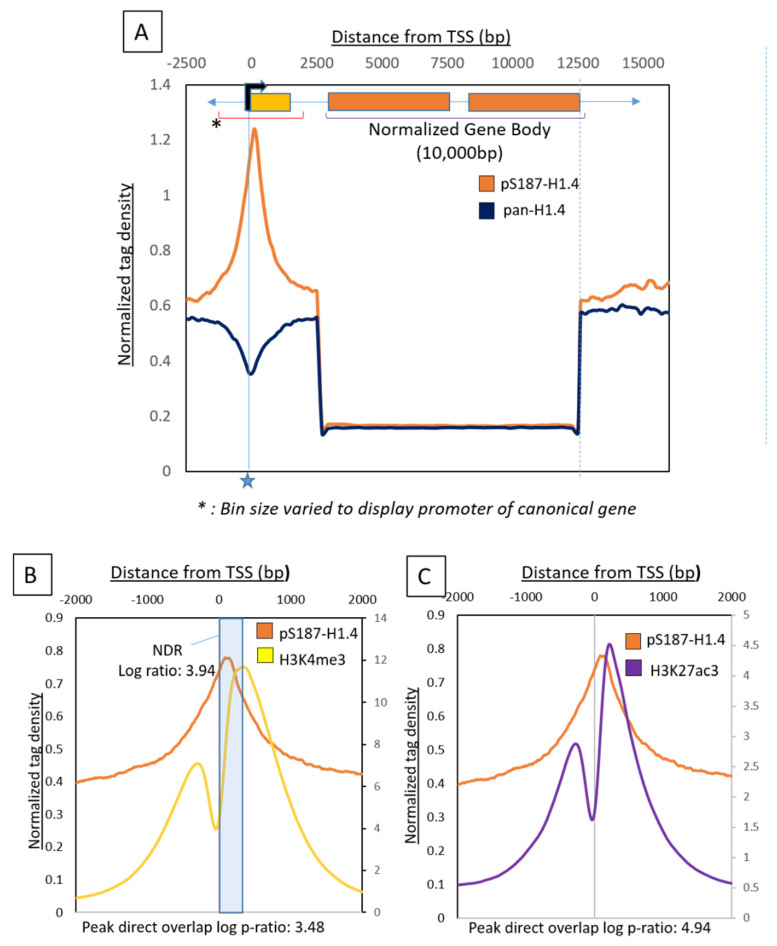
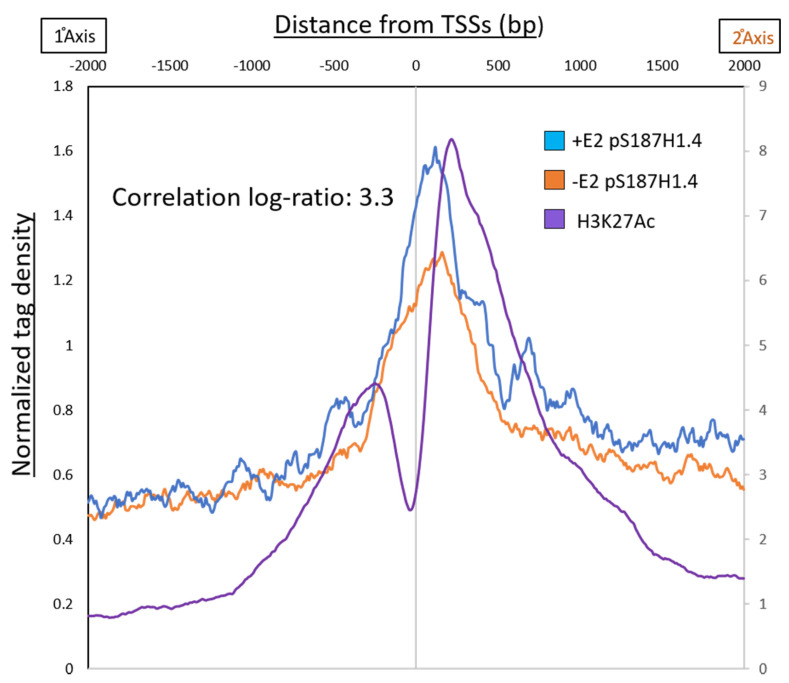
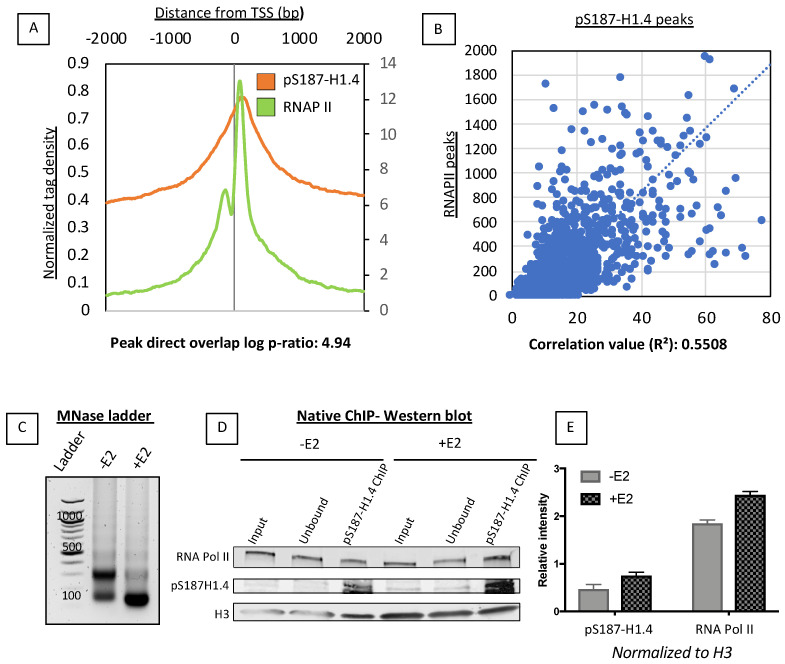
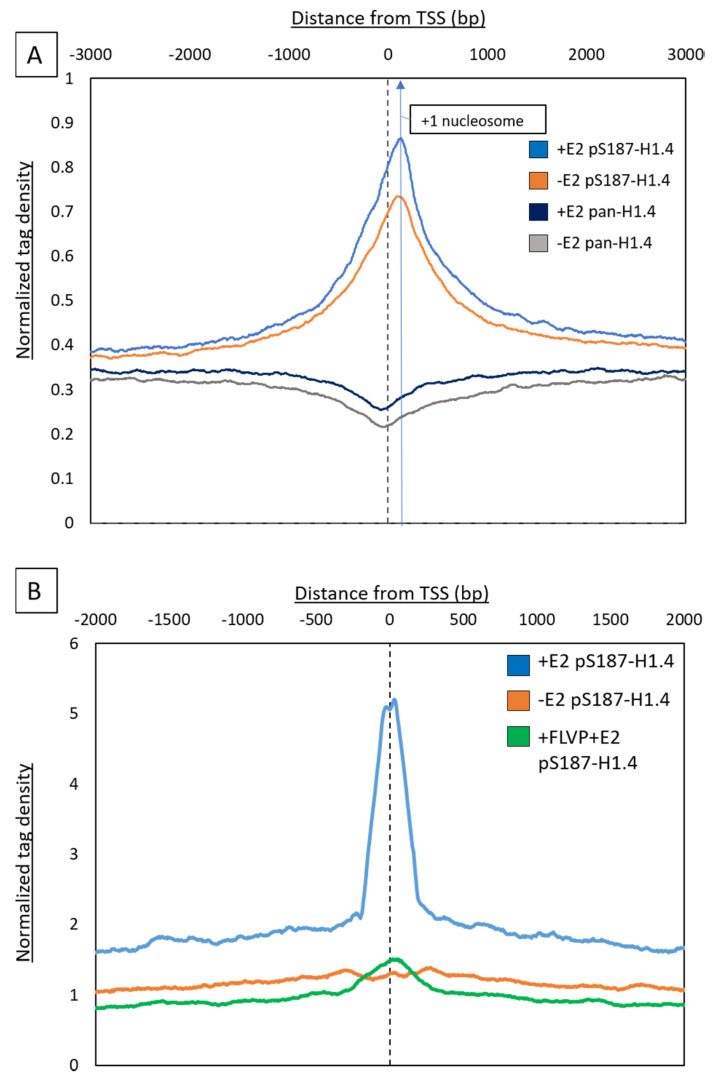
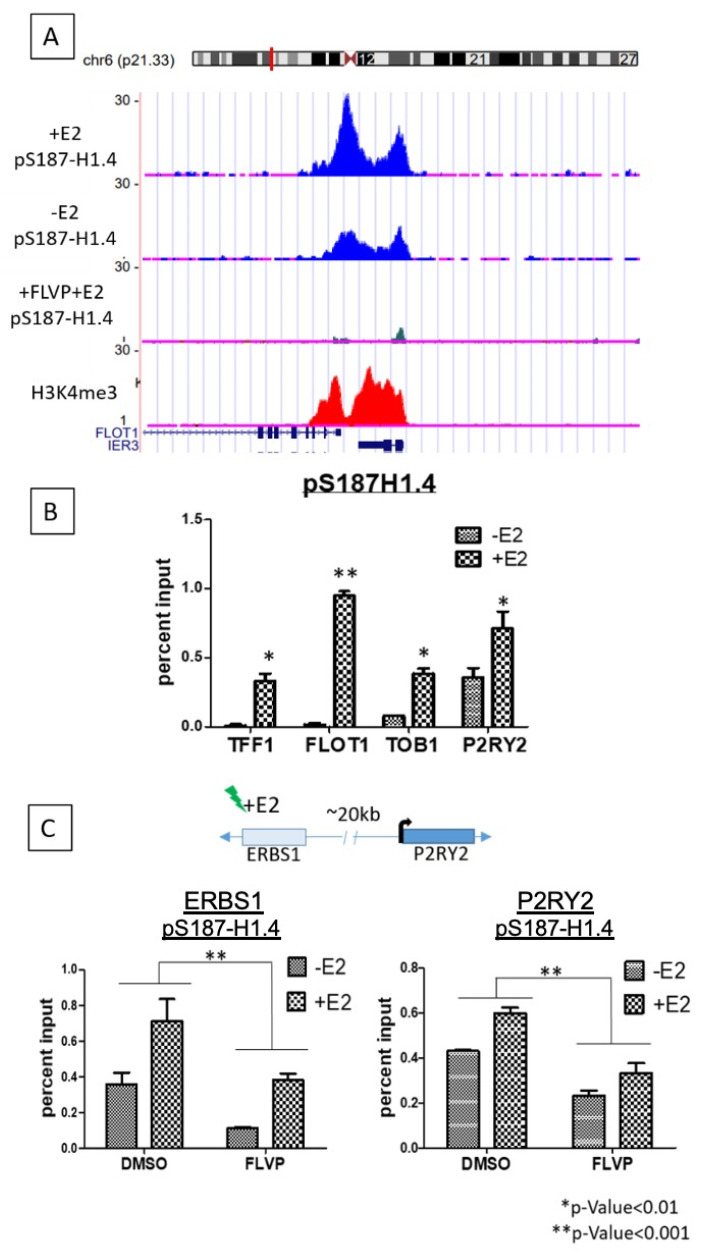
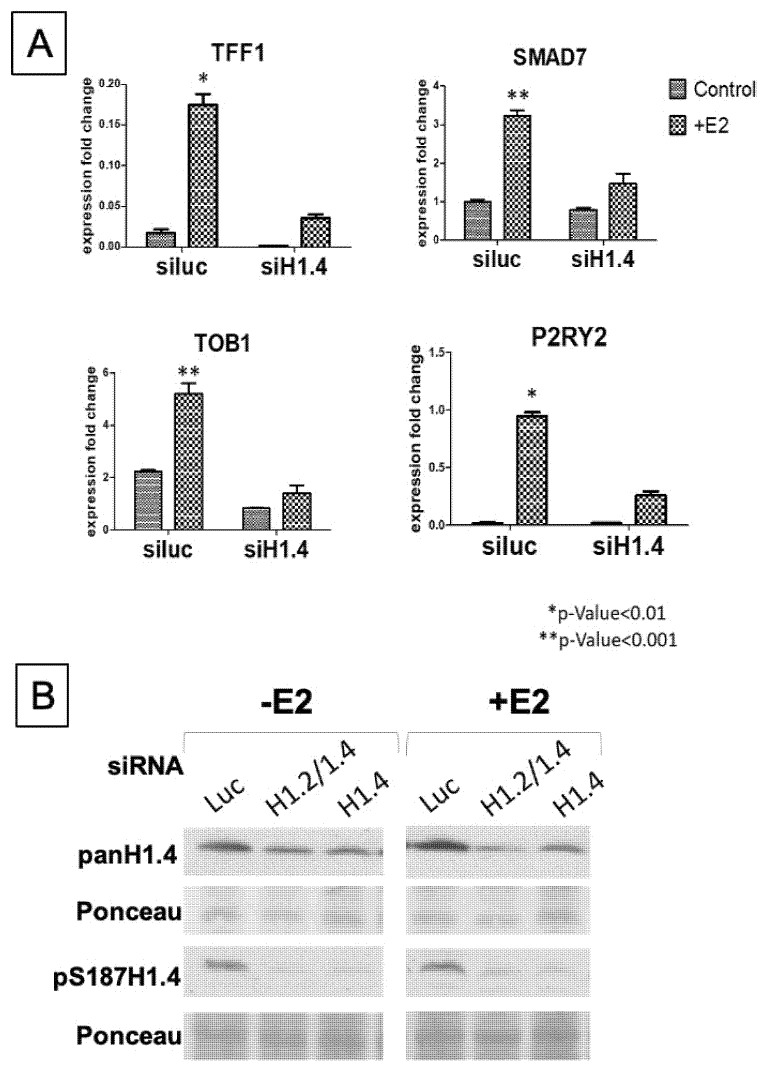
Core histone variants, such as H2A.X and H3.3, serve specialized roles in chromatin processes that depend on the genomic distributions and amino acid sequence differences of the variant proteins. Modifications of these variants alter interactions with other chromatin components and thus the protein's functions. These inferences add to the growing arsenal of evidence against the older generic view of those linker histones as redundant repressors. Furthermore, certain modifications of specific H1 variants can confer distinct roles. On the one hand, it has been reported that the phosphorylation of H1 results in its release from chromatin and the subsequent transcription of HIV-1 genes. On the other hand, recent evidence indicates that phosphorylated H1 may in fact be associated with active promoters. This conflict suggests that different H1 isoforms and modified versions of these variants are not redundant when together but may play distinct functional roles. Here, we provide the first genome-wide evidence that when phosphorylated, the H1.4 variant remains associated with active promoters and may even play a role in transcription activation. Using novel, highly specific antibodies, we generated the first genome-wide view of the H1.4 isoform phosphorylated at serine 187 (pS187-H1.4) in estradiol-inducible MCF7 cells. We observe that pS187-H1.4 is enriched primarily at the transcription start sites (TSSs) of genes activated by estradiol treatment and depleted from those that are repressed. We also show that pS187-H1.4 associates with 'early estrogen response' genes and stably interacts with RNAPII. Based on the observations presented here, we propose that phosphorylation at S187 by CDK9 represents an early event required for gene activation. This event may also be involved in the release of promoter-proximal polymerases to begin elongation by interacting directly with the polymerase or other parts of the transcription machinery. Although we focused on estrogen-responsive genes, taking into account previous evidence of H1.4's enrichment of promoters of pluripotency genes, and its involvement with rDNA activation, we propose that H1.4 phosphorylation for gene activation may be a more global observation.
核心组蛋白变体,如 H2A.X 和 H3.3,在依赖于变体蛋白的基因组分布和氨基酸序列差异的染色质过程中发挥专门作用。这些变体的修饰改变了与其他染色质成分的相互作用,从而改变了蛋白质的功能。这些推断增加了越来越多的证据,证明那些连接组蛋白不是冗余的抑制剂。此外,特定 H1 变体的某些修饰可以赋予不同的作用。一方面,据报道,H1 的磷酸化导致其从染色质中释放出来,随后 HIV-1 基因的转录。另一方面,最近的证据表明,磷酸化的 H1 实际上可能与活跃的启动子有关。这种冲突表明,不同的 H1 同工型和这些变体的修饰版本在一起时并不是冗余的,但可能发挥不同的功能作用。在这里,我们提供了第一个全基因组证据,表明 H1.4 变体在磷酸化后仍然与活跃的启动子相关联,甚至可能在转录激活中发挥作用。使用新型的、高度特异性的抗体,我们在雌激素诱导的 MCF7 细胞中生成了 H1.4 同工型丝氨酸 187 磷酸化(pS187-H1.4)的第一个全基因组图谱。我们观察到,pS187-H1.4 主要富集在雌激素处理激活的基因的转录起始位点(TSSs),并从被抑制的基因中耗尽。我们还表明,pS187-H1.4 与“早期雌激素反应”基因相关联,并与 RNAPII 稳定相互作用。基于这里提出的观察结果,我们提出 CDK9 对 S187 的磷酸化代表了基因激活所需的早期事件。该事件还可能通过与聚合酶或转录机制的其他部分直接相互作用,参与启动子近端聚合酶的释放以开始延伸。虽然我们专注于雌激素反应基因,但考虑到 H1.4 对多能性基因启动子的富集的先前证据及其与 rDNA 激活的关系,我们提出 H1.4 磷酸化以激活基因可能是一个更普遍的观察结果。