Mohamed Marwa T, Zaitone Sawsan A, Ahmed Amal, Mehanna Eman T, El-Sayed Norhan M
Directorate of Health and population, Ismailia 41522, Egypt.
Department of Pharmacology and Toxicology, Faculty of Pharmacy, Suez Canal University, Ismailia 41522, Egypt.
Antioxidants (Basel). 2020 Nov 23;9(11):1168. doi: 10.3390/antiox9111168.
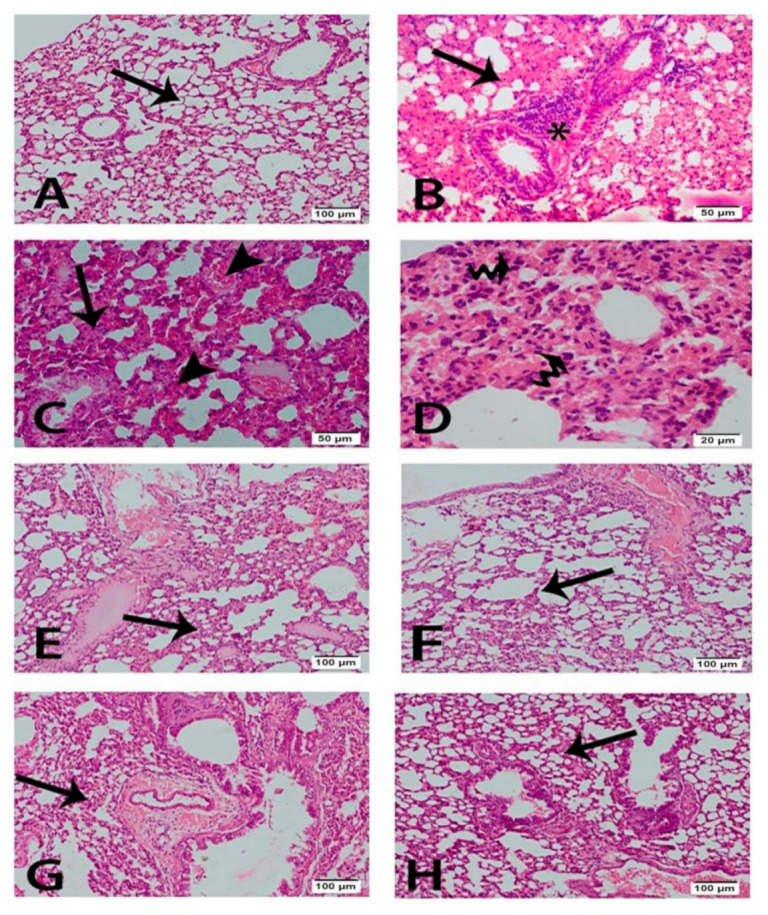
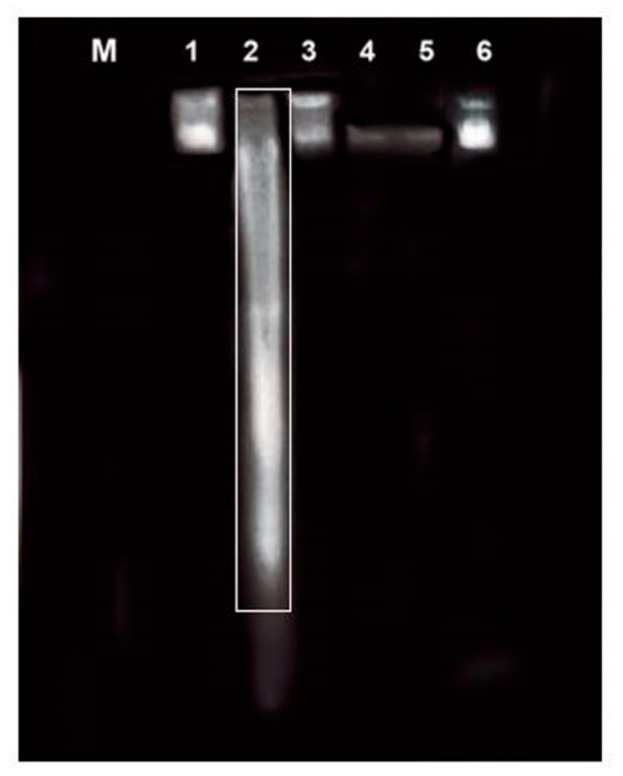
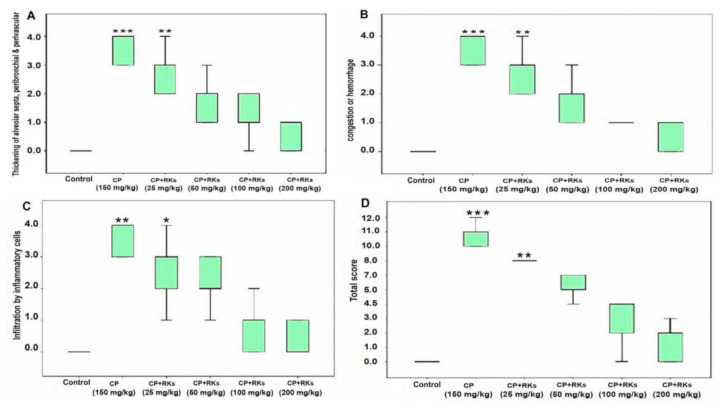
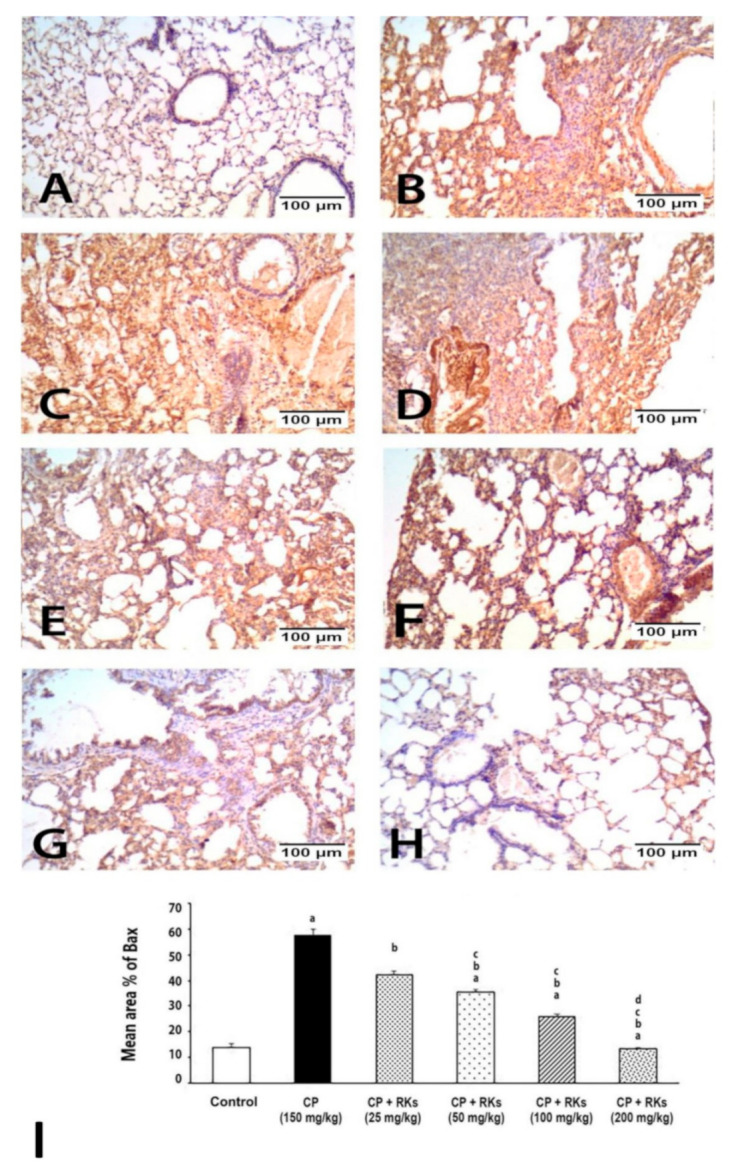
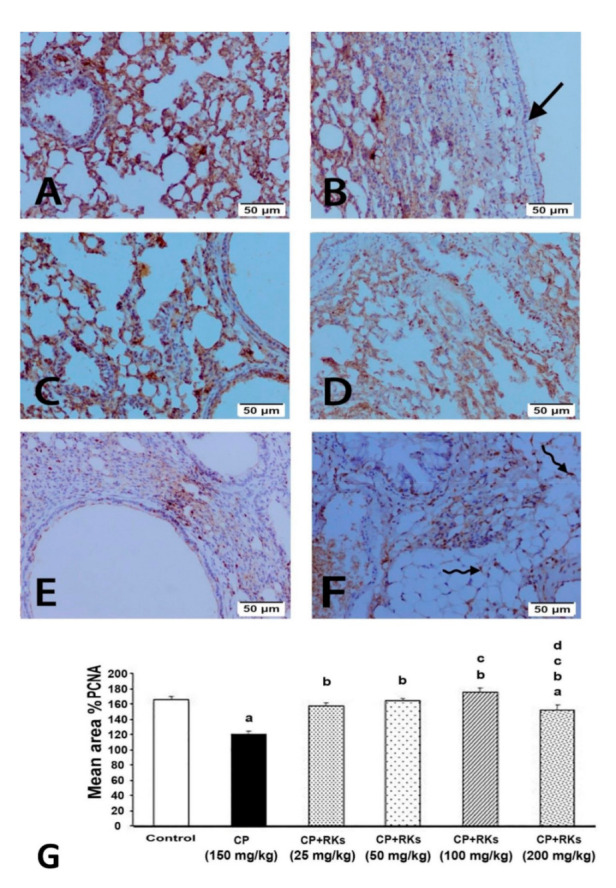
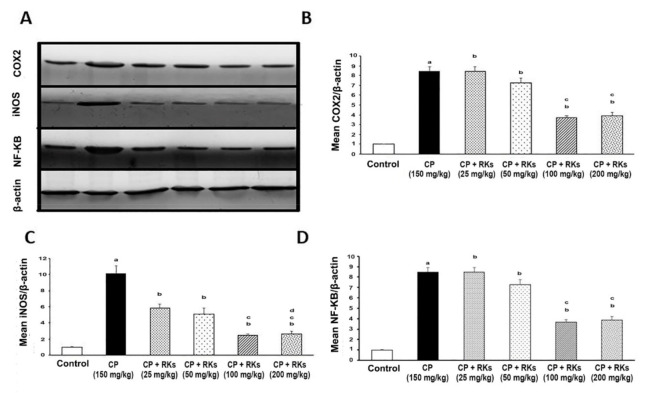
Cyclophosphamide (CP) was found to have a potential toxic effect on lung tissues. Raspberry ketones (RKs) are natural antioxidant chemicals isolated from red raspberries (Rubus ideaus). They are commonly used for weight loss and obesity. The current study aimed to evaluate the possible protective effects of RKs against lung toxicity induced by CP. Mice were allocated into six groups: (1) control group; (2) CP group: received a single intraperitoneal dose of CP (150 mg/kg, i.p.); and (3-6) mice were pre-treated orally with different doses of RKs (25, 50, 100, and 200 mg/kg) for 14 consecutive days, respectively, before the administration of an intraperitoneal dose of CP (150 mg/kg, i.p.). Mice were then sacrificed under anesthesia, then lungs were removed for histopathological and biochemical investigations. A single dose of CP markedly altered the levels of some oxidative stress biomarkers and resulted in the fragmentation of DNA in lung homogenates. Histological examination of CP-treated mice demonstrated diffuse alveolar damage that involved apparent hyalinization of membranes, thickening of inter alveolar septa, and proliferation of type II pneumocytes. The immunohistochemical results of CP-treated mice revealed strongly positive Bax and weakly positive proliferating cell nuclear antigen (PCNA) staining reactivity of the nuclei of the lining epithelium of the bronchioles and alveoli. CP activated the cyclooxygenase-2/nuclear factor-kappa B pathway. However, pre-treatment with RKs significantly attenuated CP-evoked alterations in the previously mentioned parameters, highlighting their antioxidant, anti-inflammatory, and anti-apoptotic potential. RKs may be suggested to be a potential candidate to ameliorate CP-induced pulmonary toxicity.
环磷酰胺(CP)被发现对肺组织有潜在毒性作用。覆盆子酮(RKs)是从红树莓(悬钩子属)中分离出的天然抗氧化化学物质。它们常用于减肥和治疗肥胖症。本研究旨在评估RKs对CP诱导的肺毒性可能具有的保护作用。将小鼠分为六组:(1)对照组;(2)CP组:腹腔注射单次剂量的CP(150mg/kg,腹腔注射);以及(3 - 6)组,在腹腔注射CP(150mg/kg,腹腔注射)前,分别连续14天口服不同剂量的RKs(25、50、100和200mg/kg)。然后在麻醉下处死小鼠,取出肺组织进行组织病理学和生化研究。单次剂量的CP显著改变了一些氧化应激生物标志物的水平,并导致肺匀浆中DNA片段化。对CP处理的小鼠进行组织学检查显示弥漫性肺泡损伤,包括明显的膜透明变性、肺泡间隔增厚和II型肺细胞增殖。CP处理的小鼠的免疫组化结果显示,细支气管和肺泡内衬上皮细胞核的Bax染色呈强阳性,增殖细胞核抗原(PCNA)染色呈弱阳性。CP激活了环氧合酶 - 2/核因子 - κB通路。然而,用RKs预处理可显著减轻CP引起的上述参数变化,突出了它们的抗氧化、抗炎和抗凋亡潜力。RKs可能被认为是改善CP诱导的肺毒性的潜在候选物。