Zhang Huifang, He Chunyan, Tian Rui, Wang Ruilan
Emergency & Critical Care Department, Shanghai General Hospital, Shanghai Jiao Tong University School of Medicine, 650 New Songjiang Road, Songjiang District, Shanghai, China.
Laboratory Medicine Department, Shanghai General Hospital, Shanghai Jiao Tong University School of Medicine, Shanghai, China.
BMC Infect Dis. 2020 Nov 26;20(1):893. doi: 10.1186/s12879-020-05559-6.
Cellulosimicrobium cellulans is a gram-positive filamentous bacterium found primarily in soil and sewage that rarely causes human infection, especially in previously healthy adults, but when it does, it often indicates a poor prognosis.
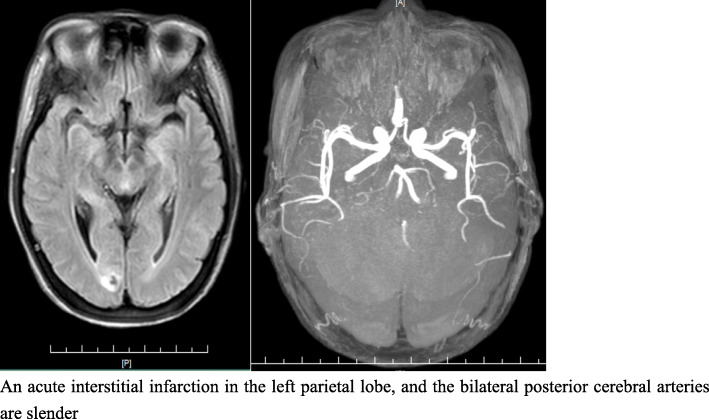
We report a case of endocarditis and intracranial infection caused by C. cellulans in a 52-year-old woman with normal immune function and no implants in vivo. The patient started with a febrile headache that progressed to impaired consciousness after 20 days, and she finally died after treatment with vancomycin combined with rifampicin. C. cellulans was isolated from her blood cultures for 3 consecutive days after her admission; however, there was only evidence of C. cellulans sequences for two samples in the second-generation sequencing data generated from her peripheral blood, which were ignored by the technicians. No C. cellulans bands were detected in her cerebrospinal fluid by second-generation sequencing.
Second-generation sequencing seems to have limitations for certain specific strains of bacteria.
纤维微菌是一种革兰氏阳性丝状细菌,主要存在于土壤和污水中,很少引起人类感染,尤其是在既往健康的成年人中,但一旦发生感染,往往提示预后不良。
我们报告一例由纤维微菌引起的心内膜炎和颅内感染病例,患者为一名52岁免疫功能正常且体内无植入物的女性。患者最初表现为发热性头痛,20天后进展为意识障碍,最终在接受万古霉素联合利福平治疗后死亡。患者入院后连续3天血培养分离出纤维微菌;然而,在其外周血二代测序数据中,仅两个样本有纤维微菌序列证据,技术人员未重视。二代测序在其脑脊液中未检测到纤维微菌条带。
二代测序对某些特定菌株似乎存在局限性。