Curr Probl Cardiol. 2021 Mar;46(3):100742. doi: 10.1016/j.cpcardiol.2020.100742. Epub 2020 Nov 2.
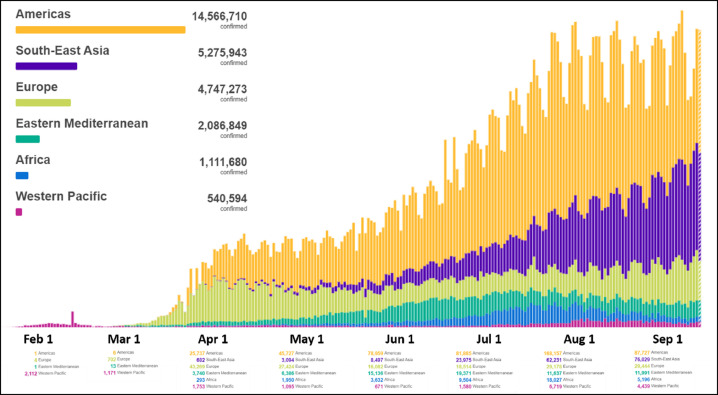
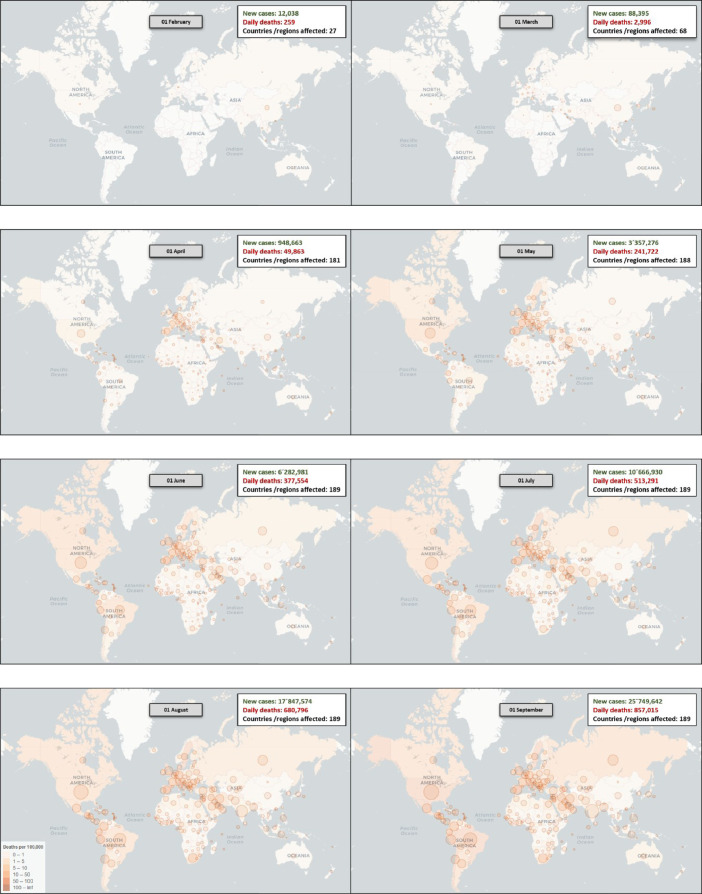
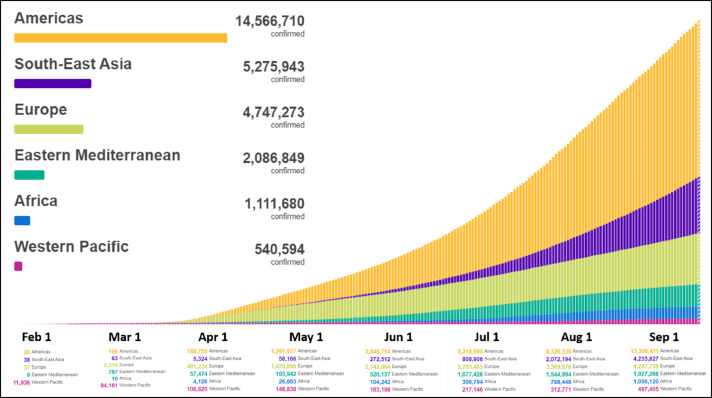
Since December 2019, an outbreak of coronavirus disease 2019 (COVID-19) which initially occurred in the city of Wuhan, located in China's Hubei province, spread around the world and on March 11, 2020, the World Health Organization declared the new Coronavirus disease 2019 (COVID-19) as a pandemic. The presence of comorbidities (eg, cardiovascular disease, obesity), Sepsis Induced Coagulopathy score >4, elevation of D-dimer (>6 times the normal value), C-reactive protein, troponins and other disseminated intravascular coagulation markers; is associated to a worse prognosis in hospitalized patients with severe COVD-19, reaching a hospital mortality of 42%. Initial anticoagulant treatment with low molecular weight heparin has been shown to reduce mortality by 48% at 7 days and 37% at 28 days and achieve a significant improvement in the arterial oxygen pressure/inspired fraction of O2 (PaO2/FiO2) by mitigating the formation of microthrombi and associated pulmonary coagulopathy.
自 2019 年 12 月以来,最初发生在中国湖北省武汉市的 2019 年冠状病毒病(COVID-19)爆发在全球范围内蔓延,2020 年 3 月 11 日,世界卫生组织宣布新型冠状病毒病 2019(COVID-19)为大流行。合并症(例如心血管疾病、肥胖症)、败血症诱导的凝血障碍评分>4、D-二聚体升高(正常值的 6 倍以上)、C 反应蛋白、肌钙蛋白和其他弥散性血管内凝血标志物的存在与住院严重 COVID-19 患者的预后较差相关,住院死亡率达到 42%。低分子量肝素的初始抗凝治疗已被证明可将 7 天死亡率降低 48%,28 天死亡率降低 37%,并通过减轻微血栓形成和相关肺凝血障碍来显著改善动脉血氧分压/吸入氧分数(PaO2/FiO2)。