Department of Maternal, Newborn, Child and Adolescent Health and Ageing, WHO , Geneva, Switzerland.
Global Malaria Programme, WHO , Geneva, Switzerland.
Glob Health Action. 2020 Dec 31;13(1):1846903. doi: 10.1080/16549716.2020.1846903.
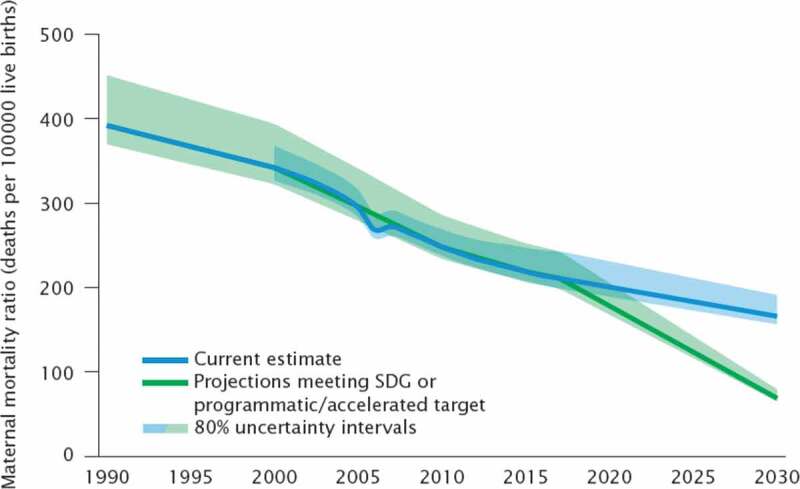
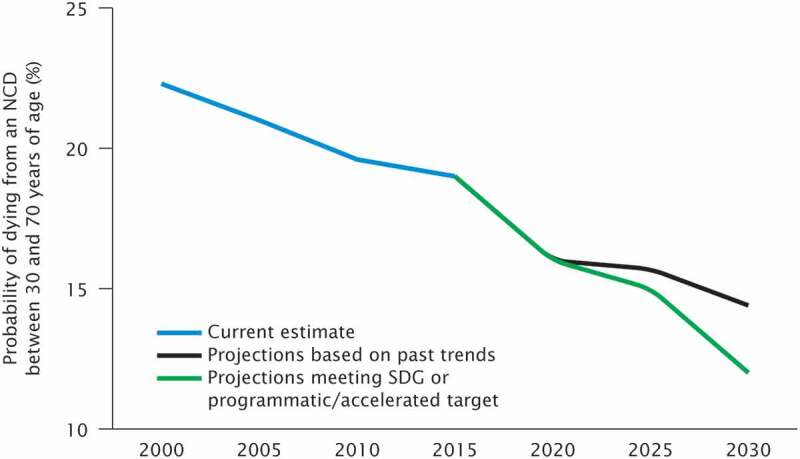
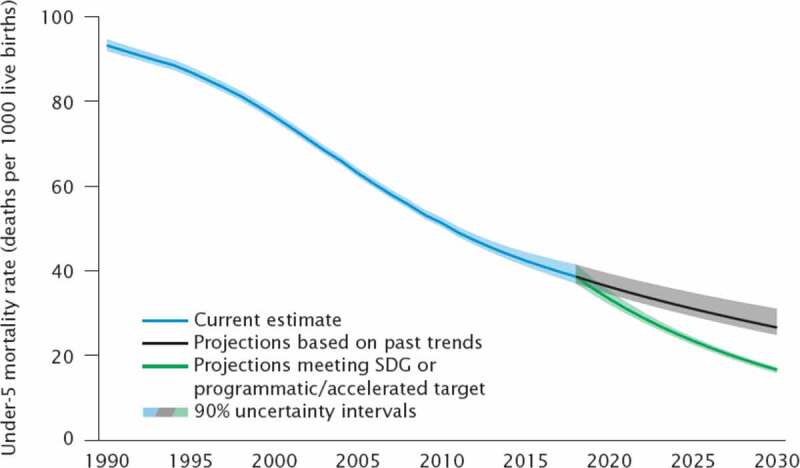
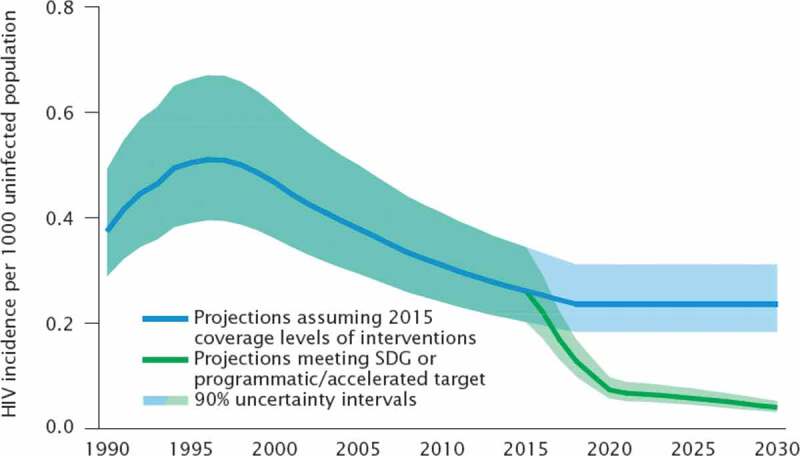
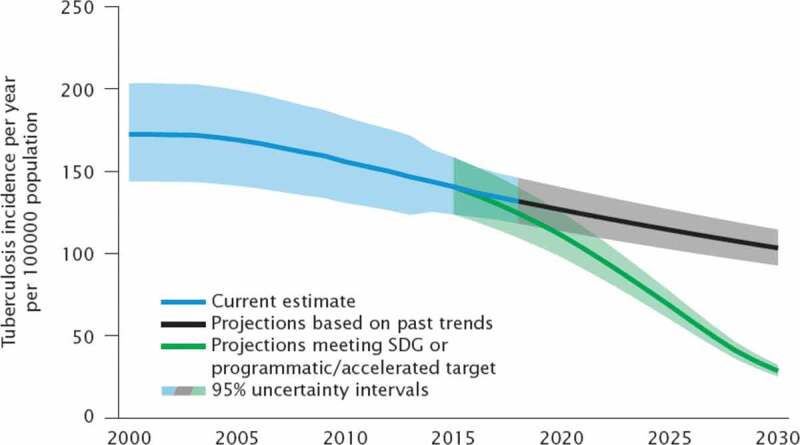
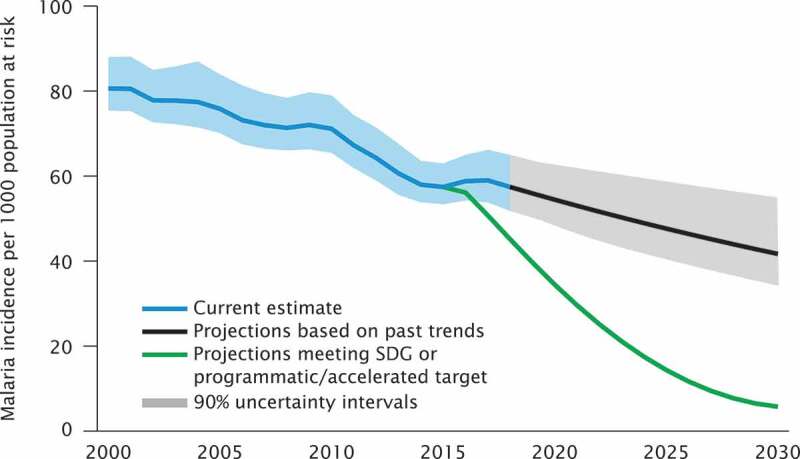
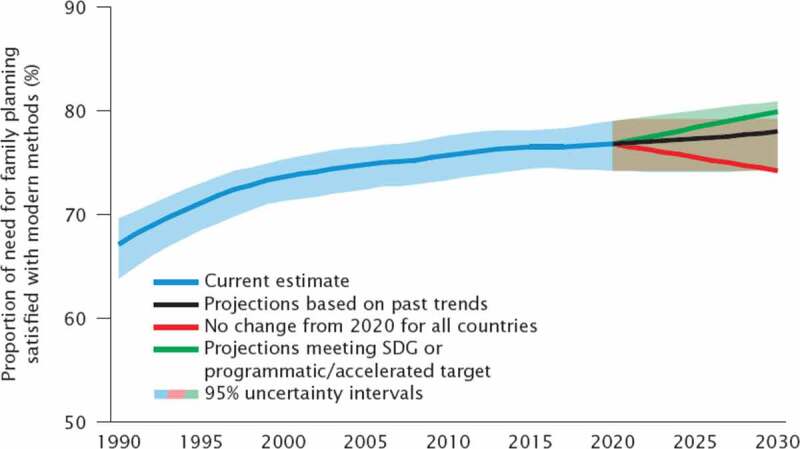
: Monitoring Sustainable Development Goal indicators (SDGs) and their targets plays an important role in understanding and advocating for improved health outcomes for all countries. We present the United Nations (UN) Inter-agency groups' efforts to support countries to report on SDG health indicators, project progress towards 2030 targets and build country accountability for action. : We highlight common principles and practices of each Inter-agency group and the progress made towards SDG 3 targets using seven health indicators as examples. The indicators used provide examples of best practice for modelling estimates and projections using standard methods, transparent data collection and country consultations. : Practices common to the UN agencies include multi-UN agency participation, expert groups to advise on estimation methods, transparent publication of methods and data inputs, use of UN-derived population estimates, country consultations, and a common reporting platform to present results. Our seven examples illustrate how estimates, using mostly Bayesian models, make use of country data to track progress towards SDG targets for 2030. : Progress has been made over the past decade. However, none of the seven indicators are on track to achieve their respective SDG targets by 2030. Accelerated efforts are needed, especially in low- and middle-income countries, to reduce the burden of maternal, child, communicable and noncommunicable disease mortality, and to provide access to modern methods of family planning to all women. : Our analysis shows the benefit of UN interagency monitoring which prioritizes transparent country data sources, UN population estimates and life tables, and rigorous but replicable modelling methods. Countries are supported to build capacity for data collection, analysis and reporting. Through these monitoring efforts we support countries to tackle even the most intransient health issues, including the pandemic caused by SARS-CoV-2 that is reversing the hard-earned gains of all countries.
监测可持续发展目标指标(SDGs)及其具体目标,对于了解和倡导所有国家改善健康结果至关重要。我们介绍了联合国(UN)机构间小组为支持各国报告 SDG 健康指标、评估实现 2030 年目标的进展情况以及为各国落实行动问责所做的努力。
我们重点介绍了每个机构间小组的共同原则和做法,并以七个卫生指标为例,介绍了在实现 SDG3 目标方面所取得的进展。所使用的指标为使用标准方法、透明数据收集和国家协商来模拟估计和预测提供了最佳实践的范例。
多机构参与、成立专家组为估算方法提供咨询意见、透明公布方法和数据投入、使用联合国人口估计数、国家协商以及使用共同报告平台提交成果。我们的七个范例说明了如何使用主要基于贝叶斯模型的估计方法,利用国家数据来跟踪 2030 年实现 SDG 目标的进展情况。
在过去十年中取得了进展。然而,在这七个指标中,没有一个能够按计划在 2030 年之前实现各自的 SDG 目标。需要加快努力,特别是在中低收入国家,以减少孕产妇、儿童、传染病和非传染性疾病死亡率的负担,并为所有妇女提供现代计划生育方法。
我们的分析表明,联合国机构间监测具有优势,优先考虑透明的国家数据源、联合国人口估计数和生命表以及严格但可复制的建模方法。各国得到支持以加强数据收集、分析和报告的能力。通过这些监测工作,我们支持各国解决即使是最棘手的健康问题,包括由 SARS-CoV-2 引起的大流行,这一流行病正在逆转所有国家来之不易的成果。