Research Fellow of Japan Society for the Promotion of Science, Tokyo, Japan.
Department of Integrative Physiology, Graduate School of Medicine, Gunma University, Maebashi, Japan.
Front Endocrinol (Lausanne). 2020 Nov 4;11:554941. doi: 10.3389/fendo.2020.554941. eCollection 2020.
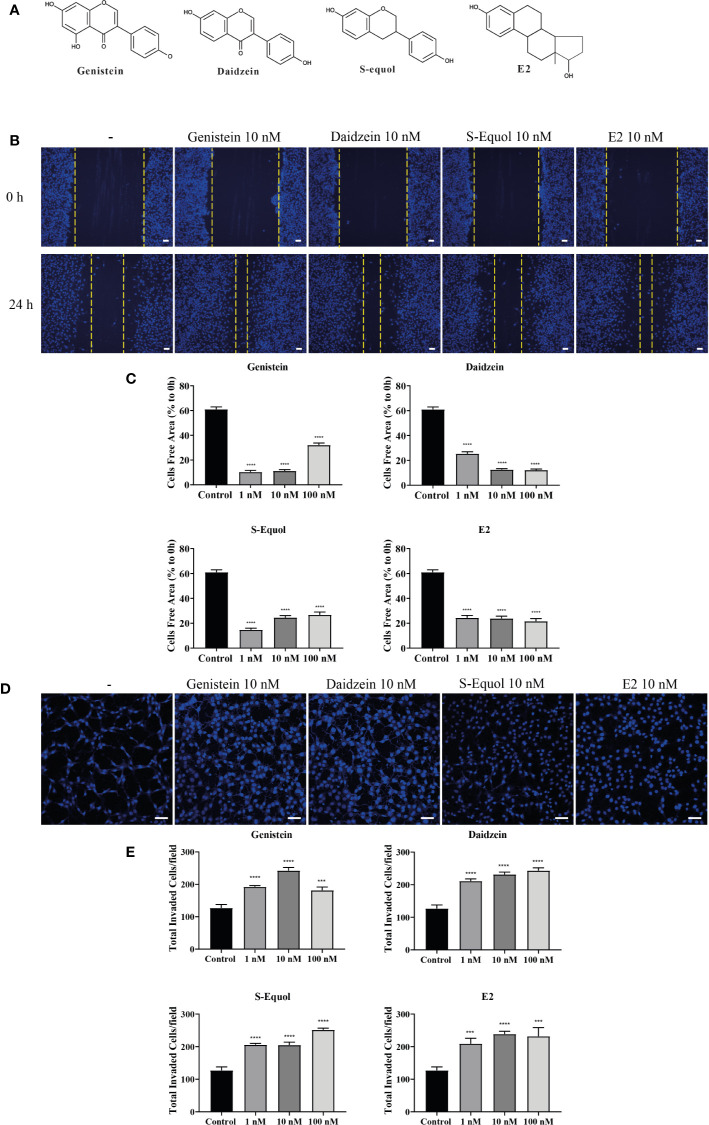
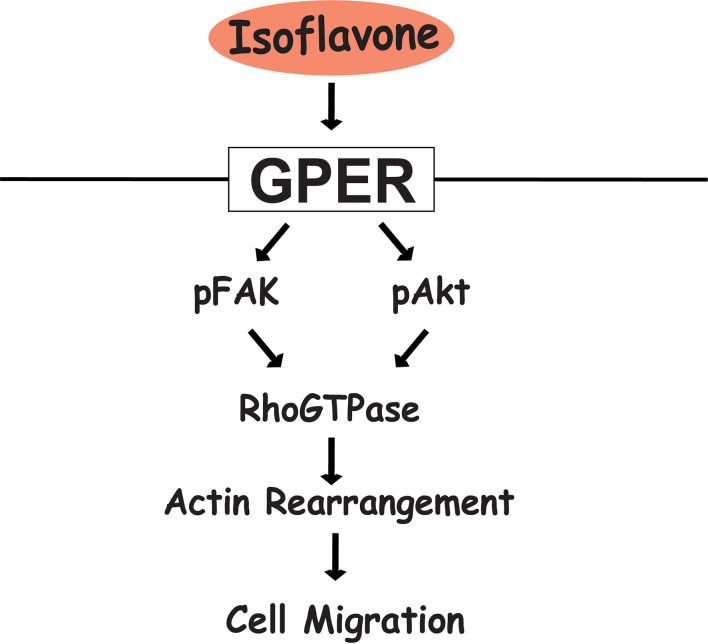
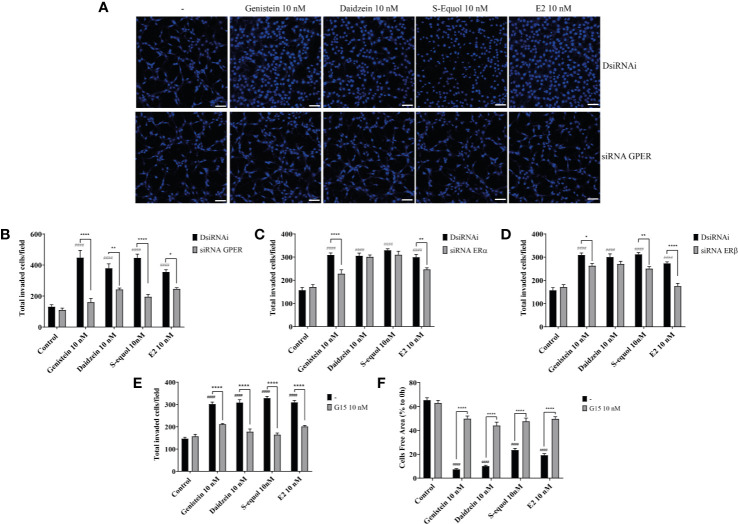
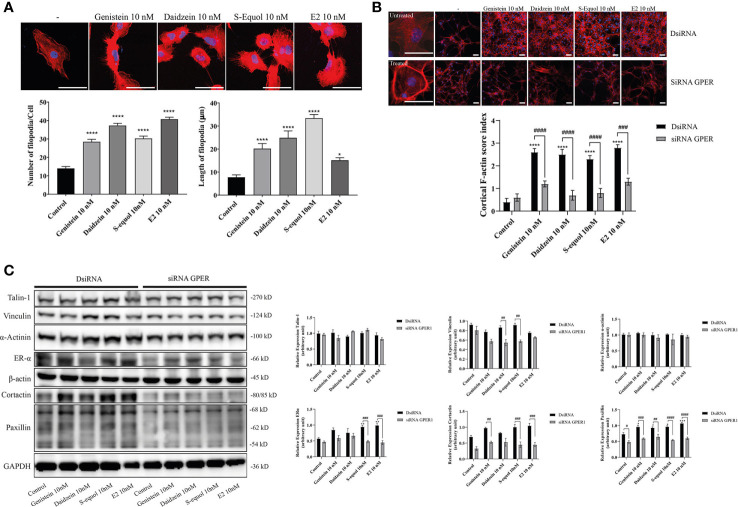
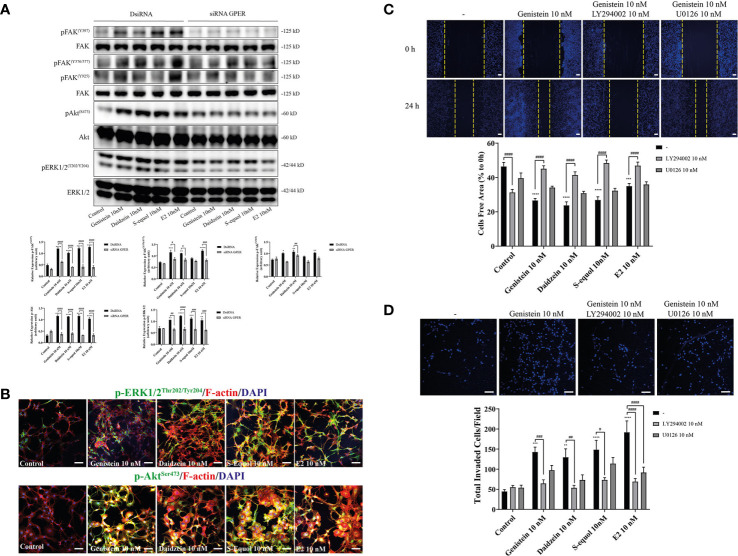
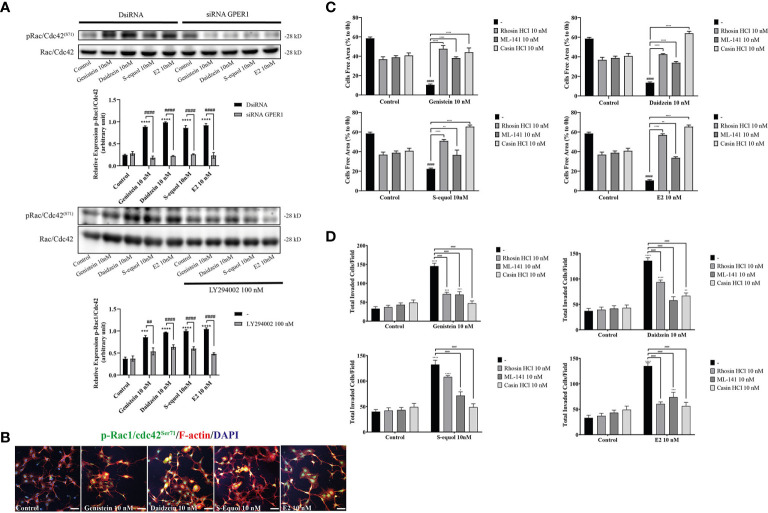
Soybean isoflavones, such as genistein, daidzein, and its metabolite, S-equol, are widely known as phytoestrogens. Their biological actions are thought to be exerted the estrogen signal transduction pathway. Estrogens, such as 17β-estradiol (E2), play a crucial role in the development and functional maintenance of the central nervous system. E2 bind to the nuclear estrogen receptor (ER) and regulates morphogenesis, migration, functional maturation, and intracellular metabolism of neurons and glial cells. In addition to binding to nuclear ER, E2 also binds to the G-protein-coupled estrogen receptor (GPER) and activates the nongenomic estrogen signaling pathway. Soybean isoflavones also bind to the ER and GPER. However, the effect of soybean isoflavone on brain development, particularly glial cell function, remains unclear. We examined the effects of soybean isoflavones using an astrocyte-enriched culture and astrocyte-derived C6 clonal cells. Isoflavones increased glial cell migration. This augmentation was suppressed by co-exposure with G15, a selective GPER antagonist, or knockdown of GPER expression using RNA interference. Isoflavones also activated actin cytoskeleton arrangement increased actin polymerization and cortical actin, resulting in an increased number and length of filopodia. Isoflavones exposure increased the phosphorylation levels of FAK (Tyr397 and Tyr576/577), ERK1/2 (Thr202/Tyr204), Akt (Ser473), and Rac1/cdc42 (Ser71), and the expression levels of cortactin, paxillin and ERα. These effects were suppressed by knockdown of the GPER. Co-exposure of isoflavones to the selective RhoA inhibitor, rhosin, selective Cdc42 inhibitor, casin, or Rac1/Cdc42 inhibitor, ML-141, decreased the effects of isoflavones on cell migration. These findings indicate that soybean isoflavones exert their action the GPER to activate the PI3K/FAK/Akt/RhoA/Rac1/Cdc42 signaling pathway, resulting in increased glial cell migration. Furthermore, molecular docking studies to examine the binding mode of isoflavones to the GPER revealed the possibility that isoflavones bind directly to the GPER at the same position as E2, further confirming that the effects of the isoflavones are at least in part exerted the GPER signal transduction pathway. The findings of the present study indicate that isoflavones may be an effective supplement to promote astrocyte migration in developing and/or injured adult brains.
大豆异黄酮,如染料木黄酮、大豆苷元和其代谢物 S-雌马酚,被广泛认为是植物雌激素。它们的生物学作用被认为是通过雌激素信号转导途径发挥的。雌激素,如 17β-雌二醇(E2),在中枢神经系统的发育和功能维持中起着至关重要的作用。E2 与核雌激素受体(ER)结合,调节神经元和神经胶质细胞的形态发生、迁移、功能成熟和细胞内代谢。除了与核 ER 结合外,E2 还与 G 蛋白偶联雌激素受体(GPER)结合并激活非基因组雌激素信号通路。大豆异黄酮也与 ER 和 GPER 结合。然而,大豆异黄酮对大脑发育,特别是神经胶质细胞功能的影响尚不清楚。我们使用富含星形胶质细胞的培养物和星形胶质细胞衍生的 C6 克隆细胞研究了大豆异黄酮的作用。异黄酮增加了神经胶质细胞的迁移。这种增加被与 G15(一种选择性 GPER 拮抗剂)共暴露或使用 RNA 干扰敲低 GPER 表达所抑制。异黄酮还激活了肌动蛋白细胞骨架排列,增加了肌动蛋白聚合和皮质肌动蛋白,导致更多和更长的丝状伪足。异黄酮暴露增加了 FAK(Tyr397 和 Tyr576/577)、ERK1/2(Thr202/Tyr204)、Akt(Ser473)和 Rac1/cdc42(Ser71)的磷酸化水平,以及 cortactin、paxillin 和 ERα 的表达水平。这些作用被敲低 GPER 所抑制。异黄酮与选择性 RhoA 抑制剂 rhosin、选择性 Cdc42 抑制剂 casin 或 Rac1/Cdc42 抑制剂 ML-141 共暴露,降低了异黄酮对细胞迁移的影响。这些发现表明,大豆异黄酮通过 GPER 发挥作用,激活 PI3K/FAK/Akt/RhoA/Rac1/Cdc42 信号通路,从而增加神经胶质细胞的迁移。此外,通过分子对接研究检查异黄酮与 GPER 的结合模式,揭示了异黄酮可能直接与 GPER 结合的可能性,其结合位置与 E2 相同,进一步证实异黄酮的作用至少部分是通过 GPER 信号转导途径发挥的。本研究的结果表明,大豆异黄酮可能是一种有效的补充剂,可促进发育中和/或受伤成年大脑中的星形胶质细胞迁移。