Institute of Biotechnology, Life Sciences Center, Vilnius University, LT-10257 Vilnius, Lithuania.
Department of Chemistry, University of Cambridge, Cambridge CB2 1EW, UK.
Int J Mol Sci. 2020 Nov 24;21(23):8916. doi: 10.3390/ijms21238916.
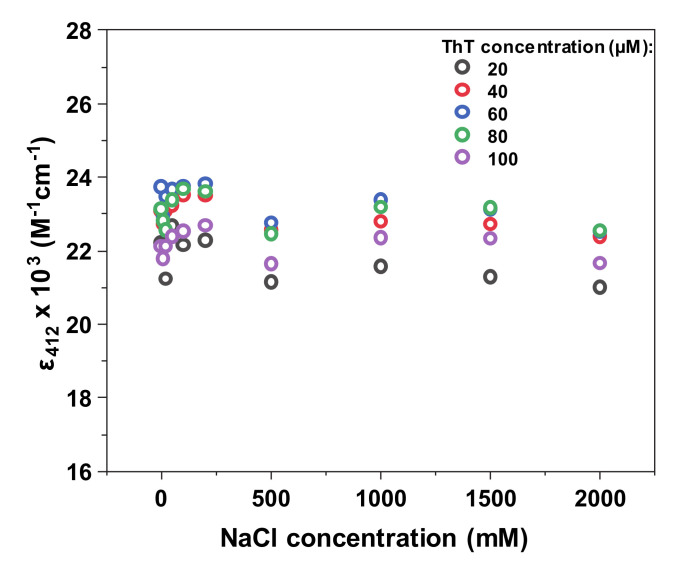
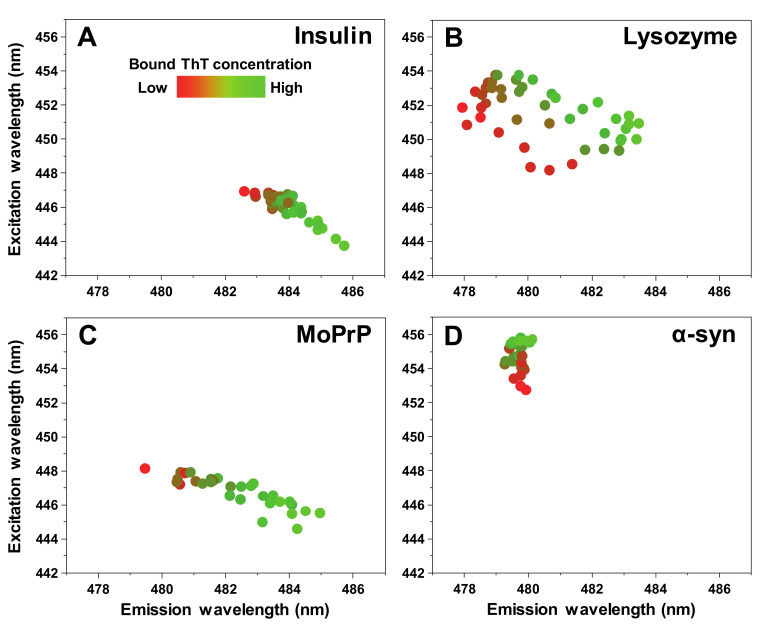
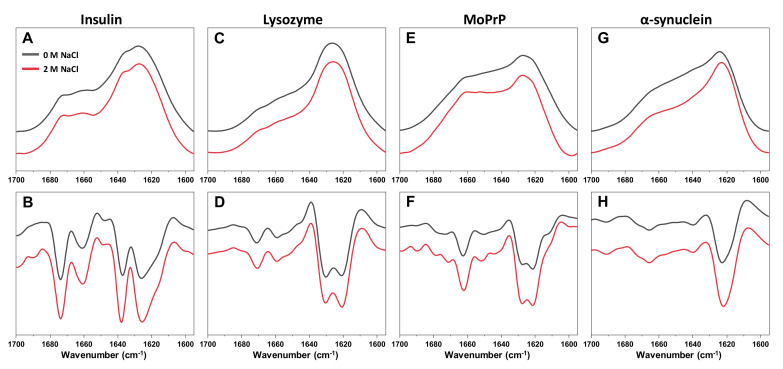
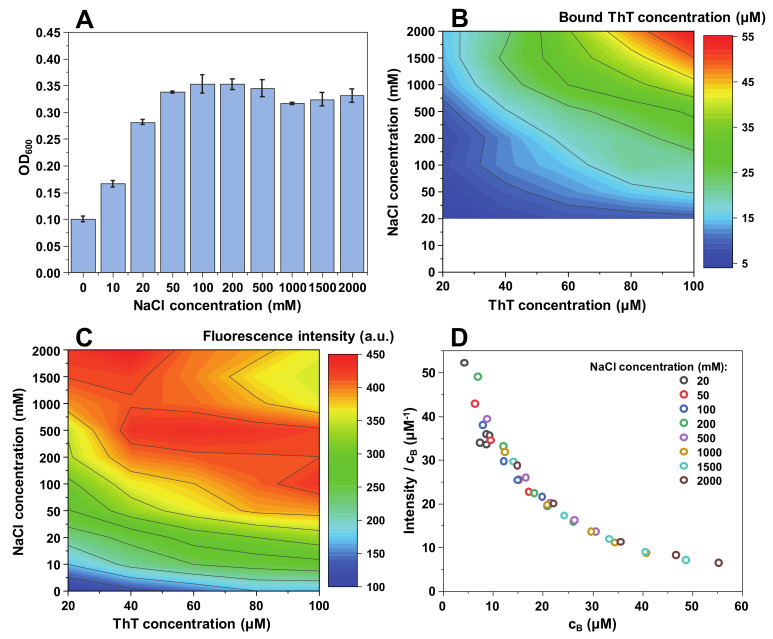
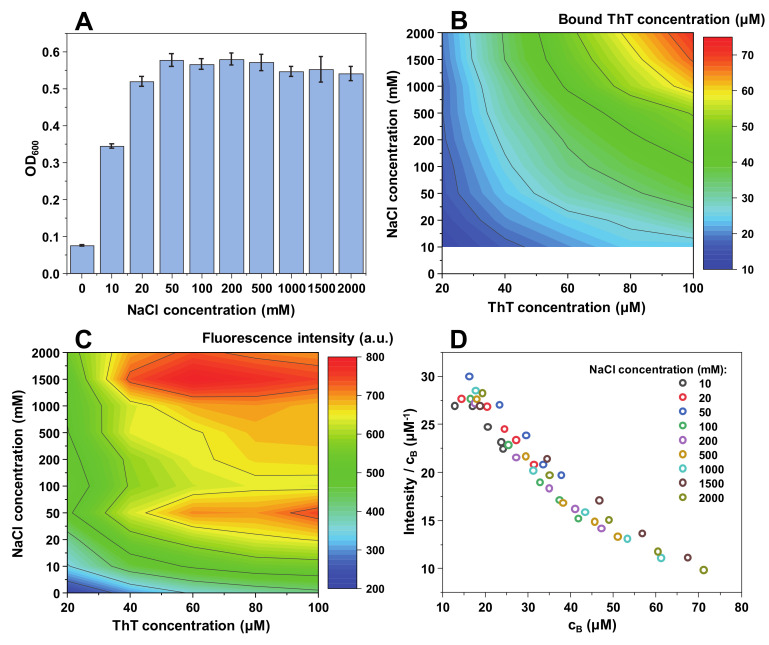
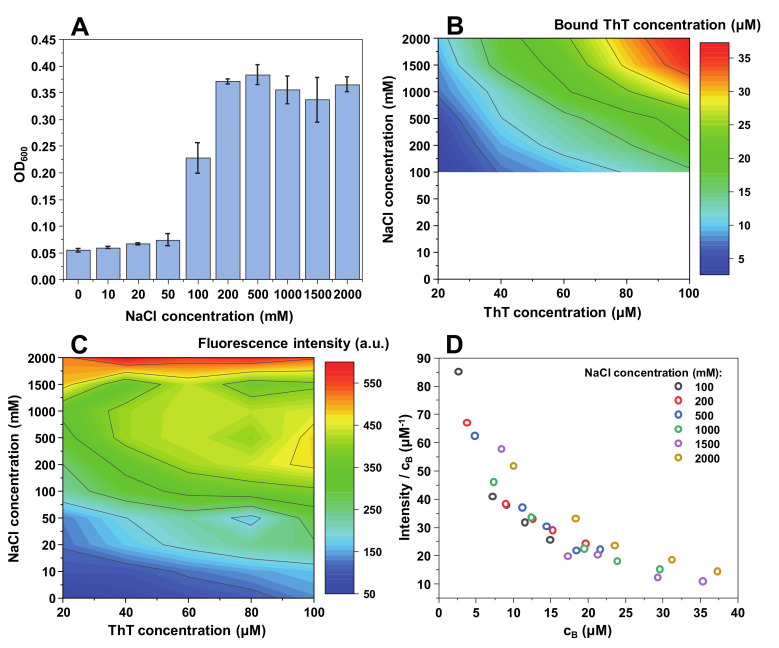
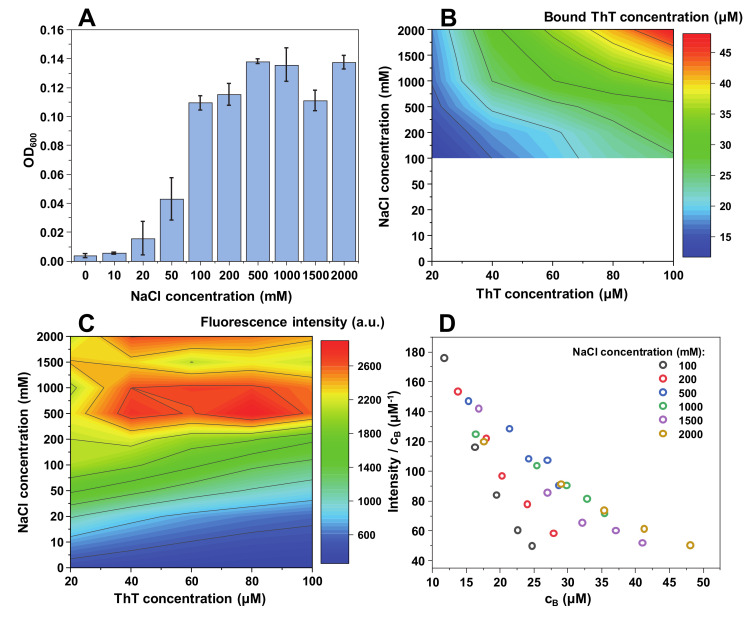
The formation of amyloid fibrils is linked to multiple neurodegenerative disorders, including Alzheimer's and Parkinson's disease. Despite years of research and countless studies on the topic of such aggregate formation, as well as their resulting structure, the current knowledge is still fairly limited. One of the main aspects prohibiting effective aggregation tracking is the environment's effect on amyloid-specific dyes, namely thioflavin-T (ThT). Currently, there are only a few studies hinting at ionic strength being one of the factors that modulate the dye's binding affinity and fluorescence intensity. In this work we explore this effect under a range of ionic strength conditions, using insulin, lysozyme, mouse prion protein, and α-synuclein fibrils. We show that ionic strength is an extremely important factor affecting both the binding affinity, as well as the fluorescence intensity of ThT.
淀粉样纤维的形成与多种神经退行性疾病有关,包括阿尔茨海默病和帕金森病。尽管多年来对这类聚集体形成及其结构进行了大量的研究,但目前的知识仍然相当有限。阻碍有效聚集跟踪的一个主要方面是环境对淀粉样蛋白特异性染料,即硫黄素-T(ThT)的影响。目前,只有少数研究表明离子强度是调节染料结合亲和力和荧光强度的因素之一。在这项工作中,我们在一系列离子强度条件下研究了这种效应,使用胰岛素、溶菌酶、鼠朊病毒蛋白和α-突触核蛋白纤维。我们表明,离子强度是一个极其重要的因素,影响 ThT 的结合亲和力和荧光强度。