Department of Anatomy and Embryology, Ehime University Graduate School of Medicine, Toon, Ehime, Japan.
Department of Otorhinolaryngology, Ehime University Graduate School of Medicine, Toon, Ehime, Japan.
PLoS One. 2020 Dec 1;15(12):e0241315. doi: 10.1371/journal.pone.0241315. eCollection 2020.
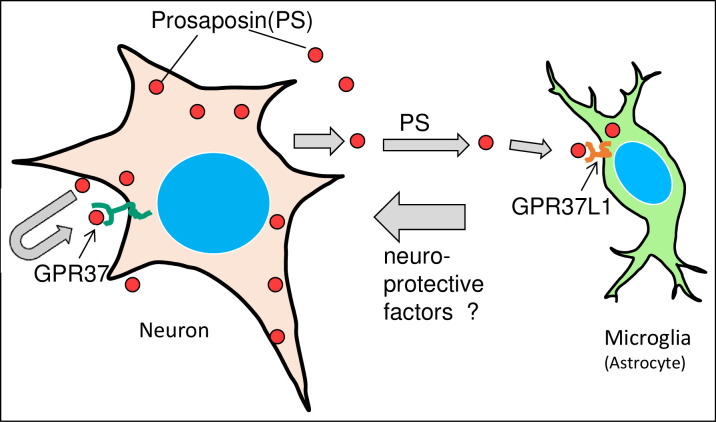
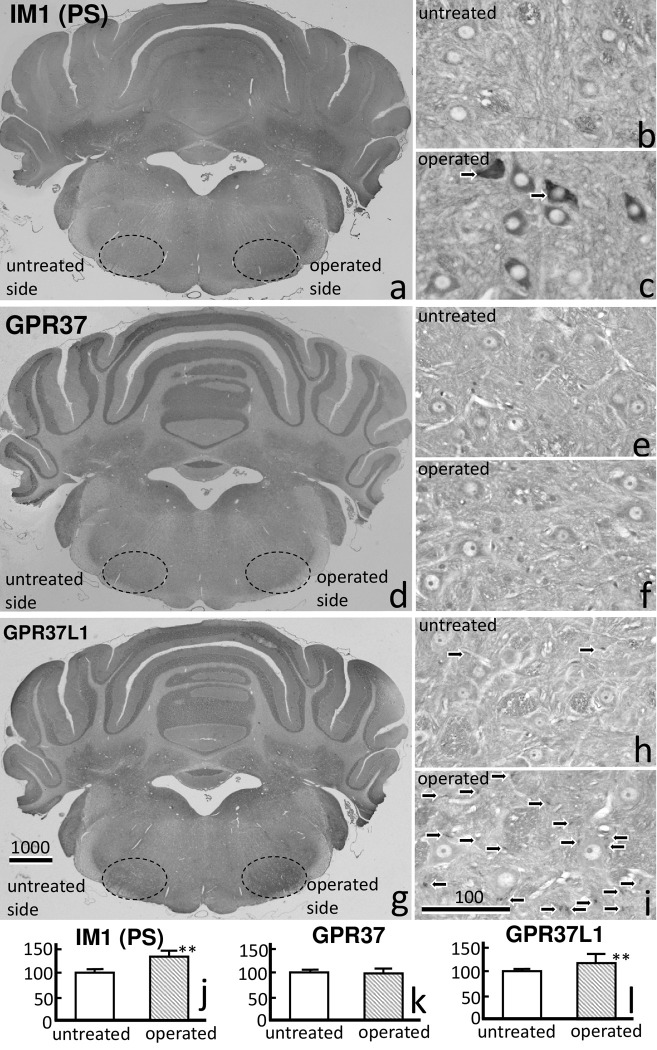
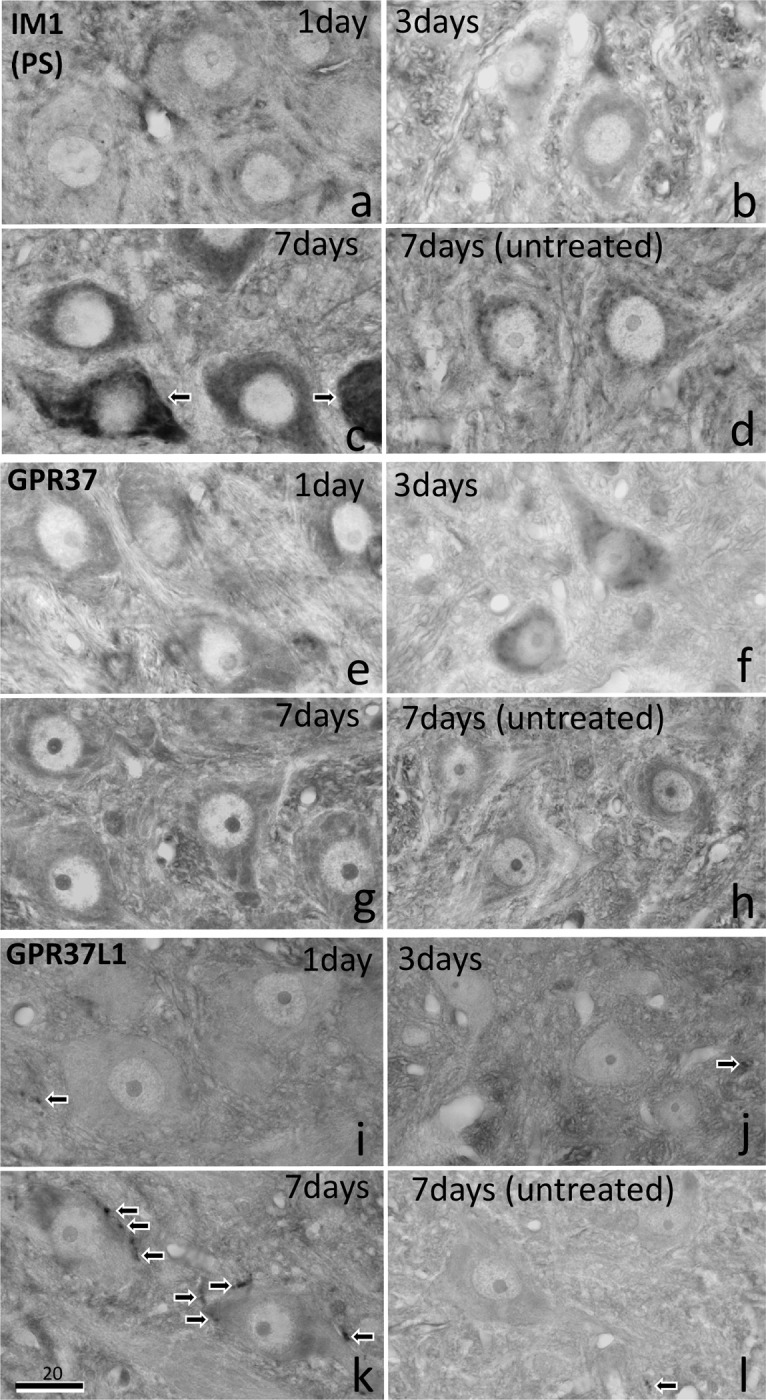
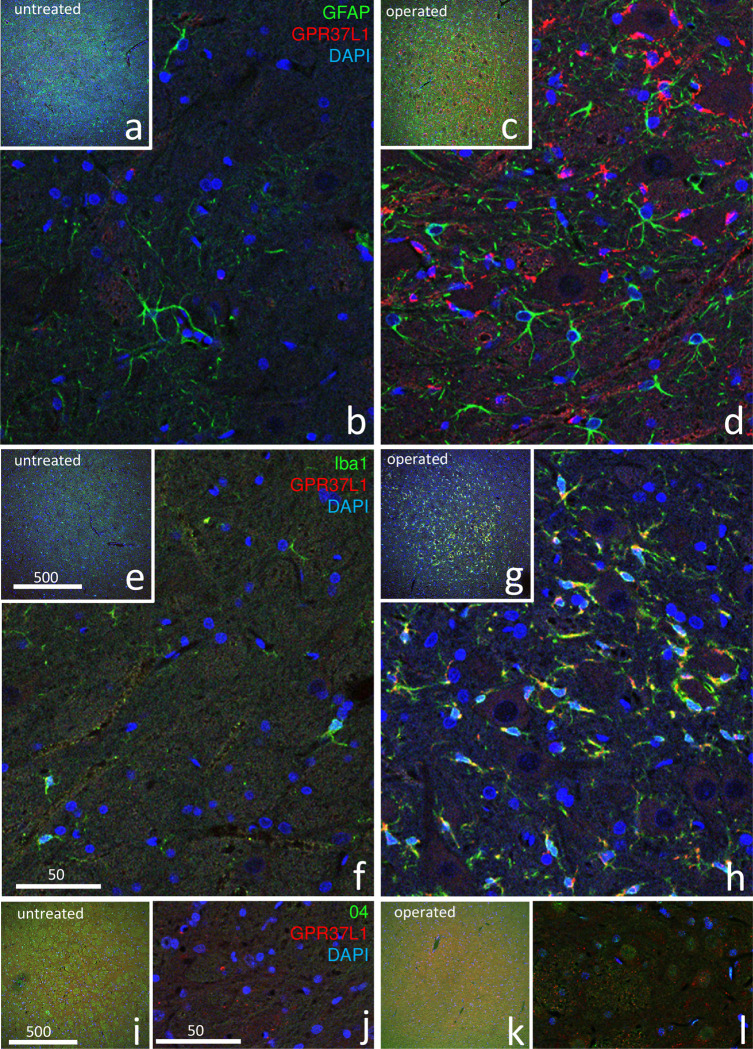
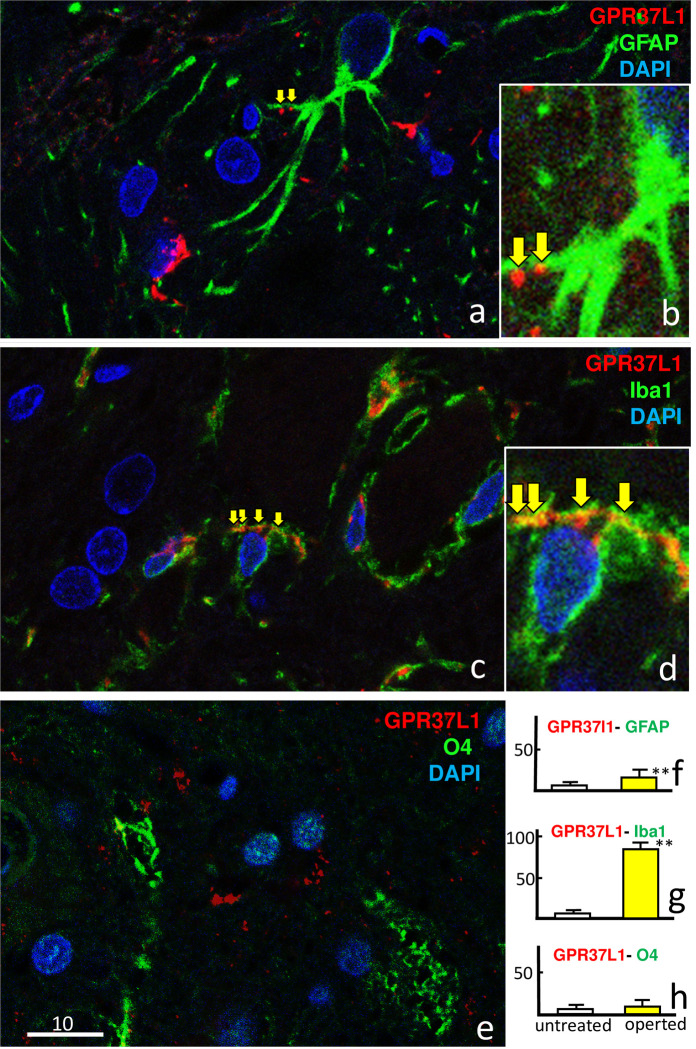
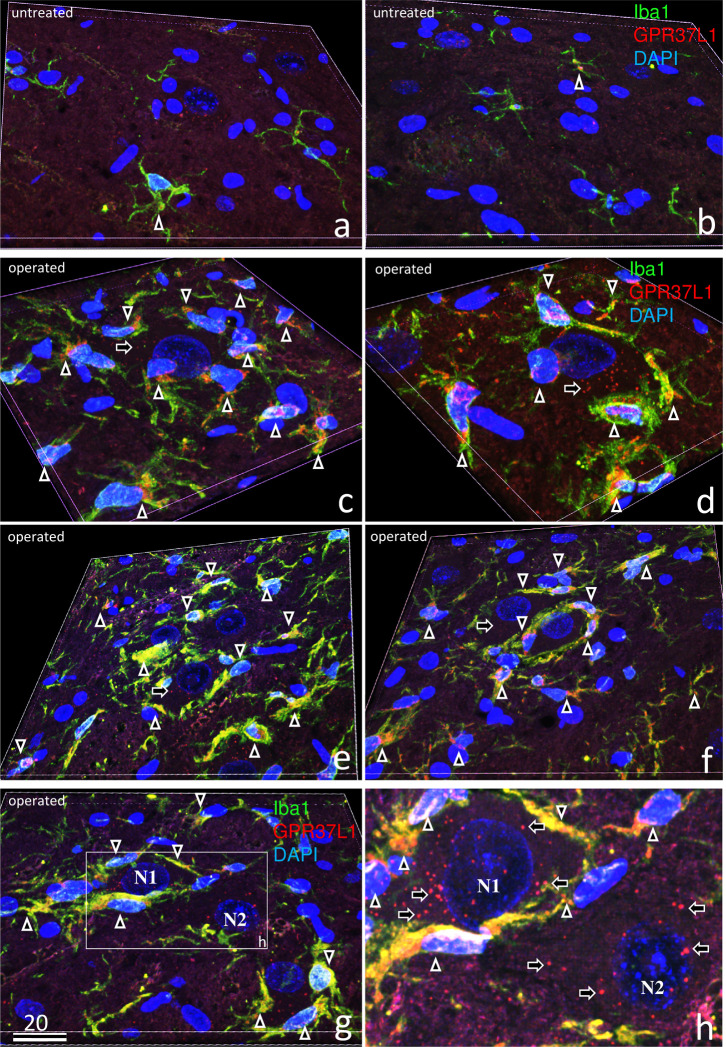
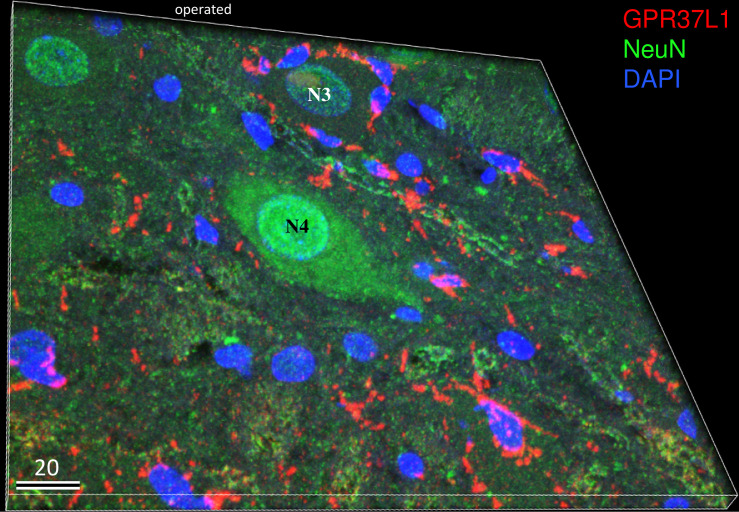
Neurotrophic factor prosaposin (PS) is a precursor for saposins A, B, C, and D, which are activators for specific sphingolipid hydrolases in lysosomes. Both saposins and PS are widely contained in various tissues. The brain, skeletal muscle, and heart cells predominantly contain unprocessed PS rather than saposins. PS and PS-derived peptides stimulate neuritogenesis and increase choline acetyltransferase activity in neuroblastoma cells and prevent programmed cell death in neurons. We previously detected increases in PS immunoactivity and its mRNA in the rat facial nucleus following facial nerve transection. PS mRNA expression increased not only in facial motoneurons, but also in microglia during facial nerve regeneration. In the present study, we examined the changes in immunoreactivity of the PS receptors GPR37 and GPR37L1 in the rat facial nucleus following facial nerve transection. Following facial nerve transection, many small Iba1- and glial fibrillary acidic protein (GFAP)-positive cells with strong GPR37L1 immunoreactivity, including microglia and astrocytes, were observed predominately on the operated side. These results indicate that GPR37 mainly works in neurons, whereas GPR37L1 is predominant in microglia or astrocytes, and suggest that increased PS in damaged neurons stimulates microglia or astrocytes via PS receptor GPR37L1 to produce neurotrophic factors for neuronal recovery.
神经营养因子前蛋白(PS)是脑苷脂激活蛋白(saposin)A、B、C 和 D 的前体,这些蛋白是溶酶体中特定神经鞘脂水解酶的激活剂。saposin 和 PS 广泛存在于各种组织中。脑、骨骼肌和心肌细胞主要含有未加工的 PS,而不是 saposin。PS 和 PS 衍生肽可刺激神经突生成,并增加神经母细胞瘤细胞中的胆碱乙酰转移酶活性,防止神经元程序性死亡。我们之前在面神经切断后大鼠面神经核中检测到 PS 免疫活性及其 mRNA 增加。PS mRNA 表达不仅在面神经运动神经元中增加,而且在面神经再生过程中在小胶质细胞中增加。在本研究中,我们研究了面神经切断后大鼠面神经核中 PS 受体 GPR37 和 GPR37L1 免疫反应性的变化。面神经切断后,在手术侧观察到许多具有强烈 GPR37L1 免疫反应性的小 Iba1 和胶质纤维酸性蛋白(GFAP)阳性细胞,包括小胶质细胞和星形胶质细胞。这些结果表明 GPR37 主要作用于神经元,而 GPR37L1 在小胶质细胞或星形胶质细胞中占优势,并提示受损神经元中增加的 PS 通过 PS 受体 GPR37L1 刺激小胶质细胞或星形胶质细胞产生神经营养因子,促进神经元恢复。