Nabeka Hiroaki, Shimokawa Tetsuya, Doihara Takuya, Saito Shouichiro, Wakisaka Hiroyuki, Hamada Fumihiko, Kobayashi Naoto, Matsuda Seiji
Department of Anatomy and Embryology, Ehime University Graduate School of Medicine, Toon, Ehime, Japan.
Laboratory of Veterinary Anatomy, Faculty of Applied Biological Sciences, Gifu University, Yanagido, Gifu, Japan.
PLoS One. 2015 May 18;10(5):e0126856. doi: 10.1371/journal.pone.0126856. eCollection 2015.
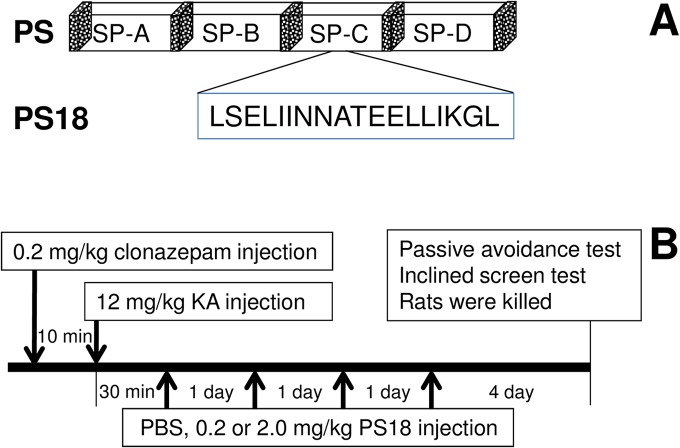
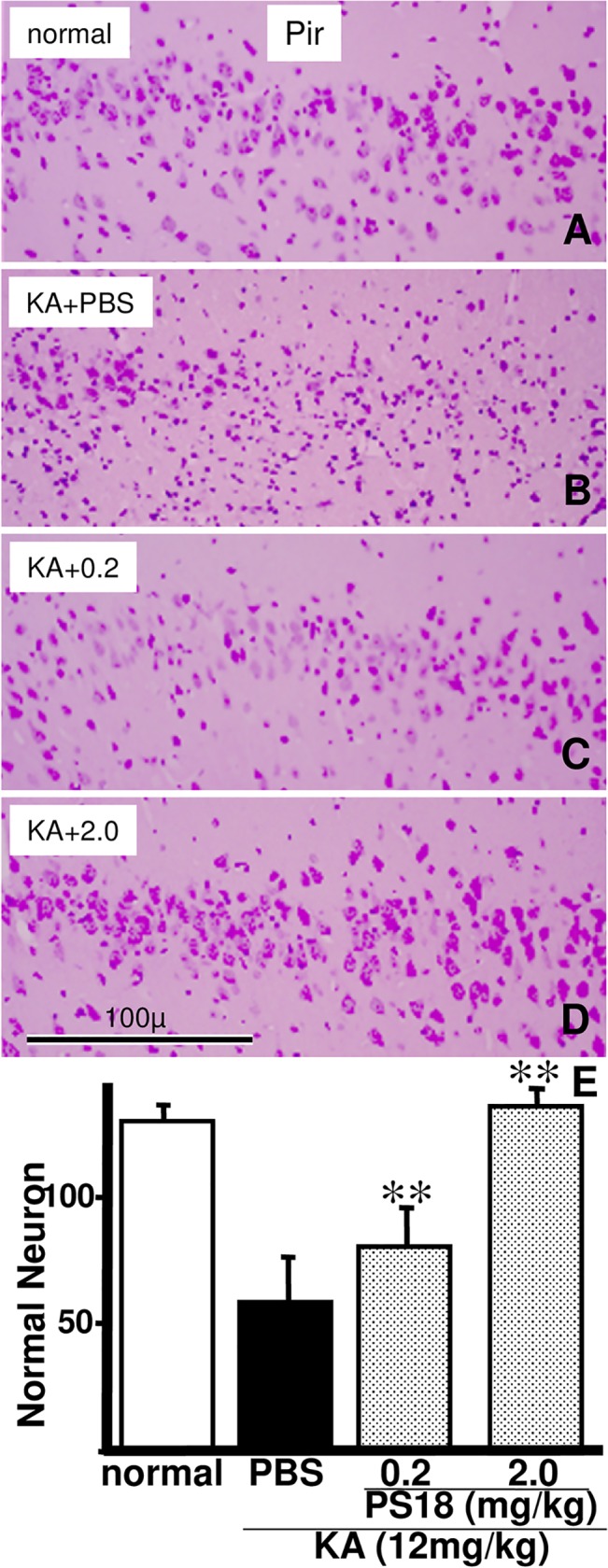
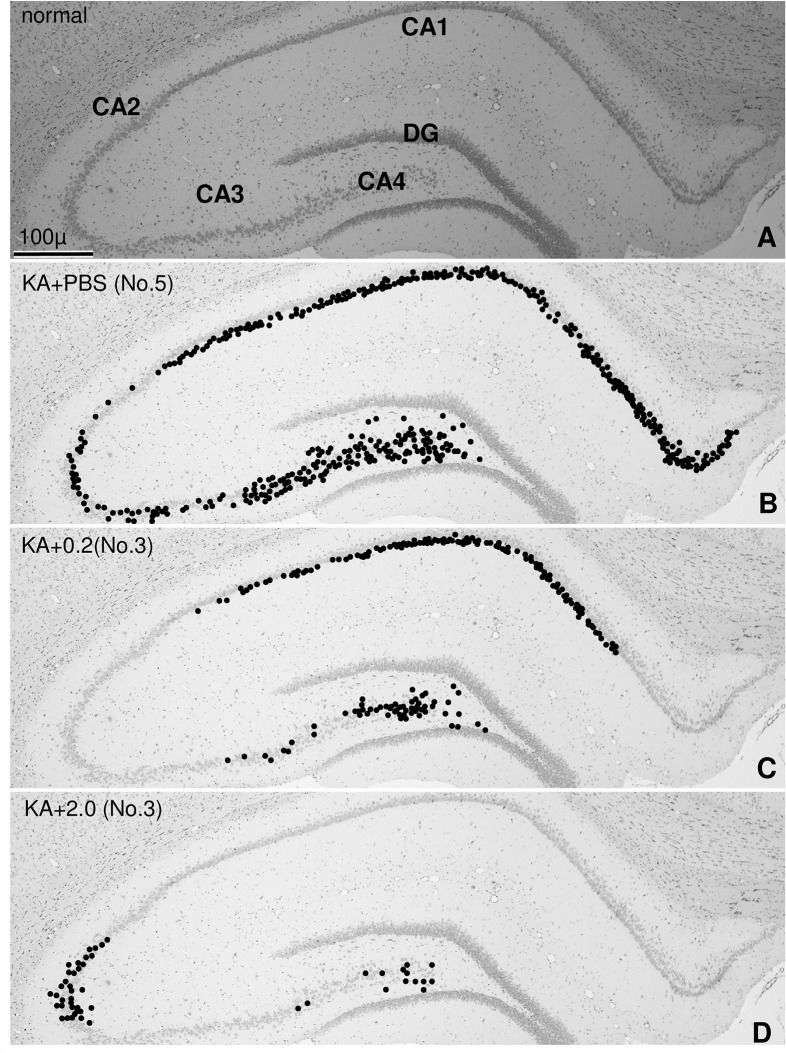
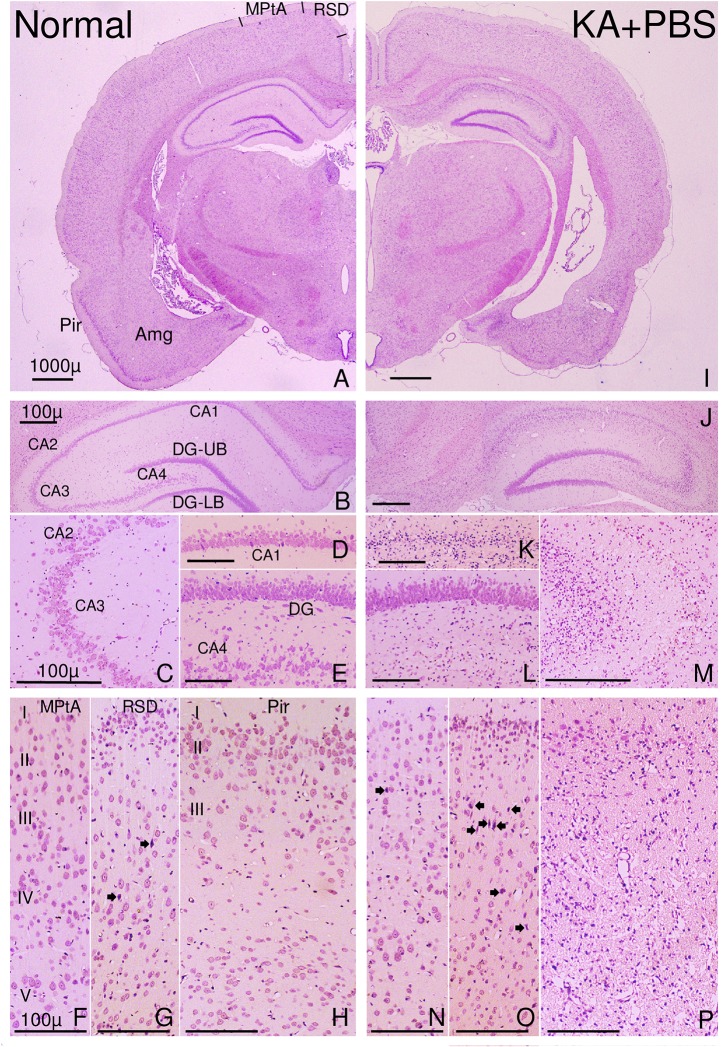
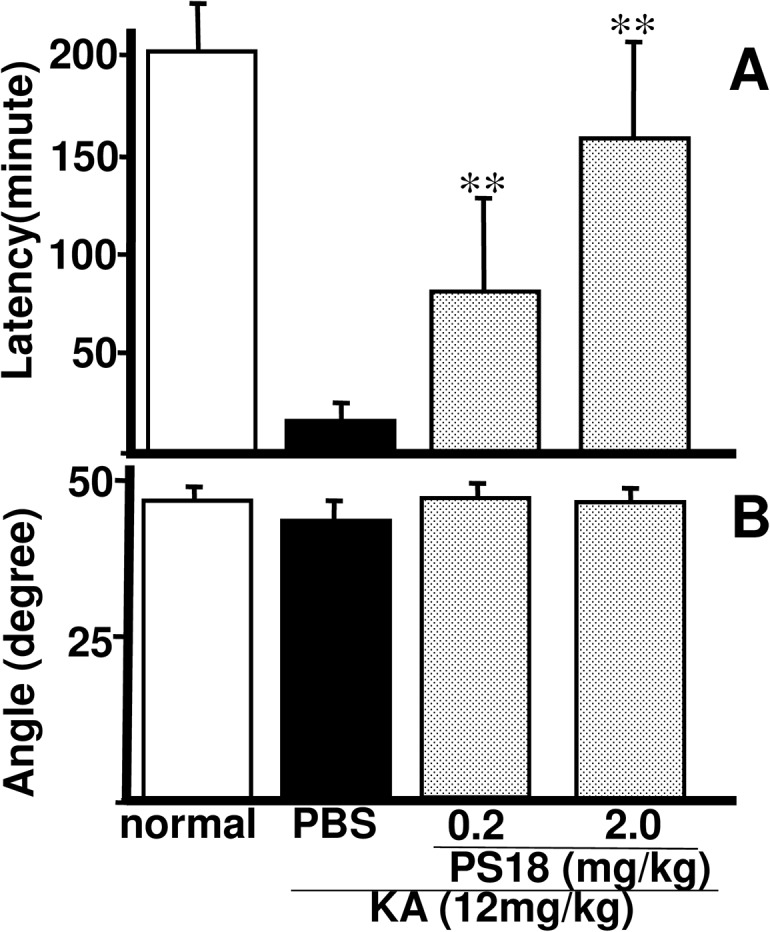
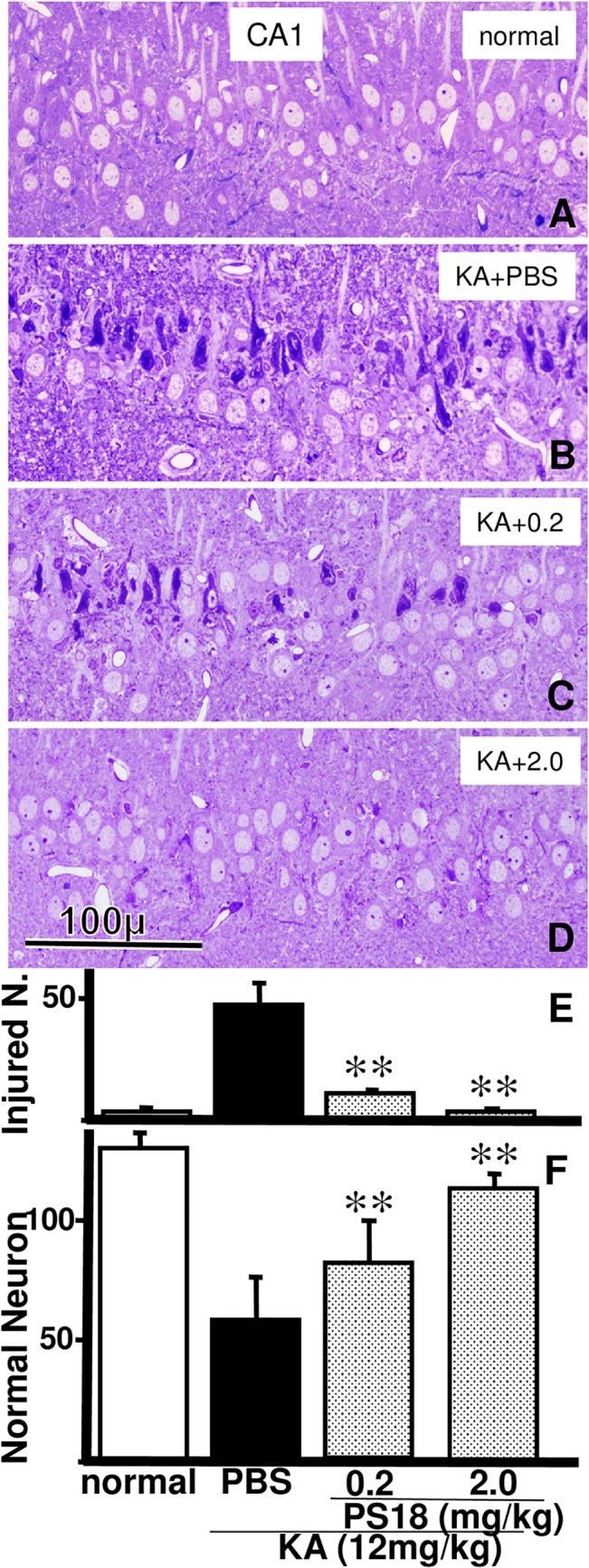
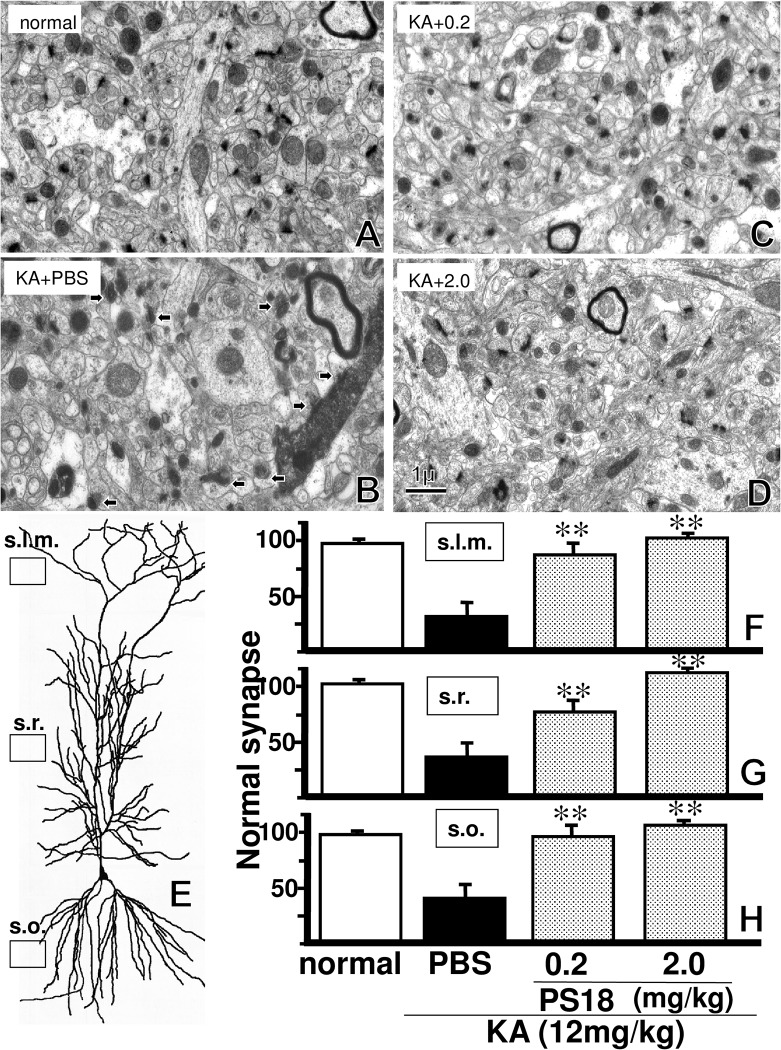
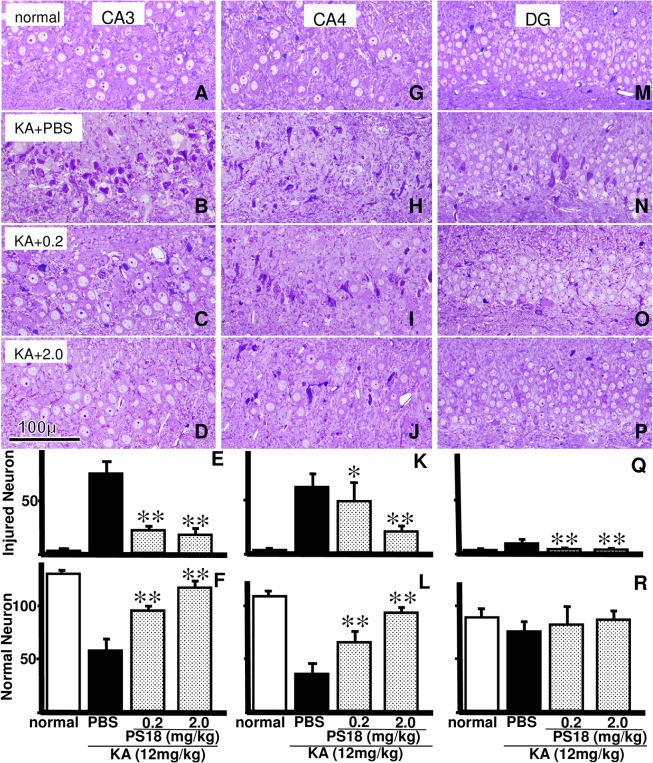
Four sphingolipid activator proteins (i.e., saposins A-D) are synthesized from a single precursor protein, prosaposin (PS), which exerts exogenous neurotrophic effects in vivo and in vitro. Kainic acid (KA) injection in rodents is a good model in which to study neurotrophic factor elevation; PS and its mRNA are increased in neurons and the choroid plexus in this animal model. An 18-mer peptide (LSELIINNATEELLIKGL; PS18) derived from the PS neurotrophic region prevents neuronal damage after ischemia, and PS18 is a potent candidate molecule for use in alleviating ischemia-induced learning disabilities and neuronal loss. KA is a glutamate analog that stimulates excitatory neurotransmitter release and induces ischemia-like neuronal degeneration; it has been used to define mechanisms involved in neurodegeneration and neuroprotection. In the present study, we demonstrate that a subcutaneous injection of 0.2 and 2.0 mg/kg PS18 significantly improved behavioral deficits of Wistar rats (n = 6 per group), and enhanced the survival of hippocampal and cortical neurons against neurotoxicity induced by 12 mg/kg KA compared with control animals. PS18 significantly protected hippocampal synapses against KA-induced destruction. To evaluate the extent of PS18- and KA-induced effects in these hippocampal regions, we performed histological evaluations using semithin sections stained with toluidine blue, as well as ordinal sections stained with hematoxylin and eosin. We revealed a distinctive feature of KA-induced brain injury, which reportedly mimics ischemia, but affects a much wider area than ischemia-induced injury: KA induced neuronal degeneration not only in the CA1 region, where neurons degenerate following ischemia, but also in the CA2, CA3, and CA4 hippocampal regions.
四种鞘脂激活蛋白(即鞘脂激活蛋白A-D)由单一前体蛋白——前鞘脂激活蛋白(PS)合成,PS在体内和体外均具有外源性神经营养作用。在啮齿动物中注射 kainic acid(KA)是研究神经营养因子升高的良好模型;在该动物模型中,PS及其mRNA在神经元和脉络丛中增加。源自PS神经营养区域的18肽(LSELIINNATEELLIKGL;PS18)可预防缺血后的神经元损伤,PS18是缓解缺血性学习障碍和神经元丢失的有力候选分子。KA是一种谷氨酸类似物,可刺激兴奋性神经递质释放并诱导缺血样神经元变性;它已被用于确定神经变性和神经保护所涉及的机制。在本研究中,我们证明皮下注射0.2和2.0 mg/kg的PS18可显著改善Wistar大鼠(每组n = 6)的行为缺陷,并与对照动物相比,增强海马和皮质神经元对12 mg/kg KA诱导的神经毒性的存活率。PS18显著保护海马突触免受KA诱导的破坏。为了评估PS18和KA在这些海马区域诱导的作用程度,我们使用甲苯胺蓝染色的半薄切片以及苏木精和伊红染色的常规切片进行了组织学评估。我们揭示了KA诱导的脑损伤的一个独特特征,据报道该特征模仿缺血,但影响的区域比缺血性损伤更广泛:KA不仅在缺血后神经元变性的CA1区域诱导神经元变性,还在CA2、CA3和CA4海马区域诱导神经元变性。