Rojek Izabela, Mikołajewski Dariusz, Dostatni Ewa, Macko Marek
Institute of Computer Science, Kazimierz Wielki University in Bydgoszcz, 85-064 Bydgoszcz, Poland.
Faculty of Mechanical Engineering, Poznan University of Technology, 60-965 Poznan, Poland.
Materials (Basel). 2020 Nov 29;13(23):5437. doi: 10.3390/ma13235437.
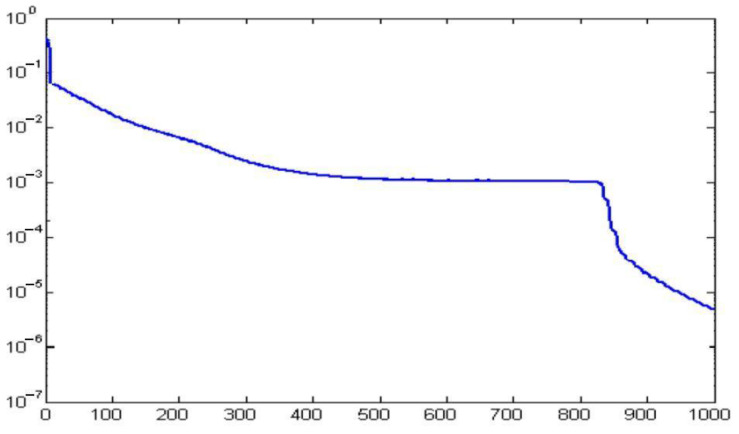
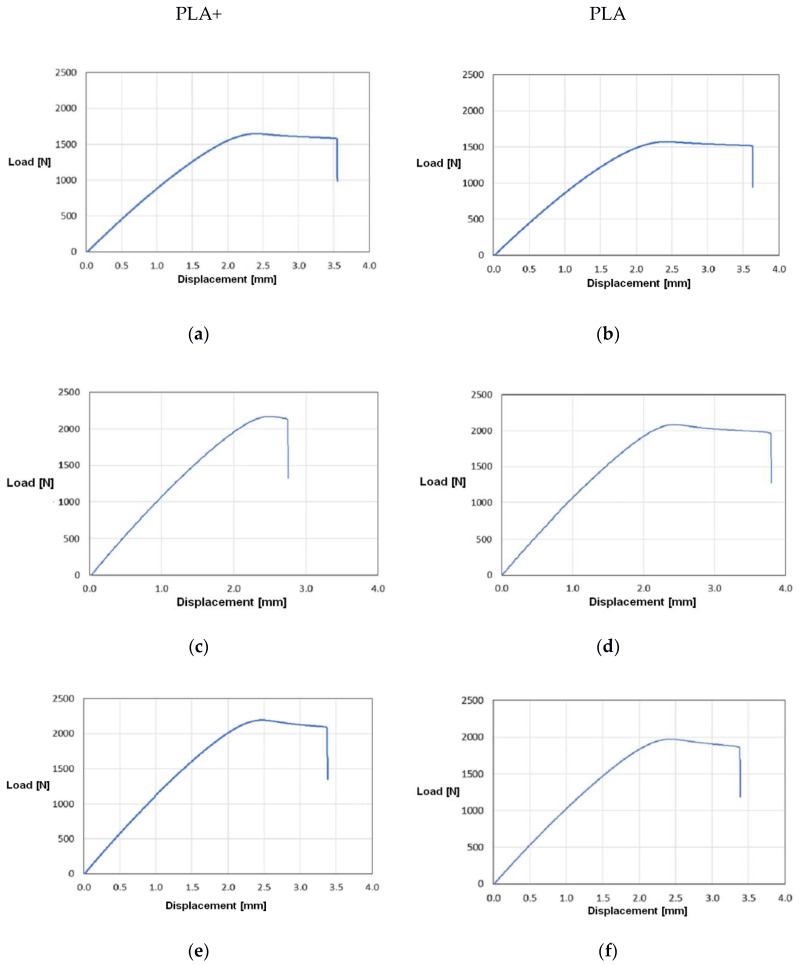
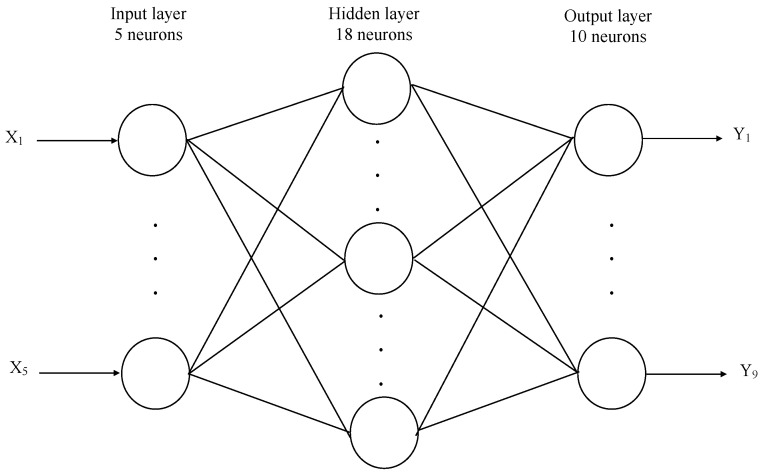
While the intensity, complexity, and specificity of robotic exercise may be supported by patient-tailored three-dimensional (3D)-printed solutions, their performance can still be compromised by non-optimal combinations of technological parameters and material features. The main focus of this paper was the computational optimization of the 3D-printing process in terms of features and material selection in order to achieve the maximum tensile force of a hand exoskeleton component, based on artificial neural network (ANN) optimization supported by genetic algorithms (GA). The creation and 3D-printing of the selected component was achieved using Cura 0.1.5 software and 3D-printed using fused filament fabrication (FFF) technology. To optimize the material and process parameters we compared ten selected parameters of the two distinct printing materials (polylactic acid (PLA), PLA+) using ANN supported by GA built and trained in the MATLAB environment. To determine the maximum tensile force of the exoskeleton, samples were tested using an INSTRON 5966 universal testing machine. While the balance between the technical requirements and user safety constraints requires further analysis, the PLA-based 3D-printing parameters have been optimized. Additive manufacturing may support the successful printing of usable/functional exoskeleton components. The network indicated which material should be selected: Namely PLA+. AI-based optimization may play a key role in increasing the performance and safety of the final product and supporting constraint satisfaction in patient-tailored solutions.
虽然机器人锻炼的强度、复杂性和特异性可能由患者定制的三维(3D)打印解决方案来支持,但其性能仍可能因技术参数和材料特性的非最佳组合而受到影响。本文的主要重点是基于遗传算法(GA)支持的人工神经网络(ANN)优化,在特征和材料选择方面对3D打印过程进行计算优化,以实现手部外骨骼组件的最大拉伸力。所选组件的创建和3D打印使用Cura 0.1.5软件完成,并采用熔融沉积成型(FFF)技术进行3D打印。为了优化材料和工艺参数,我们使用在MATLAB环境中构建和训练的由GA支持的ANN,比较了两种不同打印材料(聚乳酸(PLA)、PLA +)的十个选定参数。为了确定外骨骼的最大拉伸力,使用INSTRON 5966万能试验机对样品进行测试。虽然技术要求和用户安全约束之间的平衡需要进一步分析,但基于PLA的3D打印参数已得到优化。增材制造可能有助于成功打印出可用的/功能性外骨骼组件。该网络指出了应选择的材料:即PLA +。基于人工智能的优化可能在提高最终产品的性能和安全性以及支持患者定制解决方案中的约束满足方面发挥关键作用。