Gustave Roussy Cancer Campus (GRCC), Villejuif, France.
Institut National de la Santé Et de la Recherche Médicale (INSERM) U1015, Equipe Labellisée-Ligue Nationale contre le Cancer, Villejuif, France.
Cell Death Differ. 2021 May;28(5):1532-1547. doi: 10.1038/s41418-020-00684-w. Epub 2020 Dec 1.
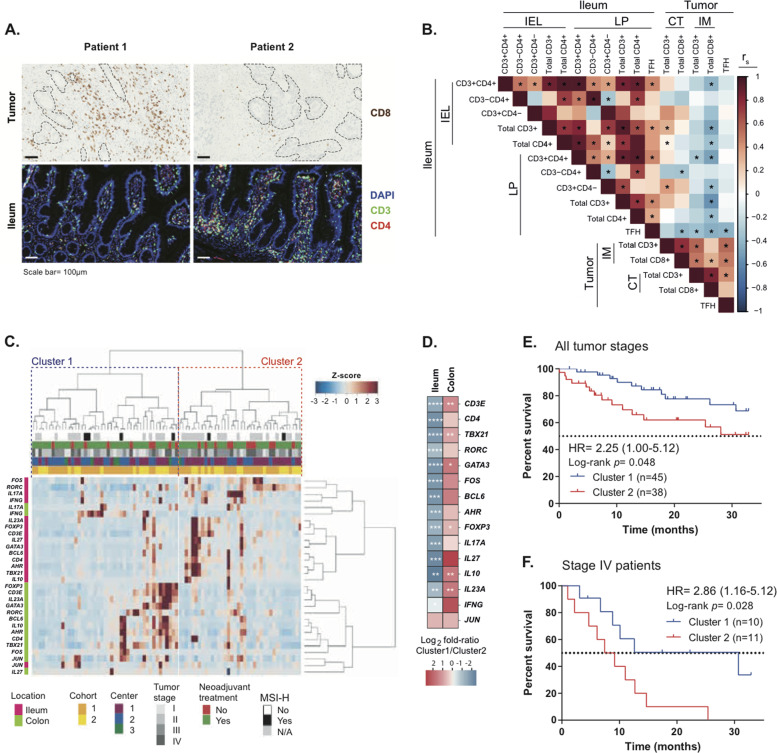
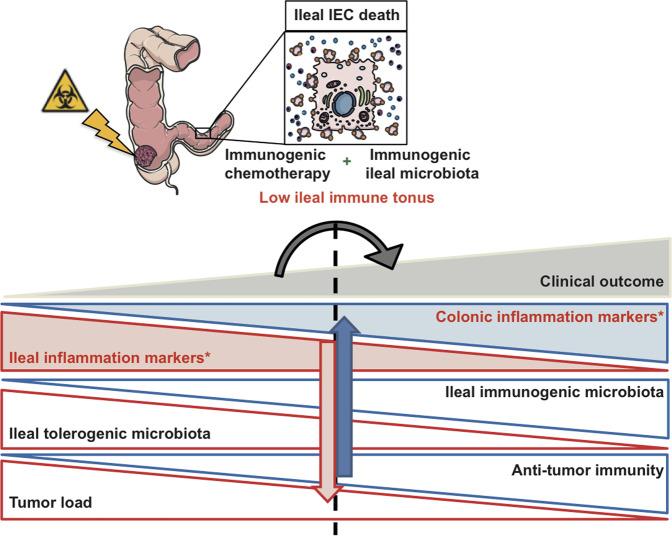
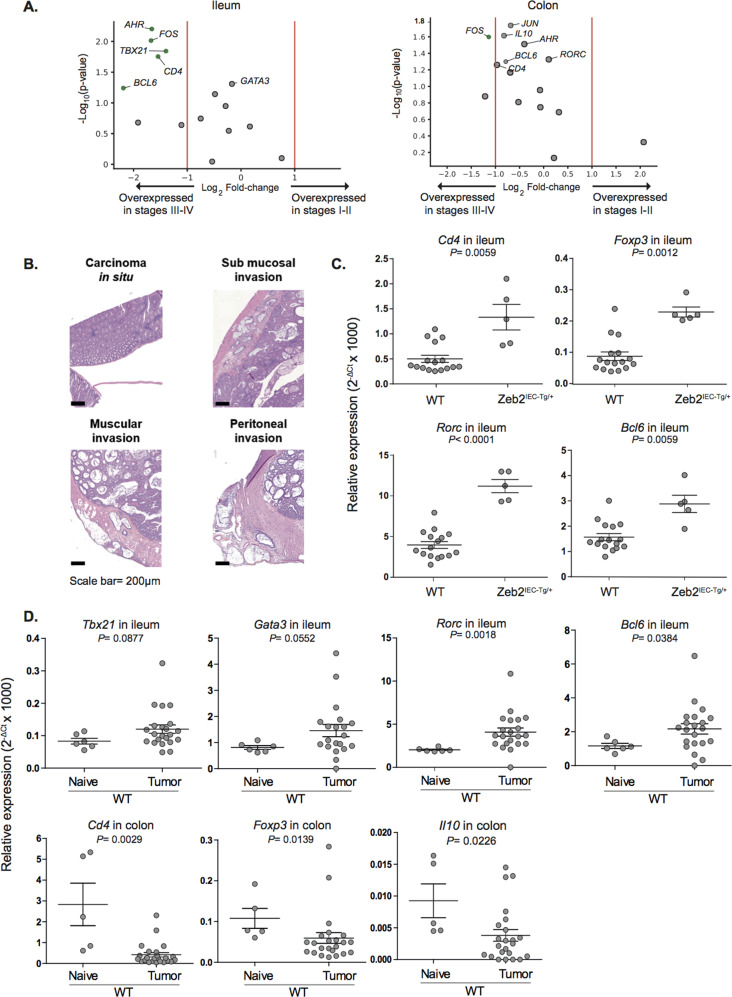
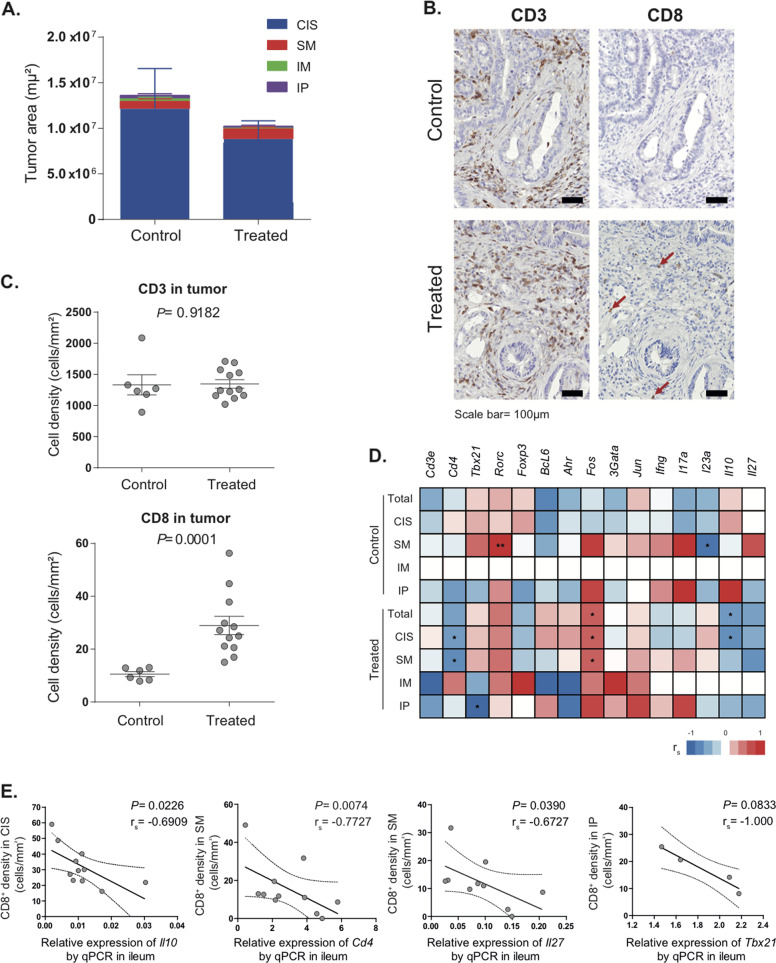
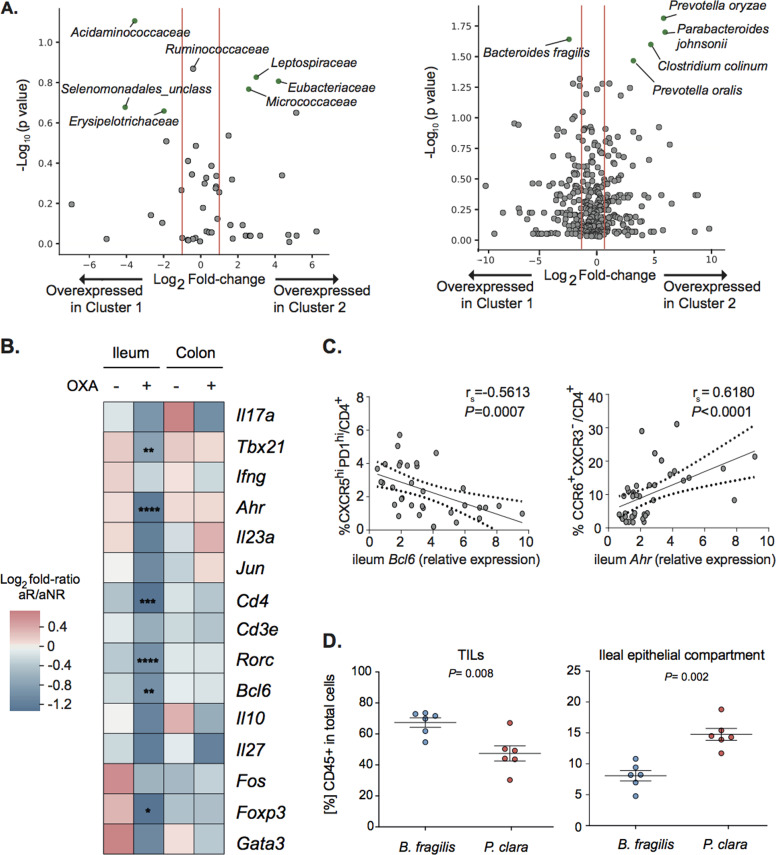
Ileal epithelial cell apoptosis and the local microbiota modulate the effects of oxaliplatin against proximal colon cancer by modulating tumor immunosurveillance. Here, we identified an ileal immune profile associated with the prognosis of colon cancer and responses to chemotherapy. The whole immune ileal transcriptome was upregulated in poor-prognosis patients with proximal colon cancer, while the colonic immunity of healthy and neoplastic areas was downregulated (except for the Th17 fingerprint) in such patients. Similar observations were made across experimental models of implanted and spontaneous murine colon cancer, showing a relationship between carcinogenesis and ileal inflammation. Conversely, oxaliplatin-based chemotherapy could restore a favorable, attenuated ileal immune fingerprint in responders. These results suggest that chemotherapy inversely shapes the immune profile of the ileum-tumor axis, influencing clinical outcome.
回肠上皮细胞凋亡和局部微生物群通过调节肿瘤免疫监视来调节奥沙利铂对近端结肠癌的作用。在这里,我们确定了与结肠癌预后和化疗反应相关的回肠免疫特征。近端结肠癌预后不良患者的整个回肠免疫转录组上调,而此类患者的健康和肿瘤区域的结肠免疫下调(除了 Th17 特征指纹外)。在植入和自发的小鼠结肠癌实验模型中也观察到了类似的观察结果,表明癌变与回肠炎之间存在关系。相反,奥沙利铂为基础的化疗可以在应答者中恢复有利的、减弱的回肠免疫特征指纹。这些结果表明,化疗会改变回肠-肿瘤轴的免疫特征,影响临床结果。