Department of Nephrology, University Hospital Erlangen, 91054 Erlangen, Germany.
Department of Surgery, University Hospital Erlangen, 91054 Erlangen, Germany.
Int J Mol Sci. 2023 Feb 7;24(4):3265. doi: 10.3390/ijms24043265.
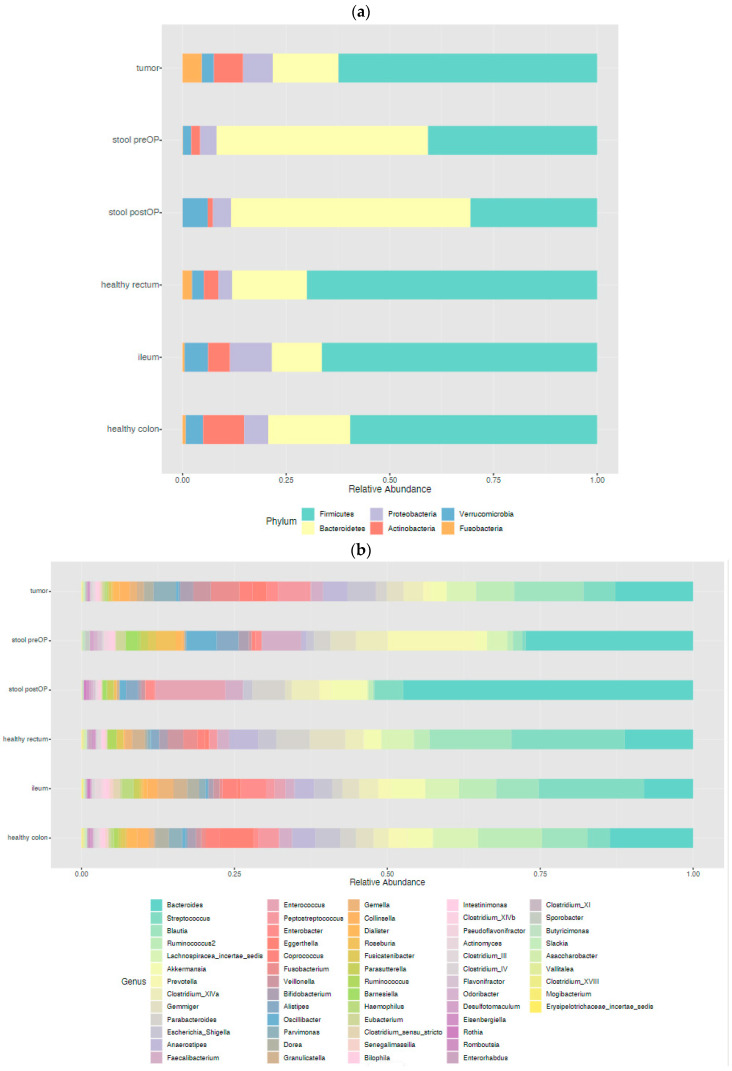
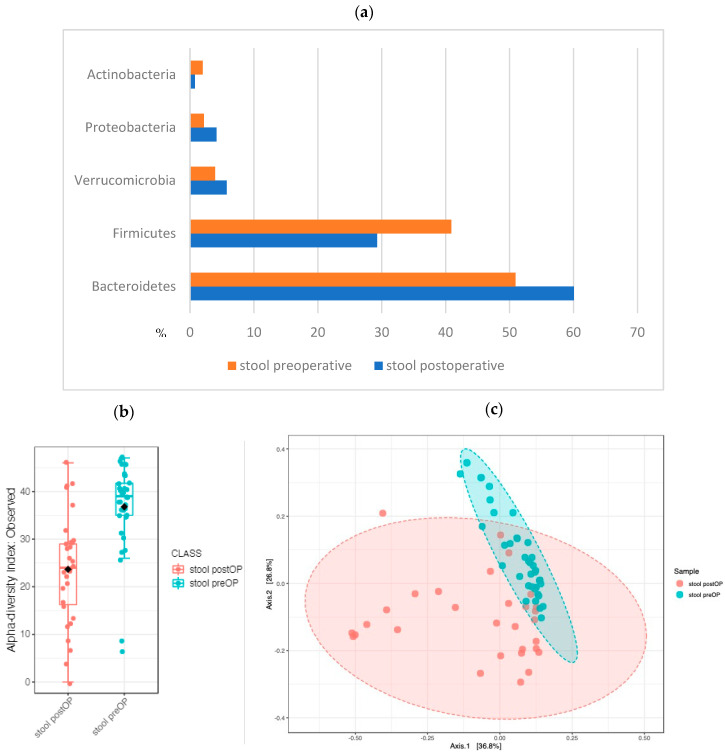
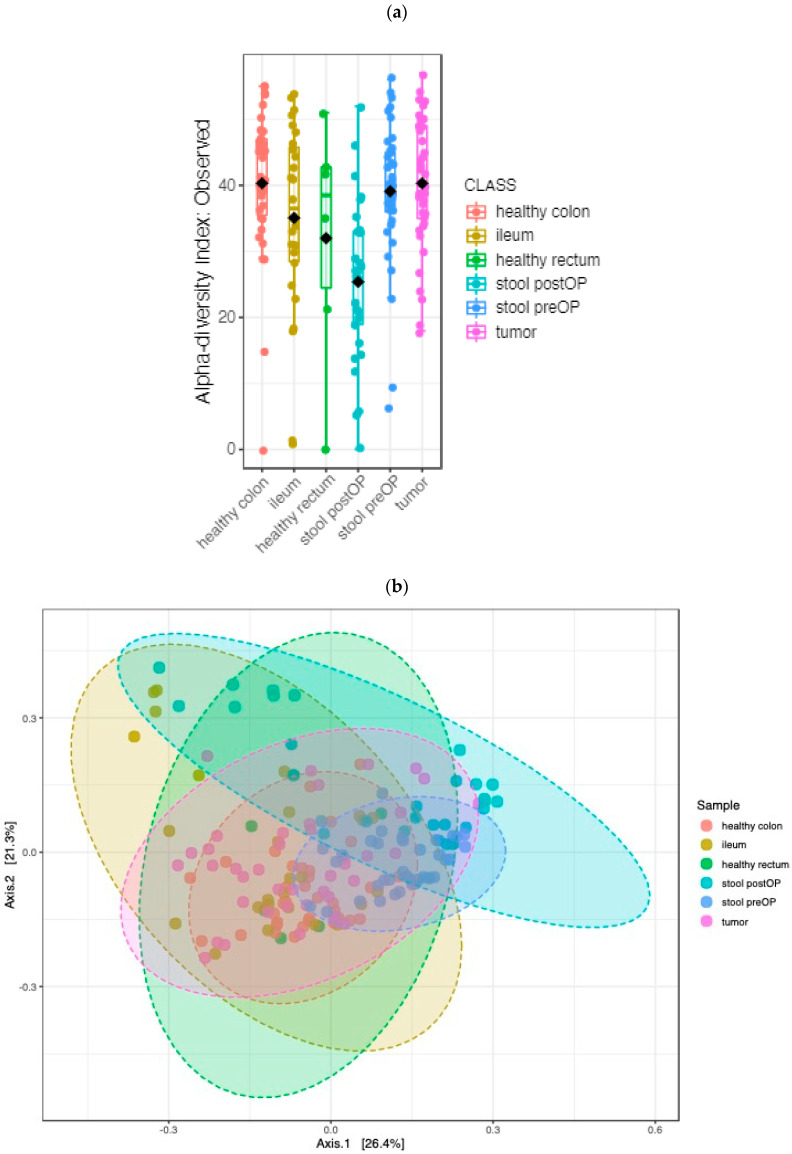
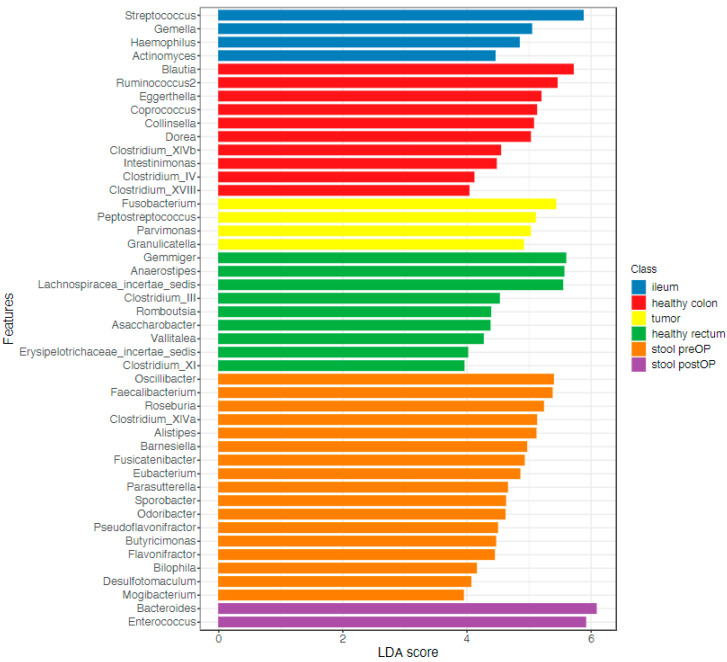
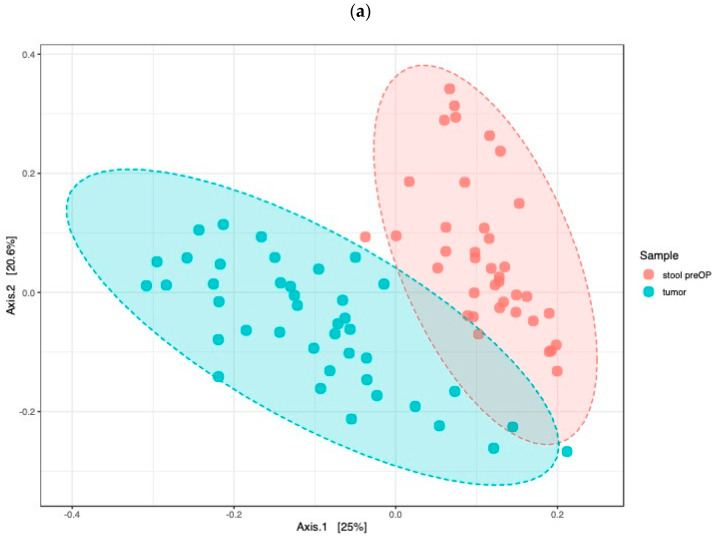
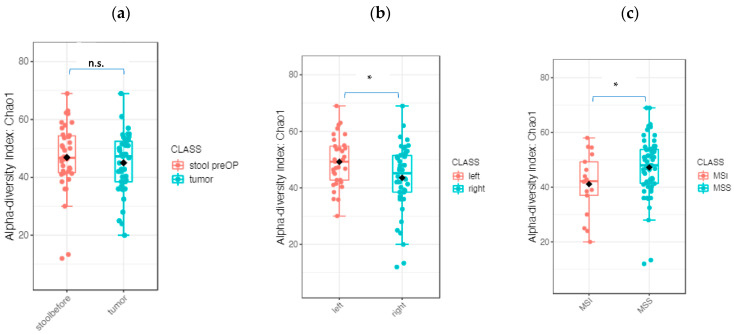
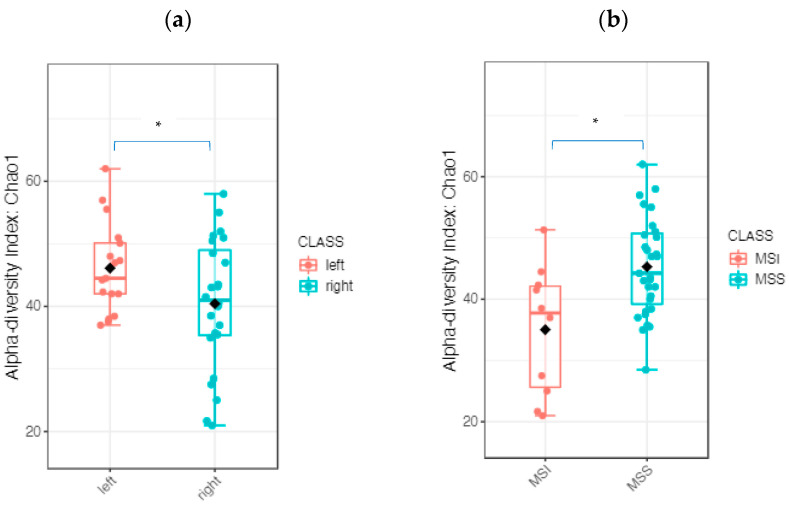
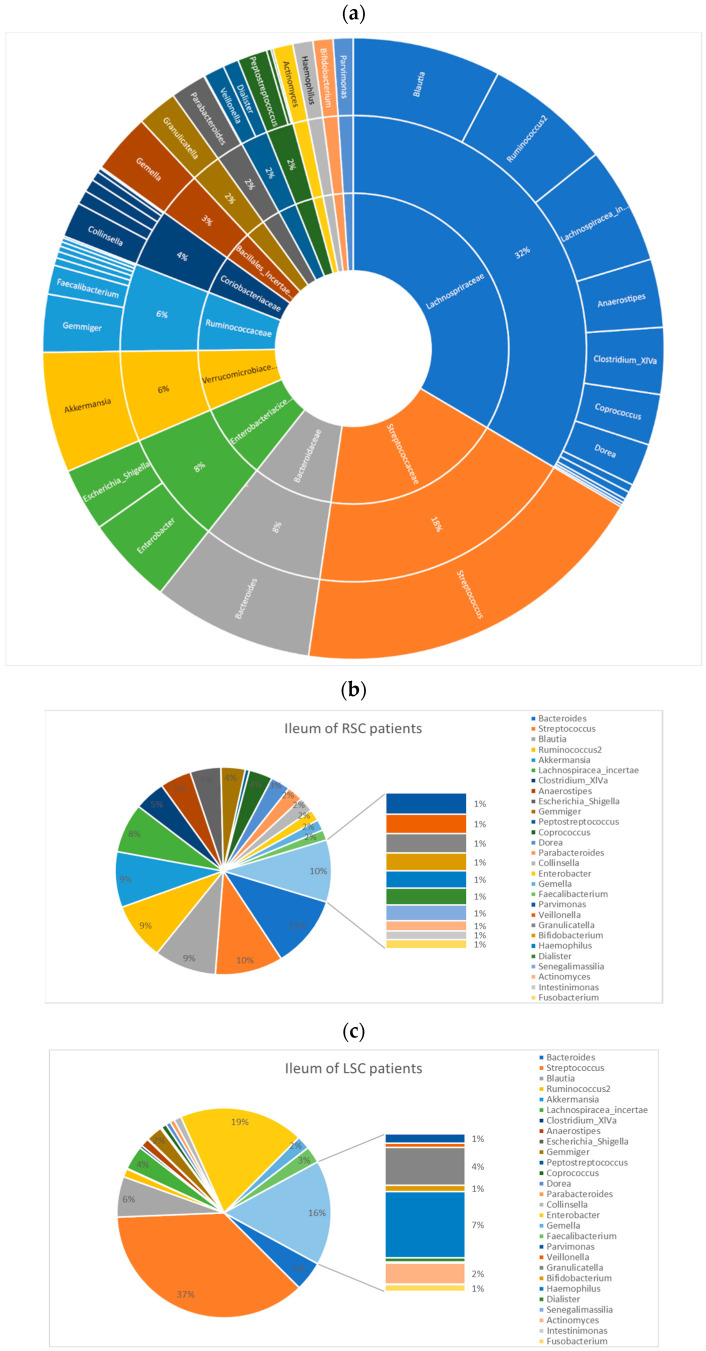
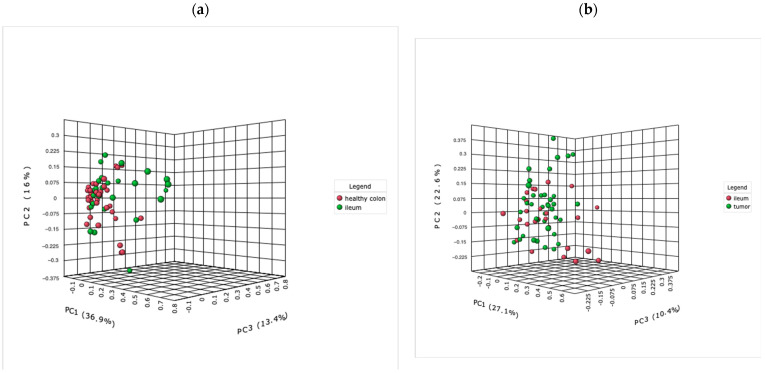
In the current era of precision oncology, it is widely acknowledged that CRC is a heterogeneous disease entity. Tumor location (right- or left-sided colon cancer or rectal cancer) is a crucial factor in determining disease progression as well as prognosis and influences disease management. In the last decade, numerous works have reported that the microbiome is an important element of CRC carcinogenesis, progression and therapy response. Owing to the heterogeneous nature of microbiomes, the findings of these studies were inconsistent. The majority of the studies combined colon cancer (CC) and rectal cancer (RC) samples as CRC for analysis. Furthermore, the small intestine, as the major site for immune surveillance in the gut, is understudied compared to the colon. Thus, the CRC heterogeneity puzzle is far from being solved, and more research is necessary for prospective trials that separately investigate CC and RC. Our prospective study aimed to map the colon cancer landscape using 16S rRNA amplicon sequencing in biopsy samples from the terminal ileum, healthy colon tissue, healthy rectal tissue and tumor tissue as well as in preoperative and postoperative stool samples of 41 patients. While fecal samples provide a good approximation of the average gut microbiome composition, mucosal biopsies allow for detecting subtle variations in local microbial communities. In particular, the small bowel microbiome has remained poorly characterized, mainly because of sampling difficulties. Our analysis revealed the following: (i) right- and left-sided colon cancers harbor distinct and diverse microbiomes, (ii) the tumor microbiome leads to a more consistent cancer-defined microbiome between locations and reveals a tumor microbiome-ileal microbiome association, (iii) the stool only partly reflects the microbiome landscape in patients with CC, and (iv) mechanical bowel preparation and perioperative antibiotics together with surgery result in major changes in the stool microbiome, characterized by a significant increase in the abundance of potentially pathogenic bacteria, such as . Collectively, our results provide new and valuable insights into the complex microbiome landscape in patients with colon cancer.
在精准肿瘤学的时代,人们普遍认为 CRC 是一种异质性疾病。肿瘤位置(右半结肠癌或左半结肠癌或直肠癌)是决定疾病进展、预后和影响疾病管理的关键因素。在过去的十年中,大量研究报告称,微生物组是 CRC 发生、发展和治疗反应的重要因素。由于微生物组的异质性,这些研究的结果并不一致。大多数研究将结肠癌(CC)和直肠癌(RC)样本合并为 CRC 进行分析。此外,与结肠相比,小肠作为肠道中主要的免疫监测部位,研究较少。因此,CRC 异质性的谜题还远未解决,需要更多的研究来进行前瞻性试验,分别对 CC 和 RC 进行研究。我们的前瞻性研究旨在使用 16S rRNA 扩增子测序对 41 名患者的末端回肠、健康结肠组织、健康直肠组织和肿瘤组织活检样本以及术前和术后粪便样本进行 CC 图谱分析。虽然粪便样本可以很好地反映肠道微生物组的平均组成,但黏膜活检可以检测到局部微生物群落的细微变化。特别是,小肠微生物组的特征仍然很差,主要是因为采样困难。我们的分析揭示了以下几点:(i)右半结肠癌和左半结肠癌具有不同且多样的微生物组,(ii)肿瘤微生物组导致位置之间更一致的癌症定义微生物组,并揭示了肿瘤微生物组-回肠微生物组的关联,(iii)粪便仅部分反映 CC 患者的微生物组景观,(iv)机械肠道准备和围手术期抗生素以及手术导致粪便微生物组发生重大变化,其特征是潜在致病菌的丰度显著增加,例如。总之,我们的研究结果为结肠癌患者复杂的微生物组景观提供了新的有价值的见解。