Fan Xiaomei, Chen Yuna, Li Wenzhou, Xia Hanbin, Liu Bin, Guo Huijuan, Yang Yanxia, Xu Chenshu, Xie Shaojie, Xu Xueqing
Department of Pharmacy, Shenzhen Baoan Women's and Children's Hospital, Jinan University, Shenzhen, China.
School of Pharmaceutical Sciences, Health Science Center, Shenzhen University, Shenzhen, China.
Front Neurosci. 2020 Nov 11;14:590605. doi: 10.3389/fnins.2020.590605. eCollection 2020.
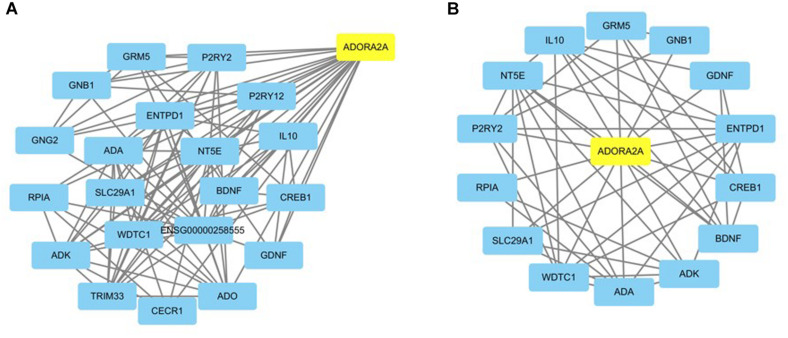
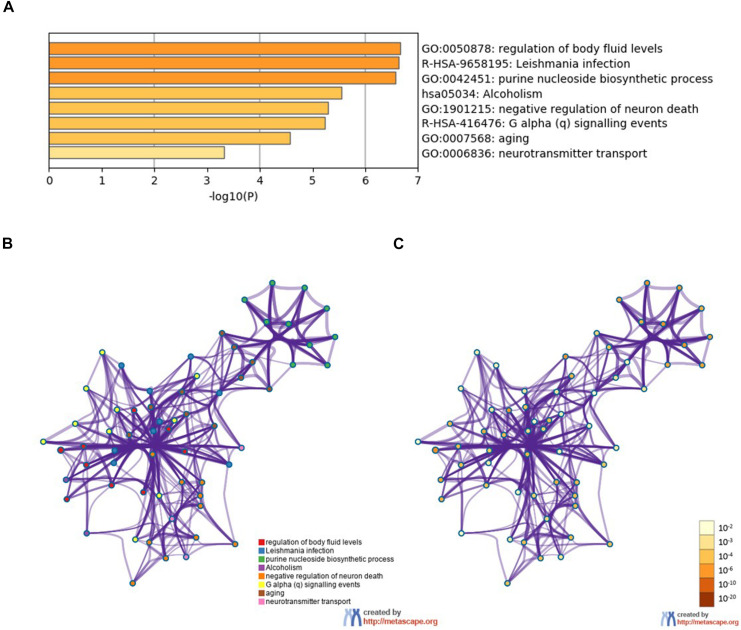
Epilepsy, a common disorder of the brain, exhibits a high morbidity rate in children. Childhood epilepsy (CE) is frequently comorbid with neurologic and developmental disorders, sharing underlying genetic factors. This study aimed to investigate the impact of , , and gene polymorphisms on the risk of childhood epilepsy and their associations with predisposition to epileptic comorbidities. A total of 444 children were enrolled in this study, and three single nucleotide polymorphisms, including rs2298383, rs6265, and rs1778929, were genotyped. The frequency distribution of genotypes was compared not only between CE patients and healthy children but also between CE patients with and without comorbidities. The results indicated that the carriers of rs2298383 TT genotype tended to have a lower risk of epilepsy (OR = 0.48, 95% CI = 0.30-0.76), while the CT genotype was related to a higher risk (OR = 1.56, 95% CI = 1.06-2.27). The rs2298383 CC genotype predisposed CE patients to comorbid neurologic disorders (OR = 2.76, 95% CI = 1.31-5.80). Genetic variations in rs6265 and rs1778929 had no significant association with CE and its comorbidities. Fourteen ADORA2A target genes related to epilepsy were identified by the protein-protein interaction analysis, which were mainly involved in the biological processes of "negative regulation of neuron death" and "purine nucleoside biosynthetic process" through the gene functional enrichment analysis. Our study revealed that the genetic polymorphism of rs2298383 was associated with CE risk and predisposition to neurologic comorbidity in children with epilepsy, and the involved mechanism might be related to the regulation of neuron death and purine nucleoside biosynthesis.
癫痫是一种常见的脑部疾病,在儿童中发病率很高。儿童癫痫(CE)常与神经和发育障碍共病,存在共同的潜在遗传因素。本研究旨在探讨 、 和 基因多态性对儿童癫痫风险的影响及其与癫痫共病易感性的关联。本研究共纳入444名儿童,对包括 rs2298383、rs6265和 rs1778929在内的三个单核苷酸多态性进行基因分型。不仅比较了CE患者与健康儿童之间的基因型频率分布,还比较了有共病和无共病的CE患者之间的基因型频率分布。结果表明,rs2298383 TT基因型携带者患癫痫的风险较低(OR = 0.48,95% CI = 0.30 - 0.76),而CT基因型与较高风险相关(OR = 1.56,95% CI = 1.06 - 2.27)。rs2298383 CC基因型使CE患者易患共病性神经障碍(OR = 2.76,95% CI = 1.31 - 5.80)。rs6265和rs1778929的基因变异与CE及其共病无显著关联。通过蛋白质-蛋白质相互作用分析鉴定出14个与癫痫相关的ADORA2A靶基因,通过基因功能富集分析发现这些基因主要参与“神经元死亡的负调控”和“嘌呤核苷生物合成过程”的生物学过程。我们的研究表明,rs2298383的基因多态性与癫痫儿童的CE风险和神经共病易感性相关,其涉及的机制可能与神经元死亡调控和嘌呤核苷生物合成有关。