Animal Health Center, Ministry of Agriculture, Abbotsford, British Columbia, Canada.
Cornell University, Ithaca, New York, United States of America.
PLoS One. 2020 Dec 2;15(12):e0242505. doi: 10.1371/journal.pone.0242505. eCollection 2020.
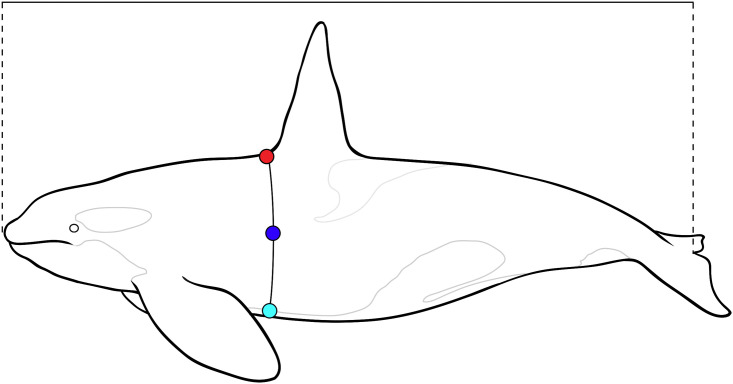
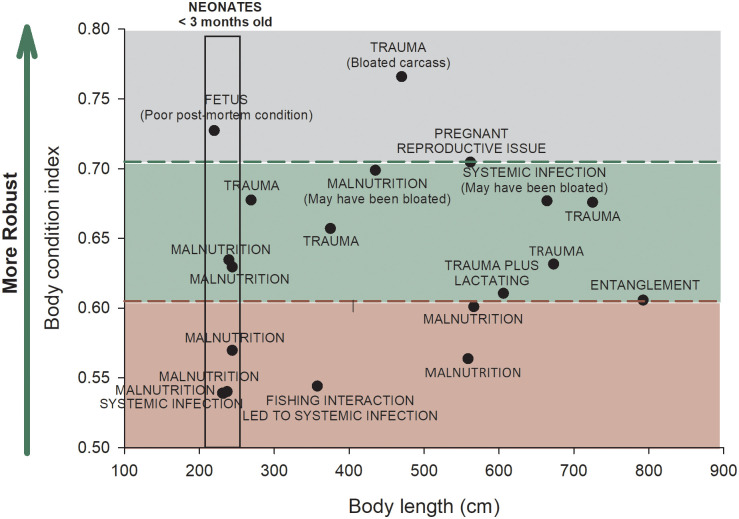
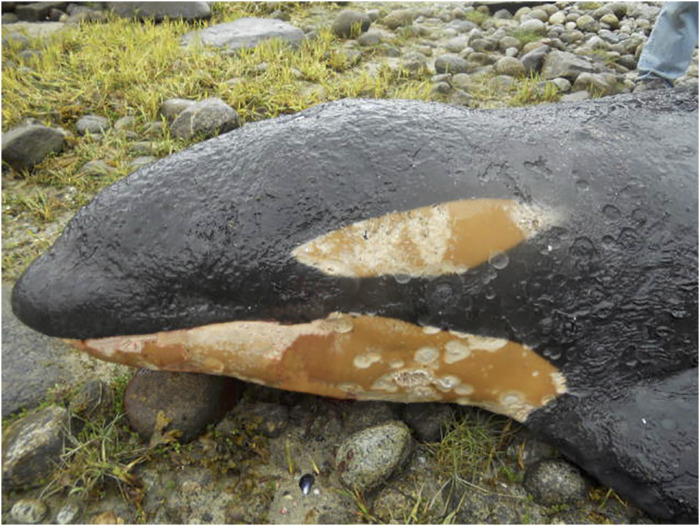
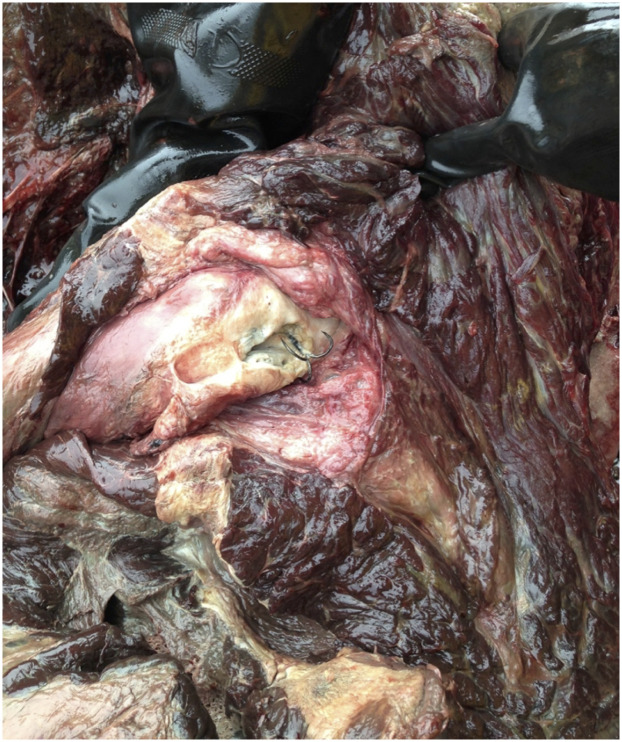
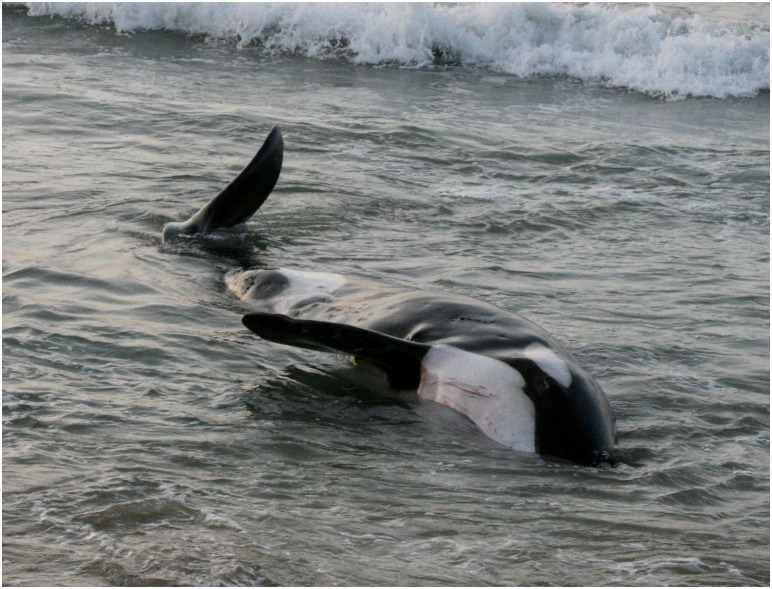
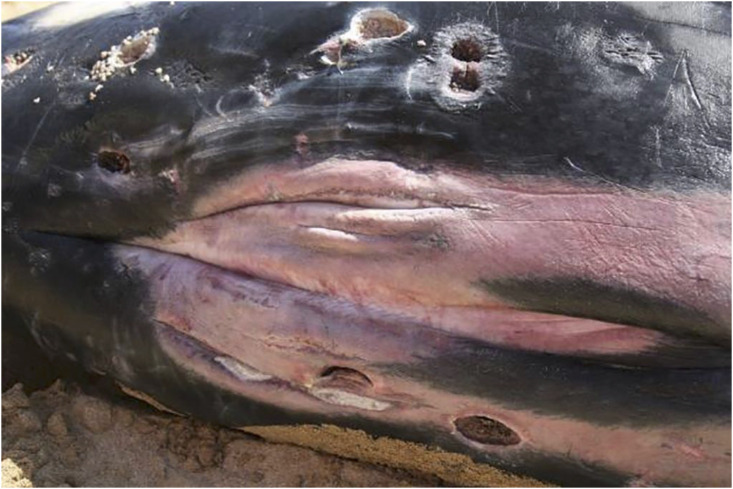
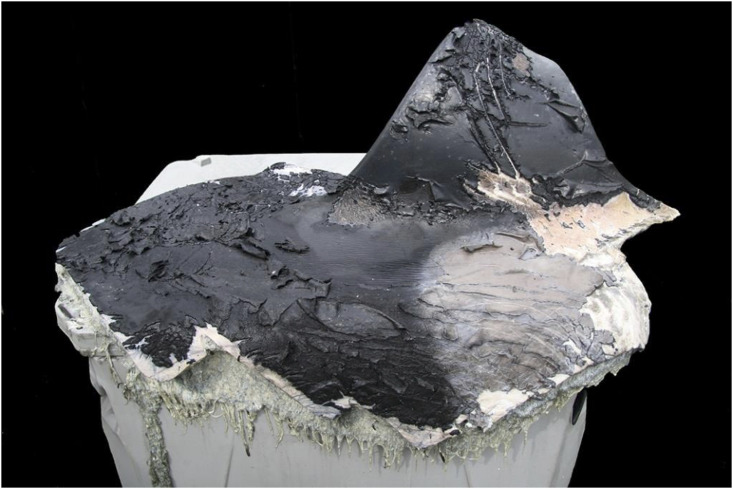
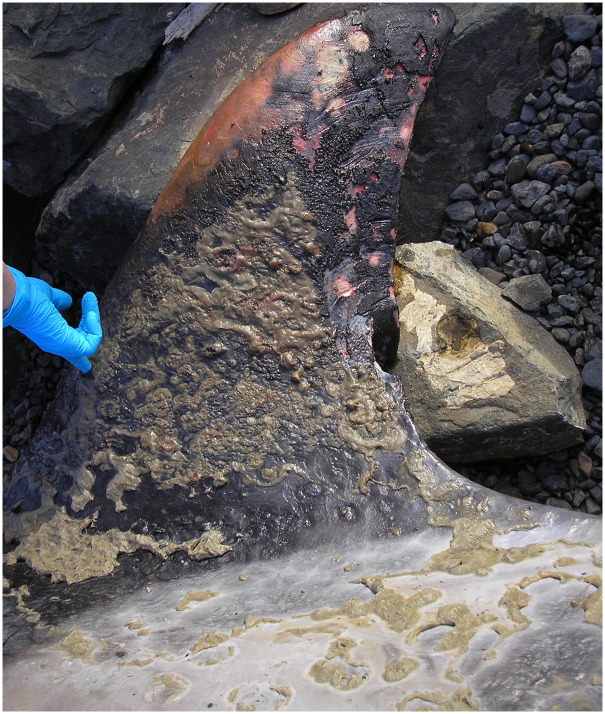
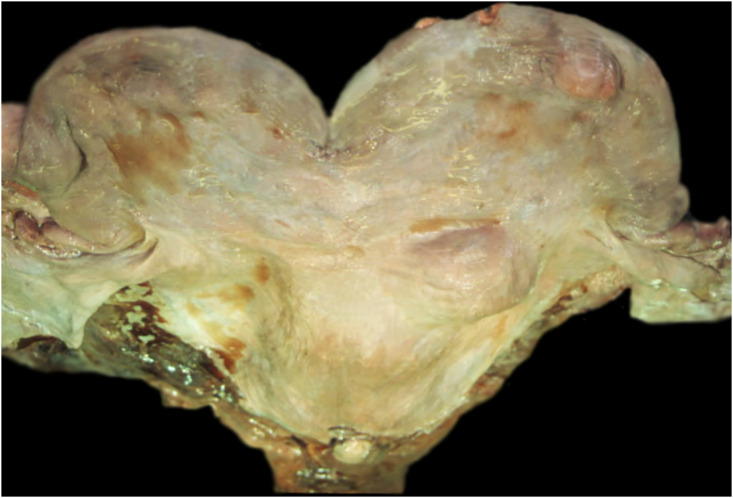
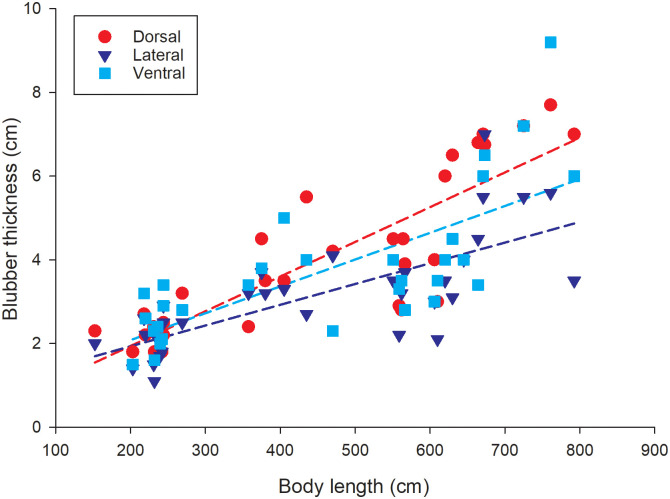
Understanding health and mortality in killer whales (Orcinus orca) is crucial for management and conservation actions. We reviewed pathology reports from 53 animals that stranded in the eastern Pacific Ocean and Hawaii between 2004 and 2013 and used data from 35 animals that stranded from 2001 to 2017 to assess association with morphometrics, blubber thickness, body condition and cause of death. Of the 53 cases, cause of death was determined for 22 (42%) and nine additional animals demonstrated findings of significant importance for population health. Causes of calf mortalities included infectious disease, nutritional, and congenital malformations. Mortalities in sub-adults were due to trauma, malnutrition, and infectious disease and in adults due to bacterial infections, emaciation and blunt force trauma. Death related to human interaction was found in every age class. Important incidental findings included concurrent sarcocystosis and toxoplasmosis, uterine leiomyoma, vertebral periosteal proliferations, cookiecutter shark (Isistius sp.) bite wounds, excessive tooth wear and an ingested fish hook. Blubber thickness increased significantly with body length (all p < 0.001). In contrast, there was no relationship between body length and an index of body condition (BCI). BCI was higher in animals that died from trauma. This study establishes a baseline for understanding health, nutritional status and causes of mortality in stranded killer whales. Given the evidence of direct human interactions on all age classes, in order to be most successful recovery efforts should address the threat of human interactions, especially for small endangered groups of killer whales that occur in close proximity to large human populations, interact with recreational and commercial fishers and transit established shipping lanes.
了解虎鲸(Orcinus orca)的健康和死亡率对于管理和保护行动至关重要。我们回顾了 2004 年至 2013 年间在东太平洋和夏威夷搁浅的 53 只动物的病理学报告,并利用 2001 年至 2017 年间搁浅的 35 只动物的数据来评估其与形态、鲸脂厚度、身体状况和死亡原因的关联。在这 53 个案例中,有 22 个(42%)确定了死因,另外 9 个案例的发现对种群健康具有重要意义。幼鲸死亡的原因包括传染病、营养和先天性畸形。亚成体的死亡是由于创伤、营养不良和传染病,而成体的死亡是由于细菌感染、消瘦和钝器伤。在每个年龄段都发现了与人类互动有关的死亡。重要的偶然发现包括同时发生的肉孢子虫病和弓形体病、子宫平滑肌瘤、椎骨骨膜增殖、食鱼鲨(Isistius sp.)咬伤、过度牙齿磨损和吞下的鱼钩。鲸脂厚度随体长显著增加(所有 p < 0.001)。相比之下,体长与身体状况指数(BCI)之间没有关系。因创伤而死亡的动物的 BCI 较高。本研究为了解搁浅虎鲸的健康、营养状况和死亡原因奠定了基础。鉴于所有年龄段都有直接的人类互动证据,为了取得最成功的恢复努力,应解决人类互动的威胁,特别是对于在靠近大型人口的地方、与娱乐和商业渔民互动并通过既定航道的小型濒危虎鲸群体。