Luiz de Queiroz College of Agriculture, University of São Paulo (ESALQ-USP), Av. Pádua Dias 11, CEP 13418-900, Piracicaba, São Paulo, Brazil.
Environmental Toxicology Graduate Program, University of California, Riverside, CA 92521, United States; Department of Environmental Sciences, University of California, Riverside, CA, 92521, United States.
Environ Int. 2021 Jan;146:106284. doi: 10.1016/j.envint.2020.106284. Epub 2020 Nov 29.
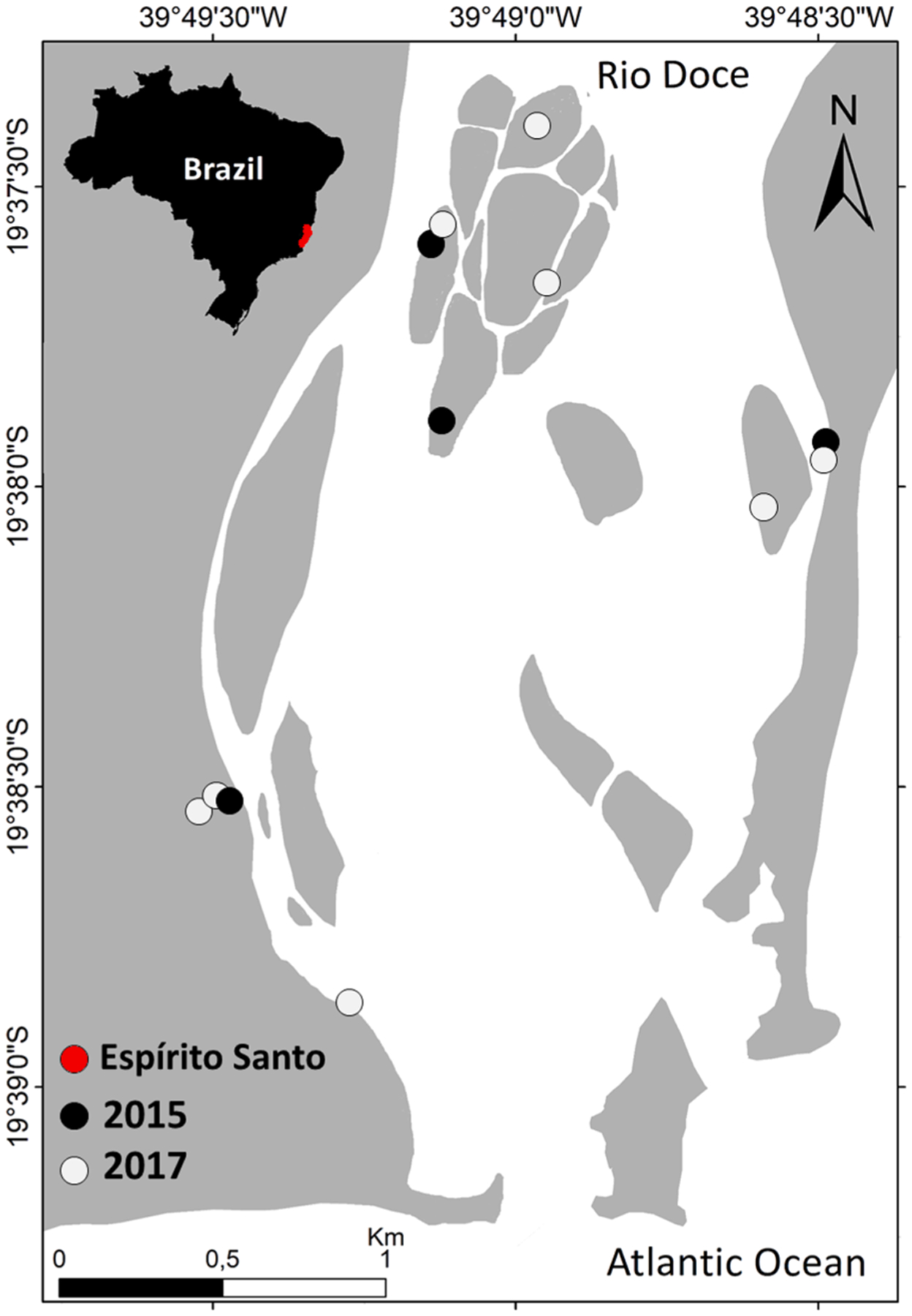
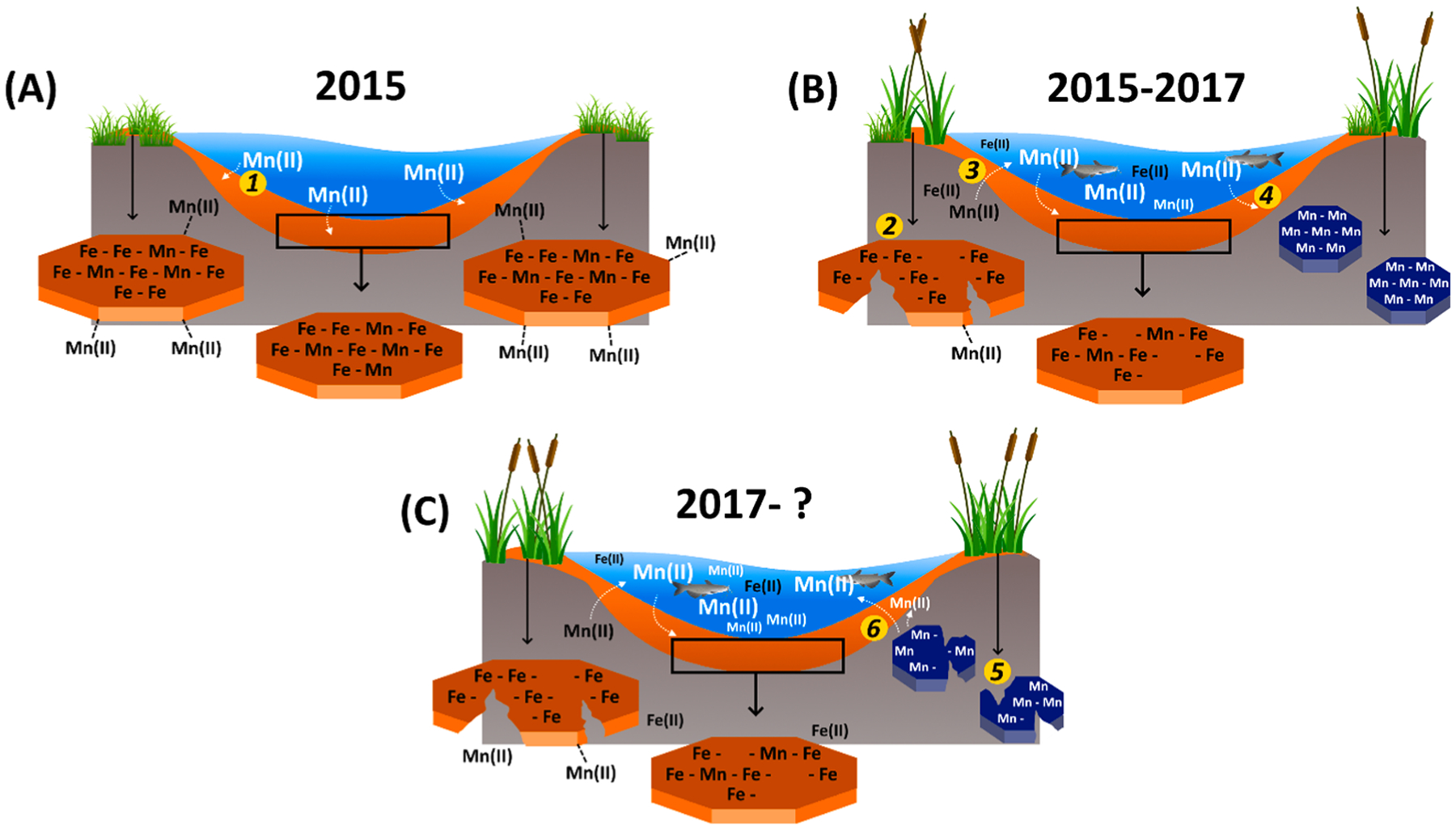
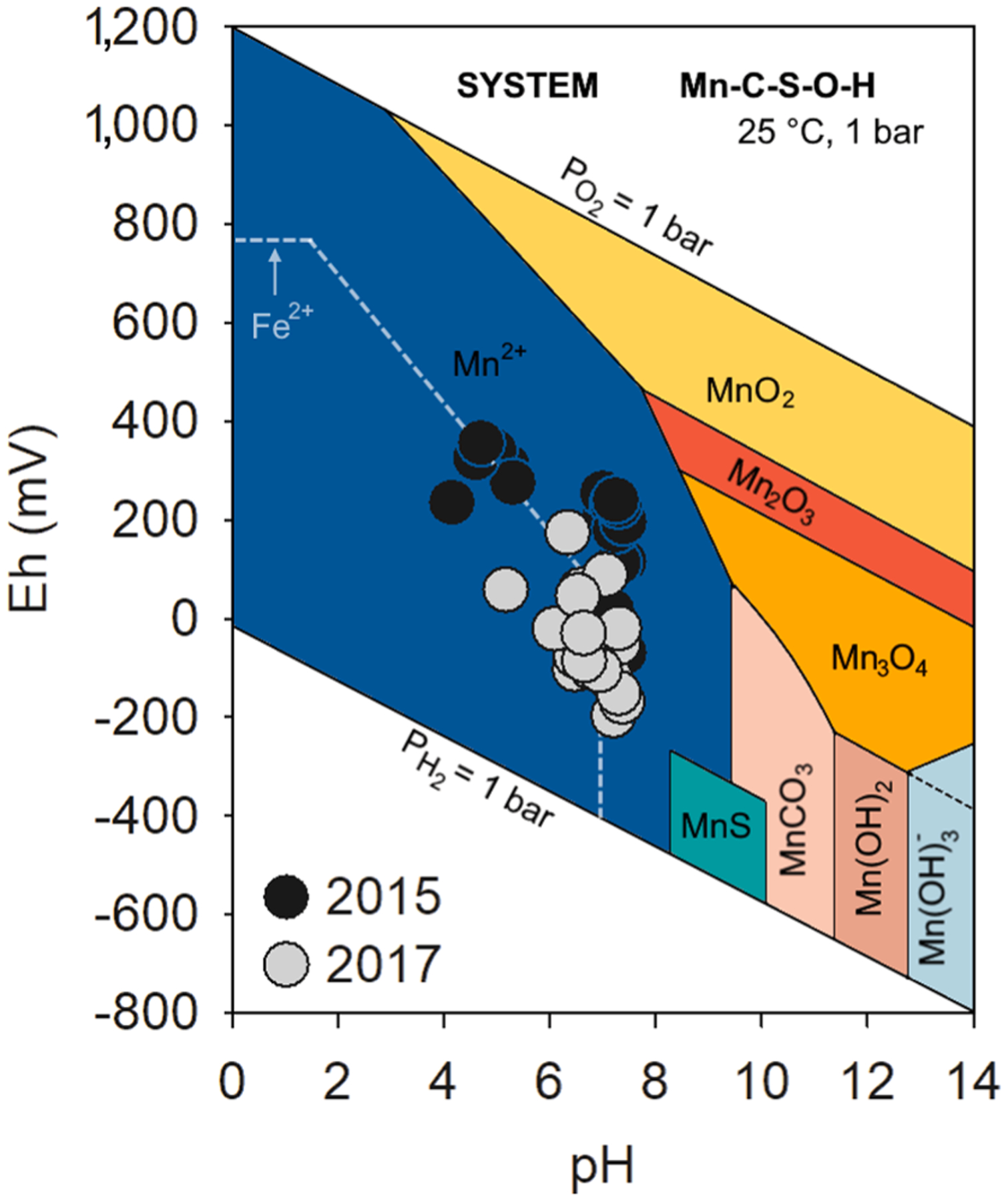
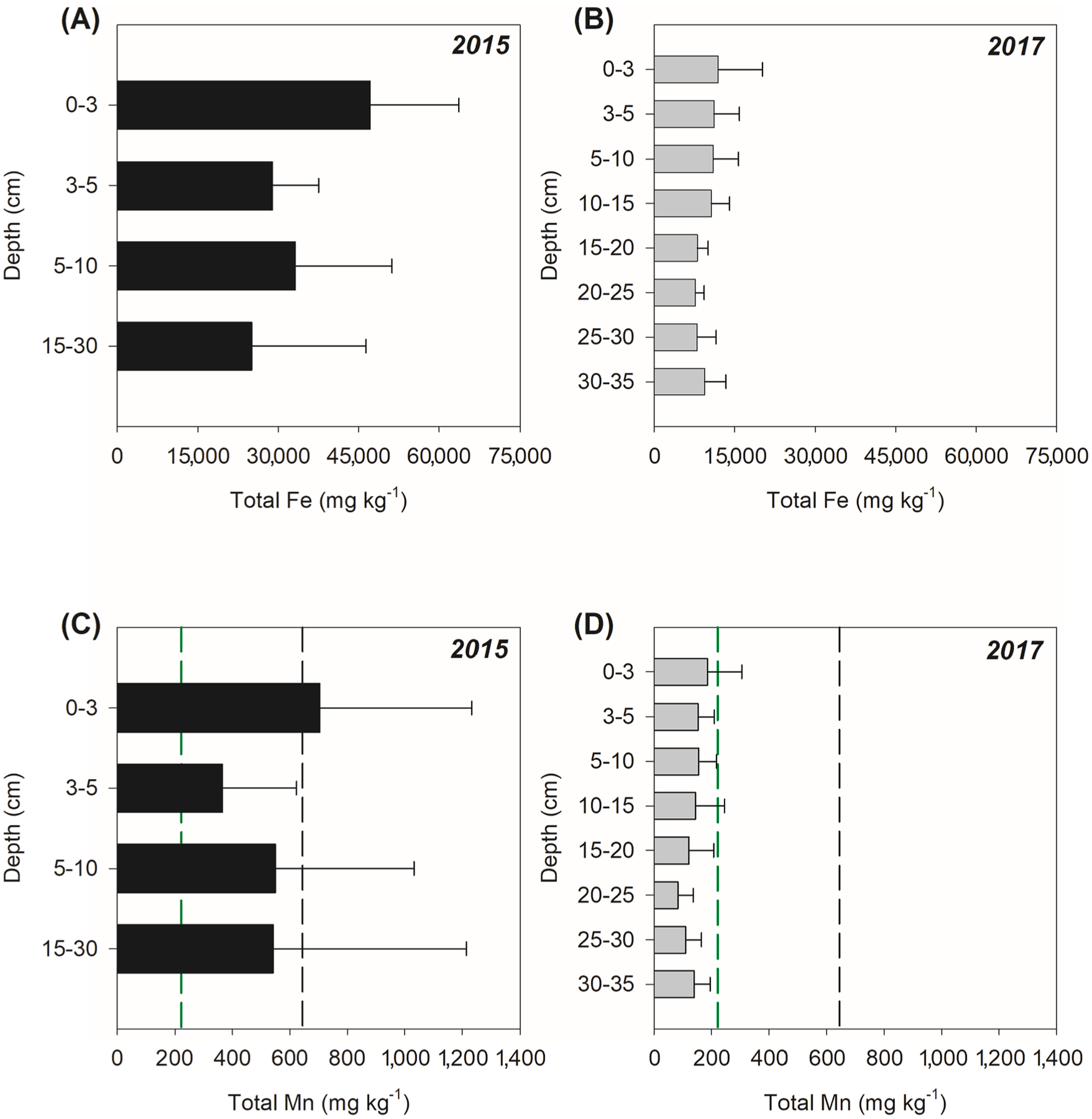
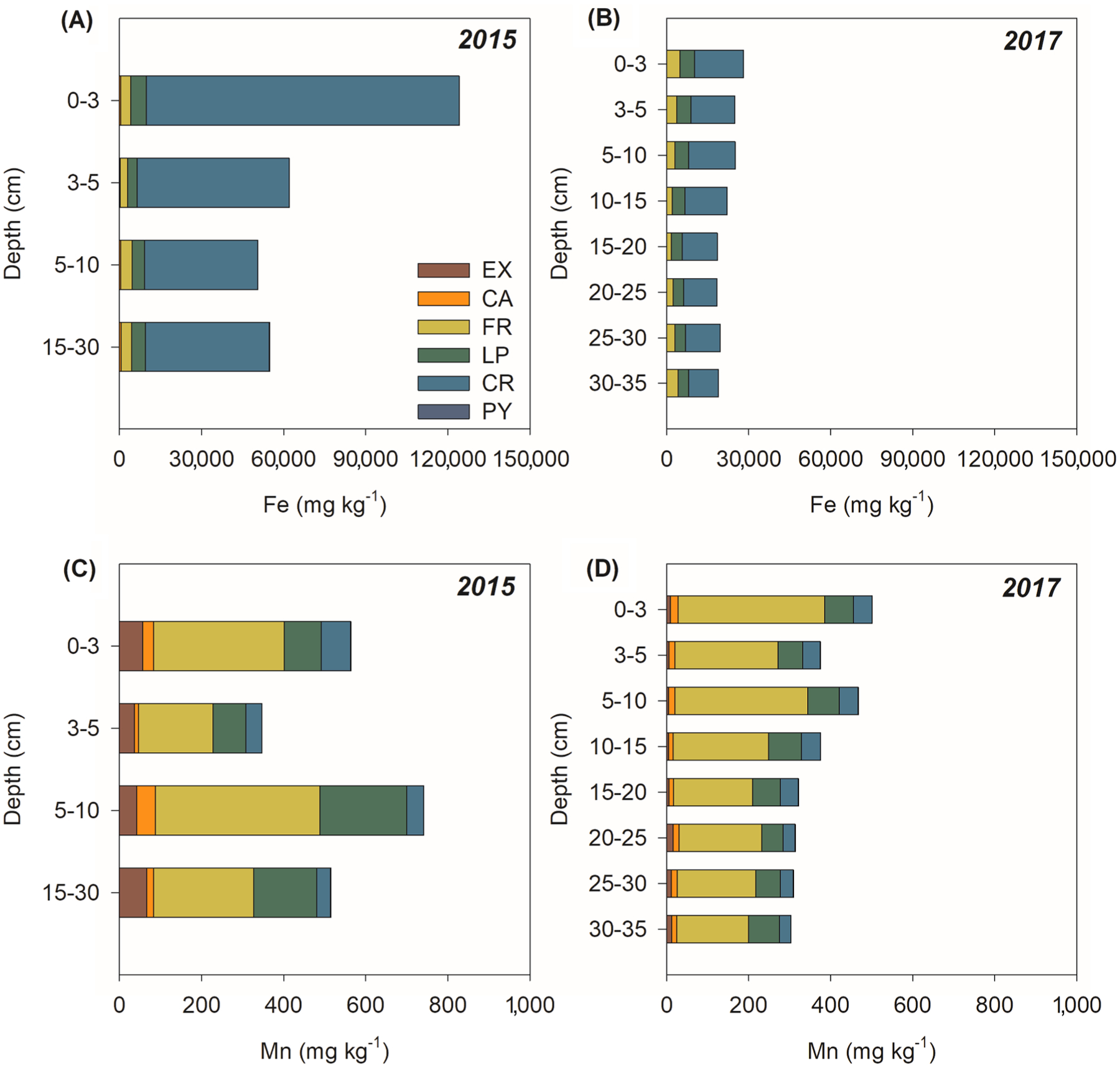
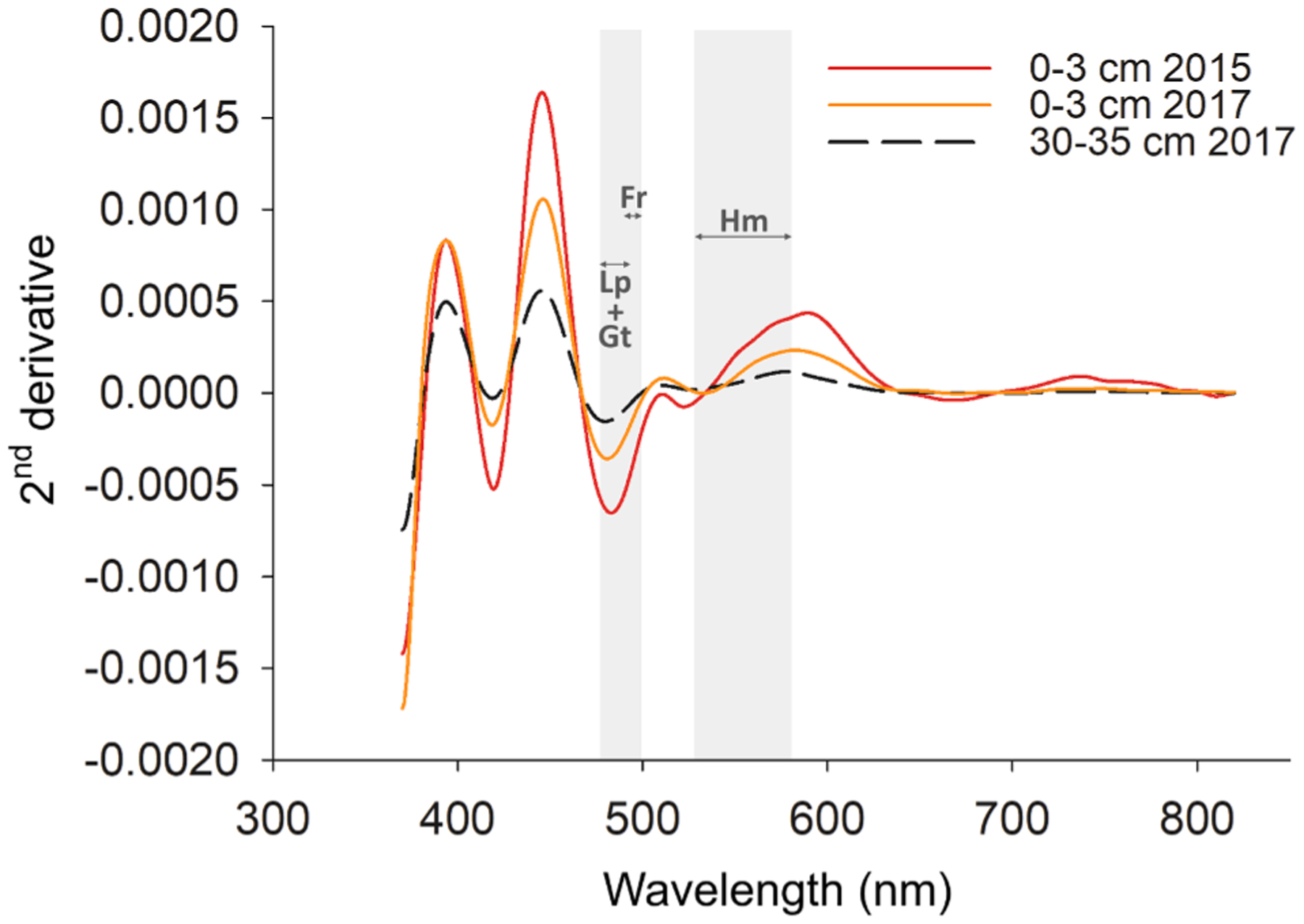
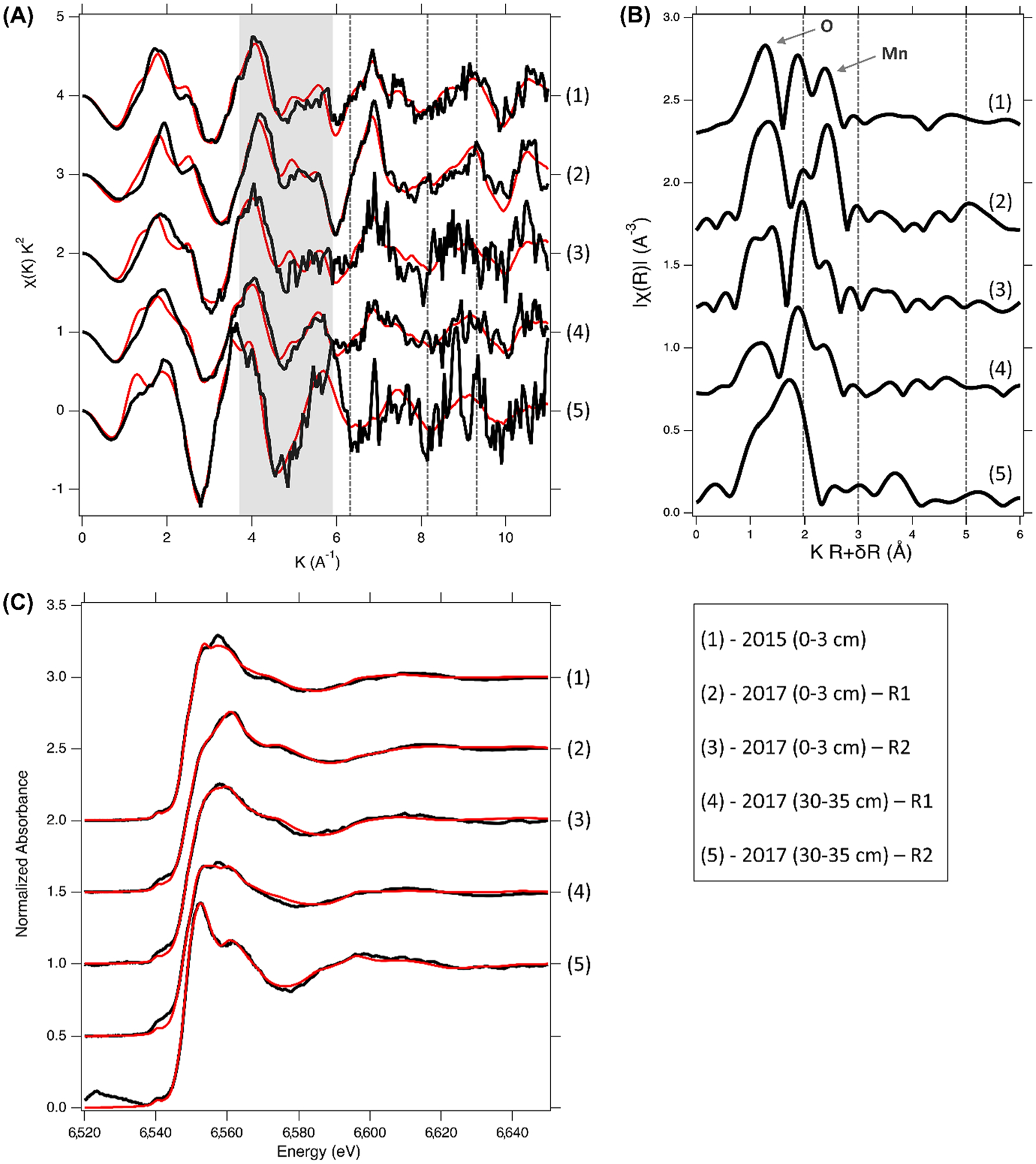
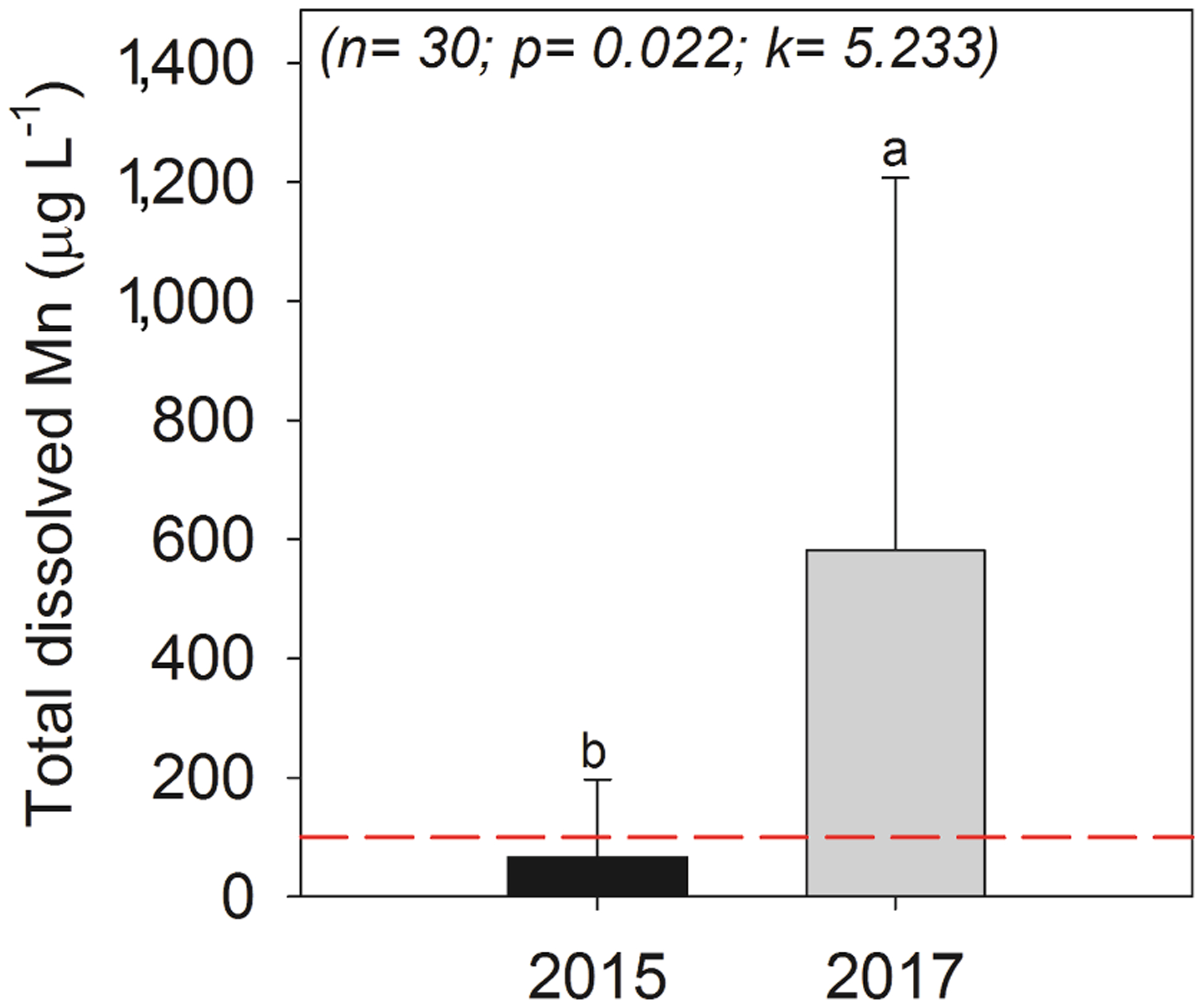
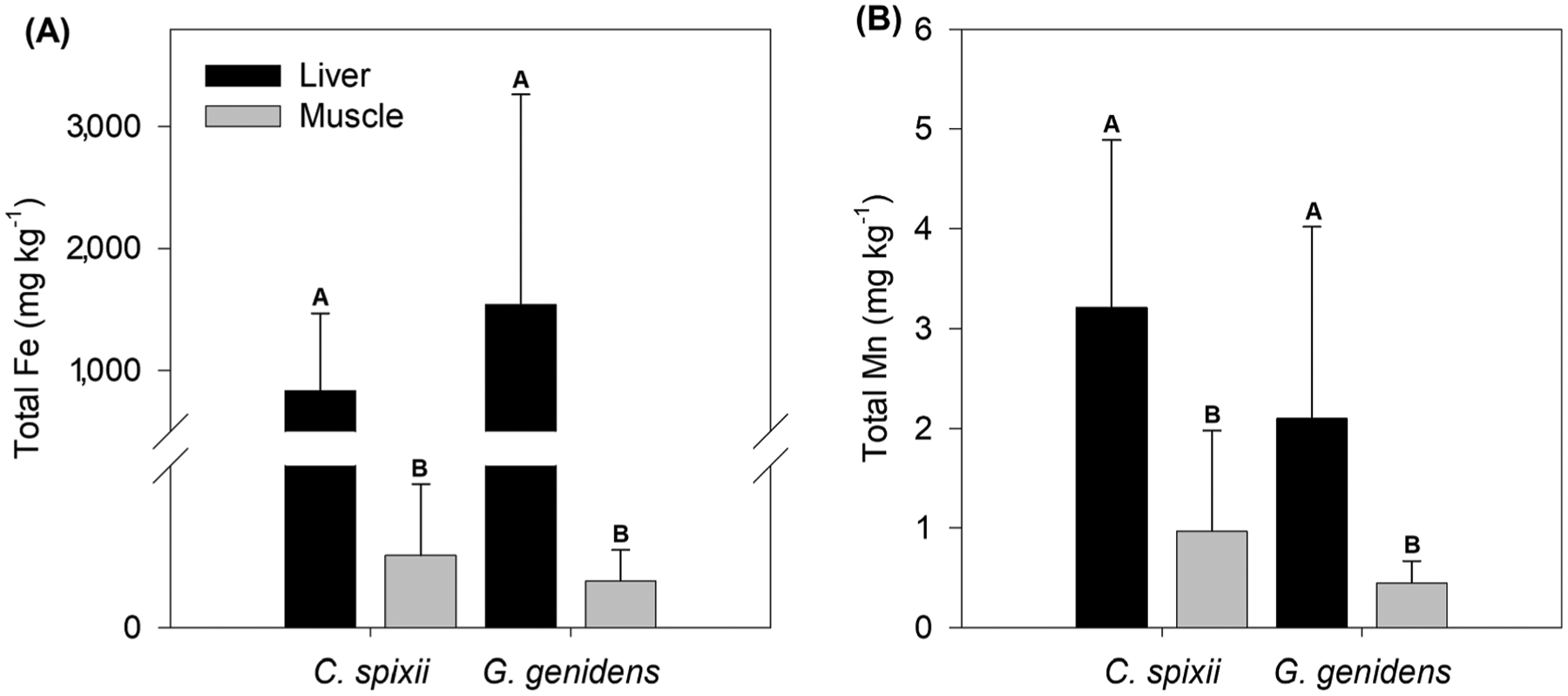
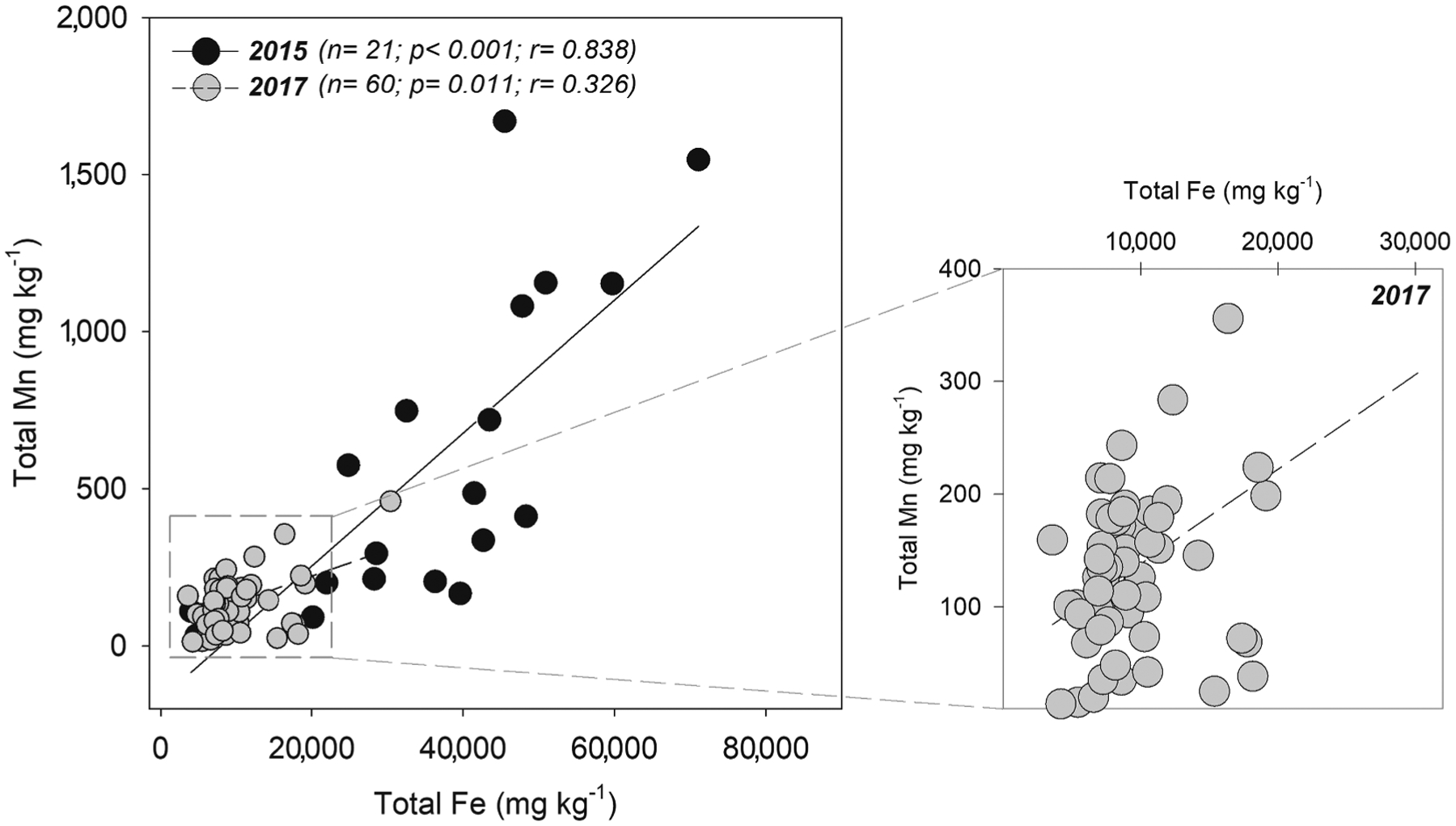
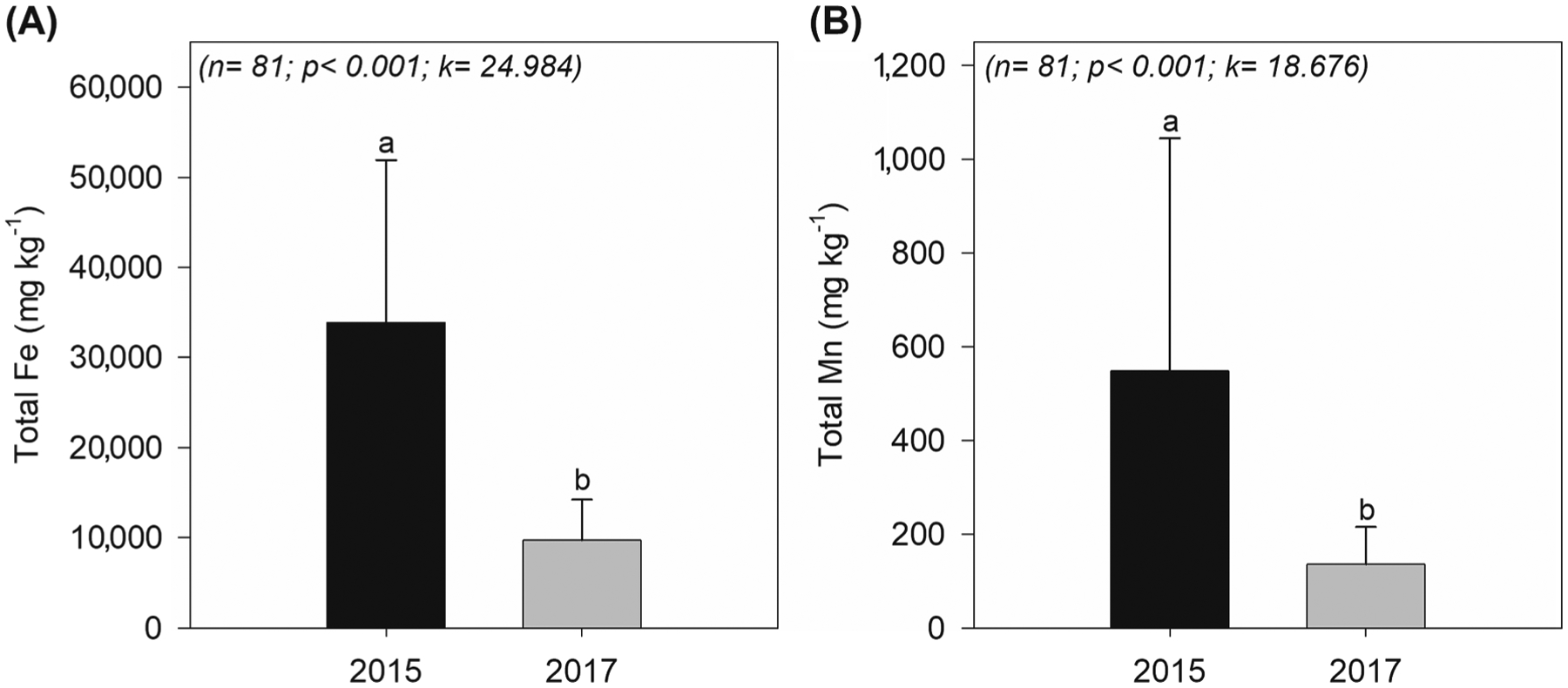
Manganese (Mn) is an abundant element in terrestrial and coastal ecosystems and an essential micronutrient in the metabolic processes of plants and animals. Mn is generally not considered a potentially toxic element due to its low content in both soil and water. However, in coastal ecosystems, the Mn dynamic (commonly associated with the Fe cycle) is mostly controlled by redox processes. Here, we assessed the potential contamination of the Rio Doce estuary (SE Brazil) by Mn after the world's largest mine tailings dam collapse, potentially resulting in chronic exposure to local wildlife and humans. Estuarine soils, water, and fish were collected and analyzed seven days after the arrival of the tailings in 2015 and again two years after the dam collapse in 2017. Using a suite of solid-phase analyses including X-ray absorption spectroscopy and sequential extractions, our results indicated that a large quantity of Mn arrived in the estuary in 2015 bound to Fe oxyhydroxides. Over time, dissolved Mn and Fe were released from soils when Fe oxyhydroxides underwent reductive dissolution. Due to seasonal redox oscillations, both Fe and Mn were then re-oxidized to Fe, Mn, and Mn and re-precipitated as poorly crystalline Fe oxyhydroxides and poorly crystalline Mn oxides. In 2017, redox conditions (Eh: -47 ± 83 mV; pH: 6.7 ± 0.5) favorable to both Fe and Mn reduction led to an increase (880%) of dissolved Mn (average for 2015: 66 ± 130 µg L; 2017: 582 ± 626 µg L) in water and a decrease (75%, 2015: 547 ± 498 mg kg; 2017: 135 ± 80 mg kg) in the total Mn content in soils. The crystalline Fe oxyhydroxides content significantly decreased while the fraction of poorly ordered Fe oxides increased in the soils limiting the role of Fe in Mn retention. The high concentration of dissolved Mn found within the estuary two years after the arrival of mine tailings indicates a possible chronic contamination scenario, which is supported by the high levels of Mn in two species of fish living in the estuary. Our work suggests a high risk to estuarine biota and human health due to the rapid Fe and Mn biogeochemical dynamic within the impacted estuary.
锰(Mn)是陆地和沿海生态系统中含量丰富的元素,也是植物和动物代谢过程中的必需微量元素。由于土壤和水中的 Mn 含量较低,Mn 通常不被认为是一种具有潜在毒性的元素。然而,在沿海生态系统中,Mn 的动态(通常与 Fe 循环有关)主要受氧化还原过程控制。在这里,我们评估了世界上最大的尾矿坝坍塌后,里奥杜塞(巴西东南部)河口 Mn 潜在污染的情况,这可能导致当地野生动物和人类长期暴露于 Mn。2015 年尾矿到达后 7 天和 2017 年大坝坍塌两年后,采集了河口的土壤、水和鱼类进行分析。使用一系列固相分析方法,包括 X 射线吸收光谱和连续提取,我们的结果表明,2015 年大量的 Mn 与 Fe 氢氧化物结合到达河口。随着时间的推移,当 Fe 氢氧化物经历还原溶解时,土壤中释放出溶解的 Mn 和 Fe。由于季节性氧化还原振荡,Fe 和 Mn 随后被重新氧化为 Fe、Mn 和 Mn,并重新沉淀为非晶态 Fe 氢氧化物和非晶态 Mn 氧化物。2017 年,有利于 Fe 和 Mn 还原的氧化还原条件(Eh:-47±83 mV;pH:6.7±0.5)导致水中溶解 Mn 增加(2015 年平均:66±130 µg L;2017 年:582±626 µg L),土壤中总 Mn 含量减少(2015 年:547±498 mg kg;2017 年:135±80 mg kg)。土壤中结晶态 Fe 氢氧化物含量显著减少,而无序态 Fe 氧化物的含量增加,限制了 Fe 在 Mn 保留中的作用。尾矿到达河口两年后,河口内发现的高浓度溶解 Mn 表明可能存在慢性污染情况,这得到了生活在河口的两种鱼类中 Mn 含量较高的支持。我们的研究表明,由于受影响河口内 Fe 和 Mn 生物地球化学动态迅速,河口内的生物群和人类健康面临高风险。