• 文献检索
  • 文档翻译
  • 深度研究
  • 学术资讯
  • Suppr Zotero 插件Zotero 插件
  • 邀请有礼
  • 套餐&价格
  • 历史记录
应用&插件
Suppr Zotero 插件Zotero 插件浏览器插件Mac 客户端Windows 客户端微信小程序
定价
高级版会员购买积分包购买API积分包
服务
文献检索文档翻译深度研究API 文档MCP 服务
关于我们
关于 Suppr公司介绍联系我们用户协议隐私条款
关注我们

Suppr 超能文献

核心技术专利:CN118964589B侵权必究
粤ICP备2023148730 号-1Suppr @ 2026

文献检索

告别复杂PubMed语法,用中文像聊天一样搜索,搜遍4000万医学文献。AI智能推荐,让科研检索更轻松。

立即免费搜索

文件翻译

保留排版,准确专业,支持PDF/Word/PPT等文件格式,支持 12+语言互译。

免费翻译文档

深度研究

AI帮你快速写综述,25分钟生成高质量综述,智能提取关键信息,辅助科研写作。

立即免费体验

基于树状聚合物的谷氨酸羧肽酶抑制剂对新生缺氧缺血性脑损伤超氧化物歧化酶转基因小鼠的神经保护作用。

Neuroprotective effects of a dendrimer-based glutamate carboxypeptidase inhibitor on superoxide dismutase transgenic mice after neonatal hypoxic-ischemic brain injury.

机构信息

Departments of Pediatrics, University of California San Francisco, San Francisco, CA 94158, USA.

Department of Anesthesiology and Critical Care Medicine, Johns Hopkins University School of Medicine, Baltimore, MD 21205, USA.

出版信息

Neurobiol Dis. 2021 Jan;148:105201. doi: 10.1016/j.nbd.2020.105201. Epub 2020 Nov 30.

DOI:10.1016/j.nbd.2020.105201
PMID:33271328
原文链接:https://pmc.ncbi.nlm.nih.gov/articles/PMC8351403/
Abstract

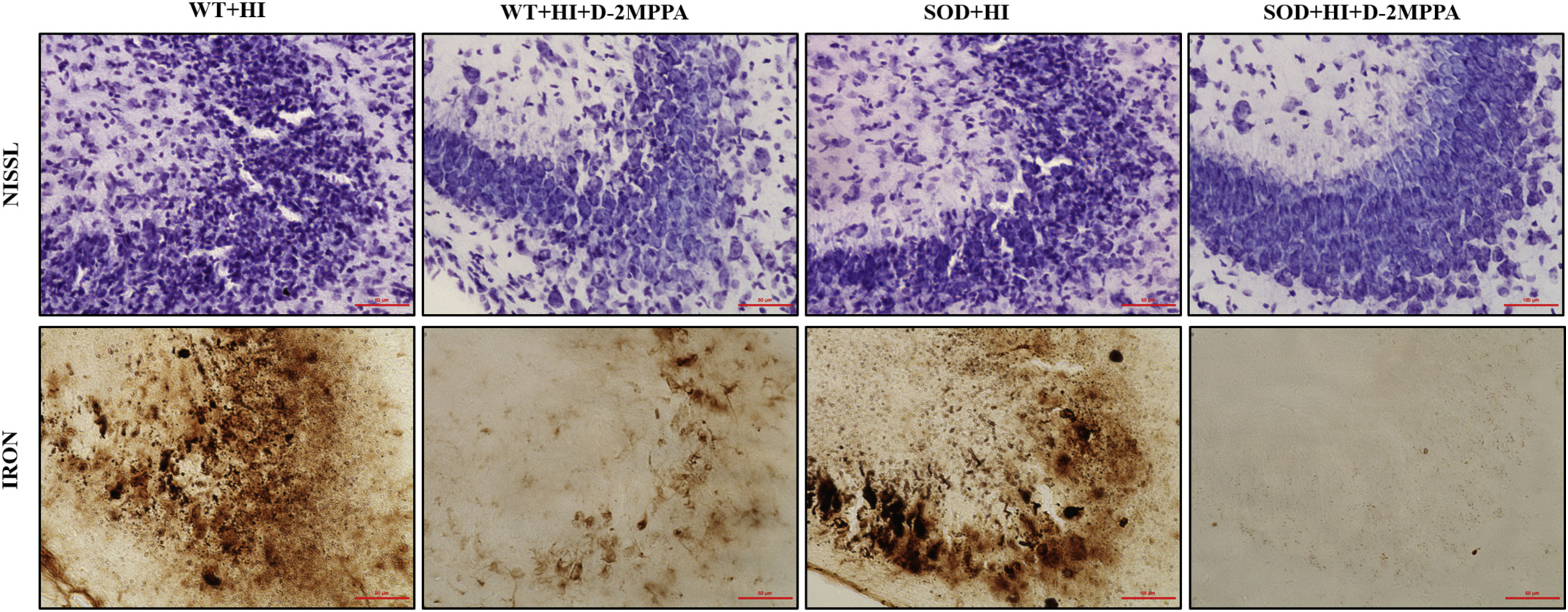
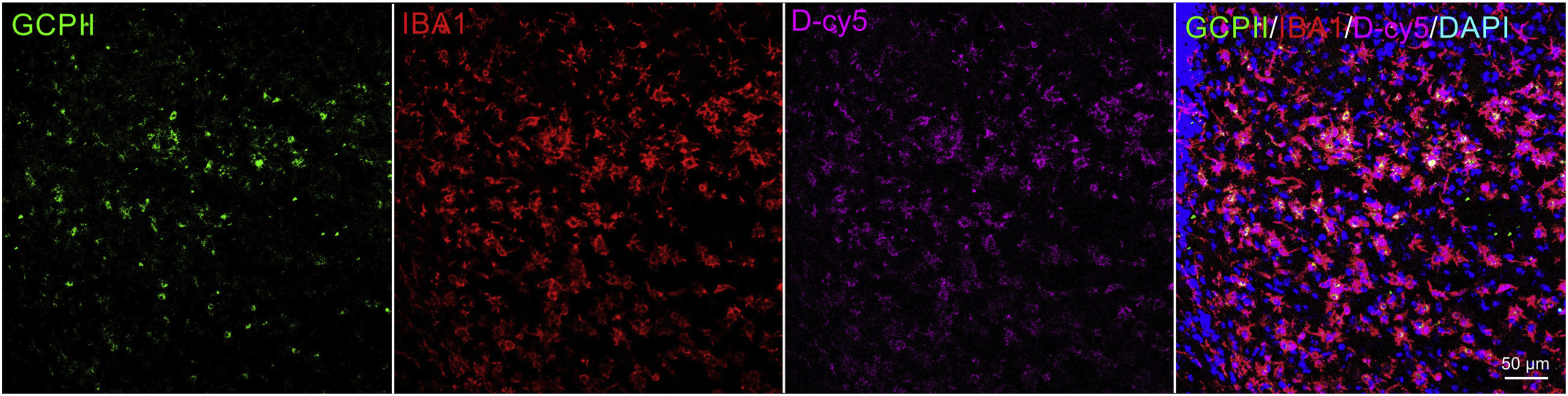
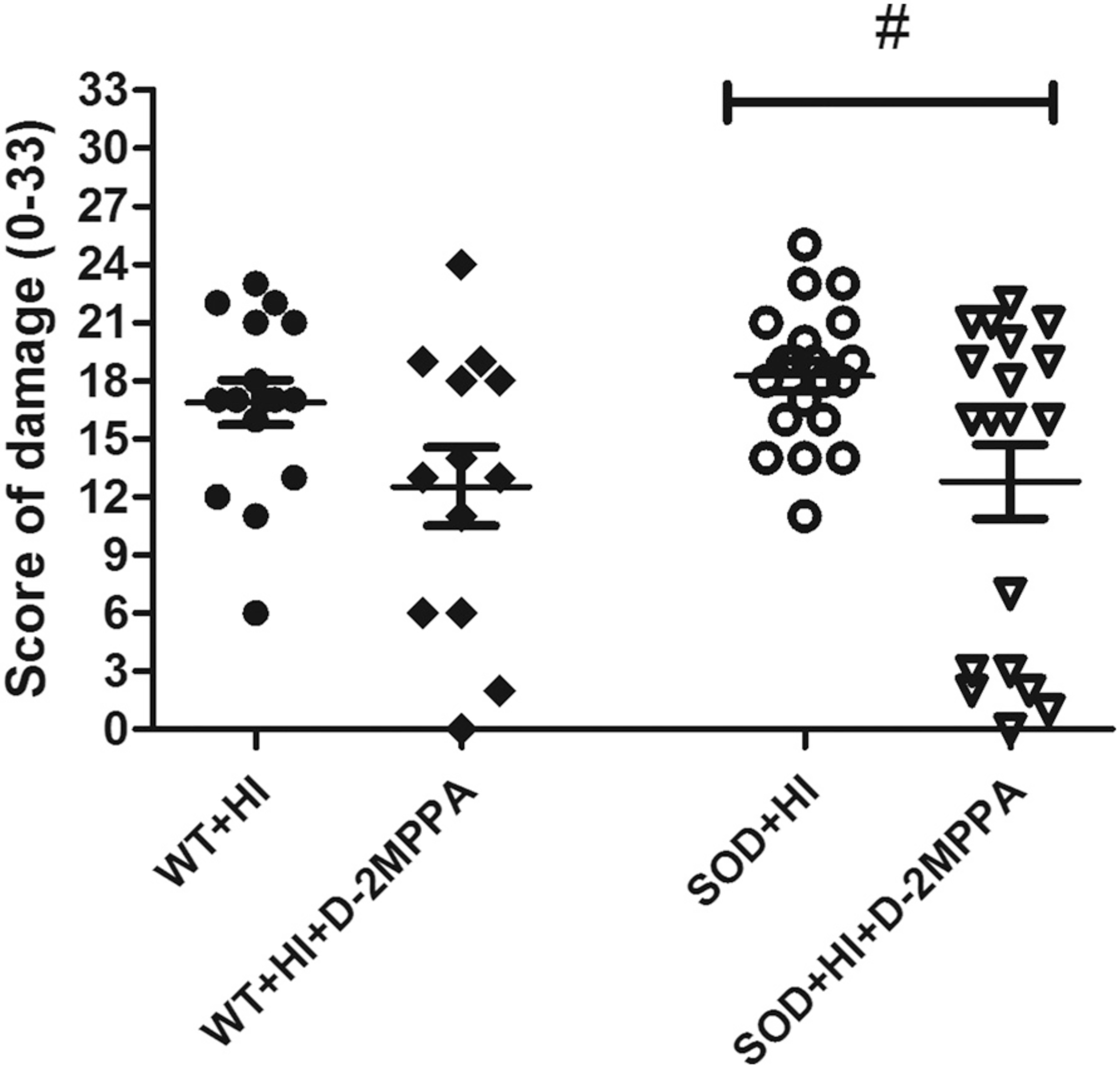
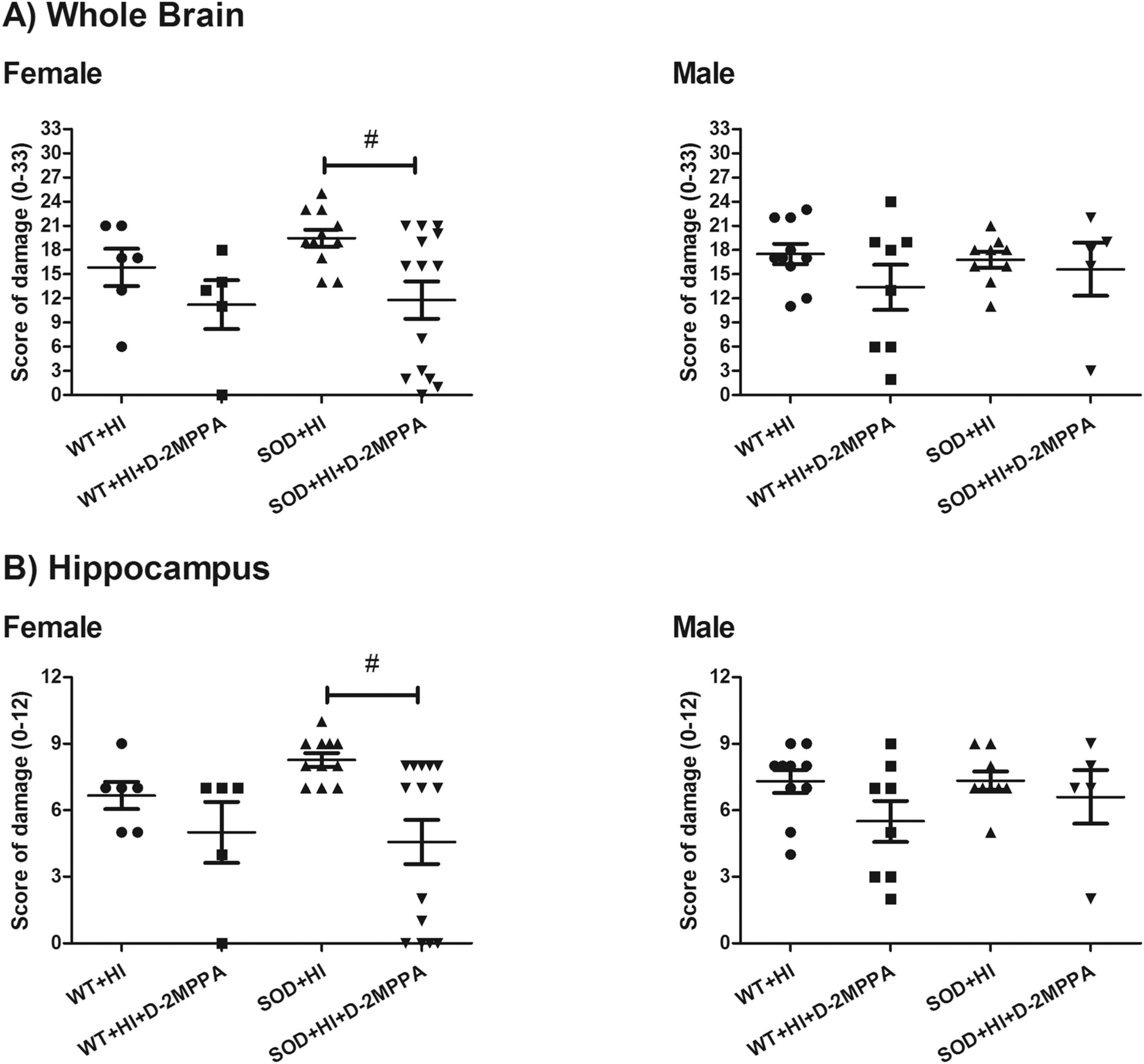
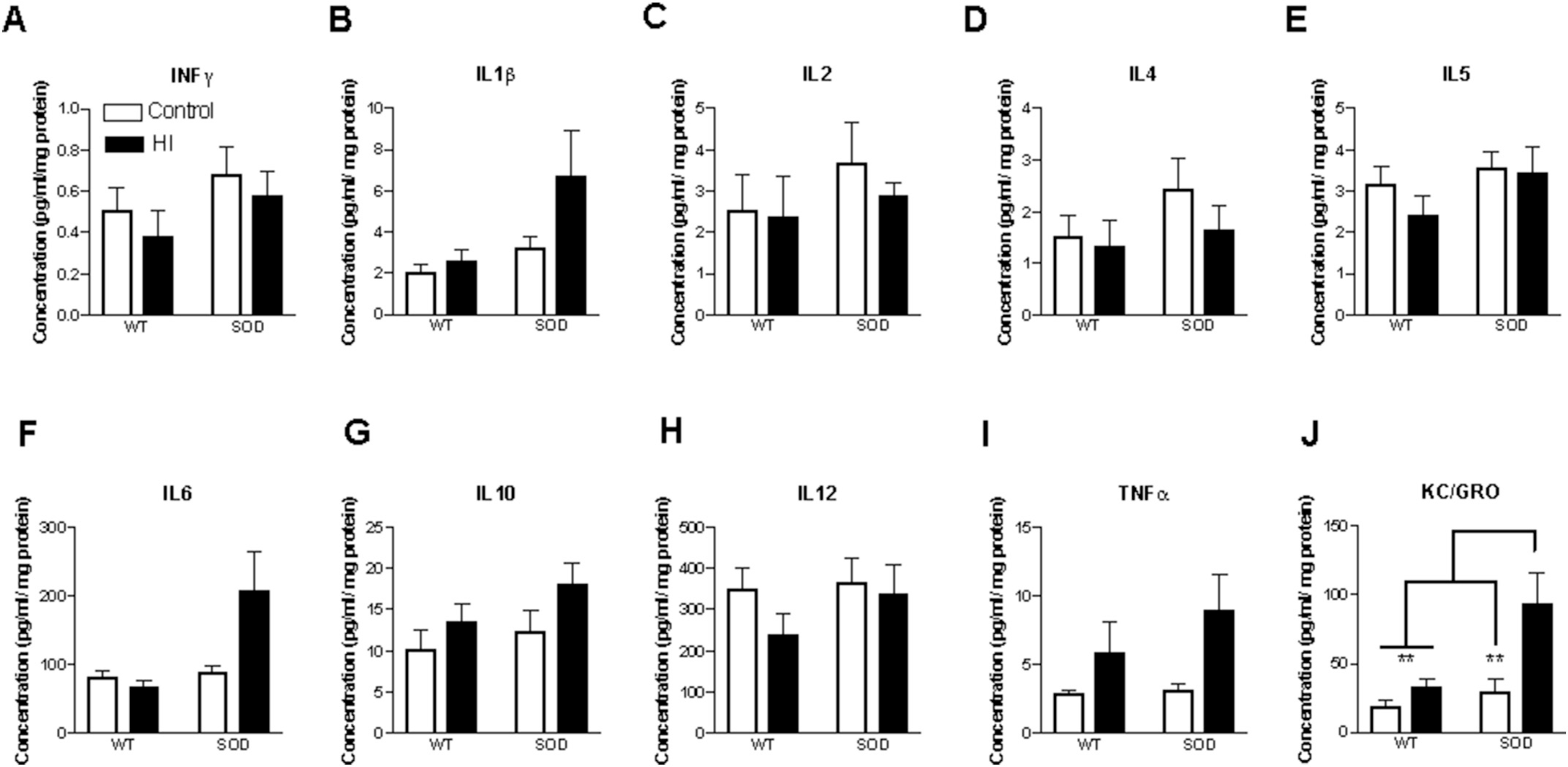
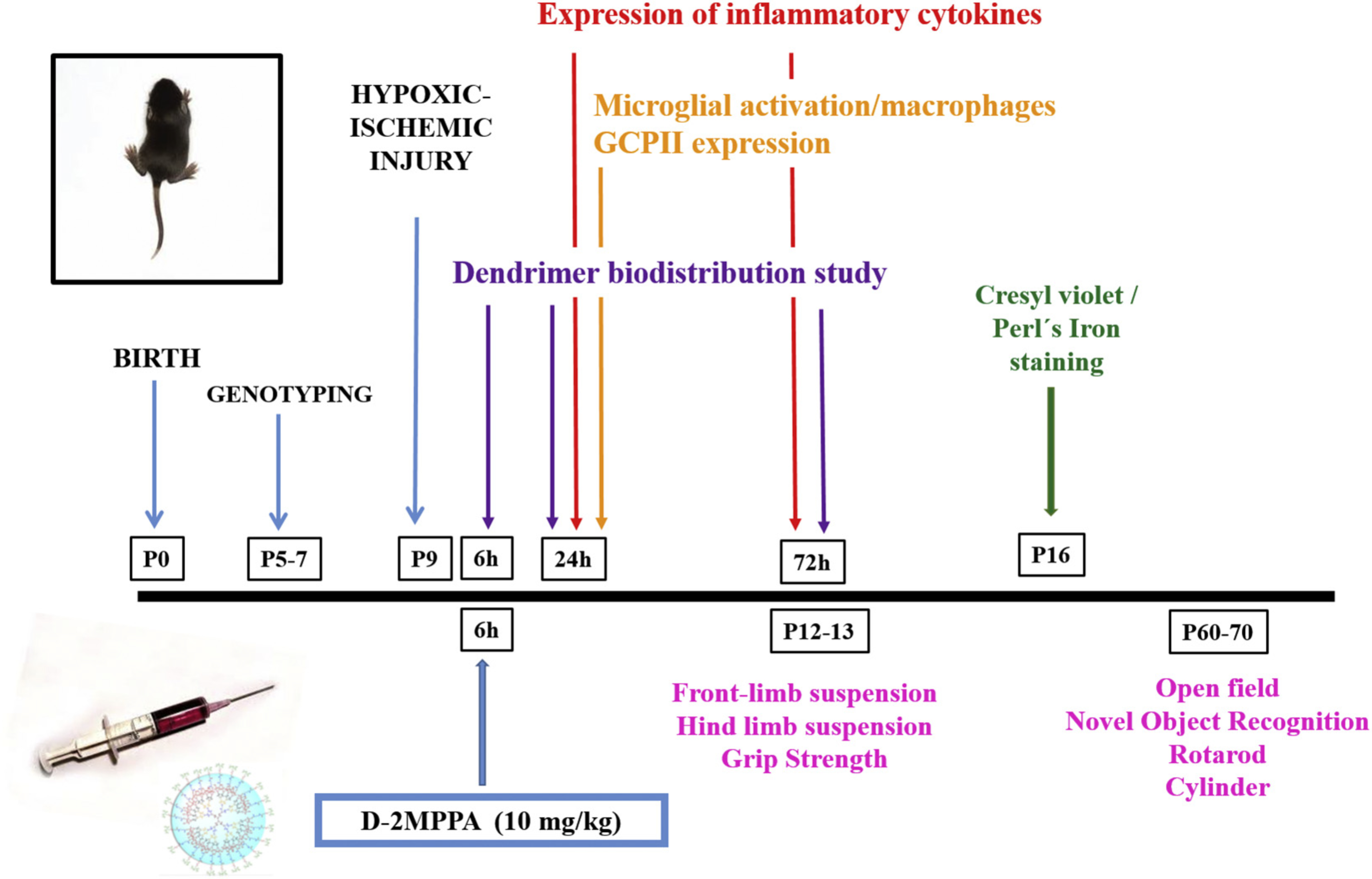
The result of a deprivation of oxygen and glucose to the brain, hypoxic-ischemic encephalopathy (HIE), remains the most common cause of death and disability in human neonates globally and is mediated by glutamate toxicity and inflammation. We have previously shown that the enzyme glutamate carboxypeptidase (GCPII) is overexpressed in activated microglia in the presence of inflammation in fetal/newborn rabbit brain. We assessed the therapeutic utility of a GCPII enzyme inhibitor called 2-(3-Mercaptopropyl) pentanedioic acid (2MPPA) attached to a dendrimer (D-2MPPA), in order to target activated microglia in an experimental neonatal hypoxia-ischemia (HI) model using superoxide dismutase transgenic (SOD) mice that are often more injured after hypoxia-ischemia than wildtype animals. SOD overexpressing and wild type (WT) mice underwent permanent ligation of the left common carotid artery followed by 50 min of asphyxiation (10% O) to induce HI injury on postnatal day 9 (P9). Cy5-labeled dendrimers were administered to the mice at 6 h, 24 h or 72 h after HI and brains were evaluated by immunofluorescence analysis 24 h after the injection to visualize microglial localization and uptake over time. Expression of GCPII enzyme was analyzed in microglia 24 h after the HI injury. The expression of pro- and anti-inflammatory cytokines were analyzed 24 h and 72 h post-HI. Brain damage was analyzed histologically 7 days post-HI in the three randomly assigned groups: control (C); hypoxic-ischemic (HI); and HI mice who received a single dose of D-2MPPA 6 h post-HI (HI+D-2MPPA). First, we found that GCPII was overexpressed in activated microglia 24 h after HI in the SOD overexpressing mice. Also, there was an increase in microglial activation 24 h after HI in the ipsilateral hippocampus which was most visible in the SOD+HI group. Dendrimers were mostly taken up by microglia by 24 h post-HI; uptake was more prominent in the SOD+HI mice than in the WT+HI. The inflammatory profile showed significant increase in expression of KC/GRO following injury in SOD mice compared to WT at 24 and 72 h. A greater and significant decrease in KC/GRO was seen in the SOD mice following treatment with D-2MPPA. Seven days after HI, D-2MPPA treatment decreased brain injury in the SOD+HI group, but not in WT+HI. This reduced damage was mainly seen in hippocampus and cortex. Our data indicate that the best time point to administer D-2MPPA is 6 h post-HI in order to suppress the expression of GCPII by 24 h after the damage since dendrimer localization in microglia is seen as early as 6 h with the peak of GCPII upregulation in activated microglia seen at 24 h post-HI. Ultimately, treatment with D-2MPPA at 6 h post-HI leads to a decrease in inflammatory profiles by 24 h and reduction in brain injury in the SOD overexpressing mice.

摘要

缺氧缺血性脑病(HIE)是由于大脑缺氧和葡萄糖剥夺引起的,是目前全球新生儿死亡和残疾的最常见原因,其由谷氨酸毒性和炎症介导。我们之前已经表明,在胎兔/新生兔脑的炎症存在下,酶谷氨酸羧肽酶(GCPII)在活化的小胶质细胞中过度表达。我们评估了一种名为 2-(3-巯基丙基)戊二酸(2MPPA)的 GCPII 酶抑制剂与树突状聚合物(D-2MPPA)结合的治疗效用,以便在超氧化物歧化酶转基因(SOD)小鼠的实验性新生儿缺氧缺血(HI)模型中靶向活化的小胶质细胞,这些动物在缺氧缺血后通常比野生型动物受到更严重的损伤。SOD 过表达和野生型(WT)小鼠接受左侧颈总动脉永久性结扎,然后进行 50 分钟的窒息(10% O),以在出生后第 9 天(P9)诱导 HI 损伤。Cy5 标记的树突状聚合物在 HI 后 6 小时、24 小时或 72 小时给予小鼠,在注射后 24 小时通过免疫荧光分析评估大脑,以随时间可视化小胶质细胞的定位和摄取。在 HI 损伤后 24 小时分析小胶质细胞中 GCPII 酶的表达。在 HI 后 24 小时和 72 小时分析促炎和抗炎细胞因子的表达。在 HI 后 7 天,在三个随机分配的组中分析脑损伤:对照组(C);缺氧缺血(HI);和 HI 小鼠在 HI 后 6 小时接受单次 D-2MPPA 治疗(HI+D-2MPPA)。首先,我们发现 GCPII 在 SOD 过表达小鼠的 HI 后 24 小时在活化的小胶质细胞中过度表达。此外,在 HI 后 24 小时,同侧海马体中的小胶质细胞活化增加,在 SOD+HI 组中最为明显。树突状聚合物在 HI 后 24 小时内被小胶质细胞摄取最多;在 SOD+HI 小鼠中摄取更为明显。炎症谱显示 SOD 小鼠在损伤后 24 和 72 小时 KC/GRO 的表达显著增加。与 WT 相比,SOD 小鼠在接受 D-2MPPA 治疗后,KC/GRO 的表达明显下降。HI 后 7 天,D-2MPPA 治疗降低了 SOD+HI 组的脑损伤,但对 WT+HI 组没有影响。这种减少的损伤主要发生在海马体和皮质。我们的数据表明,为了在损伤后 24 小时内抑制 GCPII 的表达,D-2MPPA 的最佳给药时间点是 HI 后 6 小时,因为树突状聚合物在小胶质细胞中的定位早在 6 小时就可以看到,而活化的小胶质细胞中 GCPII 的上调峰值出现在 HI 后 24 小时。最终,D-2MPPA 在 HI 后 6 小时的治疗可在 24 小时内降低炎症谱,并减少 SOD 过表达小鼠的脑损伤。
https://cdn.ncbi.nlm.nih.gov/pmc/blobs/b780/8351403/4e437ee1a6f7/nihms-1726471-f0010.jpg
https://cdn.ncbi.nlm.nih.gov/pmc/blobs/b780/8351403/134c51843e33/nihms-1726471-f0001.jpg
https://cdn.ncbi.nlm.nih.gov/pmc/blobs/b780/8351403/910546ff0331/nihms-1726471-f0002.jpg
https://cdn.ncbi.nlm.nih.gov/pmc/blobs/b780/8351403/e1ce0e28c822/nihms-1726471-f0003.jpg
https://cdn.ncbi.nlm.nih.gov/pmc/blobs/b780/8351403/ec78651defa6/nihms-1726471-f0004.jpg
https://cdn.ncbi.nlm.nih.gov/pmc/blobs/b780/8351403/a32d854f903c/nihms-1726471-f0005.jpg
https://cdn.ncbi.nlm.nih.gov/pmc/blobs/b780/8351403/fc85431d3ece/nihms-1726471-f0006.jpg
https://cdn.ncbi.nlm.nih.gov/pmc/blobs/b780/8351403/f94957b7c86d/nihms-1726471-f0007.jpg
https://cdn.ncbi.nlm.nih.gov/pmc/blobs/b780/8351403/08ee0aa2cfa0/nihms-1726471-f0008.jpg
https://cdn.ncbi.nlm.nih.gov/pmc/blobs/b780/8351403/df8c4694a536/nihms-1726471-f0009.jpg
https://cdn.ncbi.nlm.nih.gov/pmc/blobs/b780/8351403/4e437ee1a6f7/nihms-1726471-f0010.jpg
https://cdn.ncbi.nlm.nih.gov/pmc/blobs/b780/8351403/134c51843e33/nihms-1726471-f0001.jpg
https://cdn.ncbi.nlm.nih.gov/pmc/blobs/b780/8351403/910546ff0331/nihms-1726471-f0002.jpg
https://cdn.ncbi.nlm.nih.gov/pmc/blobs/b780/8351403/e1ce0e28c822/nihms-1726471-f0003.jpg
https://cdn.ncbi.nlm.nih.gov/pmc/blobs/b780/8351403/ec78651defa6/nihms-1726471-f0004.jpg
https://cdn.ncbi.nlm.nih.gov/pmc/blobs/b780/8351403/a32d854f903c/nihms-1726471-f0005.jpg
https://cdn.ncbi.nlm.nih.gov/pmc/blobs/b780/8351403/fc85431d3ece/nihms-1726471-f0006.jpg
https://cdn.ncbi.nlm.nih.gov/pmc/blobs/b780/8351403/f94957b7c86d/nihms-1726471-f0007.jpg
https://cdn.ncbi.nlm.nih.gov/pmc/blobs/b780/8351403/08ee0aa2cfa0/nihms-1726471-f0008.jpg
https://cdn.ncbi.nlm.nih.gov/pmc/blobs/b780/8351403/df8c4694a536/nihms-1726471-f0009.jpg
https://cdn.ncbi.nlm.nih.gov/pmc/blobs/b780/8351403/4e437ee1a6f7/nihms-1726471-f0010.jpg

相似文献

1
Neuroprotective effects of a dendrimer-based glutamate carboxypeptidase inhibitor on superoxide dismutase transgenic mice after neonatal hypoxic-ischemic brain injury.基于树状聚合物的谷氨酸羧肽酶抑制剂对新生缺氧缺血性脑损伤超氧化物歧化酶转基因小鼠的神经保护作用。
Neurobiol Dis. 2021 Jan;148:105201. doi: 10.1016/j.nbd.2020.105201. Epub 2020 Nov 30.
2
Dendrimer-enabled targeted delivery attenuates glutamate excitotoxicity and improves motor function in a rabbit model of cerebral palsy.树状高分子介导的靶向递送减轻谷氨酸兴奋性毒性并改善脑瘫兔模型的运动功能。
J Control Release. 2023 Jun;358:27-42. doi: 10.1016/j.jconrel.2023.04.017. Epub 2023 Apr 26.
3
Erythropoietin Treatment Exacerbates Moderate Injury after Hypoxia-Ischemia in Neonatal Superoxide Dismutase Transgenic Mice.促红细胞生成素治疗加重新生超氧化物歧化酶转基因小鼠缺氧缺血后的中度损伤。
Dev Neurosci. 2017;39(1-4):228-237. doi: 10.1159/000472710. Epub 2017 Apr 27.
4
Atomoxetine, a selective norepinephrine reuptake inhibitor, improves short-term histological outcomes after hypoxic-ischemic brain injury in the neonatal male rat.托莫西汀是一种选择性去甲肾上腺素再摄取抑制剂,可改善新生雄性大鼠缺氧缺血性脑损伤后的短期组织学结果。
Int J Dev Neurosci. 2018 Nov;70:34-45. doi: 10.1016/j.ijdevneu.2018.03.011. Epub 2018 Mar 30.
5
Neuroprotective effects of N-acetylaspartylglutamate in a neonatal rat model of hypoxia-ischemia.N-乙酰天门冬氨酰谷氨酸在新生大鼠缺氧缺血模型中的神经保护作用。
Eur J Pharmacol. 2002 Feb 22;437(3):139-45. doi: 10.1016/s0014-2999(02)01289-x.
6
Activation of MC1R with BMS-470539 attenuates neuroinflammation via cAMP/PKA/Nurr1 pathway after neonatal hypoxic-ischemic brain injury in rats.BMS-470539 通过 cAMP/PKA/Nurr1 通路激活 MC1R,减轻大鼠新生缺氧缺血性脑损伤后的神经炎症。
J Neuroinflammation. 2021 Jan 19;18(1):26. doi: 10.1186/s12974-021-02078-2.
7
Dendrimer-Conjugated Glutamate Carboxypeptidase II Inhibitor Restores Microglial Changes in a Rabbit Model of Cerebral Palsy.树枝状聚合物偶联谷氨酸羧肽酶II抑制剂可恢复脑瘫兔模型中的小胶质细胞变化。
Dev Neurosci. 2023;45(5):268-275. doi: 10.1159/000530389. Epub 2023 Mar 29.
8
Maternal inflammation leads to impaired glutamate homeostasis and up-regulation of glutamate carboxypeptidase II in activated microglia in the fetal/newborn rabbit brain.母体炎症导致新生兔脑内活化小胶质细胞中谷氨酸稳态受损以及谷氨酸羧肽酶II上调。
Neurobiol Dis. 2016 Oct;94:116-28. doi: 10.1016/j.nbd.2016.06.010. Epub 2016 Jun 17.
9
Uptake of dendrimer-drug by different cell types in the hippocampus after hypoxic-ischemic insult in neonatal mice: Effects of injury, microglial activation and hypothermia.新生鼠缺氧缺血性脑损伤后树突状聚合物-药物在海马不同细胞类型中的摄取:损伤、小胶质细胞激活和低温的影响。
Nanomedicine. 2017 Oct;13(7):2359-2369. doi: 10.1016/j.nano.2017.06.014. Epub 2017 Jun 30.
10
Dendrimer-2PMPA selectively blocks upregulated microglial GCPII activity and improves cognition in a mouse model of multiple sclerosis.树状聚合物 2PMPA 选择性阻断上调的小胶质细胞 GCPII 活性,并改善多发性硬化症小鼠模型的认知功能。
Nanotheranostics. 2022 Jan 1;6(2):126-142. doi: 10.7150/ntno.63158. eCollection 2022.

引用本文的文献

1
Dysregulated calcium signaling in the aged macaque entorhinal cortex associated with tau hyperphosphorylation.老年猕猴内嗅皮质中钙信号失调与tau蛋白过度磷酸化有关。
Front Aging Neurosci. 2025 Apr 29;17:1549770. doi: 10.3389/fnagi.2025.1549770. eCollection 2025.
2
Inhibition of brain glutamate carboxypeptidase II (GCPII) to enhance cognitive function.抑制脑谷氨酸羧肽酶II(GCPII)以增强认知功能。
Adv Pharmacol. 2025;102:27-63. doi: 10.1016/bs.apha.2024.10.018. Epub 2024 Nov 5.
3
The etiology and prevention of early-stage tau pathology in higher cortical circuits: Insights from aging rhesus macaques.

本文引用的文献

1
-Acetylaspartylglutamate (NAAG) Pretreatment Reduces Hypoxic-Ischemic Brain Damage and Oxidative Stress in Neonatal Rats.N-乙酰天门冬氨酰谷氨酸(NAAG)预处理可减轻新生大鼠的缺氧缺血性脑损伤和氧化应激。
Antioxidants (Basel). 2020 Sep 17;9(9):877. doi: 10.3390/antiox9090877.
2
Changes in arginase isoforms in a murine model of neonatal brain hypoxia-ischemia.新生鼠脑缺氧缺血模型中精氨酸酶同工酶的变化。
Pediatr Res. 2021 Mar;89(4):830-837. doi: 10.1038/s41390-020-0978-3. Epub 2020 May 28.
3
Aggravated brain injury after neonatal hypoxic ischemia in microglia-depleted mice.
高等皮质回路中早期tau病理的病因及预防:来自老年恒河猴的见解
Alzheimers Dement. 2025 Feb;21(2):e14477. doi: 10.1002/alz.14477. Epub 2025 Jan 8.
4
Metabotropic glutamate receptors-guardians and gatekeepers in neonatal hypoxic-ischemic brain injury.代谢型谷氨酸受体:新生儿缺氧缺血性脑损伤的守护者和守门员。
Pharmacol Rep. 2024 Dec;76(6):1272-1285. doi: 10.1007/s43440-024-00653-x. Epub 2024 Sep 17.
5
Targeted pathophysiological treatment of ischemic stroke using nanoparticle-based drug delivery system.基于纳米颗粒的药物传递系统靶向治疗缺血性脑卒中的病理生理学。
J Nanobiotechnology. 2024 Aug 20;22(1):499. doi: 10.1186/s12951-024-02772-2.
6
Mechanism of ferroptosis regulating ischemic stroke and pharmacologically inhibiting ferroptosis in treatment of ischemic stroke.铁死亡调控缺血性脑卒中的机制及其在缺血性脑卒中治疗中抑制铁死亡的药理学作用。
CNS Neurosci Ther. 2024 Jul;30(7):e14865. doi: 10.1111/cns.14865.
7
Dynamic Network Connectivity: from monkeys to humans.动态网络连通性:从猴子到人类
Front Hum Neurosci. 2024 Feb 7;18:1353043. doi: 10.3389/fnhum.2024.1353043. eCollection 2024.
8
Nanomaterial-Based Drug Delivery Systems for Ischemic Stroke.用于缺血性中风的基于纳米材料的药物递送系统
Pharmaceutics. 2023 Nov 24;15(12):2669. doi: 10.3390/pharmaceutics15122669.
9
Chronic GCPII (glutamate-carboxypeptidase-II) inhibition reduces pT217Tau levels in the entorhinal and dorsolateral prefrontal cortices of aged macaques.慢性抑制谷氨酸羧肽酶II(GCPII)可降低老年猕猴内嗅皮层和背外侧前额叶皮层中pT217Tau的水平。
Alzheimers Dement (N Y). 2023 Oct 31;9(4):e12431. doi: 10.1002/trc2.12431. eCollection 2023 Oct-Dec.
10
Dendrimers: Patents for Alzheimer's Disease.树枝状大分子:阿尔茨海默病相关专利。
Recent Pat Nanotechnol. 2025;19(3):356-363. doi: 10.2174/1872210517666230831154408.
新生鼠缺氧缺血后脑损伤加重。
J Neuroinflammation. 2020 Apr 11;17(1):111. doi: 10.1186/s12974-020-01792-7.
4
N-acetylaspartylglutamate (NAAG) and glutamate carboxypeptidase II: An abundant peptide neurotransmitter-enzyme system with multiple clinical applications.N-乙酰天冬氨酸谷氨酸盐(NAAG)和谷氨酸羧肽酶 II:一种丰富的肽神经递质-酶系统,具有多种临床应用。
Prog Neurobiol. 2020 Jan;184:101722. doi: 10.1016/j.pneurobio.2019.101722. Epub 2019 Nov 12.
5
Advanced nanotherapies to promote neuroregeneration in the injured newborn brain.先进的纳米疗法促进新生儿脑损伤后的神经再生。
Adv Drug Deliv Rev. 2019 Aug;148:19-37. doi: 10.1016/j.addr.2019.10.005. Epub 2019 Oct 31.
6
Sex Differences in Brain Injury and Repair in Newborn Infants: Clinical Evidence and Biological Mechanisms.新生儿脑损伤与修复中的性别差异:临床证据与生物学机制
Front Pediatr. 2019 Jun 26;7:211. doi: 10.3389/fped.2019.00211. eCollection 2019.
7
CXCR2 Blockade Mitigates Neural Cell Injury Following Preclinical Chorioamnionitis.CXCR2阻断减轻临床前绒毛膜羊膜炎后的神经细胞损伤。
Front Physiol. 2019 Apr 2;10:324. doi: 10.3389/fphys.2019.00324. eCollection 2019.
8
Early proton magnetic resonance spectroscopy during and after therapeutic hypothermia in perinatal hypoxic-ischemic encephalopathy.围产期缺氧缺血性脑病治疗性低温期间和之后的早期质子磁共振波谱。
Pediatr Radiol. 2019 Jun;49(7):941-950. doi: 10.1007/s00247-019-04383-8. Epub 2019 Mar 28.
9
Leveraging the interplay of nanotechnology and neuroscience: Designing new avenues for treating central nervous system disorders.利用纳米技术和神经科学的相互作用:为治疗中枢神经系统疾病开辟新途径。
Adv Drug Deliv Rev. 2019 Aug;148:181-203. doi: 10.1016/j.addr.2019.02.009. Epub 2019 Mar 4.
10
Strain-Related Differences in Mouse Neonatal Hypoxia-Ischemia.小鼠新生儿缺氧缺血中与应变相关的差异
Dev Neurosci. 2018;40(5-6):490-496. doi: 10.1159/000495880. Epub 2019 Feb 28.