Faulkner Bethany, Delgado-Charro M Begoña
Department of Pharmacy and Pharmacology, University of Bath, Bath BA2 7AY, UK.
Pharmaceutics. 2020 Dec 2;12(12):1176. doi: 10.3390/pharmaceutics12121176.
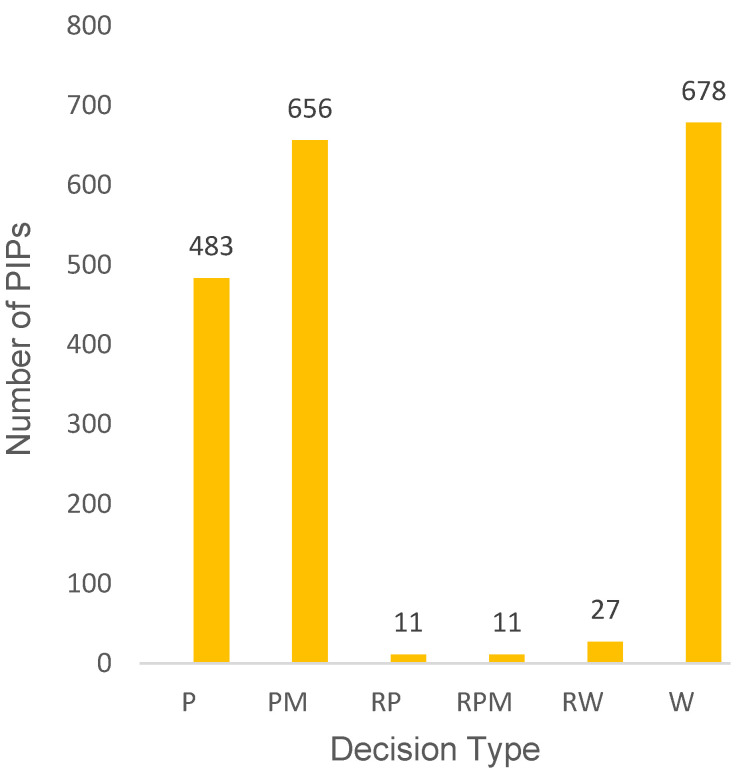
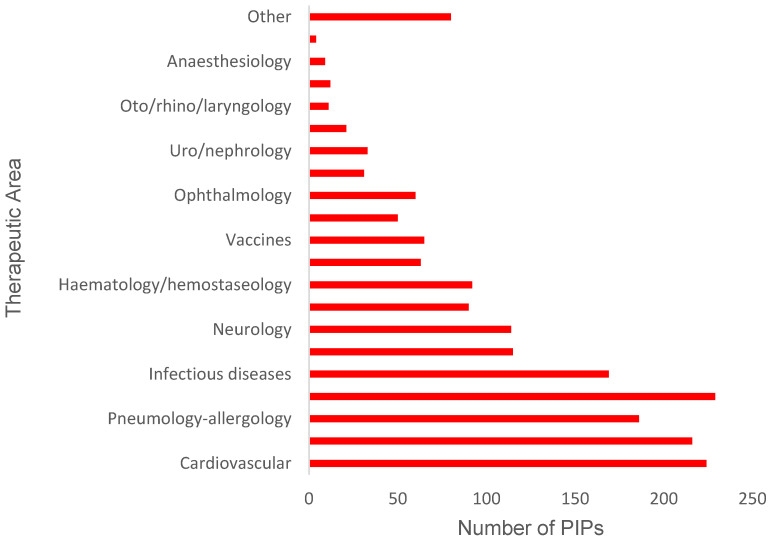
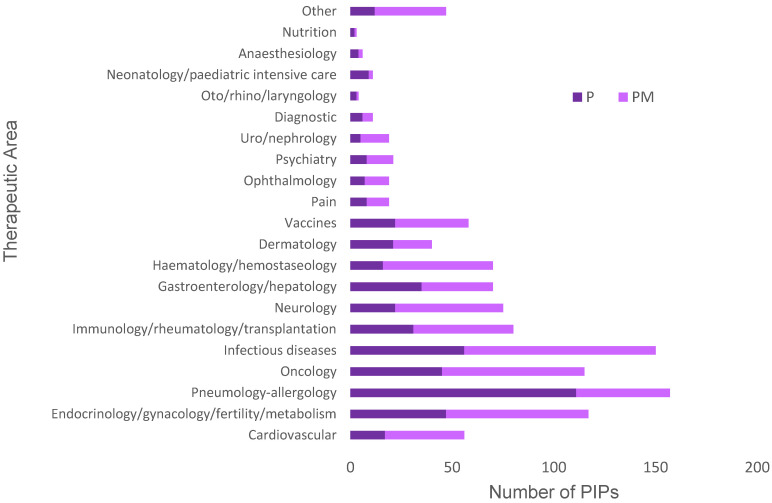
This work aimed to establish whether paediatric needs in cardiovascular diseases have been met by paediatric investigation plans (PIPs) produced since the development of the European Union Paediatric Regulation in 2007. The European Medicines Agency repository was searched for patterns in the development of paediatric medicines in general. Next, positive PIPs related to cardiovascular diseases were scrutinized for outcomes and compared to specific paediatric cardiovascular needs. In total, 1866 PIPs were identified with 12% corresponding to decisions taken for cardiovascular medicines. However, despite this therapeutic area having the greatest number of overall PIPs, only 14% of established needs in paediatric cardiovascular diseases were addressed by PIPs with positive decisions. Further, 71.9% of PIPs with decisions in cardiovascular disease corresponded to full waivers, so the product would not be studied in paediatrics. Despite the progress found in overall numbers of PIPs published, cardiovascular products are still commonly used off-label in paediatrics. Particularly, there is a need to develop products to treat heart failure and hypertension, two areas with clear unmet clinical needs in paediatrics. A case study on valsartan showed that industry, regulators, health technology assessment bodies, and prescribers should work together to reduce off-label use of paediatric cardiovascular diseases (CVD).
这项工作旨在确定自2007年欧盟儿科法规制定以来所制定的儿科研究计划(PIPs)是否满足了儿科心血管疾病的需求。在欧洲药品管理局的资料库中搜索了儿科药物总体研发模式。接下来,仔细审查了与心血管疾病相关的阳性PIPs的结果,并与特定的儿科心血管需求进行比较。总共确定了1866项PIPs,其中12%与心血管药物的决策相对应。然而,尽管该治疗领域的PIPs总数最多,但在儿科心血管疾病中,只有14%已确定的需求通过有阳性决策的PIPs得到解决。此外,在心血管疾病方面有决策的PIPs中有71.9%相当于完全豁免,因此该产品将不在儿科进行研究。尽管已发布的PIPs总数有所增加,但心血管产品在儿科中仍普遍存在超说明书用药的情况。特别是,需要开发治疗心力衰竭和高血压的产品,这两个领域在儿科中存在明显未满足的临床需求。一项关于缬沙坦的案例研究表明,行业、监管机构、卫生技术评估机构和开处方者应共同努力,减少儿科心血管疾病(CVD)的超说明书用药情况。