Laboratory of Genomic Integrity, National Institute of Child Health and Human Development, National Institutes of Health, 9800 Medical Center Drive, Bethesda, MD 20892-3371, USA.
Department of Molecular Biology and Biophysics, UConn Health, Farmington, CT 06030, USA.
J Mol Biol. 2021 Jan 22;433(2):166733. doi: 10.1016/j.jmb.2020.166733. Epub 2020 Dec 3.
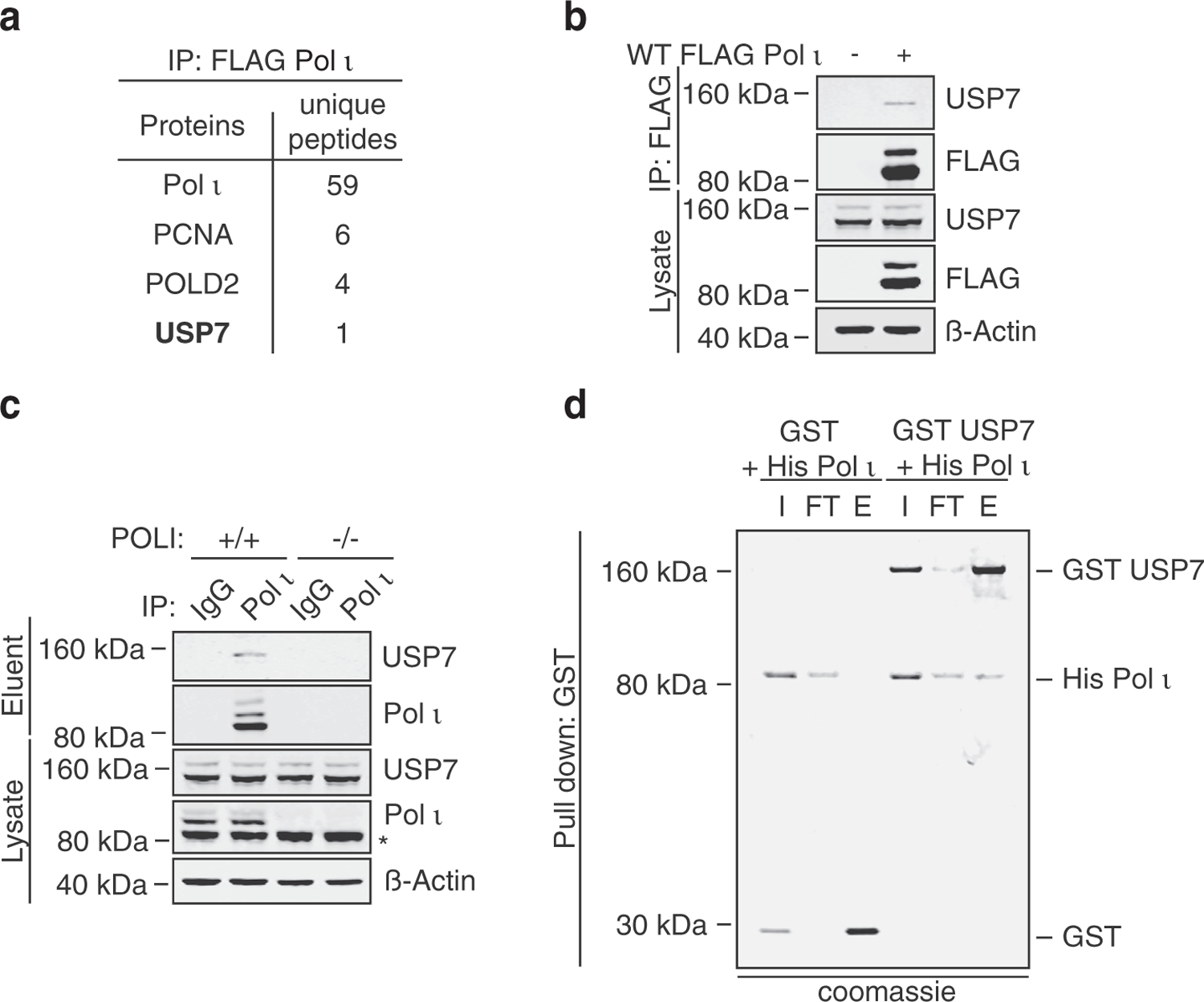
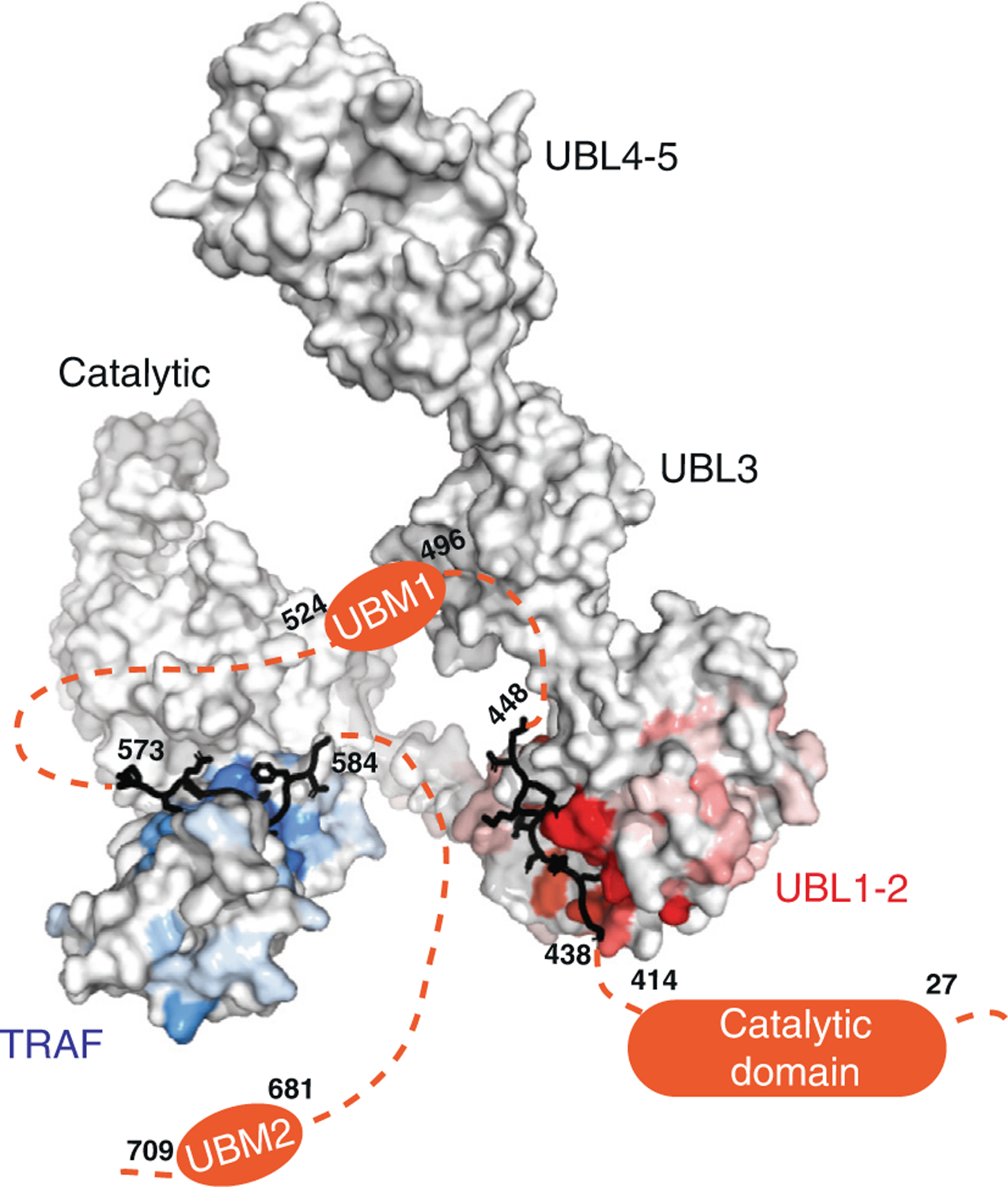
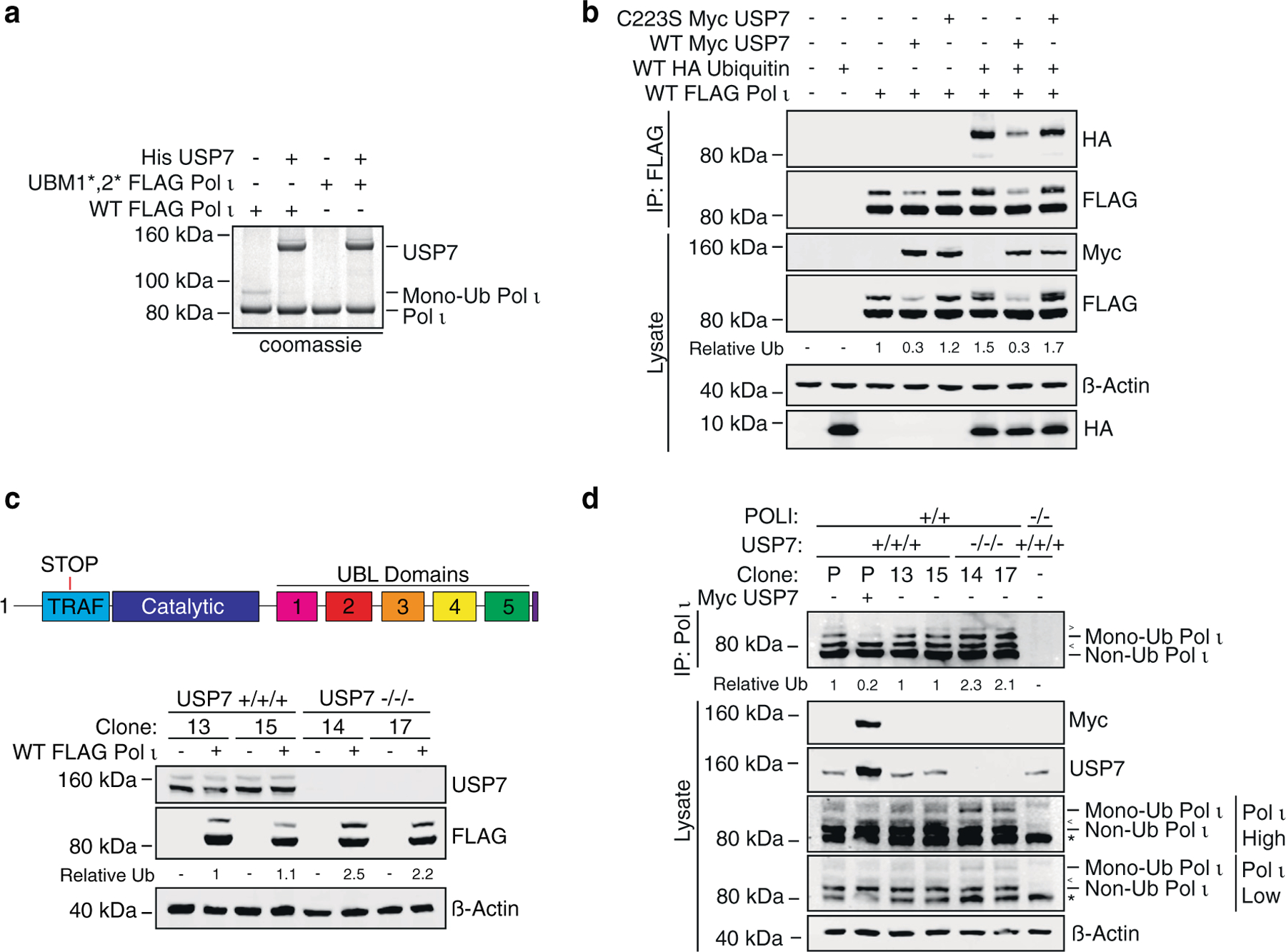
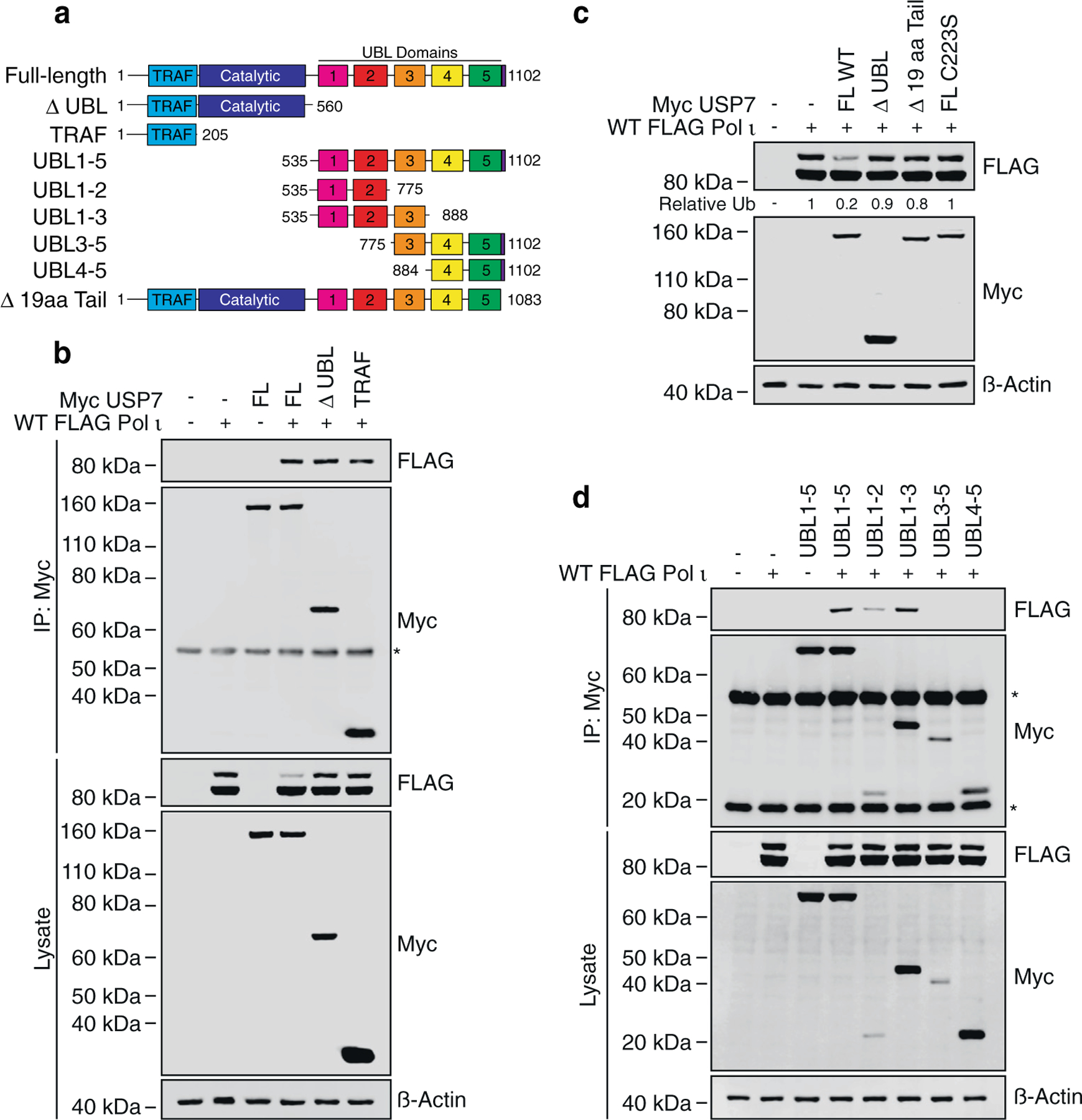
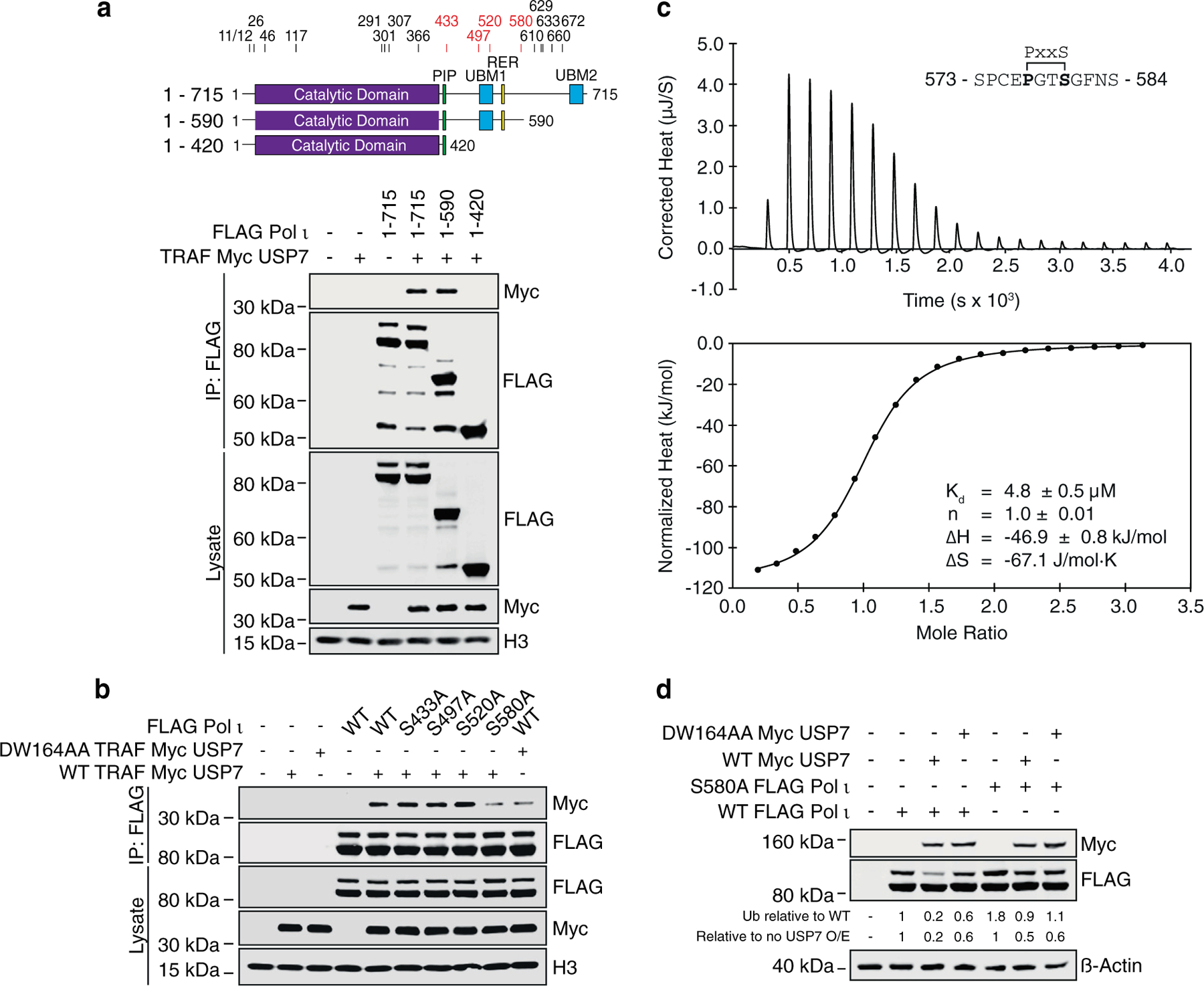
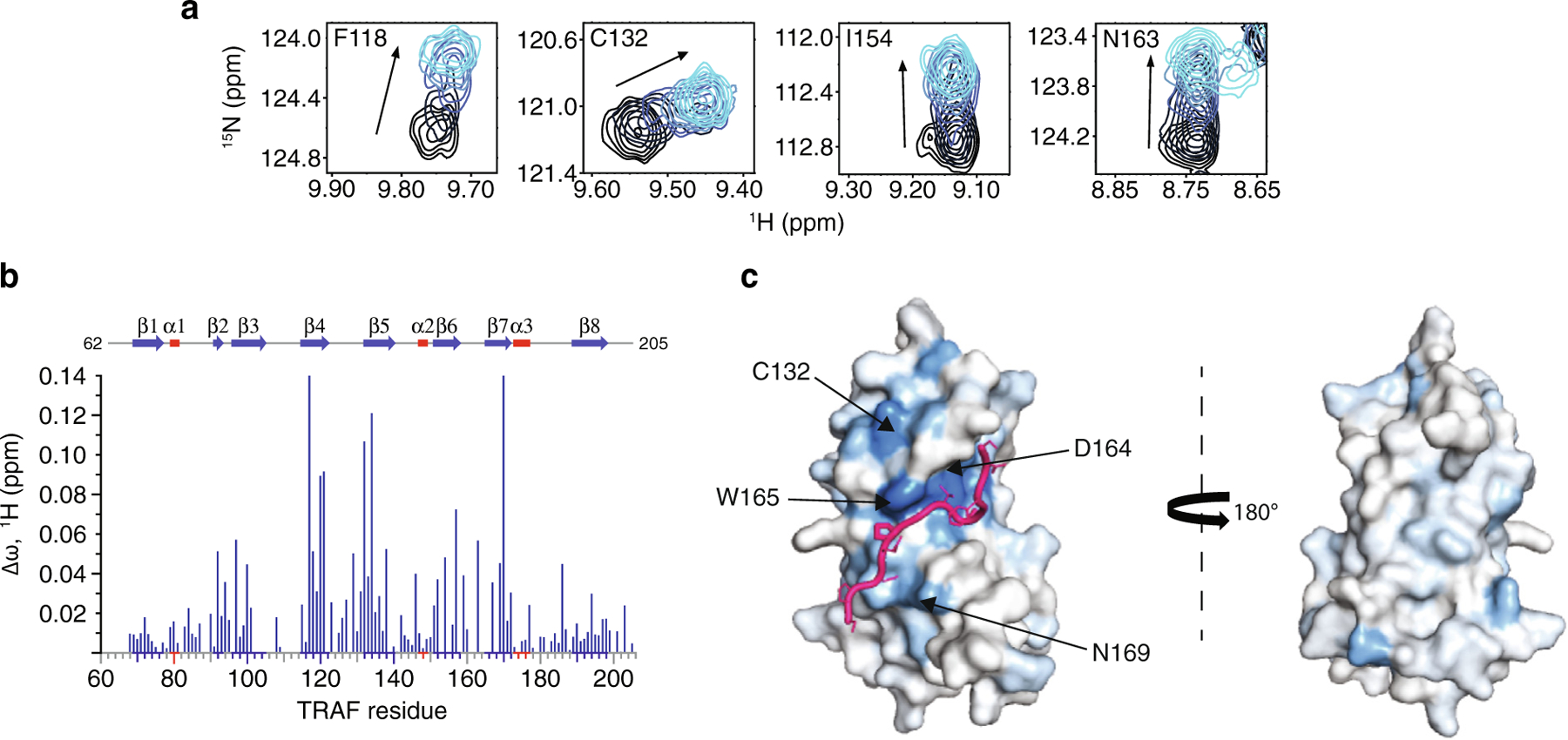
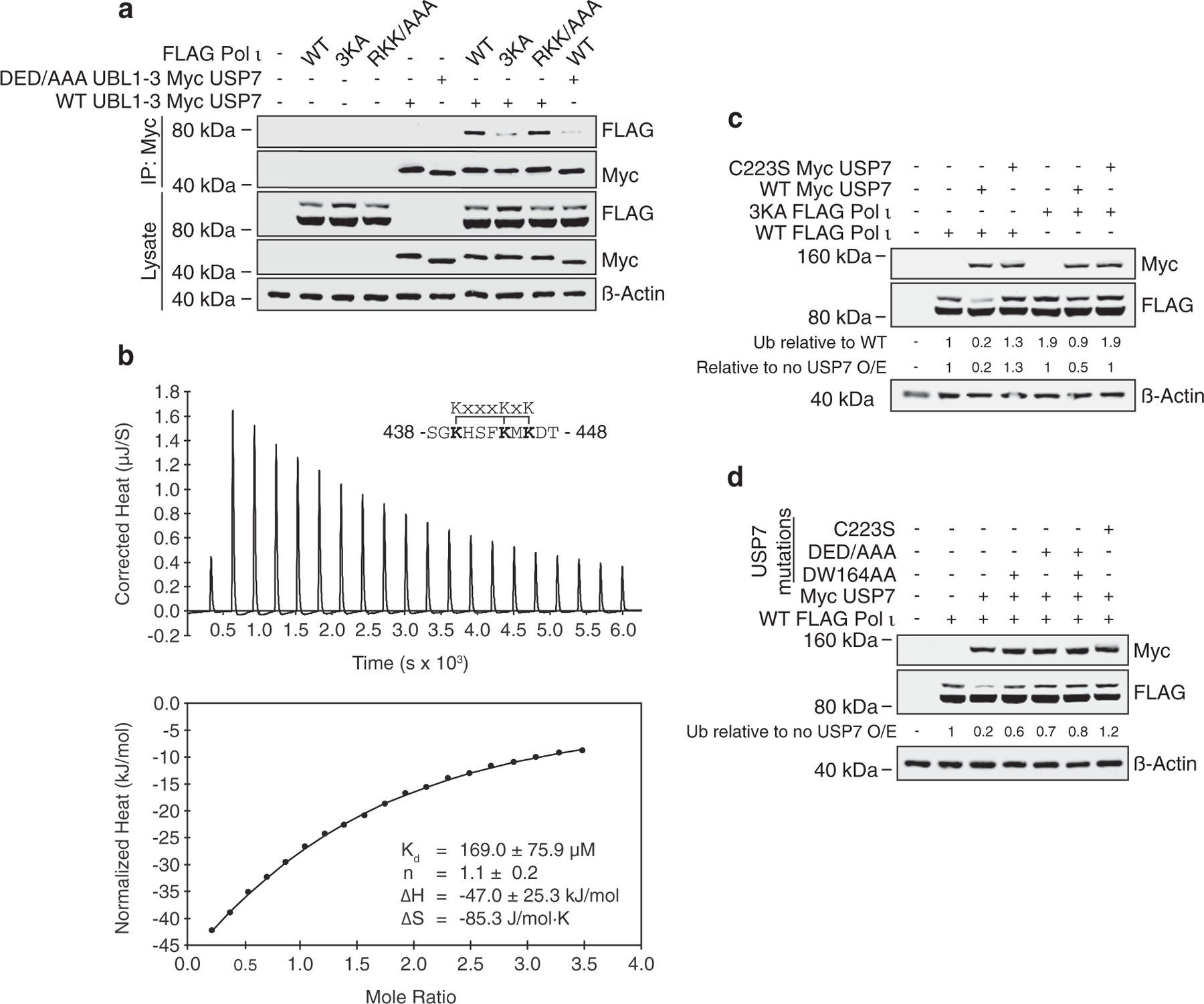
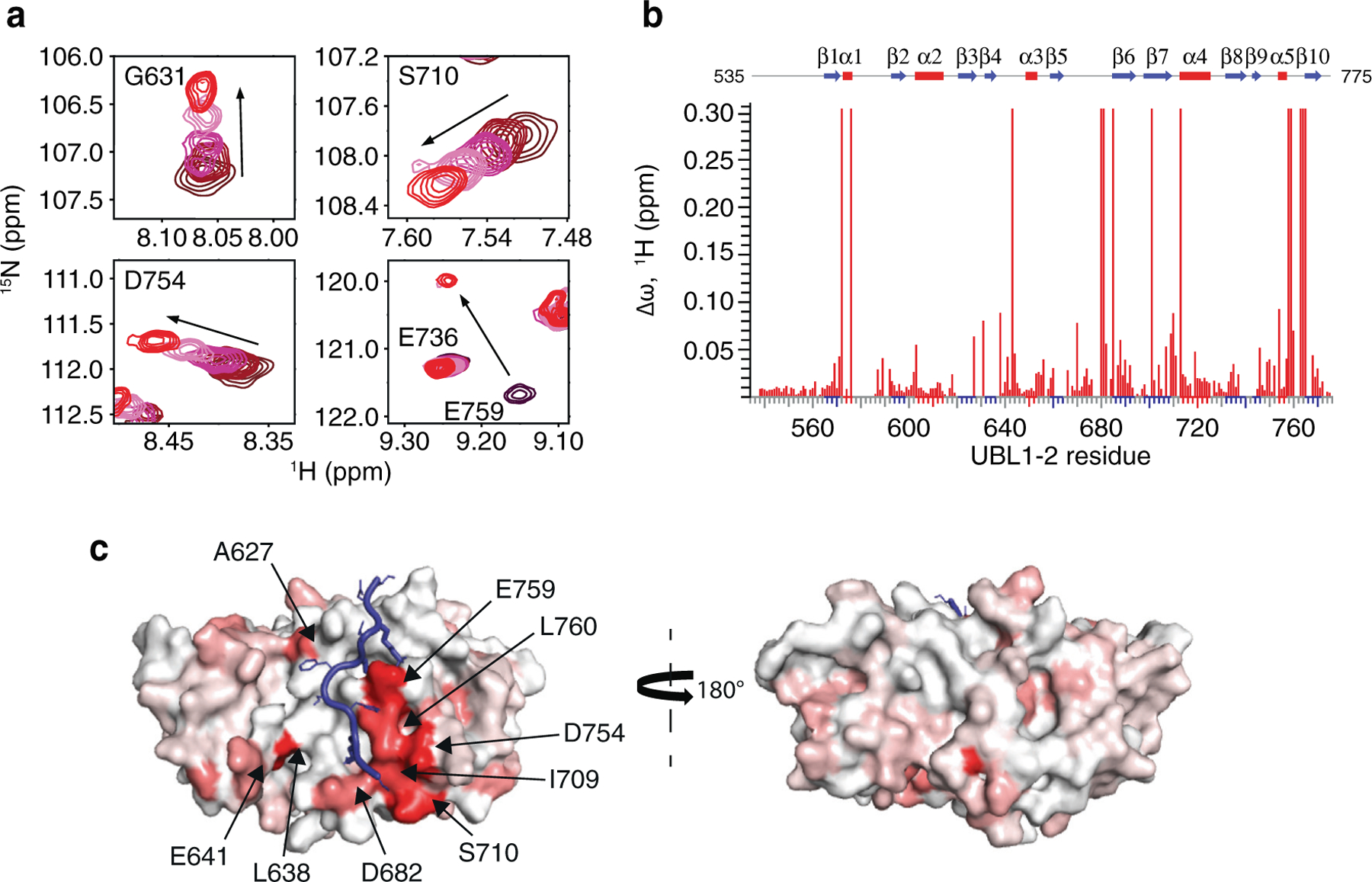
Reversible protein ubiquitination is an essential signaling mechanism within eukaryotes. Deubiquitinating enzymes are critical to this process, as they mediate removal of ubiquitin from substrate proteins. Ubiquitin-specific protease 7 (USP7) is a prominent deubiquitinating enzyme, with an extensive network of interacting partners and established roles in cell cycle activation, immune responses and DNA replication. Characterized USP7 substrates primarily interact with one of two major binding sites outside the catalytic domain. These are located on the USP7 N-terminal TRAF-like (TRAF) domain and the first and second UBL domains (UBL1-2) within the C-terminal tail. Here, we report that DNA polymerase iota (Pol ι) is a novel USP7 substrate that interacts with both TRAF and UBL1-2. Through the use of biophysical approaches and mutational analysis, we characterize both interfaces and demonstrate that bipartite binding to both USP7 domains is required for efficient Pol ι deubiquitination. Together, these data establish a new bipartite mode of USP7 substrate binding.
蛋白质可逆泛素化是真核生物中一种重要的信号转导机制。去泛素化酶对于这一过程至关重要,因为它们介导将泛素从底物蛋白上移除。泛素特异性蛋白酶 7(USP7)是一种重要的去泛素化酶,与广泛的相互作用伙伴网络相关,并在细胞周期激活、免疫反应和 DNA 复制中发挥作用。已鉴定的 USP7 底物主要与催化结构域外的两个主要结合位点之一相互作用。这些结合位点位于 USP7 N 端的 TRAF 样(TRAF)结构域和 C 端尾部的第一个和第二个 UBL 结构域(UBL1-2)上。在这里,我们报告 DNA 聚合酶iota(Pol ι)是一种新的 USP7 底物,与 TRAF 和 UBL1-2 都相互作用。通过使用生物物理方法和突变分析,我们对两个界面进行了特征描述,并证明了与两个 USP7 结构域的二部分结合对于有效的 Pol ι 去泛素化是必需的。总之,这些数据建立了 USP7 底物结合的新二部分模式。