Xu Sining, Tang Zhishu, Liu Hongbo, Wang Mei, Sun Jing, Song Zhongxing, Cui Chunli, Sun Chen, Liu Shijun, Wang Zheng, Yu Jingao
Shaanxi Collaborative Innovation Center of Chinese Medicinal Resources Industrialization Shaanxi University of Chinese Medicine Xianyang China.
Shaanxi Province Key Laboratory of New Drugs and Chinese Medicine Foundation Research Xianyang China.
Food Sci Nutr. 2020 Oct 22;8(11):5785-5797. doi: 10.1002/fsn3.1828. eCollection 2020 Nov.
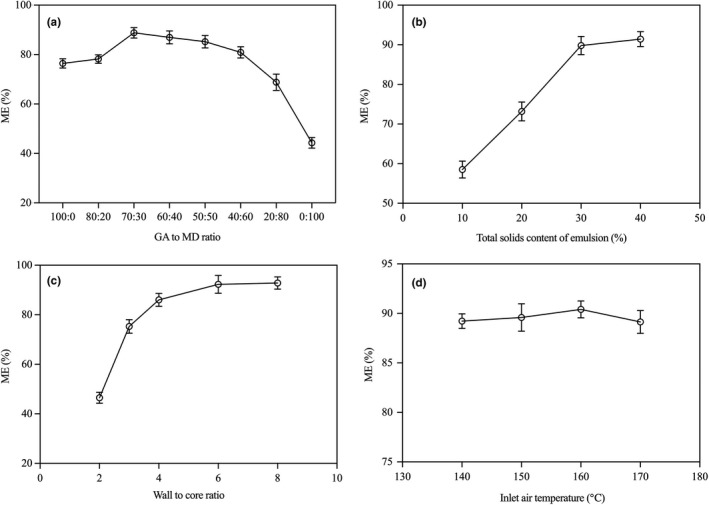
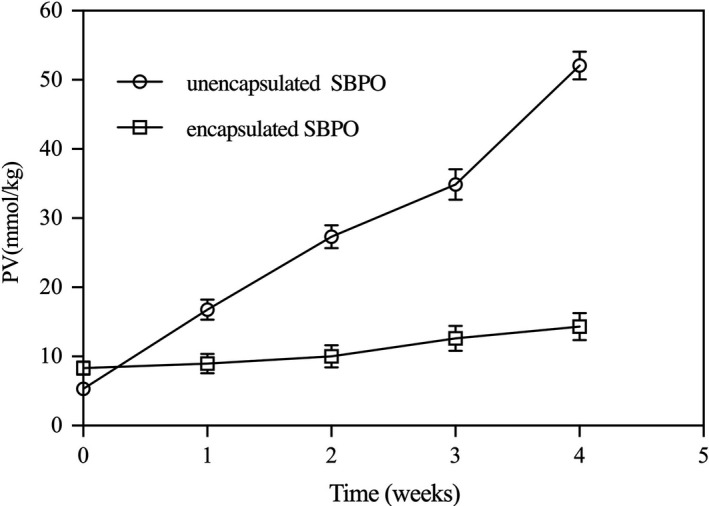
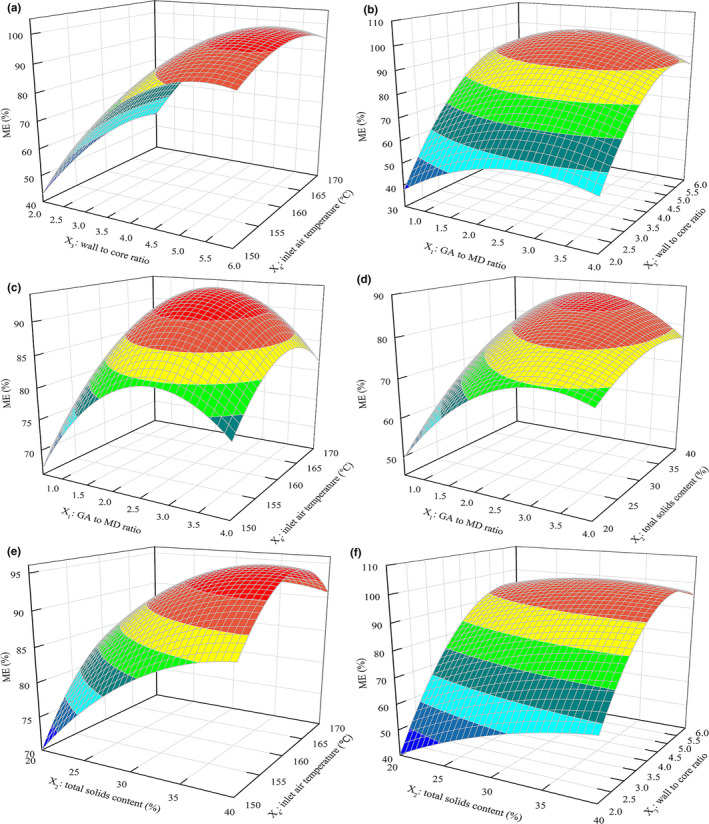
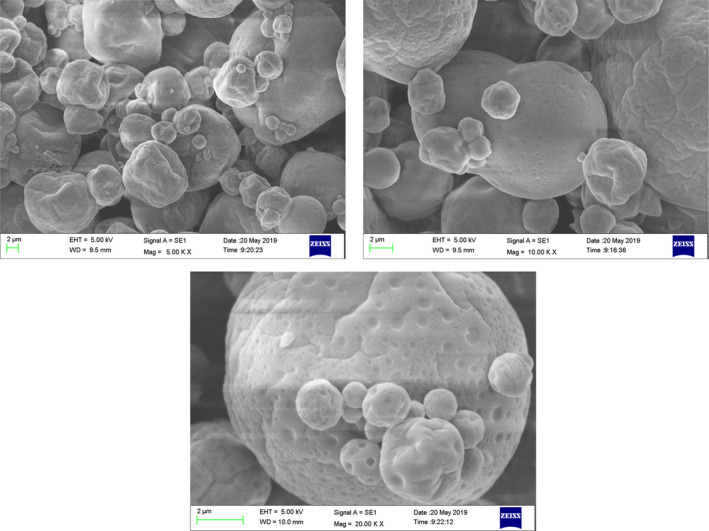
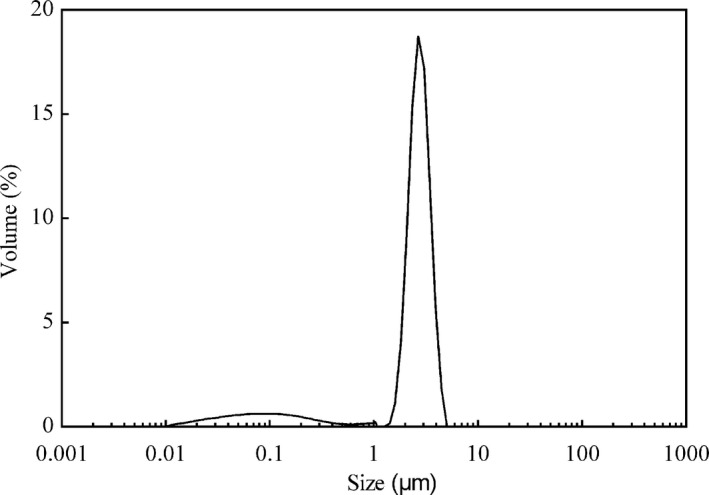
The aim of this work was to encapsulate sea buckthorn ( L.) pulp oil (SBPO) by spray drying. Gum Arabic (GA) and maltodextrins (MD) were used as wall materials. The effects of several factors, including GA to MD ratio, total solids content of emulsion, wall to core ratio, and inlet air temperature, on the microencapsulation efficiency (ME) were investigated. The optimization of operation conditions was realized by response surface methodology (RSM). The optimal conditions were as follows: GA to MD ratio 2.38, total solids content 39%, wall to core ratio 5.33, and inlet air temperature 154°C. Under the optimal conditions, the ME of SBPO microcapsules was 94.96 ± 1.42%. The physicochemical properties of microcapsules were also invested. SBPO microcapsules obtained had low water activity, low moisture content, high water solubility, and high bulk density. For the morphological characteristics, cracks and pores were not observed in most microcapsules, which was beneficial for the protection of ingredients in microcapsules. The particle size of SBPO microcapsules ranged from 0.01 to 5 μm, and the mean diameter was 2.55 μm. The analysis results of fourier transform infrared spectroscopy (FTIR) informed the presence of SBPO in microcapsules. There were no significant differences in the content of the main fatty acids in SBPO before and after spray drying. The results of oxidative stability showed that the microencapsulation by spray drying could effectively protect SBPO from oxidation and extend the shelf life of SBPO.
本研究旨在通过喷雾干燥法对沙棘(L.)果肉油(SBPO)进行微胶囊化。以阿拉伯胶(GA)和麦芽糊精(MD)作为壁材。研究了GA与MD比例、乳液总固形物含量、壁材与芯材比例以及进风温度等因素对微胶囊化效率(ME)的影响。通过响应面法(RSM)实现了操作条件的优化。最佳条件如下:GA与MD比例为2.38,总固形物含量为39%,壁材与芯材比例为5.33,进风温度为154℃。在最佳条件下,SBPO微胶囊的微胶囊化效率为94.96±1.42%。还对微胶囊的理化性质进行了研究。所制备的SBPO微胶囊具有低水分活度、低含水量、高水溶性和高堆积密度。在形态特征方面,大多数微胶囊未观察到裂缝和孔隙,这有利于保护微胶囊中的成分。SBPO微胶囊的粒径范围为0.01至5μm,平均直径为2.55μm。傅里叶变换红外光谱(FTIR)分析结果表明微胶囊中存在SBPO。喷雾干燥前后SBPO中主要脂肪酸的含量没有显著差异。氧化稳定性结果表明,喷雾干燥微胶囊化可以有效保护SBPO不被氧化,并延长SBPO的货架期。