Was Halina, Cichon Tomasz, Smolarczyk Ryszard, Lackowska Bozena, Mazur-Bialy Agnieszka, Mazur Magdalena, Szade Agata, Dominik Pawel, Mazan Milena, Kotlinowski Jerzy, Zebzda Anna, Kusienicka Anna, Kieda Claudine, Dulak Jozef, Jozkowicz Alicja
Department of Medical Biotechnology, Faculty of Biochemistry, Biophysics and Biotechnology, Jagiellonian University, 30-387 Krakow, Poland.
Laboratory of Molecular Oncology and Innovative Therapies, Military Institute of Medicine, 04-141 Warsaw, Poland.
Antioxidants (Basel). 2020 Dec 3;9(12):1223. doi: 10.3390/antiox9121223.
Heme oxygenase-1 (HO-1) is a cytoprotective, proangiogenic and anti-inflammatory enzyme that is often upregulated in tumors. Overexpression of HO-1 in melanoma cells leads to enhanced tumor growth, augmented angiogenesis and resistance to anticancer treatment. The effect of HO-1 in host cells on tumor development is, however, hardly known.
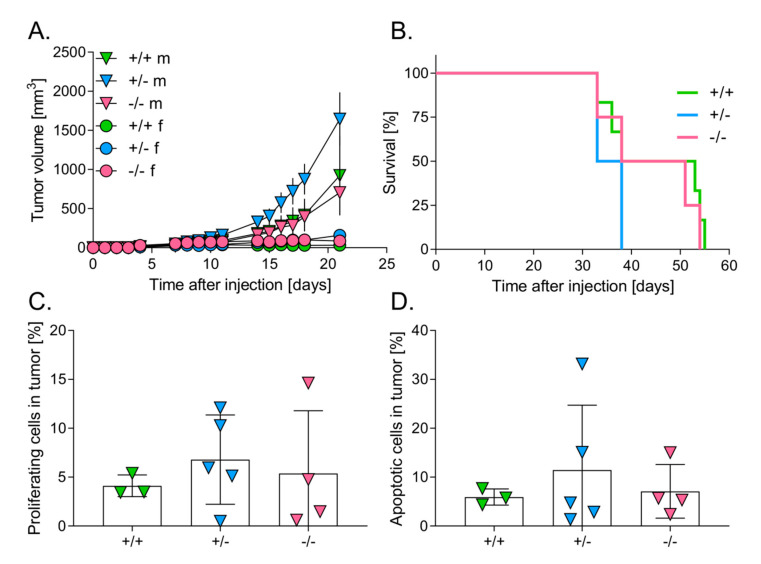
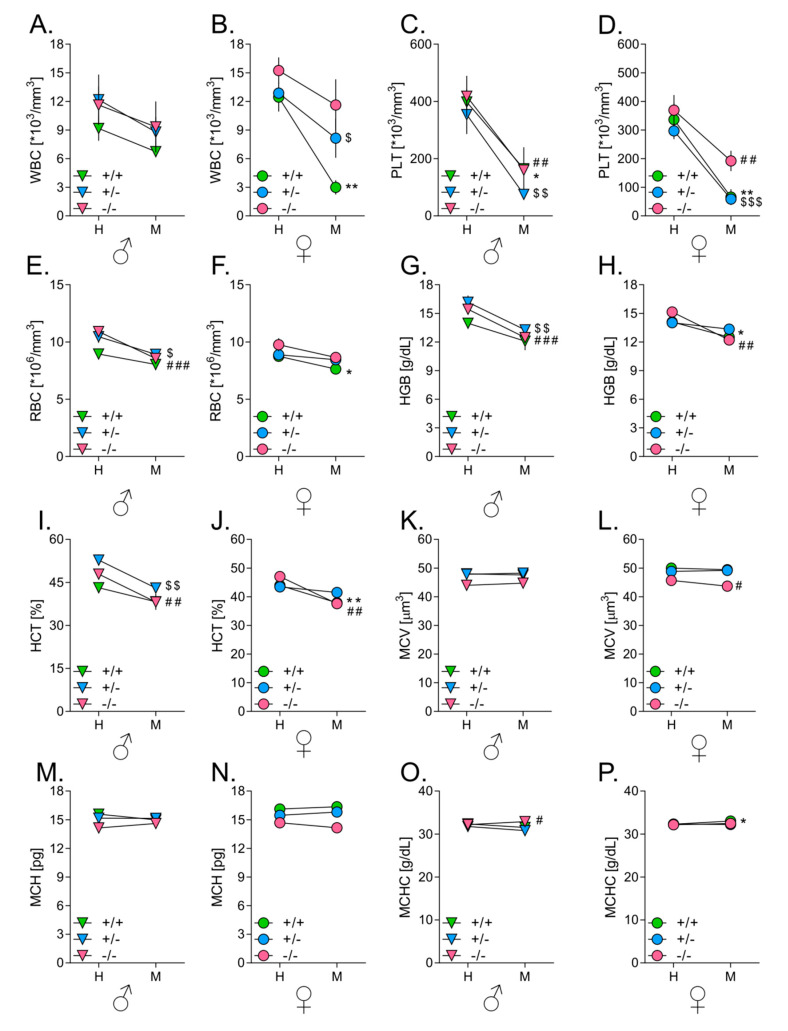
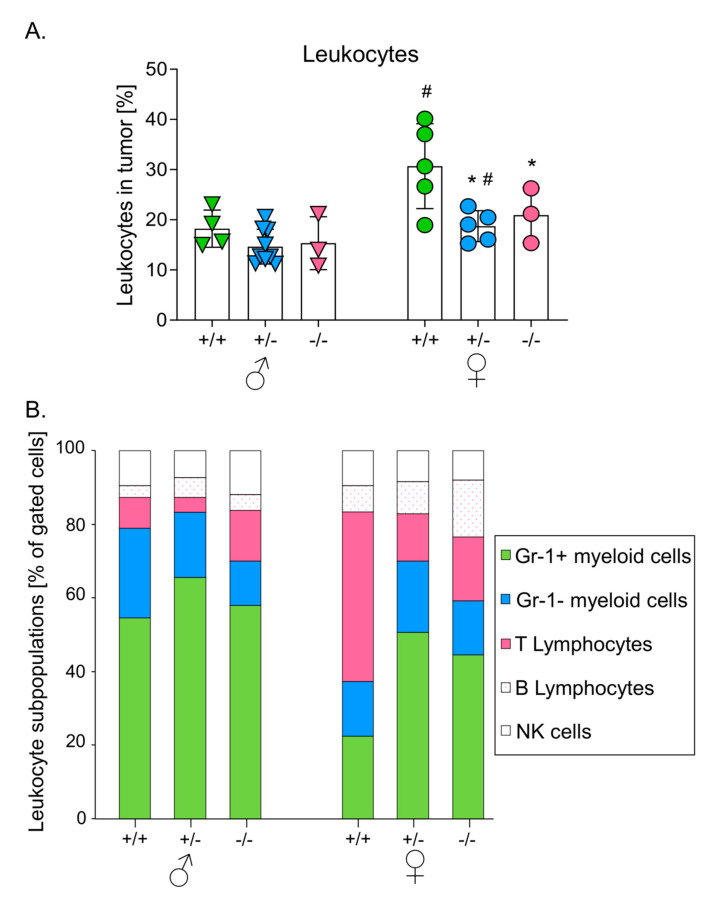
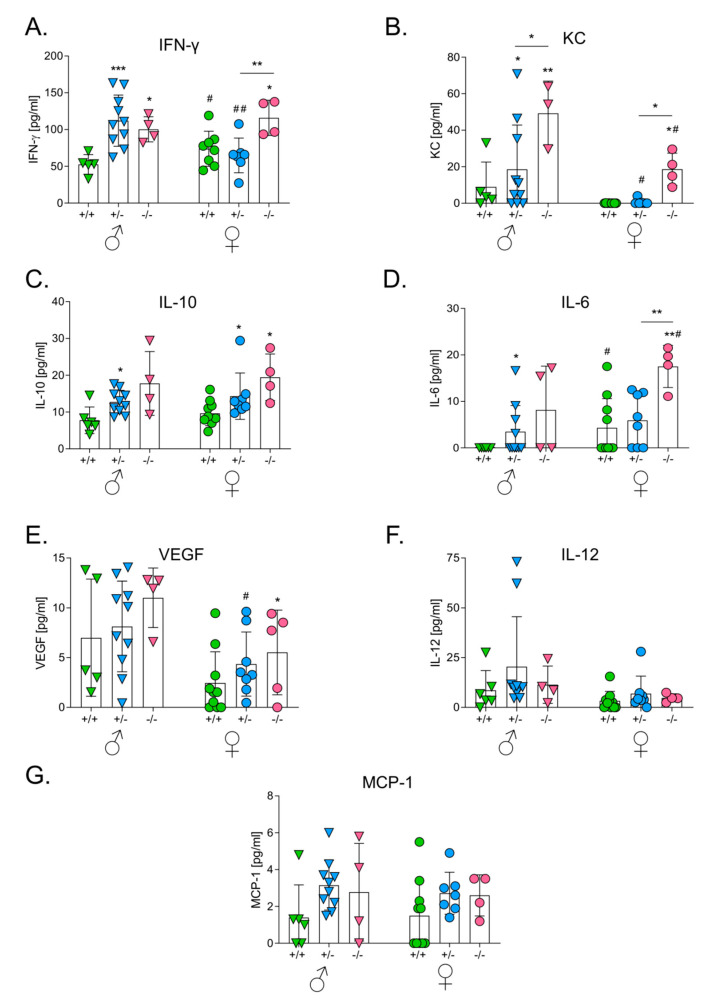
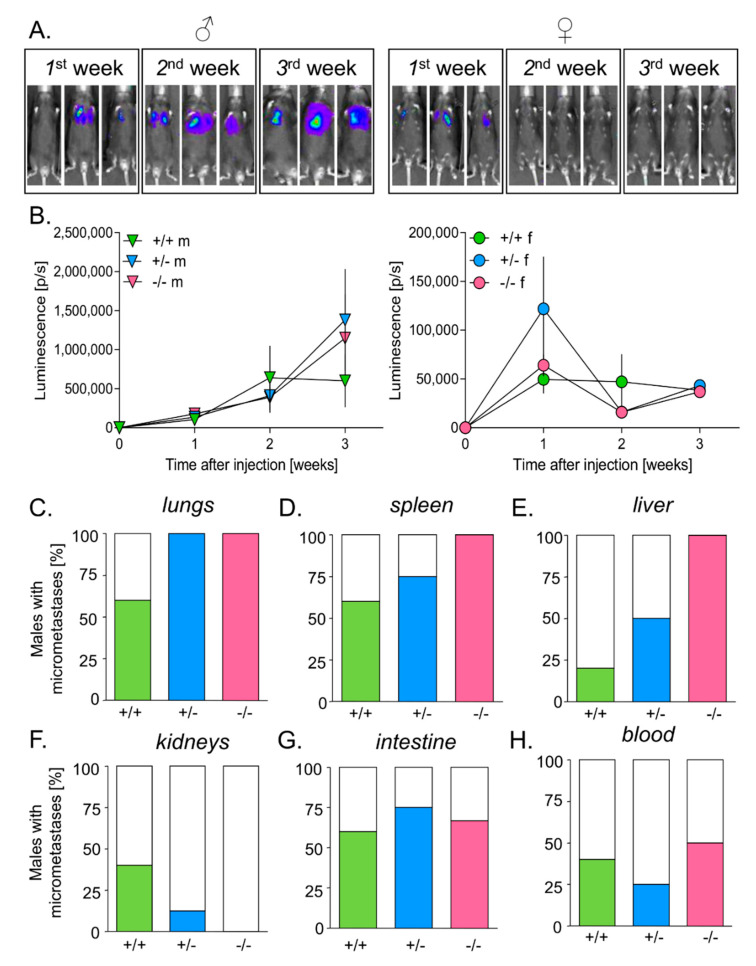
To clarify the effect of HO-1 expression in host cells on melanoma progression, C57BL/6xFvB mice of different HO-1 genotypes, HO-1, HO-1, and HO-1, were injected with the syngeneic wild-type murine melanoma B16(F10) cell line. Lack of HO-1 in host cells did not significantly influence the host survival. Nevertheless, in comparison to the wild-type counterparts, the HO-1 and HO-1 males formed bigger tumors, and more numerous lung nodules; in addition, more of them had liver and spleen micrometastases. Females of all genotypes developed at least 10 times smaller tumors than males. Of importance, the growth of primary and secondary tumors was completely blocked in HO-1 females. This was related to the increased infiltration of leukocytes (mainly lymphocytes T) in primary tumors.
Although HO-1 overexpression in melanoma cells can enhance tumor progression in mice, its presence in host cells, including immune cells, can reduce growth and metastasis of melanoma.
血红素加氧酶-1(HO-1)是一种具有细胞保护、促血管生成和抗炎作用的酶,在肿瘤中常上调表达。黑色素瘤细胞中HO-1的过表达会导致肿瘤生长加快、血管生成增加以及对抗癌治疗产生耐药性。然而,HO-1在宿主细胞中对肿瘤发展的影响却鲜为人知。
为阐明宿主细胞中HO-1表达对黑色素瘤进展的影响,将同基因野生型小鼠黑色素瘤B16(F10)细胞系注射到不同HO-1基因型(HO-1⁺/⁺、HO-1⁺/⁻和HO-1⁻/⁻)的C57BL/6xFvB小鼠体内。宿主细胞中缺乏HO-1对宿主存活率没有显著影响。然而,与野生型对照相比,HO-1⁺/⁻和HO-1⁻/⁻雄性小鼠形成的肿瘤更大,肺结节更多;此外,它们中有更多出现肝和脾微转移。所有基因型的雌性小鼠形成的肿瘤比雄性小鼠至少小10倍。重要的是,HO-1⁺/⁺雌性小鼠的原发性和继发性肿瘤生长完全受阻。这与原发性肿瘤中白细胞(主要是T淋巴细胞)浸润增加有关。
虽然黑色素瘤细胞中HO-1的过表达可增强小鼠肿瘤进展,但其在包括免疫细胞在内的宿主细胞中的存在可减少黑色素瘤的生长和转移。