Brain Research Centre and Department of Biology, Southern University of Science and Technology, Shenzhen, Guangdong Province, China.
Brain Research Centre and Department of Biology, Southern University of Science and Technology, Shenzhen, Guangdong Province, China; Department of Biochemistry, Microbiology, and Immunology, Faculty of Medicine, University of Ottawa, Ottawa, Ontario, Canada.
J Biol Chem. 2021 Jan-Jun;296:100151. doi: 10.1074/jbc.RA120.016565. Epub 2020 Dec 10.
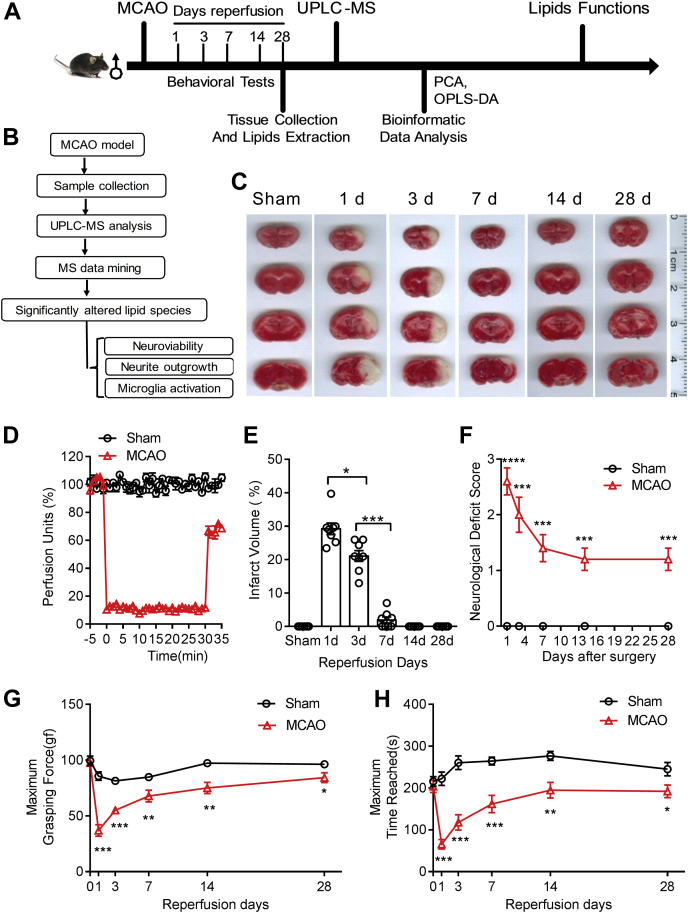
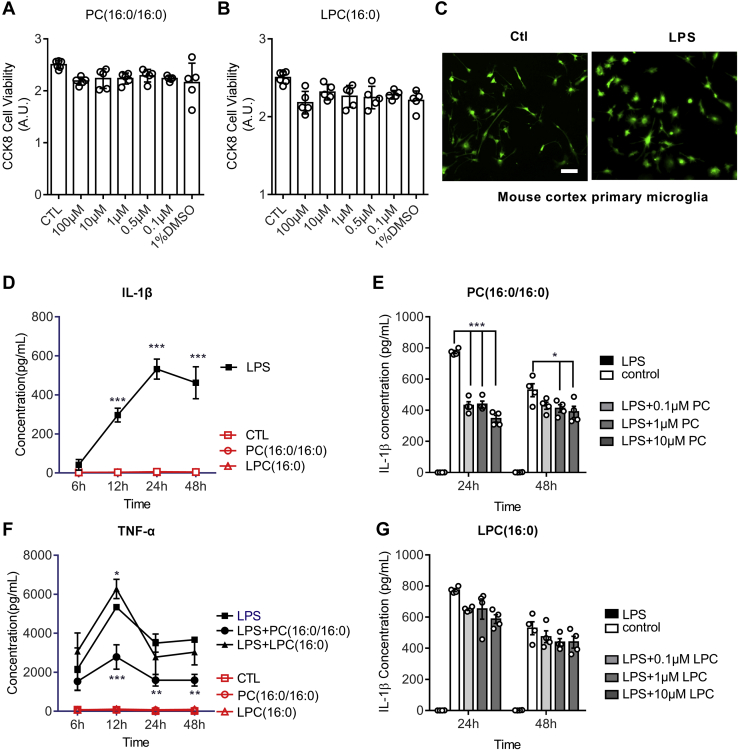
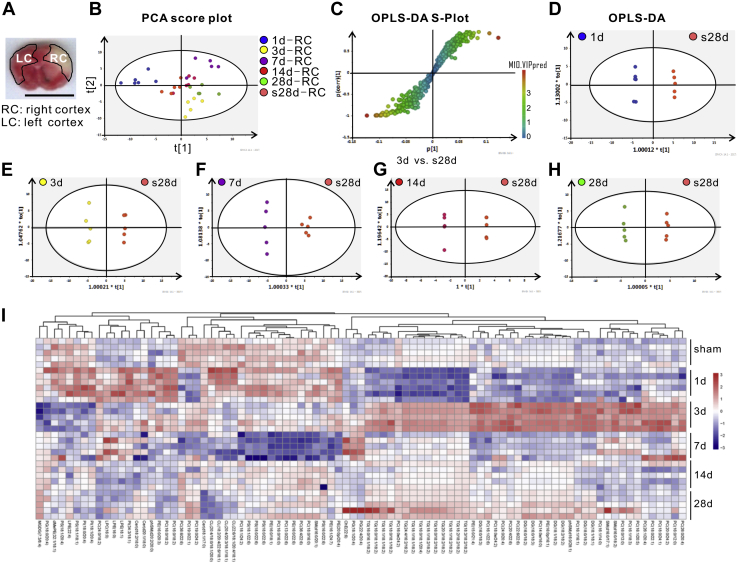
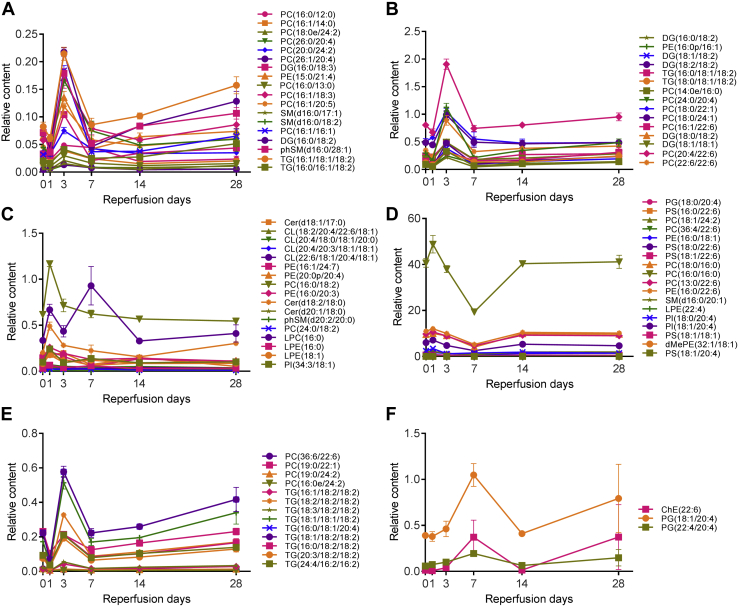
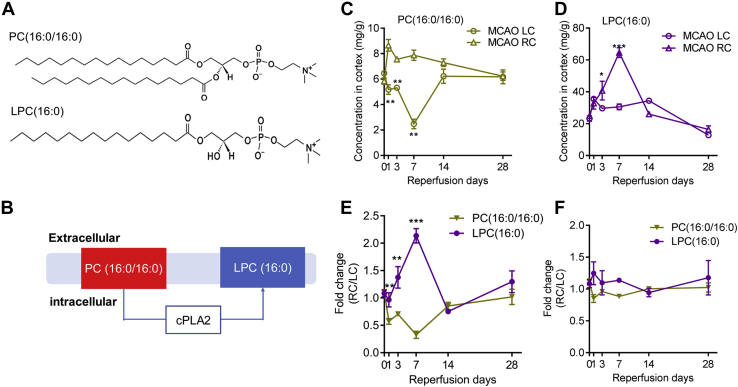
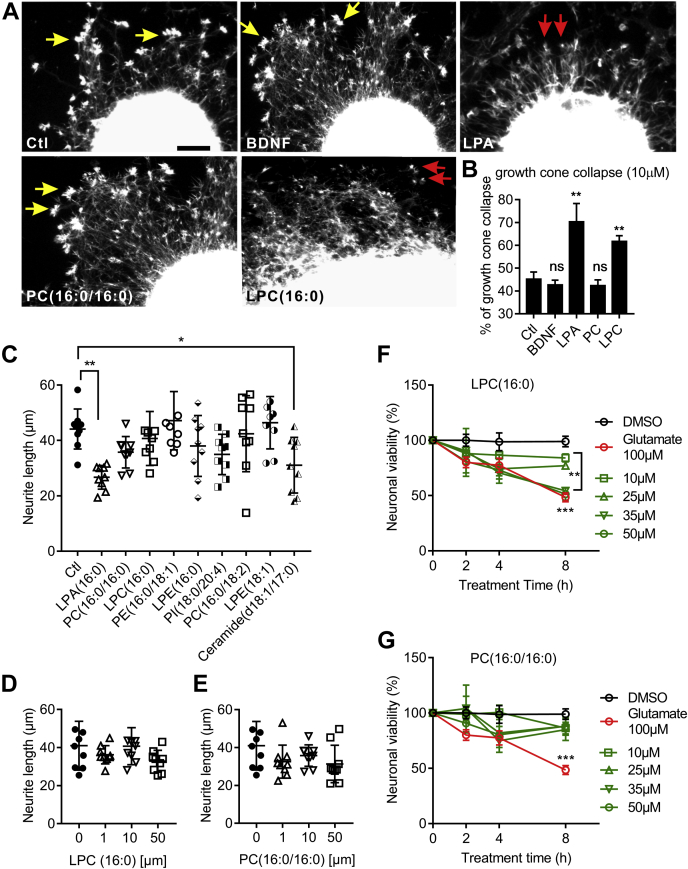
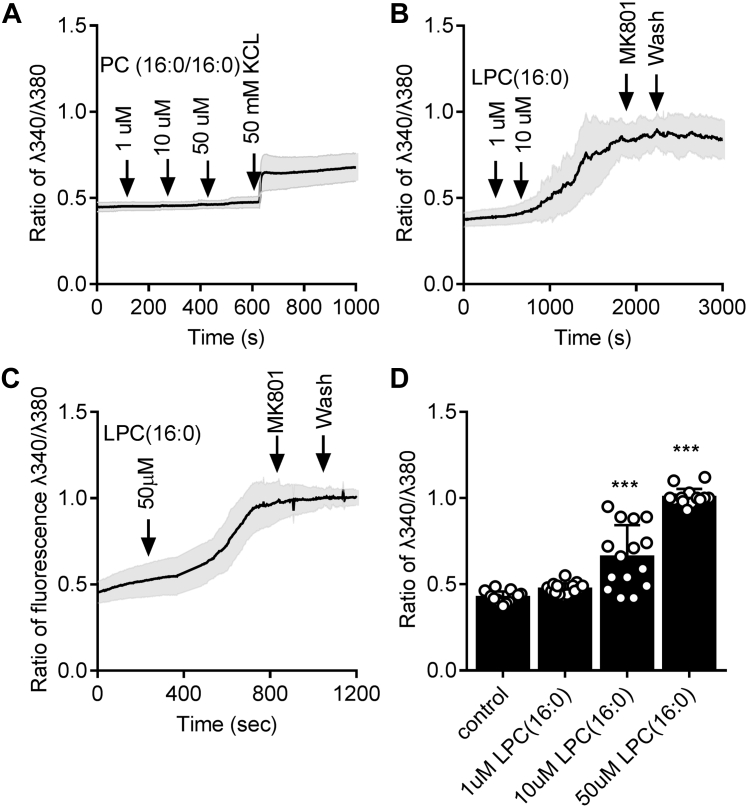
Promoting brain recovery after stroke is challenging as a plethora of inhibitory molecules are produced in the brain preventing it from full healing. Moreover, the full scope of inhibitory molecules produced is not well understood. Here, using a high-sensitivity UPLC-MS-based shotgun lipidomics strategy, we semiquantitively measured the differential lipid contents in the mouse cerebral cortex recovering from a transient middle cerebral artery occlusion (MCAO). The lipidomic data were interrogated using the soft independent modeling of class analogy (SIMCA) method involving principal component analysis (PCA) and orthogonal partial least squares discriminant analysis (OPLS-DA). Statistics of the 578 confirmed lipids revealed 84 species were differentially changed during MCAO/reperfusion. The most dynamic changes in lipids occurred between 1 and 7 days post-MCAO, whereas concentrations had subsided to the Sham group level at 14 and 28 days post-MCAO. Quantitative analyses revealed a strong monotonic relationship between the reduction in phosphatidylcholine (PC)(16:0/16:0) and the increase in lysophosphatidylcholine (LPC)(16:0) levels (Spearman's Rs = -0.86) during the 1 to 7 days reperfusion period. Inhibition of cPLA2 prevented changes in the ratio between PC(16:0/16:0) and LPC(16:0), indicating altered Land's cycle of PC. A series of in vitro studies showed that LPC(16:0), but not PC(16:0/16:0), was detrimental to the integrity of neuronal growth cones and neuronal viability through evoking intracellular calcium influx. In contrast, PC(16:0/16:0) significantly suppressed microglial secretion of IL-1β and TNF-α, limiting neuroinflammation pathways. Together, these data support the role of the imbalanced ratio between PC(16:0/16:0) and LPC(16:0), maintained by Lands' cycle, in neuronal damage and microglia-mediated inflammatory response during ischemic recovery.
促进中风后的大脑恢复具有挑战性,因为在大脑中产生了大量的抑制性分子,阻止其完全愈合。此外,产生的抑制性分子的全貌还没有被很好地理解。在这里,我们使用基于超灵敏 UPLC-MS 的 shotgun 脂质组学策略,对半定量测量了从短暂性大脑中动脉闭塞 (MCAO) 中恢复的小鼠大脑皮层中的差异脂质含量。使用软独立建模的类模拟 (SIMCA) 方法(包括主成分分析 (PCA) 和正交偏最小二乘判别分析 (OPLS-DA))对脂质组学数据进行了询问。对 578 种已确认脂质的统计学分析显示,在 MCAO/再灌注期间有 84 种脂质发生了差异变化。脂质的最动态变化发生在 MCAO 后 1 至 7 天,而在 MCAO 后 14 和 28 天,浓度已降至 Sham 组水平。定量分析显示,在 1 至 7 天再灌注期间,PC(16:0/16:0)的减少与 LPC(16:0)水平的增加之间存在很强的单调关系(Spearman 的 Rs=-0.86)。cPLA2 的抑制作用阻止了 PC(16:0/16:0)和 LPC(16:0)之间比值的变化,表明 PC 的 Land 循环发生了改变。一系列体外研究表明,LPC(16:0)而不是 PC(16:0/16:0)通过诱发细胞内钙内流对神经元生长锥的完整性和神经元活力有害。相比之下,PC(16:0/16:0)显著抑制小胶质细胞分泌 IL-1β 和 TNF-α,限制了神经炎症途径。总之,这些数据支持了由 Land 循环维持的 PC(16:0/16:0)和 LPC(16:0)之间不平衡的比率在缺血性恢复期间神经元损伤和小胶质细胞介导的炎症反应中的作用。