Righetti Giada, Casale Monica, Tonelli Michele, Liessi Nara, Fossa Paola, Pedemonte Nicoletta, Millo Enrico, Cichero Elena
Department of Pharmacy, Section of Medicinal Chemistry, School of Medical and Pharmaceutical Sciences, University of Genoa, Viale Benedetto XV 3, 16132 Genoa, Italy.
Department of Pharmacy, Section of Chemistry and Food and Pharmaceutical Technologies, University of Genoa, Viale Cembrano 4, 16148 Genoa, Italy.
Pharmaceuticals (Basel). 2020 Dec 4;13(12):445. doi: 10.3390/ph13120445.
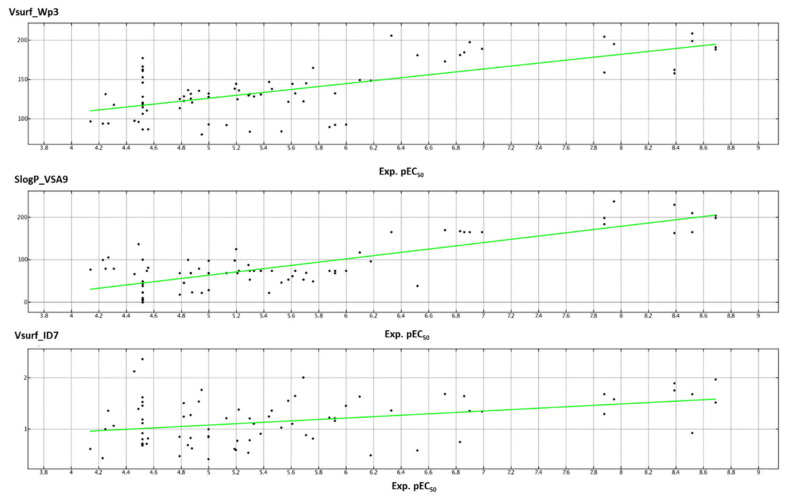
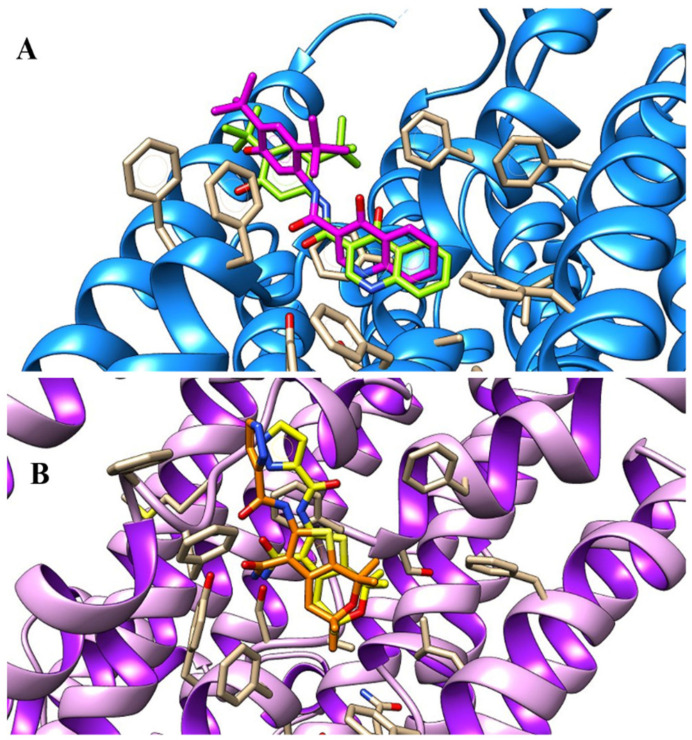
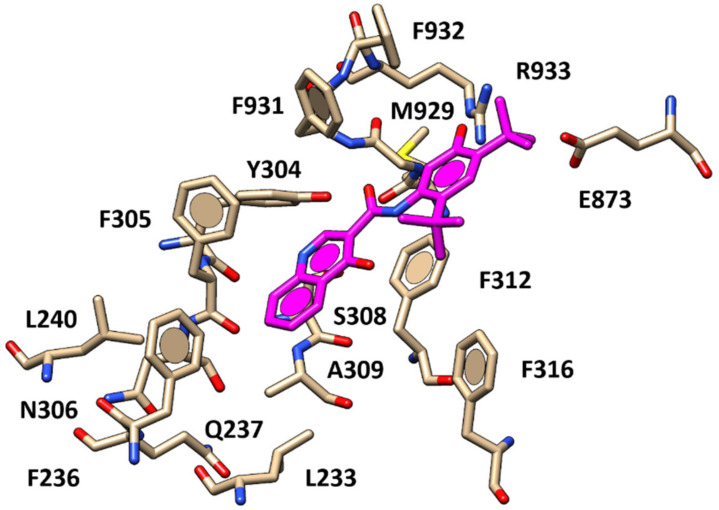
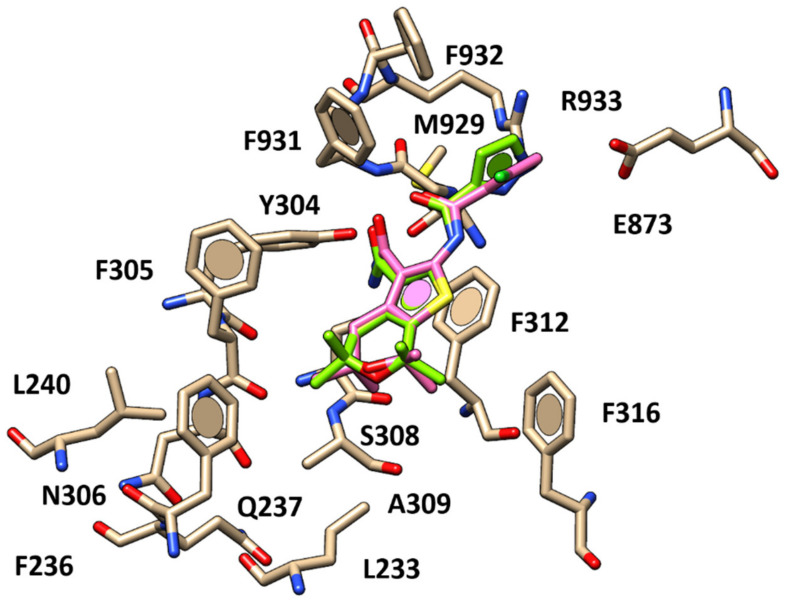
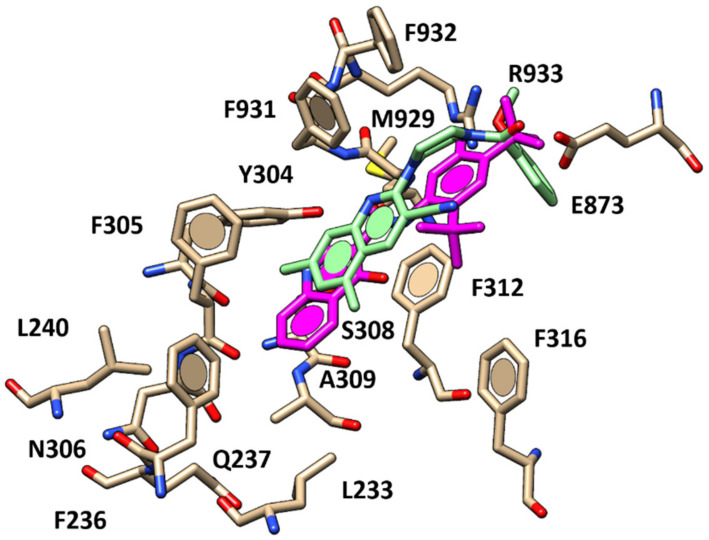
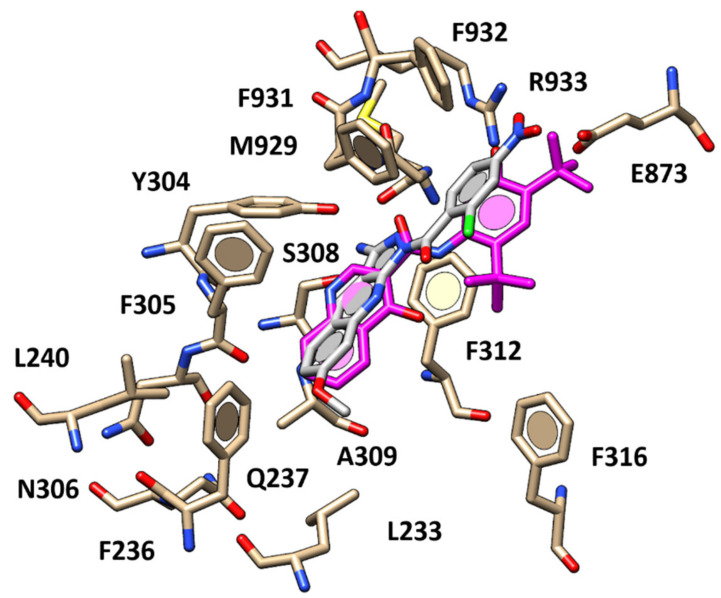
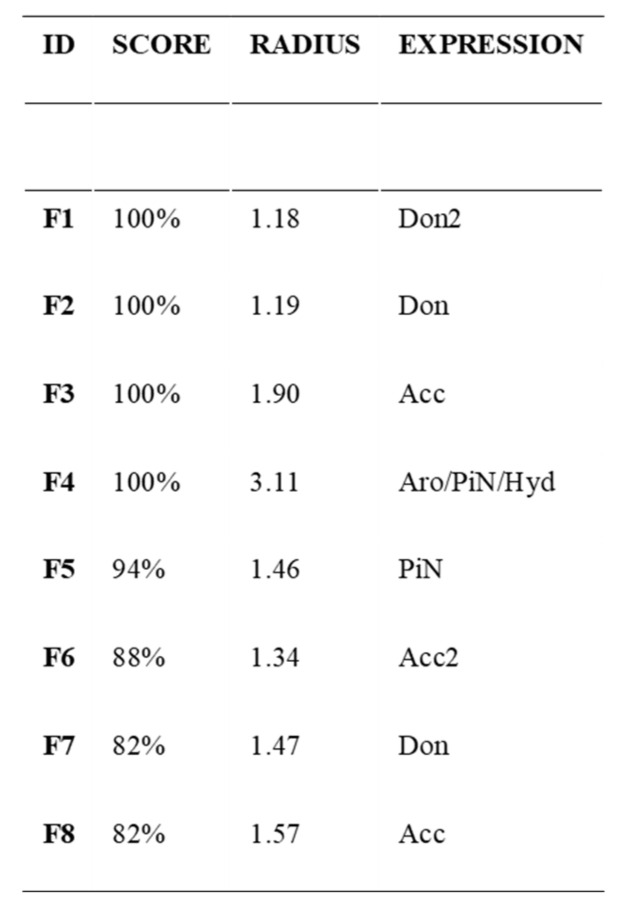
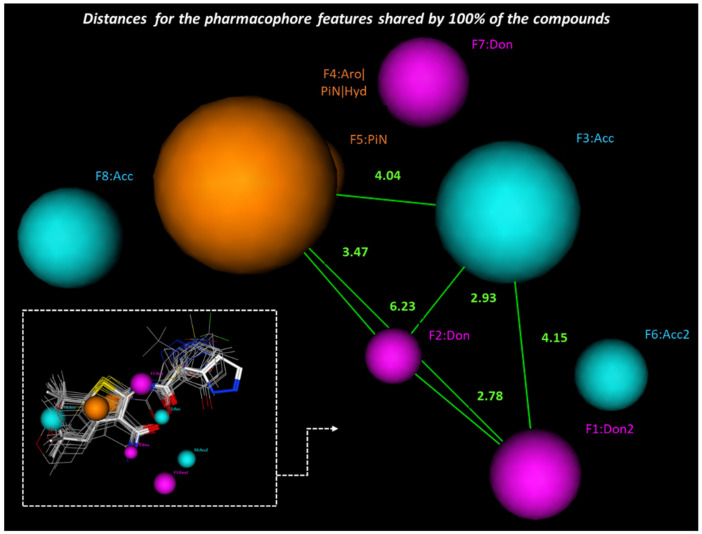
Cystic fibrosis (CF) is the autosomal recessive disorder most recurrent in Caucasian populations. To combat this disease, many life-prolonging therapies are required and deeply investigated, including the development of the so-called cystic fibrosis transmembrane conductance regulator (CFTR) modulators, such as correctors and potentiators. Combination therapy with the two series of drugs led to the approval of several multi-drug effective treatments, such as Orkambi, and to the recent promising evaluation of the triple-combination Elexacaftor-Tezacaftor-Ivacaftor. This scenario enlightened the effectiveness of the multi-drug approach to pave the way for the discovery of novel therapeutic agents to contrast CF. The recent X-crystallographic data about the human CFTR in complex with the well-known potentiator Ivacaftor (VX-770) opened the possibility to apply a computational study aimed to explore the key features involved in the potentiator binding. Herein, we discussed molecular docking studies performed onto the chemotypes so far discussed in the literature as CFTR potentiator, reporting the most relevant interactions responsible for their mechanism of action, involving Van der Waals interactions and π-π stacking with F236, Y304, F305 and F312, as well as H-bonding F931, Y304, S308 and R933. This kind of positioning will stabilize the effective potentiator at the CFTR channel. These data have been accompanied by pharmacophore analyses, which promoted the design of novel derivatives endowed with a main (hetero)aromatic core connected to proper substituents, featuring H-bonding moieties. A highly predictive quantitative-structure activity relationship (QSAR) model has been developed, giving a cross-validated r (r) = 0.74, a non-cross validated r (r) = 0.90, root mean square error (RMSE) = 0.347, and a test set r (r) = 0.86. On the whole, the results are expected to gain useful information to guide the further development and optimization of new CFTR potentiators.
囊性纤维化(CF)是白种人群中最常见的常染色体隐性疾病。为了对抗这种疾病,需要许多延长生命的疗法并进行深入研究,包括开发所谓的囊性纤维化跨膜传导调节因子(CFTR)调节剂,如校正剂和增强剂。这两类药物的联合治疗促成了几种多药有效治疗方案的获批,如奥卡比(Orkambi),以及近期三联组合疗法艾列卡福托-替扎卡福托-依伐卡托(Elexacaftor-Tezacaftor-Ivacaftor)的前景评估。这种情况凸显了多药治疗方法的有效性,为发现对抗CF的新型治疗药物铺平了道路。最近关于人类CFTR与著名增强剂依伐卡托(VX-770)复合物的X射线晶体学数据,开启了进行计算研究以探索增强剂结合所涉及关键特征的可能性。在此,我们讨论了针对文献中迄今作为CFTR增强剂讨论的化学类型进行的分子对接研究,报告了其作用机制中最相关的相互作用,包括与F236、Y304、F305和F312的范德华相互作用和π-π堆积,以及与F931、Y304、S308和R933的氢键作用。这种定位将使有效的增强剂稳定在CFTR通道处。这些数据还伴随着药效团分析,促进了具有连接适当取代基的主要(杂)芳族核心、具有氢键部分的新型衍生物的设计。已开发出一个高度预测性的定量构效关系(QSAR)模型,交叉验证r(r)=0.74,非交叉验证r(r)=0.90,均方根误差(RMSE)=0.347,测试集r(r)=0.86。总体而言,预期这些结果将获得有用信息,以指导新型CFTR增强剂的进一步开发和优化。