Kazi Gulsan Ara Sathi, Yamagiwa Ryo
Department of Biosystems Engineering, Graduate School of Science and Technology, Yamagata University, Yamagata, Japan.
Restor Dent Endod. 2020 Oct 14;45(4):e52. doi: 10.5395/rde.2020.45.e52. eCollection 2020 Nov.
Yttria-stabilized tetragonal phase zirconia has been used as a dental restorative material for over a decade. While it is still the strongest and toughest ceramic, its translucency remains as a significant drawback. To overcome this, stabilizing the translucency zirconia to a significant cubic crystalline phase by increasing the yttria content to more than 8 mol% (8YTZP). However, the biocompatibility of a high amount of yttria is still an important topic that needs to be investigated.
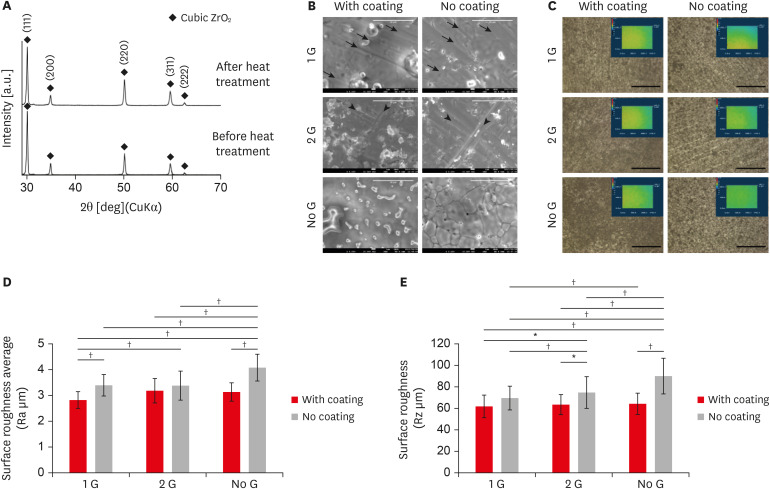
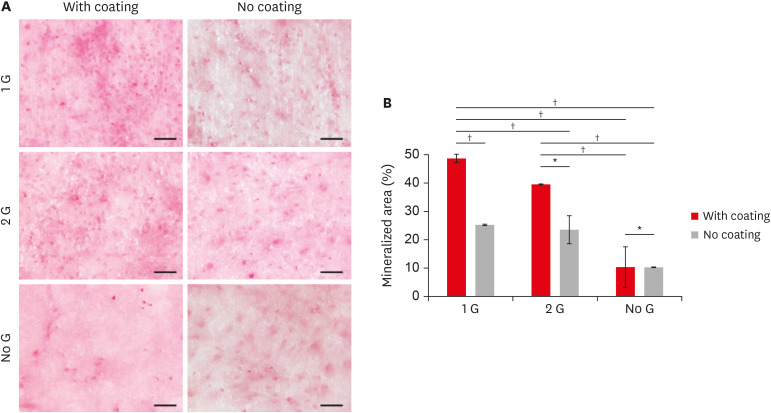
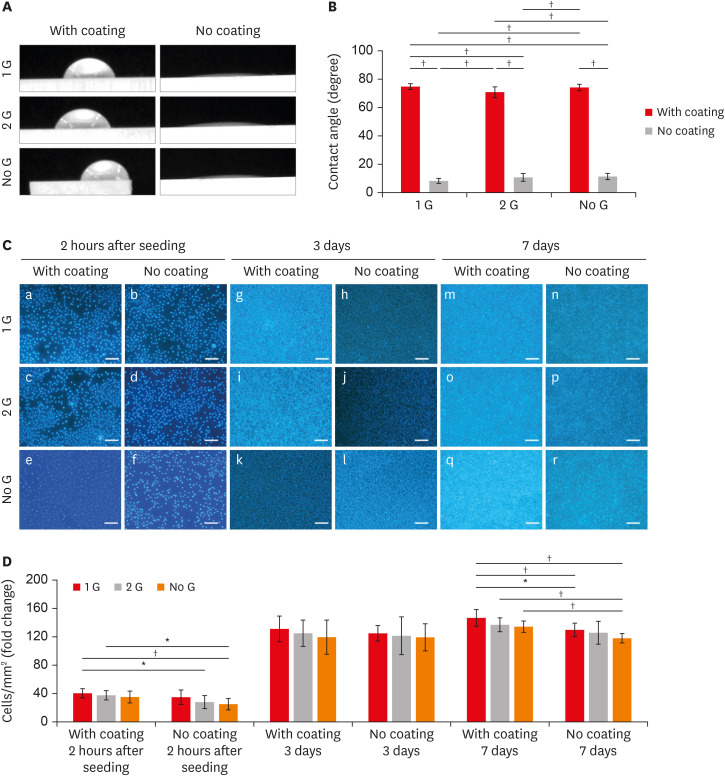
Commercially available 8YTZP plates were used. To enhance cell adhesion, proliferation, and differentiation, the surface of the 8YTZP is sequentially polished with a SiC-coated abrasive paper and surface coating with type I collagen. Fibroblast-like cells L929 used for cell adherence and cell proliferation analysis, and mouse bone marrow-derived mesenchymal stem cells (BMSC) used for cell differentiation analysis.
The results revealed that all samples, regardless of the surface treatment, are hydrophilic and showed a strong affinity for water. Even the cell culture results indicate that simple surface polishing and coating can affect cellular behavior by enhancing cell adhesion and proliferation. Both L929 cells and BMSC were nicely adhered to and proliferated in all conditions.
The results demonstrate the biocompatibility of the cubic phase zirconia with 8 mol% yttria and suggest that yttria with a higher zirconia content are not toxic to the cells, support a strong adhesion of cells on their surfaces, and promote cell proliferation and differentiation. All these confirm its potential use in tissue engineering.
钇稳定四方相氧化锆作为牙科修复材料已使用了十多年。尽管它仍是最强韧的陶瓷材料,但其半透明性仍是一个显著缺点。为克服这一问题,通过将氧化钇含量增加至超过8摩尔%(8YTZP),使氧化锆的半透明性稳定至显著的立方晶相。然而,高含量氧化钇的生物相容性仍是一个需要研究的重要课题。
使用市售的8YTZP板材。为增强细胞黏附、增殖和分化,8YTZP表面先用碳化硅涂层砂纸依次抛光,然后用I型胶原蛋白进行表面涂层。成纤维样细胞L929用于细胞黏附及细胞增殖分析,小鼠骨髓间充质干细胞(BMSC)用于细胞分化分析。
结果显示,所有样品无论经过何种表面处理均具有亲水性,且对水表现出强烈的亲和力。细胞培养结果表明,简单的表面抛光和涂层可通过增强细胞黏附和增殖来影响细胞行为。在所有条件下,L929细胞和BMSC均能良好地黏附并增殖。
结果证明了含8摩尔%氧化钇的立方相氧化锆的生物相容性,表明较高氧化锆含量的氧化钇对细胞无毒,能支持细胞在其表面的强力黏附,并促进细胞增殖和分化。所有这些都证实了其在组织工程中的潜在应用价值。