Connor-Schuler Randi, Wong A Ian, Shah Anand, Fiza Babar, Lyle Melissa, Ramonell Richard, Hockstein Maxwell, Chang George, Markham David, Searles Charles, McDaniel Michael, Baer Jefferson, Powell Cindy, Daniels Lisa
Division of Pulmonary, Allergy, Critical Care and Sleep Medicine, Department of Medicine, Emory University School of Medicine, Atlanta, GA.
Division of Cardiology, Department of Medicine, Emory University School of Medicine, Atlanta, GA.
Crit Care Explor. 2020 Dec 3;2(12):e0288. doi: 10.1097/CCE.0000000000000288. eCollection 2020 Dec.
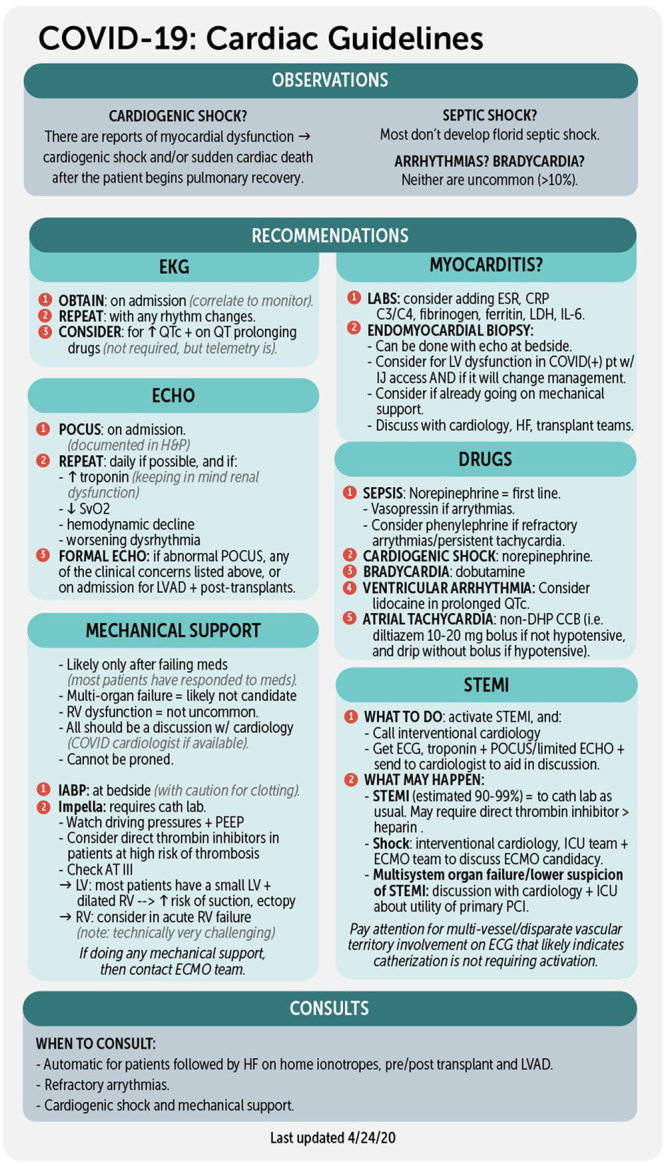
Coronavirus disease 2019 is associated with high mortality rates and multiple organ damage. There is increasing evidence that these patients are at risk for various cardiovascular insults; however, there are currently no guidelines for the diagnosis and management of such cardiovascular complications in patients with coronavirus disease 2019. We share data and recommendations from a multidisciplinary team to highlight our institution's clinical experiences and guidelines for managing cardiovascular complications of coronavirus disease 2019.
This was a retrospective cohort study of patients admitted to one of six ICUs dedicated to the care of patients with coronavirus disease 2019 located in three hospitals within one academic medical center in Atlanta, Georgia.
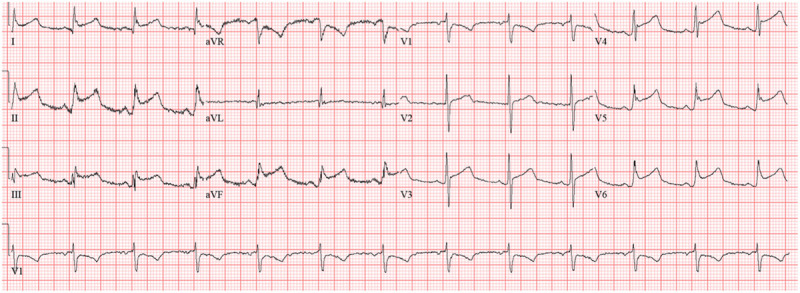
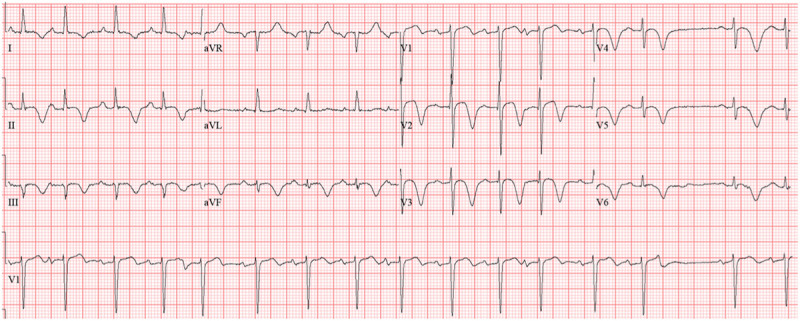
MEASUREMENTS/INTERVENTIONS: Chart review was conducted for sociodemographic, laboratory, and clinical data. Rates of specific cardiovascular complications were assessed, and data were analyzed using a chi-square or Wilcoxon rank-sum test for categorical and continuous variables. Additionally, certain cases are presented to demonstrate the sub committee's recommendations.
Two-hundred eighty-eight patients were admitted to the ICU with coronavirus disease 2019. Of these, 86 died (29.9%), 242 (84.03%) had troponin elevation, 70 (24.31%) had dysrhythmias, four (1.39%) had ST-elevation myocardial infarction, eight (2.78%) developed cor pulmonale, and 190 (65.97%) with shock. There was increased mortality risk in patients with greater degrees of troponin elevation ( < 0.001) and with the development of arrhythmias ( < 0.001), cor pulmonale ( < 0.001), and shock ( < 0.001).
While there are guidelines for the diagnosis and management of pulmonary complications of coronavirus disease 2019, there needs to be more information regarding the management of cardiovascular complications as well. These recommendations garnered from the coronavirus disease 2019 cardiology subcommittee from our institution will add to the existing knowledge of these potential cardiovascular insults as well as highlight suggestions for the diagnosis and management of the range of cardiovascular complications of coronavirus disease 2019. Additionally, with the spread of coronavirus disease 2019, our case-based recommendations provide a bedside resource for providers newly caring for patients with coronavirus disease 2019.
2019冠状病毒病与高死亡率和多器官损害相关。越来越多的证据表明,这些患者存在发生各种心血管损伤的风险;然而,目前尚无针对2019冠状病毒病患者此类心血管并发症的诊断和管理指南。我们分享了一个多学科团队的数据和建议,以突出我们机构在管理2019冠状病毒病心血管并发症方面的临床经验和指南。
设计、设置和患者:这是一项对入住位于佐治亚州亚特兰大一个学术医疗中心内三家医院的六个专门收治2019冠状病毒病患者的重症监护病房(ICU)之一的患者进行的回顾性队列研究。
测量/干预:对社会人口统计学、实验室和临床数据进行病历审查。评估特定心血管并发症的发生率,并使用卡方检验或威尔科克森秩和检验对分类变量和连续变量进行数据分析。此外,还展示了某些病例以说明小组委员会的建议。
288例2019冠状病毒病患者入住ICU。其中,86例死亡(29.9%),242例(84.03%)肌钙蛋白升高,70例(24.31%)发生心律失常,4例(1.39%)发生ST段抬高型心肌梗死,8例(2.78%)发生肺心病,190例(65.97%)发生休克。肌钙蛋白升高程度较高的患者(<0.001)以及发生心律失常(<0.001)、肺心病(<0.001)和休克(<0.001)的患者死亡风险增加。
虽然有针对2019冠状病毒病肺部并发症的诊断和管理指南,但关于心血管并发症的管理也需要更多信息。我们机构的2019冠状病毒病心脏病学小组委员会得出的这些建议将增加对这些潜在心血管损伤的现有认识,并突出对2019冠状病毒病一系列心血管并发症的诊断和管理建议。此外,随着2019冠状病毒病的传播,我们基于病例的建议为新护理2019冠状病毒病患者的医护人员提供了床边参考资源。