Thompson Matthew, Woods Kali, Newberg Joshua, Oxford Julia Thom, Uzer Gunes
Mechanical and Biomedical Engineering, Boise State University, Boise, ID, USA.
Biomolecular Sciences Graduate Program, Boise State University, Boise, ID, USA.
NPJ Microgravity. 2020 Dec 1;6(1):35. doi: 10.1038/s41526-020-00125-5.
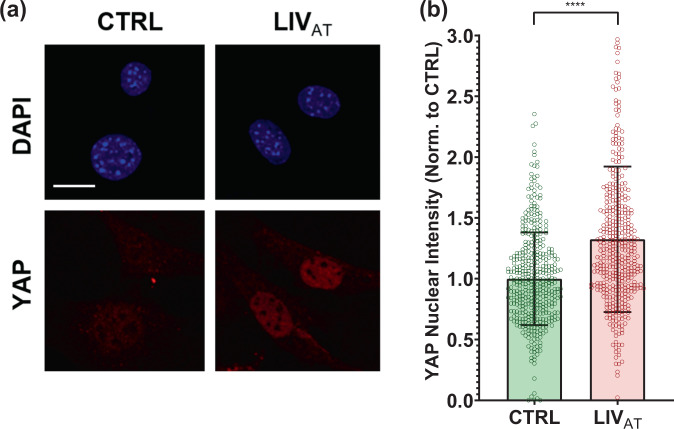
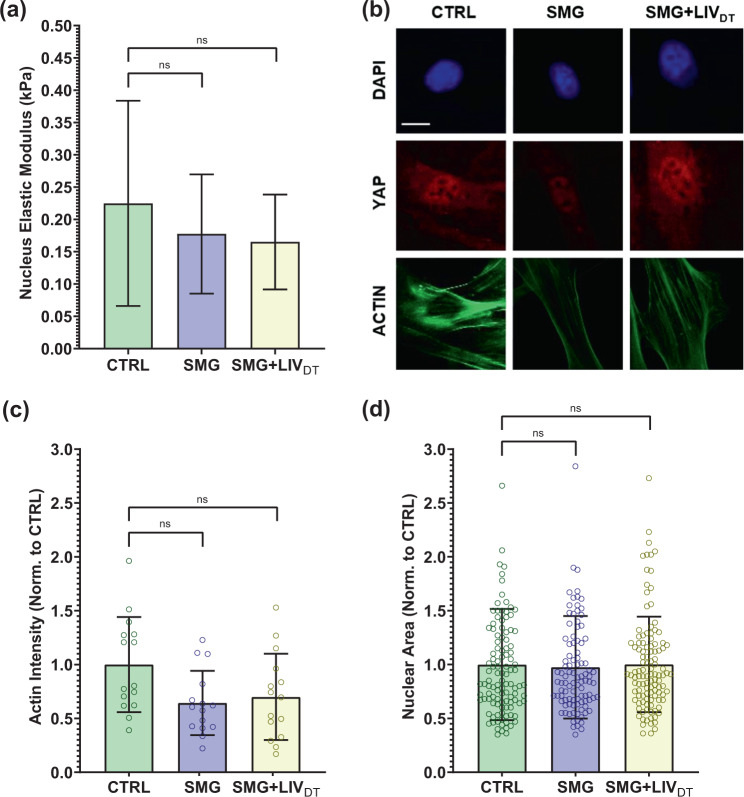
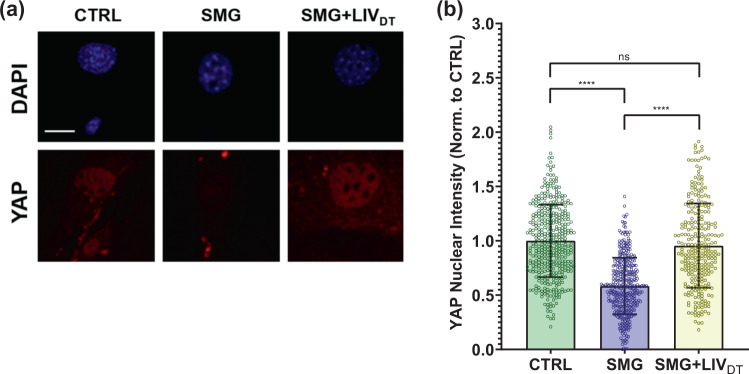
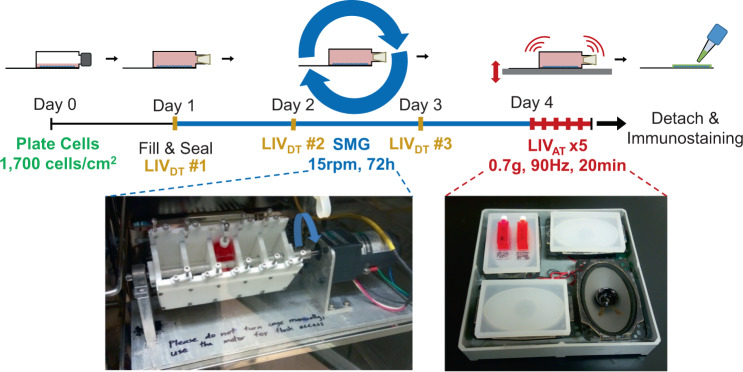
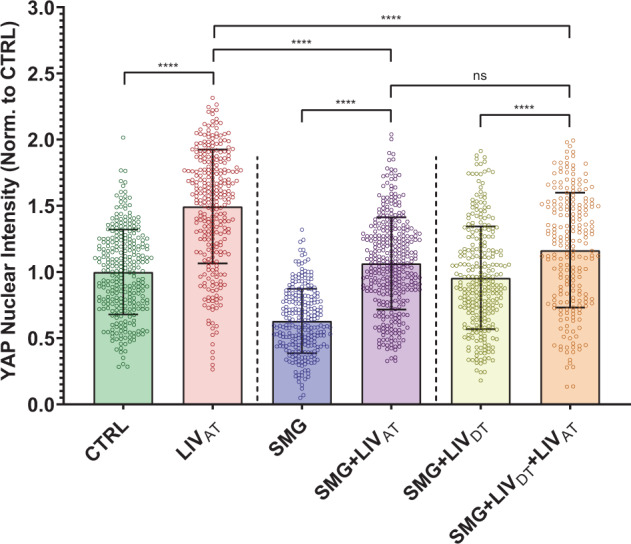
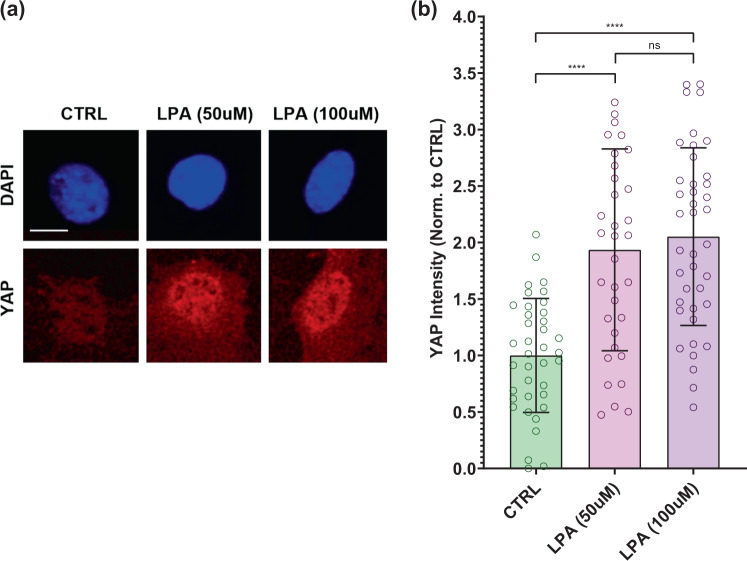
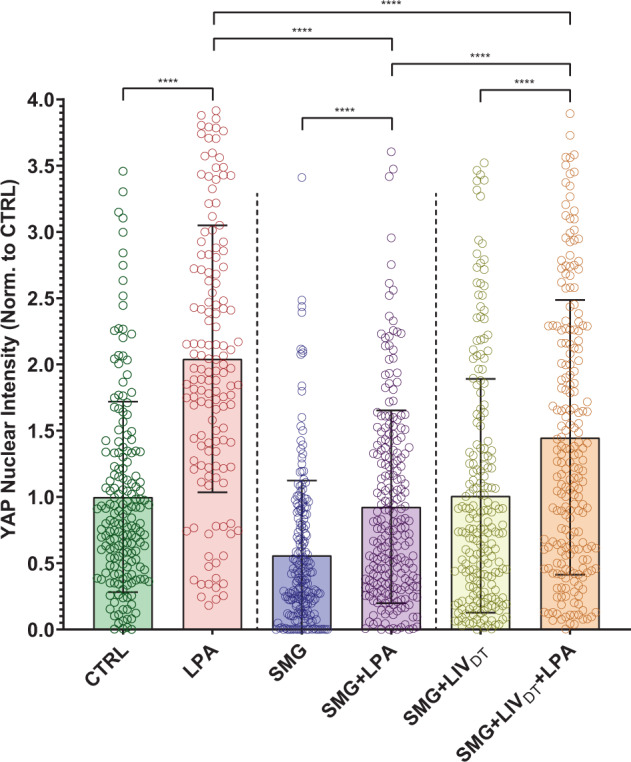
Reducing the musculoskeletal deterioration that astronauts experience in microgravity requires countermeasures that can improve the effectiveness of otherwise rigorous and time-expensive exercise regimens in space. The ability of low-intensity vibrations (LIV) to activate force-responsive signaling pathways in cells suggests LIV as a potential countermeasure to improve cell responsiveness to subsequent mechanical challenge. Mechanoresponse of mesenchymal stem cells (MSC), which maintain bone-making osteoblasts, is in part controlled by the "mechanotransducer" protein YAP (Yes-associated protein), which is shuttled into the nucleus in response to cyto-mechanical forces. Here, using YAP nuclear shuttling as a measurement outcome, we tested the effect of 72 h of clinostat-induced simulated microgravity (SMG) and daily LIV application (LIV) on the YAP nuclear entry driven by either acute LIV (LIV) or Lysophosphohaditic acid (LPA), applied after the 72 h period. We hypothesized that SMG-induced impairment of acute YAP nuclear entry would be alleviated by the daily application of LIV. Results showed that while both acute LIV and LPA treatments increased nuclear YAP entry by 50 and 87% over the basal levels in SMG-treated MSCs, nuclear YAP levels of all SMG groups were significantly lower than non-SMG controls. LIV, applied in parallel to SMG, restored the SMG-driven decrease in basal nuclear YAP to control levels as well as increased the LPA-induced but not LIV-induced YAP nuclear entry over SMG only, counterparts. These cell-level observations suggest that daily LIV treatments are a feasible countermeasure for restoring basal nuclear YAP levels and increasing the YAP nuclear shuttling in MSCs under SMG.
减轻宇航员在微重力环境下所经历的肌肉骨骼退化,需要采取相应对策,以提高在太空中原本严格且耗时昂贵的运动方案的有效性。低强度振动(LIV)激活细胞中力响应信号通路的能力表明,LIV可能是一种潜在的对策,可提高细胞对后续机械挑战的反应能力。间充质干细胞(MSC)维持成骨的成骨细胞,其机械反应部分受“机械转导蛋白”YAP(Yes相关蛋白)控制,YAP会响应细胞机械力进入细胞核。在此,我们以YAP核穿梭作为测量结果,测试了72小时回转器诱导的模拟微重力(SMG)和每日LIV应用(LIV)对72小时后施加的急性LIV(LIV)或溶血磷脂酸(LPA)驱动的YAP核进入的影响。我们假设,每日应用LIV可减轻SMG诱导的急性YAP核进入损伤。结果表明,虽然急性LIV和LPA处理均使SMG处理的MSC中核YAP进入比基础水平分别增加了50%和87%,但所有SMG组的核YAP水平均显著低于非SMG对照组。与SMG并行应用的LIV,将SMG驱动的基础核YAP降低恢复到对照水平,并且仅在SMG对应组的基础上增加了LPA诱导而非LIV诱导的YAP核进入。这些细胞水平的观察结果表明,每日LIV处理是恢复基础核YAP水平并增加SMG条件下MSC中YAP核穿梭的可行对策。