Tada Hiroe, Takahashi Hideyuki, Kawabata-Iwakawa Reika, Nagata Yurino, Uchida Miho, Shino Masato, Ida Shota, Mito Ikko, Matsuyama Toshiyuki, Chikamatsu Kazuaki
Department of Otolaryngology-Head and Neck Surgery, Gunma University Graduate School of Medicine, 3-39-22, Showa-machi, Maebashi, Gunma, 3718511, Japan.
Division of Integrated Oncology Research, Gunma University Initiative for Advanced Research, Gunma, 3718511, Japan.
Sci Rep. 2020 Dec 9;10(1):21573. doi: 10.1038/s41598-020-78741-0.
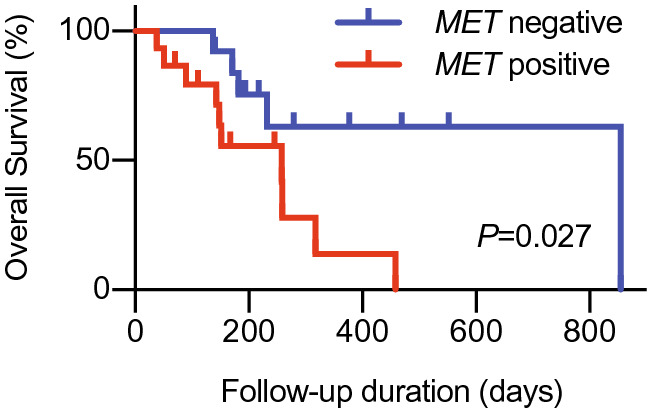
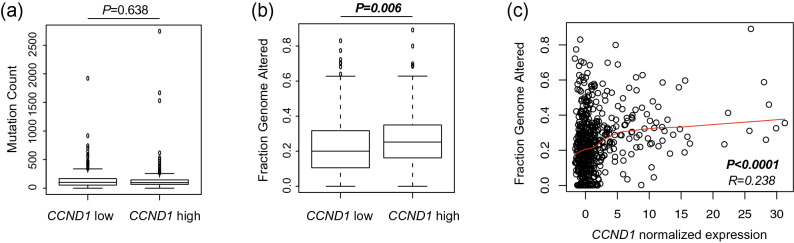
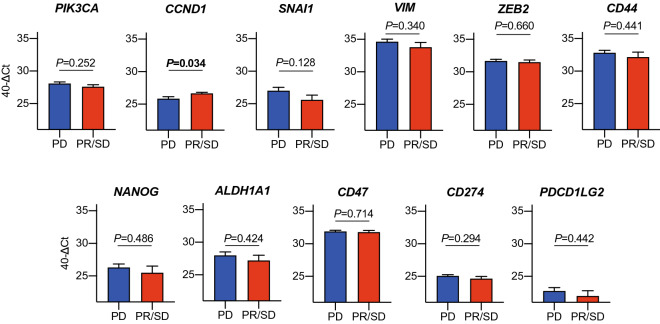
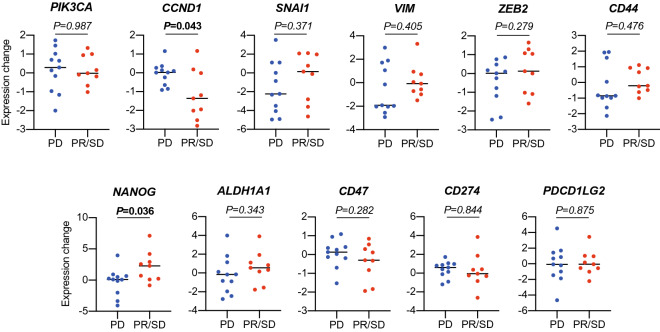
The emergence of immune checkpoint inhibitors (ICIs) has revolutionized the treatment of recurrent/metastatic (R/M) head and neck squamous cell carcinoma (HNSCC). Biomarkers of the therapeutic efficacy of ICIs have been extensively investigated. In this study, we aimed to analyze whether molecular phenotypes of circulating tumor cells (CTCs) are associated with treatment responses and clinical outcomes in patients with R/M HNSCC treated with nivolumab. Peripheral blood samples were collected before treatment initiation and after four infusions of nivolumab. CTCs isolated by depletion of CD45-positive cells were analyzed to determine the expression of EPCAM, MET, KRT19, and EGFR using real-time quantitative polymerase chain reaction. CTC-positive samples were analyzed to determine the expression of PIK3CA, CCND1, SNAI1, VIM, ZEB2, CD44, NANOG, ALDH1A1, CD47, CD274, and PDCD1LG2. Of 30 patients treated with nivolumab, 28 (93.3%) were positive for CTCs. In 20 CTC-positive patients, molecular alterations in CTCs before and after nivolumab treatment were investigated. Patients with MET-positive CTCs had significantly shorter overall survival than those with MET-negative CTCs (p = 0.027). The expression level of CCND1 in CTCs of disease-controlled patients was significantly higher than that of disease-progressed patients (p = 0.034). In disease-controlled patients, the expression level of CCND1 in CTCs significantly decreased after nivolumab treatment (p = 0.043). The NANOG expression in CTCs was significantly increased in disease-controlled patients after nivolumab treatment (p = 0.036). Our findings suggest that the molecular profiling of CTCs is a promising tool to predict the treatment efficacy of nivolumab.
免疫检查点抑制剂(ICI)的出现彻底改变了复发/转移性(R/M)头颈部鳞状细胞癌(HNSCC)的治疗方式。ICI治疗疗效的生物标志物已得到广泛研究。在本研究中,我们旨在分析循环肿瘤细胞(CTC)的分子表型是否与接受纳武单抗治疗的R/M HNSCC患者的治疗反应和临床结局相关。在开始治疗前和纳武单抗四次输注后采集外周血样本。通过去除CD45阳性细胞分离出的CTC,使用实时定量聚合酶链反应分析其EPCAM、MET、KRT19和EGFR的表达。对CTC阳性样本分析PIK3CA、CCND1、SNAI1、VIM、ZEB2、CD44、NANOG、ALDH1A1、CD47、CD274和PDCD1LG2的表达。在30例接受纳武单抗治疗的患者中,28例(93.3%)CTC呈阳性。在20例CTC阳性患者中,研究了纳武单抗治疗前后CTC的分子改变。MET阳性CTC的患者总生存期显著短于MET阴性CTC的患者(p = 0.027)。疾病控制患者CTC中CCND1的表达水平显著高于疾病进展患者(p = 0.034)。在疾病控制患者中,纳武单抗治疗后CTC中CCND1的表达水平显著降低(p = 0.043)。纳武单抗治疗后,疾病控制患者CTC中的NANOG表达显著增加(p = 0.036)。我们的研究结果表明,CTC的分子谱分析是预测纳武单抗治疗疗效的一个有前景的工具。