Discipline of Physiology, School of Medicine, Trinity Biomedical Sciences Institute, Dublin D02 R590, Ireland.
Cells. 2020 Dec 8;9(12):2640. doi: 10.3390/cells9122640.
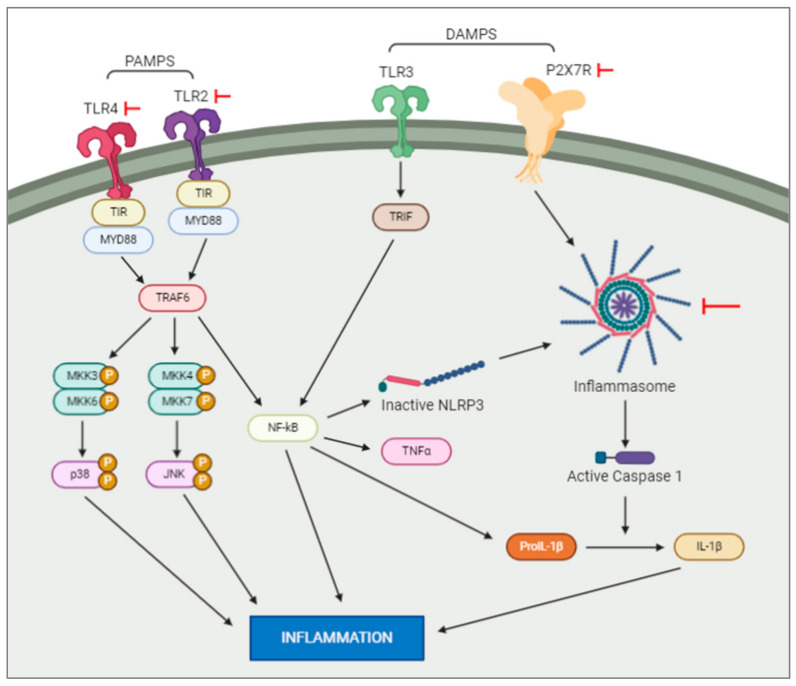
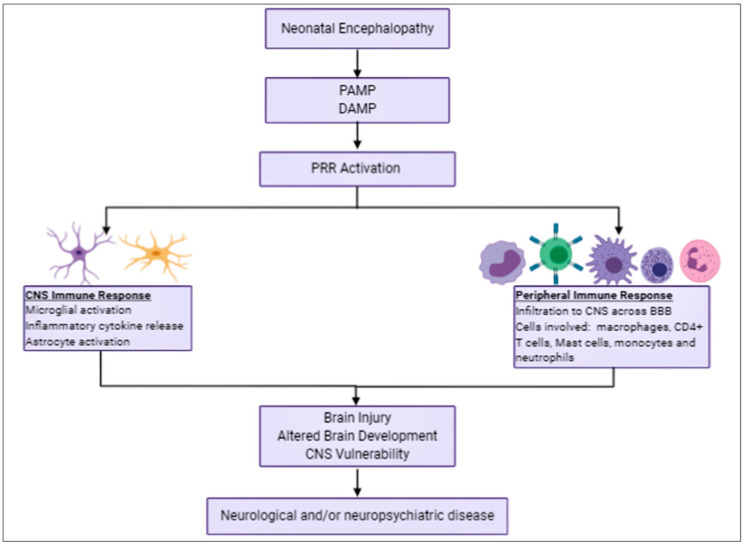
Perinatal brain injury or neonatal encephalopathy (NE) is a state of disturbed neurological function in neonates, caused by a number of different aetiologies. The most prominent cause of NE is hypoxic ischaemic encephalopathy, which can often induce seizures. NE and neonatal seizures are both associated with poor neurological outcomes, resulting in conditions such as cerebral palsy, epilepsy, autism, schizophrenia and intellectual disability. The current treatment strategies for NE and neonatal seizures have suboptimal success in effectively treating neonates. Therapeutic hypothermia is currently used to treat NE and has been shown to reduce morbidity and has neuroprotective effects. However, its success varies between developed and developing countries, most likely as a result of lack of sufficient resources. The first-line pharmacological treatment for NE is phenobarbital, followed by phenytoin, fosphenytoin and lidocaine as second-line treatments. While these drugs are mostly effective at halting seizure activity, they are associated with long-lasting adverse neurological effects on development. Over the last years, inflammation has been recognized as a trigger of NE and seizures, and evidence has indicated that this inflammation plays a role in the long-term neuronal damage experienced by survivors. Researchers are therefore investigating the possible neuroprotective effects that could be achieved by using anti-inflammatory drugs in the treatment of NE. In this review we will highlight the current knowledge of the inflammatory response after perinatal brain injury and what we can learn from animal models.
围产期脑损伤或新生儿脑病 (NE) 是一种新生儿神经系统功能障碍的状态,由多种不同的病因引起。NE 最主要的病因是缺氧缺血性脑病,其常可诱发癫痫发作。NE 和新生儿癫痫均与不良神经结局相关,导致脑瘫、癫痫、自闭症、精神分裂症和智力残疾等情况。目前,针对 NE 和新生儿癫痫的治疗策略在有效治疗新生儿方面效果并不理想。目前,治疗性低温用于治疗 NE,并已显示出降低发病率和神经保护作用。然而,其在发达国家和发展中国家的成功率存在差异,这可能主要是由于资源不足。NE 的一线药物治疗是苯巴比妥,其次是苯妥英钠、磷苯妥英和利多卡因作为二线治疗。虽然这些药物大多能有效阻止癫痫发作,但它们与发育过程中持久的不良神经影响有关。近年来,炎症已被认为是 NE 和癫痫的触发因素,有证据表明,这种炎症在幸存者所经历的长期神经元损伤中发挥作用。因此,研究人员正在研究在治疗 NE 中使用抗炎药物可能实现的神经保护作用。在这篇综述中,我们将重点介绍围产期脑损伤后炎症反应的现有知识,以及我们可以从动物模型中学到什么。