Higher National Institute of Professorship and Education, University of Poitiers, 15 Rue de l'Hôtel Dieu, TSA 71117, 86000 Poitiers, France.
Institute of Structural Analysis, Poznan University of Technology, Maria Sklodowska-Curie Street 5, 60-965 Poznan, Poland.
Sensors (Basel). 2020 Dec 8;20(24):7016. doi: 10.3390/s20247016.
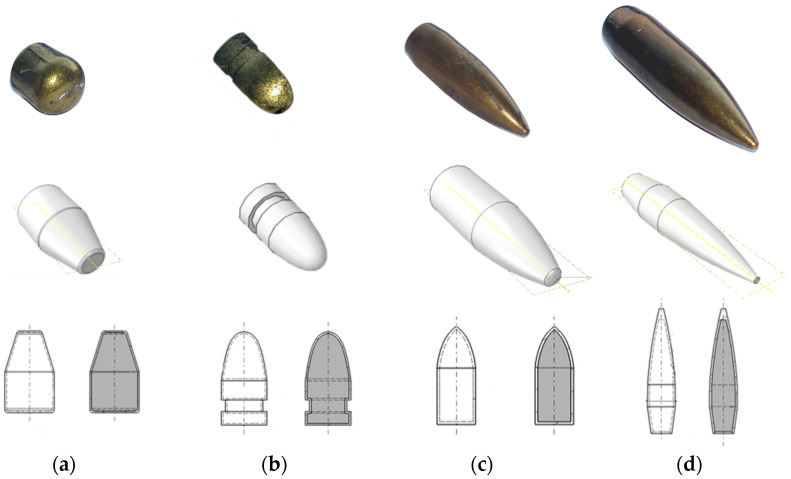
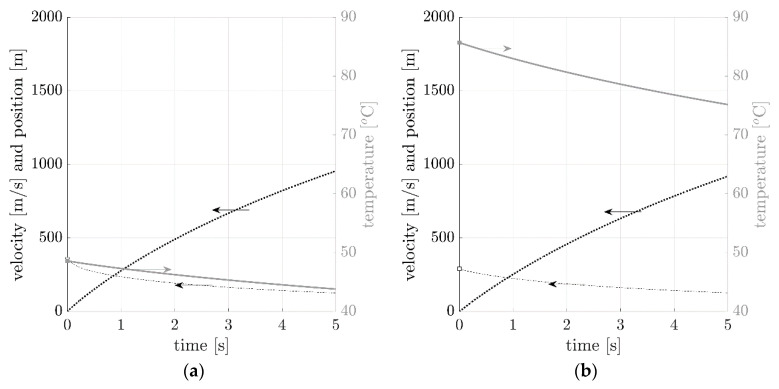
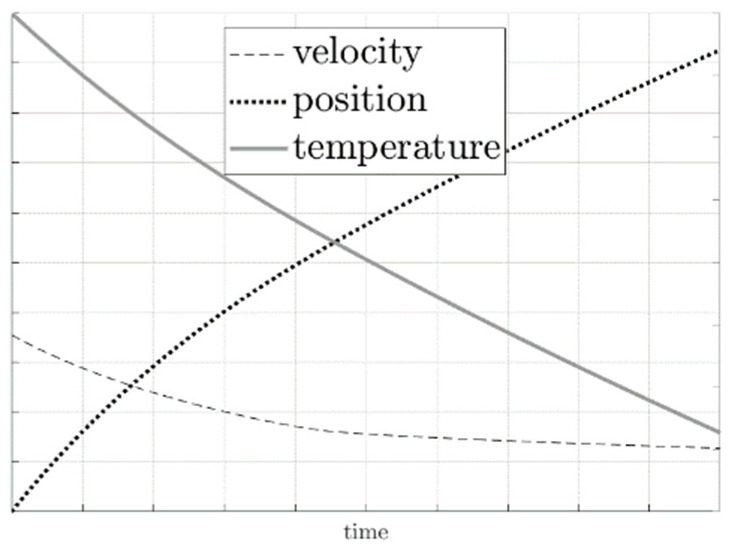
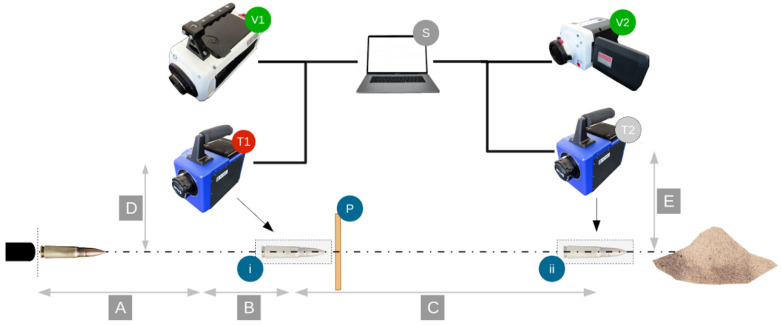
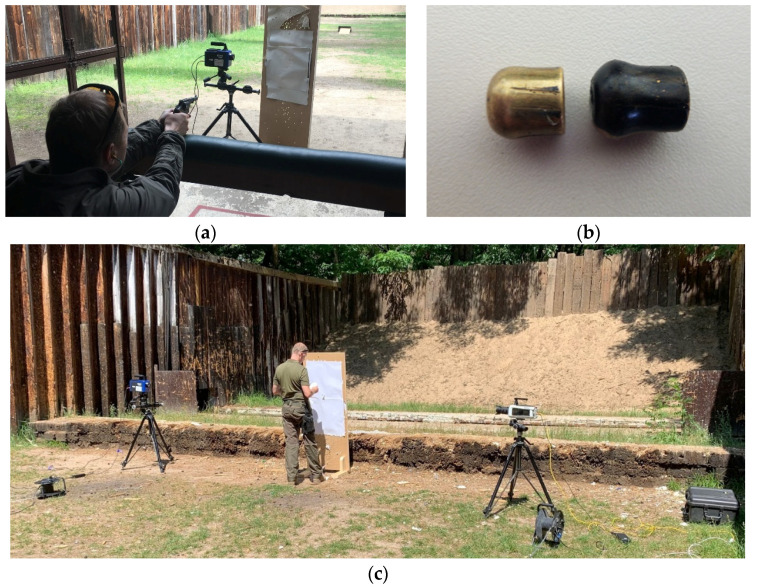
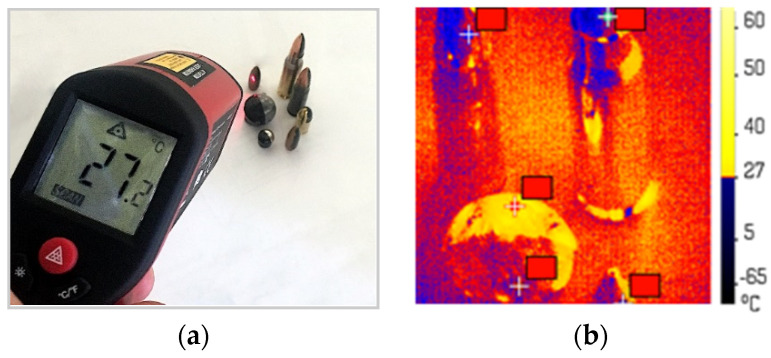
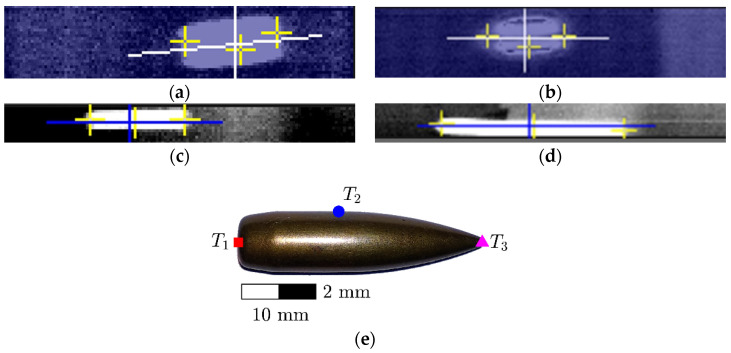
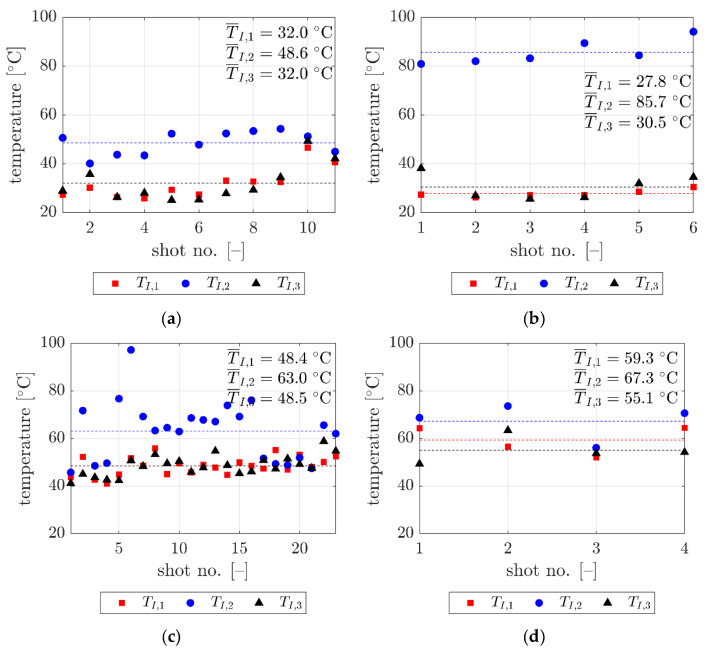
This study answers a primary question concerning how the temperature changes during the flight of a bullet. To answer the question, the authors performed unique research to measure the initial temperatures of bullet surfaces and applied it to four kinds of projectiles in a series of field experiments. The technique determines the temperature changes on metallic objects in flight that reach a velocity of 300 to 900 m/s. Until now, the tests of temperature change available in the literature include virtual points that are adopted to ideal laboratory conditions using classic thermomechanical equations. The authors conducted the first study of its kind, in which is considered four projectiles in field conditions in which a metallic bullet leaves a rifle barrel after a powder deflagration. During this process, heat is partly transferred to the bullet from the initial explosion of the powder and barrel-bullet friction. In this case, the temperature determination of a bullet is complex because it concerns different points on the external surface. Thus, for the first time the authors measured the temperatures at different position on the bullet surface. Moreover, the authors showed that basic thermodynamic equations allow for the credible prediction of such behavior if the initial conditions are identified correctly. This novel identification of the initial conditions of temperature and velocity of flying bullets was not presented anywhere else up to now.
这项研究回答了一个关于子弹飞行过程中温度如何变化的基本问题。为了回答这个问题,作者进行了独特的研究,测量了子弹表面的初始温度,并将其应用于一系列现场实验中的四种弹丸。该技术可确定飞行中达到 300 至 900 米/秒速度的金属物体的温度变化。到目前为止,文献中可用的温度变化测试包括采用经典热力学方程在理想实验室条件下采用的虚拟点。作者进行了首例此类研究,其中考虑了在火药爆炸和枪管-子弹摩擦后金属子弹离开步枪枪管的野外条件下的四种弹丸。在这个过程中,热量部分从初始的火药爆炸和枪管-子弹摩擦传递到子弹上。在这种情况下,由于涉及到子弹外表面的不同点,因此子弹的温度确定很复杂。因此,作者首次测量了子弹表面不同位置的温度。此外,作者表明,如果正确识别初始条件,基本热力学方程可以允许对这种行为进行可信的预测。到目前为止,还没有其他地方提出过这种飞行中子弹的初始温度和速度的新颖识别方法。