Adil Benish, Rabbani Arshad, Ahmed Sualeha, Arshad Imran, Khalid Muhammad Ali
Internal Medicine, Benazir Bhutto Hospital, Rawalpindi, PAK.
Cureus. 2020 Nov 4;12(11):e11331. doi: 10.7759/cureus.11331.
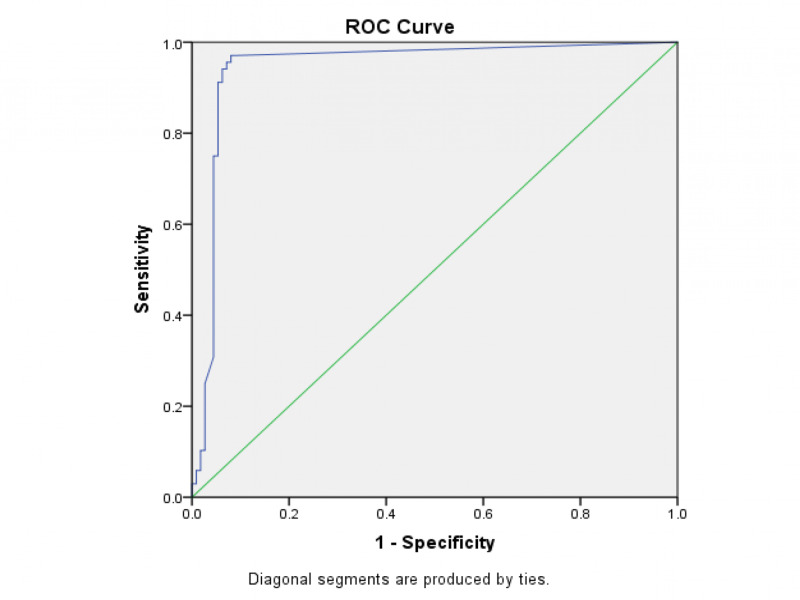
Introduction Dengue fever is a mosquito-borne viral disease spread by the bite of the mosquito. Dengue epidemics have contributed to a great economic burden, especially in South-East Asia. This study aimed to determine gall bladder wall thickness (GBWT) in patients with dengue fever, assess its sensitivity and specificity to identify dengue hemorrhagic fever, and also compare gall bladder wall thickening (GWBT) with platelets, hematocrit, and leucocyte count. Materials and methods This prospective observational study was conducted in the dengue ward of Benazir Bhutto Hospital, Rawalpindi, Pakistan, from September 2019 to January 2020, i.e., four months. Patients admitted to the dengue ward diagnosed as seropositive and provided consent were enrolled into the study. Laboratory investigations (blood complete picture, liver function tests, renal function tests) were collected and recorded. Ultrasonography was performed on admission and subsequently during a hospital stay. Patients were divided into two groups: those with gall bladder wall thickness ≤ 3mm and ˃3mm. All data were entered and analyzed on SPSS version 24 (IBM Inc., Armonk, USA). Results Out of 180 patients, 122 (67.8%) were male, and 58 (32.2%) female. The mean age was 33 ± 13 years. One hundred and six patients (58.9%) were diagnosed with dengue fever, 68 (37.8%) - dengue hemorrhagic fever, and six (3.3%) - dengue shock syndrome. The most common finding was gall bladder wall thickness ˃3mm (69/180; 38.3%) followed by ascites (38.1%). Sixty-two patients out of 69 (89.9%) with GBWT ˃3mm were managed as dengue hemorrhagic fever (p=0.000). Alanine transaminase (ALT), platelet, and total leukocyte count (TLC) were associated positively with an edematous gall bladder wall (p<0.005). The mean gall bladder wall thickness for dengue hemorrhagic fever was 6.4mm ± 2.5 mm. A GBWT value of 3.5mm was found to have 94.6% specificity and 91.2% sensitivity. Conclusion Gall bladder wall edema is strongly correlated with dengue hemorrhagic fever. Hence it should be assessed in all patients with dengue fever.
引言
登革热是一种由蚊子叮咬传播的病毒性疾病。登革热疫情造成了巨大的经济负担,尤其是在东南亚地区。本研究旨在测定登革热患者的胆囊壁厚度(GBWT),评估其对登革出血热的敏感性和特异性,并将胆囊壁增厚(GWBT)与血小板、血细胞比容和白细胞计数进行比较。
材料与方法
本前瞻性观察性研究于2019年9月至2020年1月在巴基斯坦拉瓦尔品第贝娜齐尔·布托医院的登革热病房进行,为期四个月。入住登革热病房且血清学检测呈阳性并签署知情同意书的患者被纳入研究。收集并记录实验室检查结果(血常规、肝功能检查、肾功能检查)。患者入院时及住院期间均进行超声检查。患者分为两组:胆囊壁厚度≤3mm组和˃3mm组。所有数据均录入SPSS 24版(美国国际商业机器公司,阿蒙克)进行分析。
结果
180例患者中,男性122例(67.8%),女性58例(32.2%)。平均年龄为33±13岁。106例(58.9%)患者被诊断为登革热,68例(37.8%)为登革出血热,6例(3.3%)为登革休克综合征。最常见的表现是胆囊壁厚度˃3mm(69/180;38.3%),其次是腹水(38.1%)。69例GBWT˃3mm的患者中有62例(89.9%)被诊断为登革出血热(p=0.000)。丙氨酸转氨酶(ALT)、血小板和总白细胞计数(TLC)与胆囊壁水肿呈正相关(p<0.005)。登革出血热患者的平均胆囊壁厚度为6.4mm±2.5mm。GBWT值为3.5mm时,特异性为94.6%,敏感性为91.2%。
结论
胆囊壁水肿与登革出血热密切相关。因此,所有登革热患者均应进行评估。