Department of Molecular, Cell and Cancer Biology, University of Massachusetts Medical School, Worcester, MA 01605, USA.
Department of Molecular, Cell and Cancer Biology, University of Massachusetts Medical School, Worcester, MA 01605, USA.
Biochim Biophys Acta Gene Regul Mech. 2021 Jan;1864(1):194666. doi: 10.1016/j.bbagrm.2020.194666. Epub 2020 Dec 8.
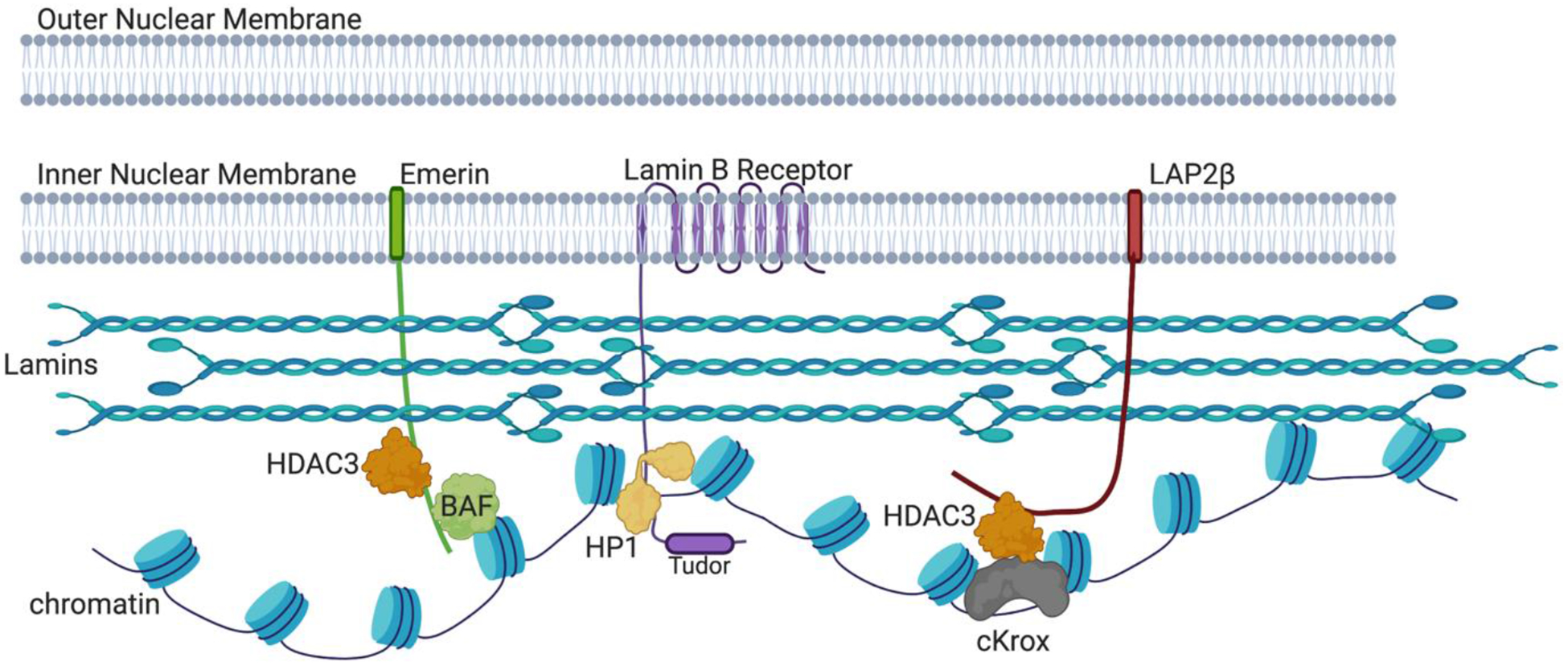
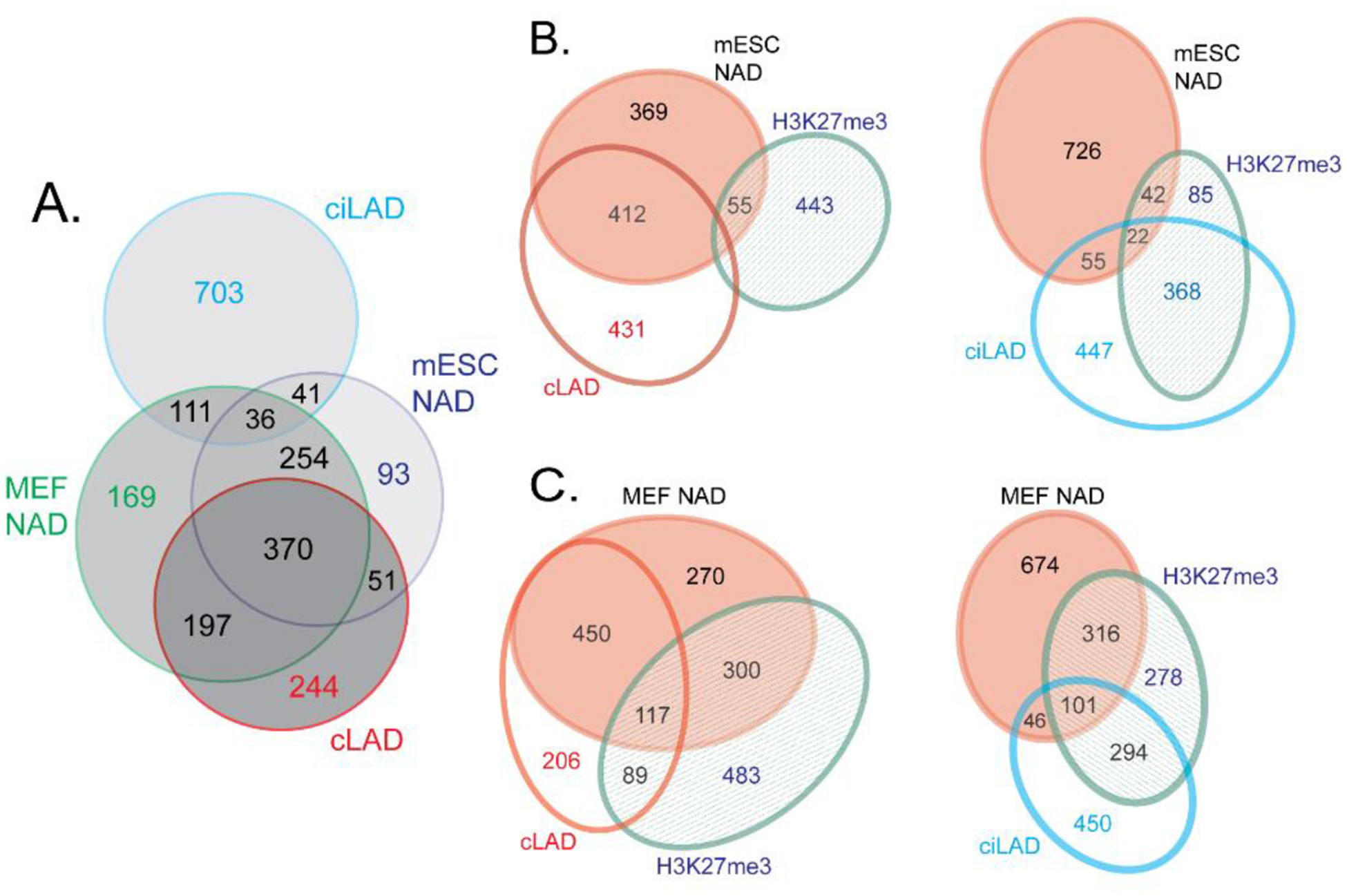
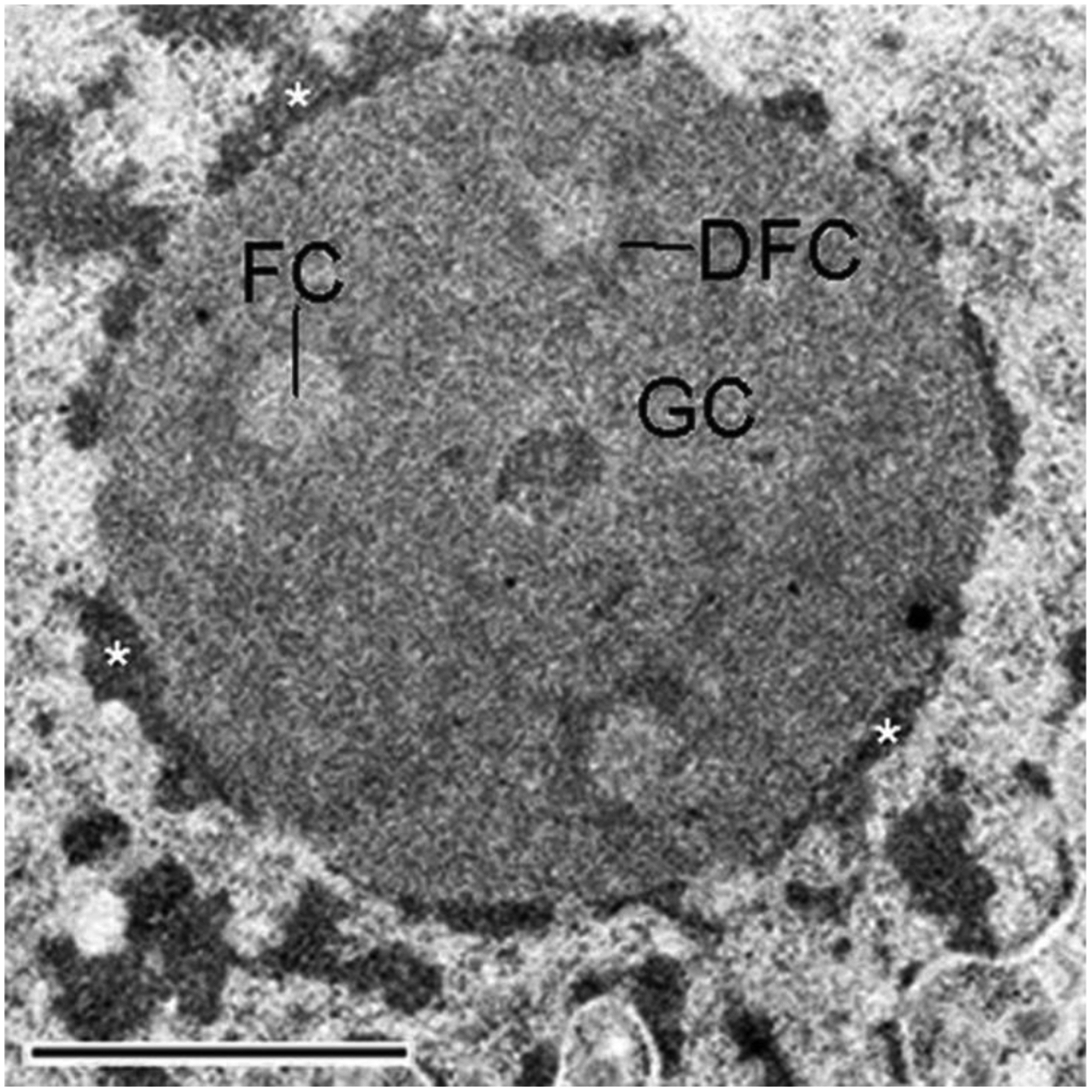
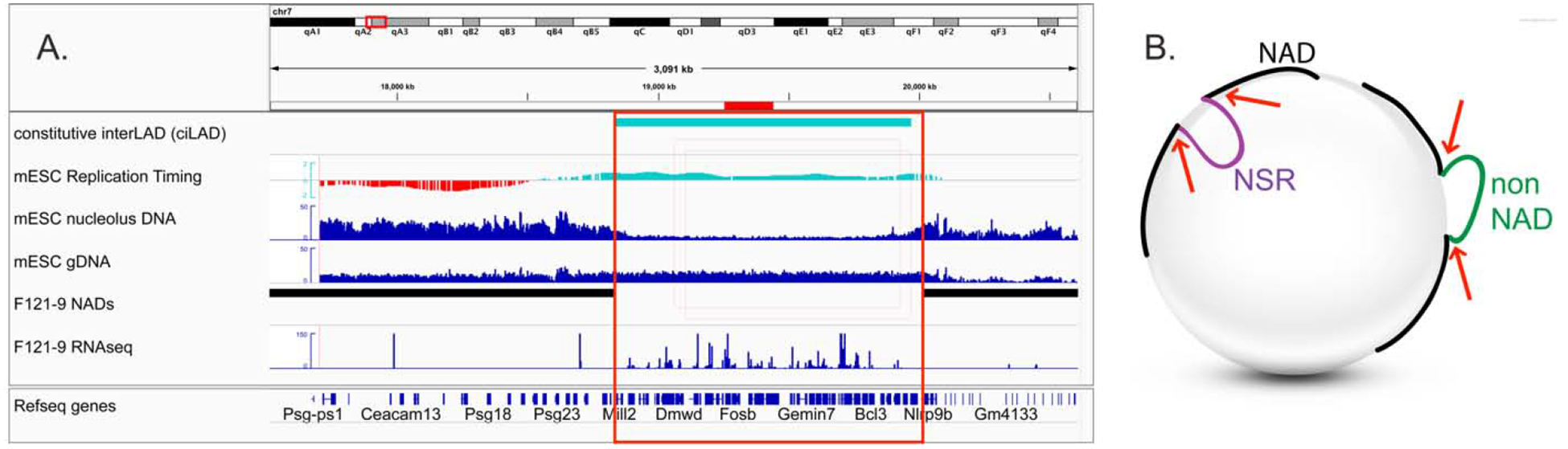
Chromatin is a dynamic structure composed of DNA, RNA, and proteins, regulating storage and expression of the genetic material in the nucleus. Heterochromatin plays a crucial role in driving the three-dimensional arrangement of the interphase genome, and in preserving genome stability by maintaining a subset of the genome in a silent state. Spatial genome organization contributes to normal patterns of gene function and expression, and is therefore of broad interest. Mammalian heterochromatin, the focus of this review, mainly localizes at the nuclear periphery, forming Lamina-associated domains (LADs), and at the nucleolar periphery, forming Nucleolus-associated domains (NADs). Together, these regions comprise approximately one-half of mammalian genomes, and most but not all loci within these domains are stochastically placed at either of these two locations after exit from mitosis at each cell cycle. Excitement about the role of these heterochromatic domains in early development has recently been heightened by the discovery that LADs appear at some loci in the preimplantation mouse embryo prior to other chromosomal features like compartmental identity and topologically-associated domains (TADs). While LADs have been extensively studied and mapped during cellular differentiation and early embryonic development, NADs have been less thoroughly studied. Here, we summarize pioneering studies of NADs and LADs, more recent advances in our understanding of cis/trans-acting factors that mediate these localizations, and discuss the functional significance of these associations.
染色质是一种由 DNA、RNA 和蛋白质组成的动态结构,调节细胞核中遗传物质的存储和表达。异染色质在驱动间期基因组的三维排列以及通过将基因组的一部分维持在沉默状态来维持基因组稳定性方面发挥着至关重要的作用。空间基因组组织有助于正常的基因功能和表达模式,因此具有广泛的兴趣。本文主要关注哺乳动物异染色质,它主要定位于核周,形成染色质斑(LADs),并定位于核仁周,形成核仁相关域(NADs)。这些区域共同构成了大约一半的哺乳动物基因组,而这些区域内的大多数但不是所有基因座在有丝分裂后每个细胞周期都随机定位于这两个位置之一。最近,人们发现 LADs 在小鼠胚胎着床前的一些基因座上出现,而其他染色体特征如隔室身份和拓扑关联域(TADs)则没有出现,这使得这些异染色质域在早期发育中的作用引起了人们的兴奋。虽然 LADs 在细胞分化和早期胚胎发育过程中已经得到了广泛的研究和绘制,但 NADs 的研究则相对较少。在这里,我们总结了 NADs 和 LADs 的开创性研究,以及我们对介导这些定位的顺式/反式作用因子的最新理解,并讨论了这些关联的功能意义。