Department of Neuroscience, The Scripps Research Institute, La Jolla, CA, USA.
Facultad de Medicina y Psicología, Universidad Autónoma de Baja California, Tijuana, México.
Int J Hyperthermia. 2020;37(1):1368-1382. doi: 10.1080/02656736.2020.1849822.
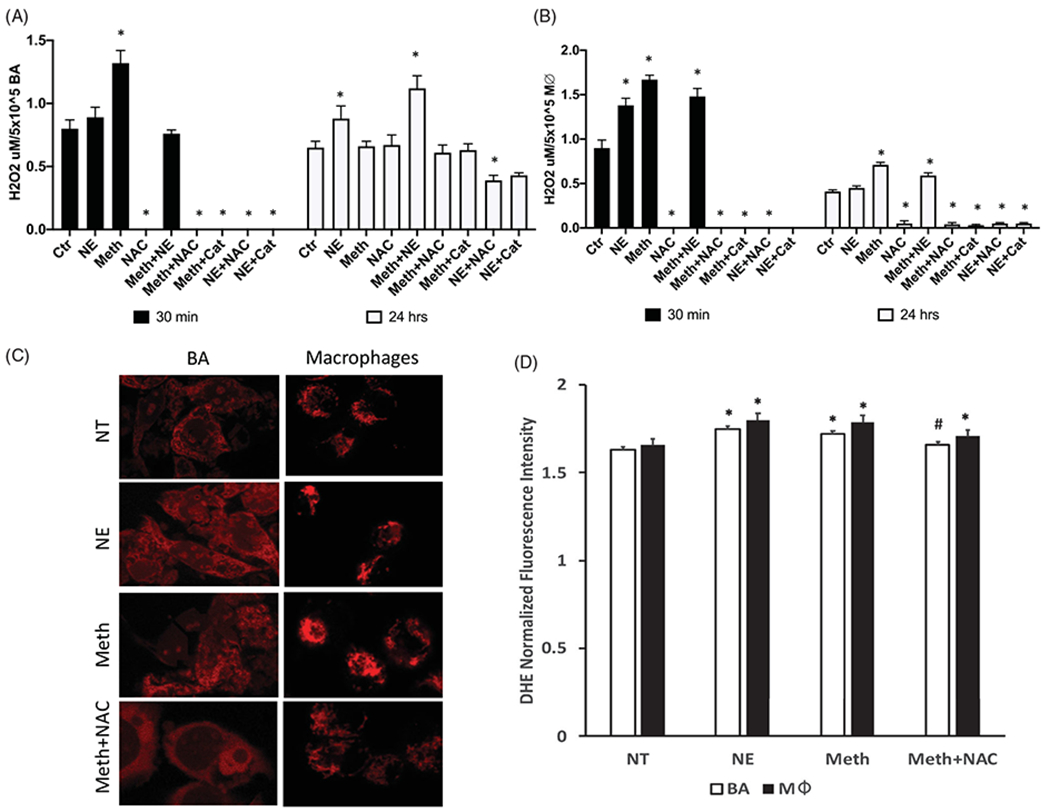
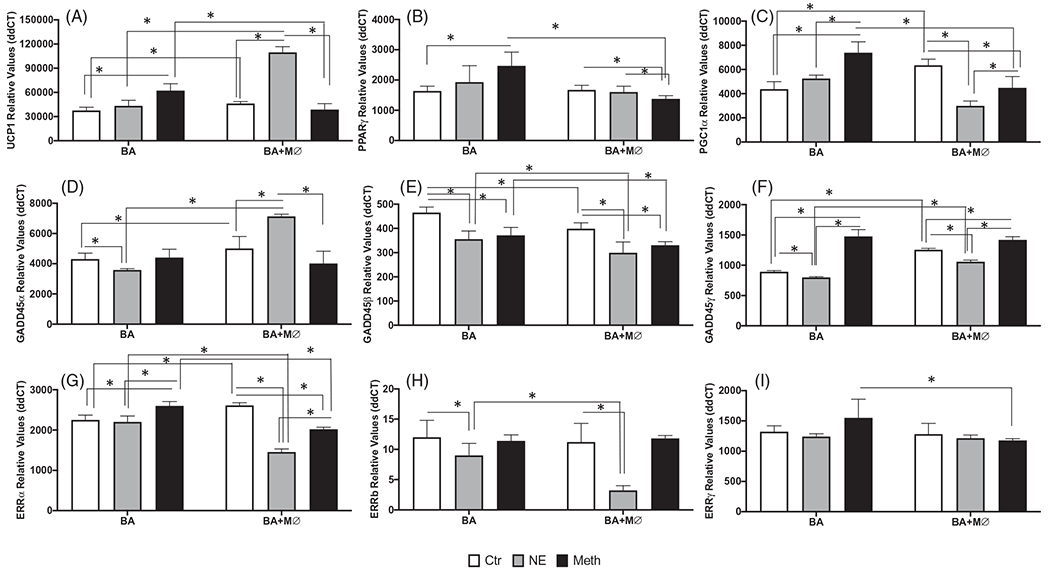
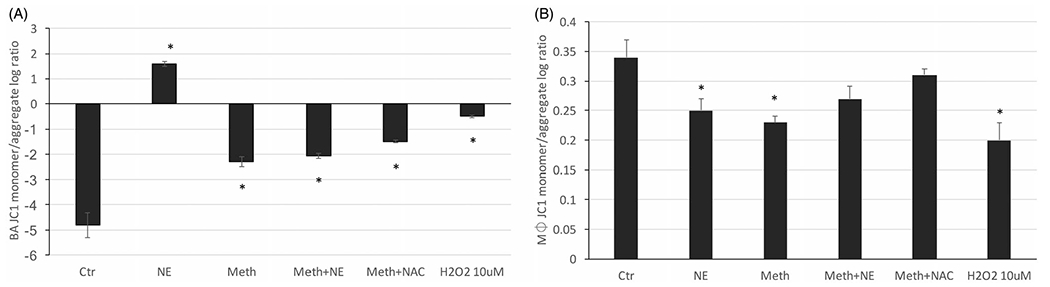
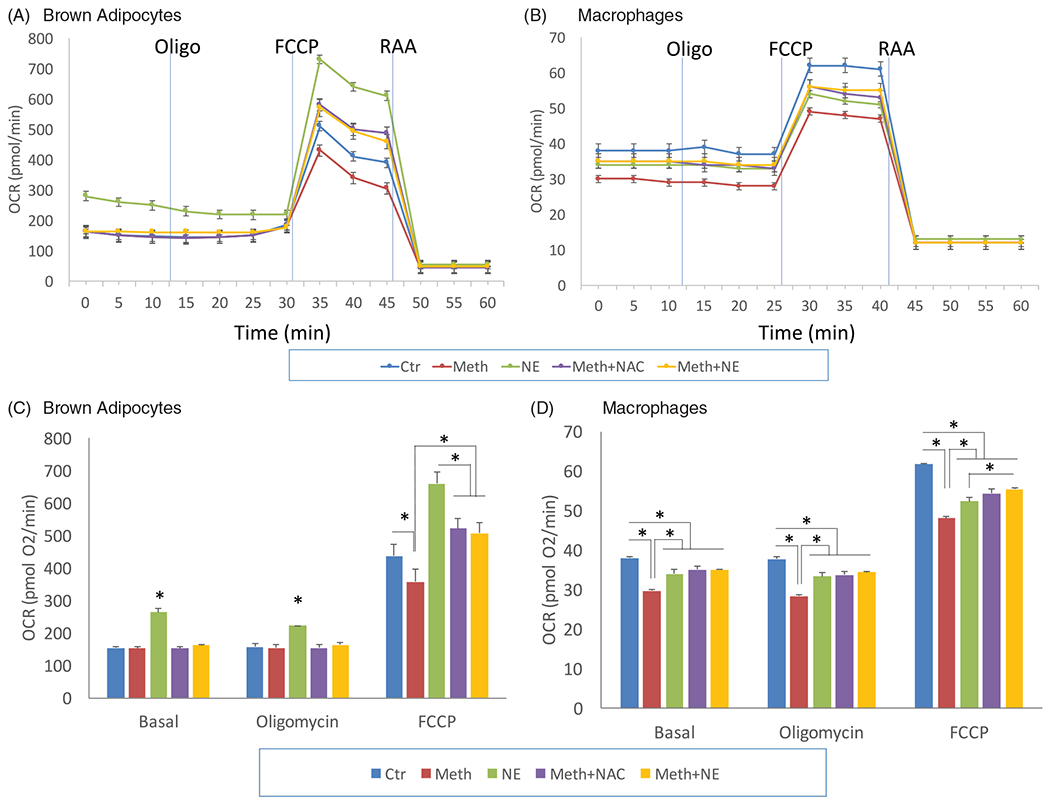
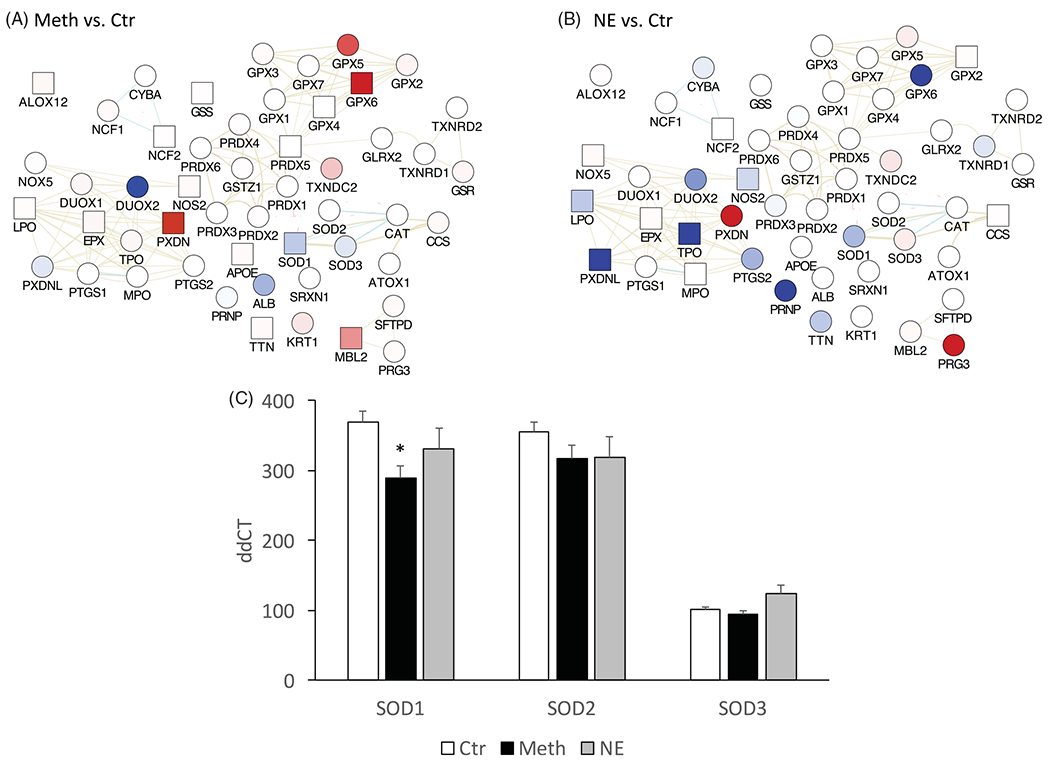
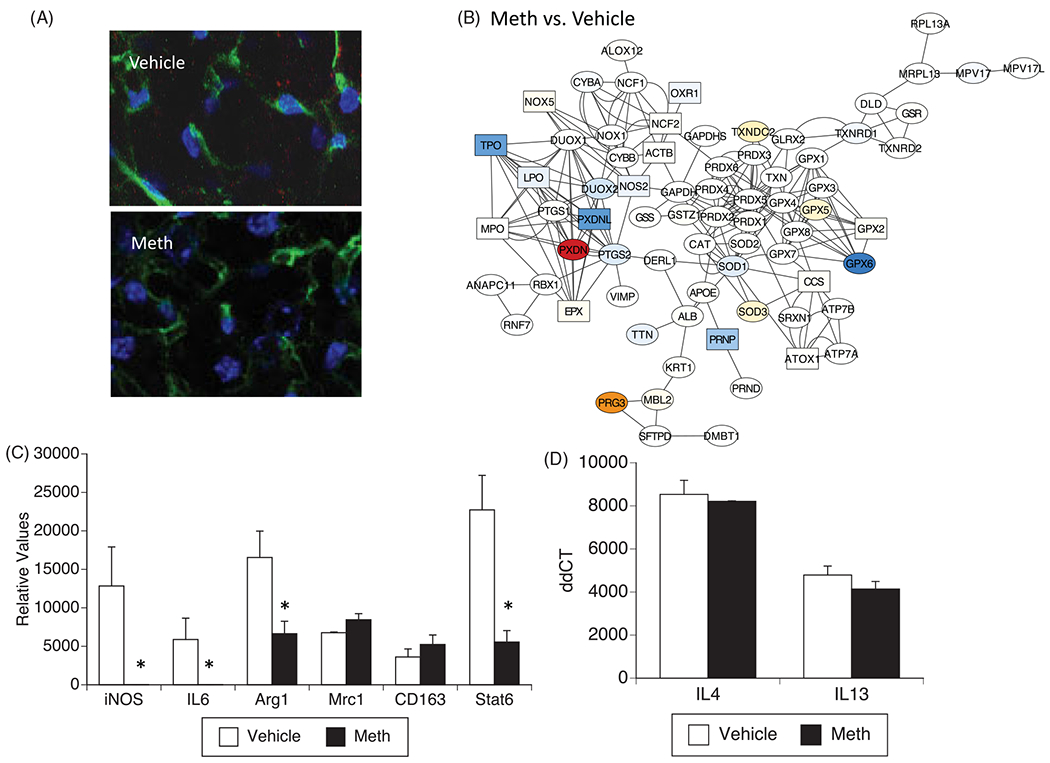
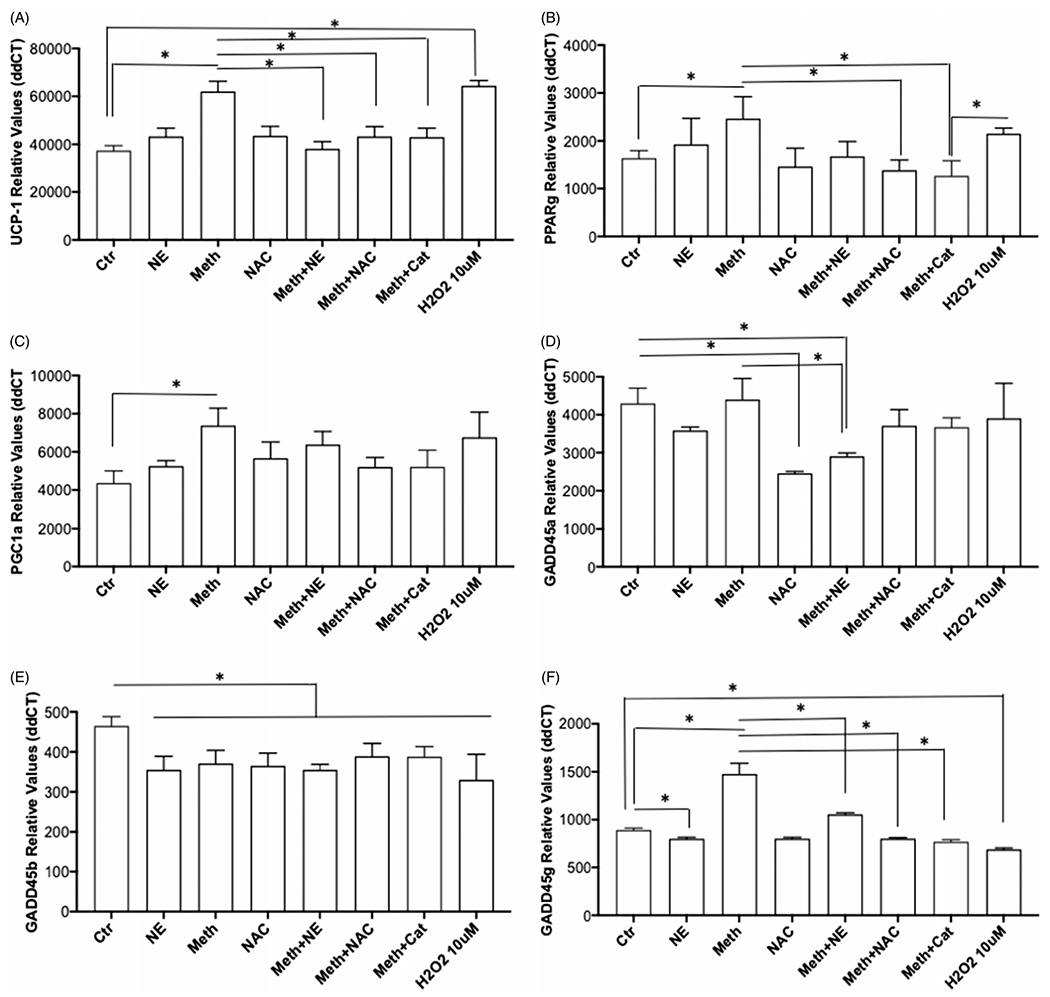
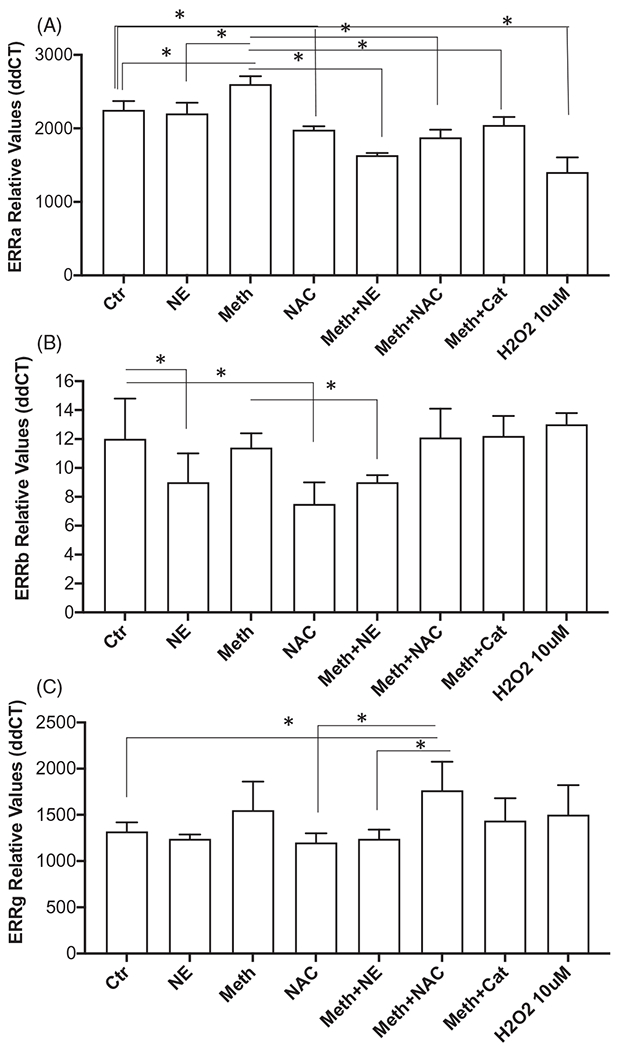
Hyperthermia is a potentially lethal side-effect of Methamphetamine (Meth), a stimulant drug. Activation of non-shivering thermogenesis in brown adipose tissue (BAT) is partly responsible for Meth-induced rise in temperature, with contributing sympathetic neurotransmitters, such as norepinephrine (NE), and reactive oxygen species (ROS). However, the mechanisms controlling the development of a molecular thermogenic program in brown adipocytes (BA) following Meth are unknown. We hypothesize that Meth and NE affect BAT cells, BA and macrophages, to modify their physiology and interactions, with consequences to thermogenic genes. We also hypothesize that ROS play a critical role in signaling transcription of thermogenic genes and their regulatory components. Using primary BA and macrophage cultures, we measured Meth and NE interference with physiological and phenotypic measures that are relevant to thermogenesis in BAT. Meth caused both BA and macrophages to decrease mitochondrial maximal capacity and increase ROS. In BA, the thermogenic genes UCP1, PPARγ, PGC1α and GADD45γ were transcriptionally increased by Meth in a ROS-dependent manner. In macrophages, Meth increased oxidative stress response and caused a predominance of M2 subset markers. BA transcriptional changes in response to Meth and NE were significantly controlled by macrophages. The results suggest that BA and macrophages respond to Meth and NE, with effects on mitochondrial functions and transcription of genes involved in thermogenesis. ROS-dependent signals in BA and cellular interactions between BA and macrophages synergize to regulate the BAT environment and control critical pathways leading to Meth-hyperthermia.
高热是冰毒(Methamphetamine,Meth)的一种潜在致命副作用,冰毒是一种兴奋剂药物。棕色脂肪组织(BAT)中非颤抖性产热的激活部分负责冰毒引起的体温升高,其中包括去甲肾上腺素(norepinephrine,NE)和活性氧物质(reactive oxygen species,ROS)等交感神经递质。然而,Meth 诱导棕色脂肪细胞(brown adipocytes,BA)中分子产热程序发展的机制尚不清楚。我们假设 Meth 和 NE 会影响 BAT 细胞、BA 和巨噬细胞,以改变它们的生理和相互作用,从而对产热基因产生影响。我们还假设 ROS 在转录产热基因及其调控成分方面起着关键作用。我们使用原代 BA 和巨噬细胞培养物,测量 Meth 和 NE 对与 BAT 产热相关的生理和表型指标的干扰。Meth 导致 BA 和巨噬细胞的线粒体最大容量降低,ROS 增加。在 BA 中,UCP1、PPARγ、PGC1α 和 GADD45γ 等产热基因的转录在 ROS 依赖性的情况下因 Meth 而增加。在巨噬细胞中,Meth 增加了氧化应激反应并导致 M2 亚群标志物占主导地位。BA 对 Meth 和 NE 的反应的转录变化主要受巨噬细胞控制。结果表明,BA 和巨噬细胞对 Meth 和 NE 作出反应,影响线粒体功能和产热基因的转录。BA 和巨噬细胞之间 ROS 依赖性信号和细胞相互作用协同调节 BAT 环境并控制导致 Meth 高热的关键途径。