Oishi Tetsuya, Matsumaru Daisuke, Ota Nao, Kitamura Hiroshi, Zhang Tianxiang, Honkura Yohei, Katori Yukio, Motohashi Hozumi
Department of Otolaryngology-Head and Neck Surgery, Tohoku University Graduate School of Medicine, 1-1 Seiryo-machi, Aoba-ku, Sendai, 980-8574, Japan.
Department of Gene Expression Regulation, Institute of Development, Aging and Cancer, Tohoku University, 4-1 Seiryo-machi, Aoba-ku, Sendai, 980-8575, Japan.
NPJ Aging Mech Dis. 2020 Dec 14;6(1):14. doi: 10.1038/s41514-020-00053-4.
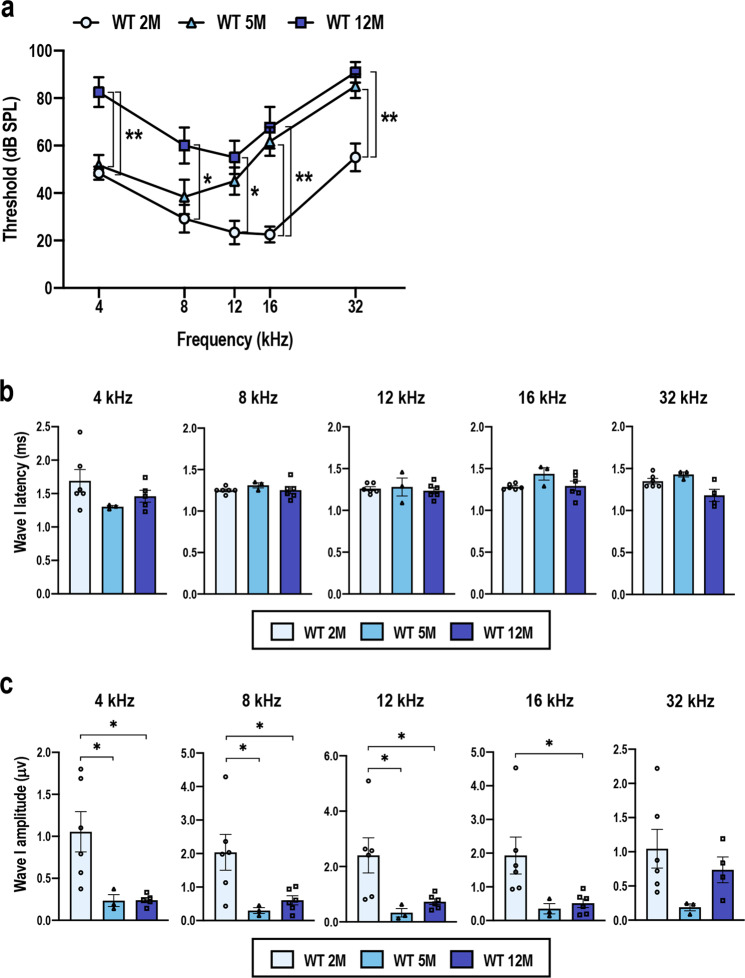
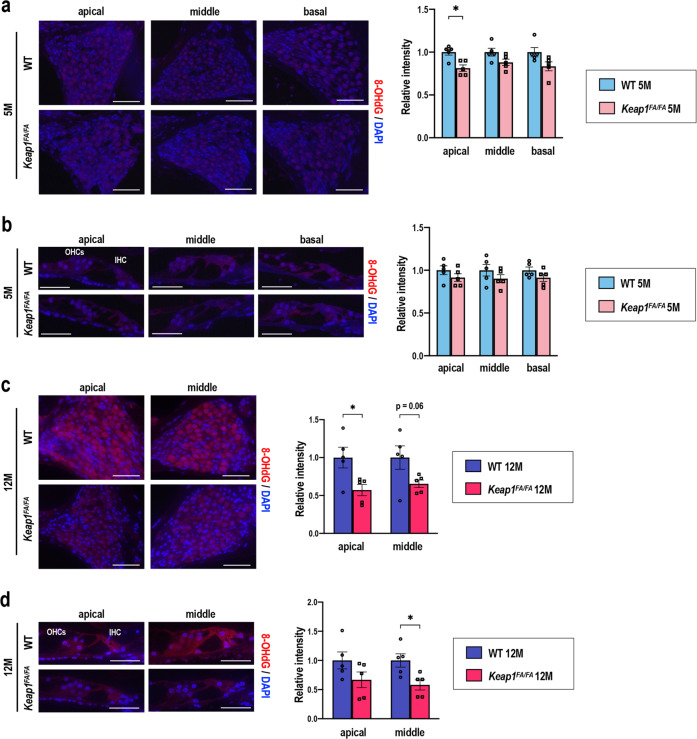
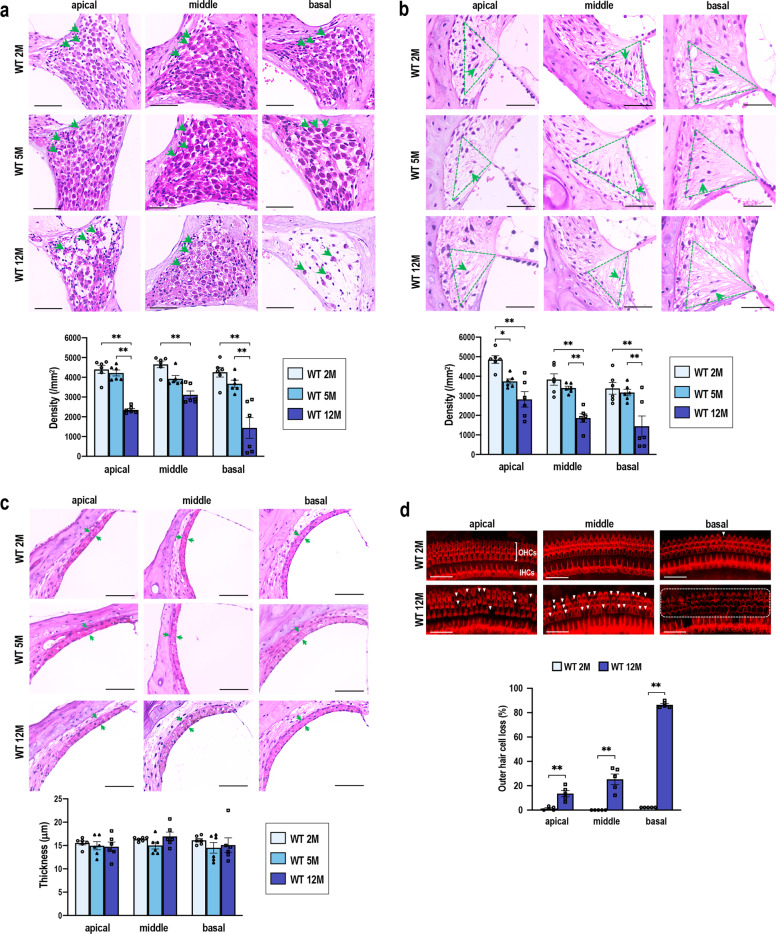
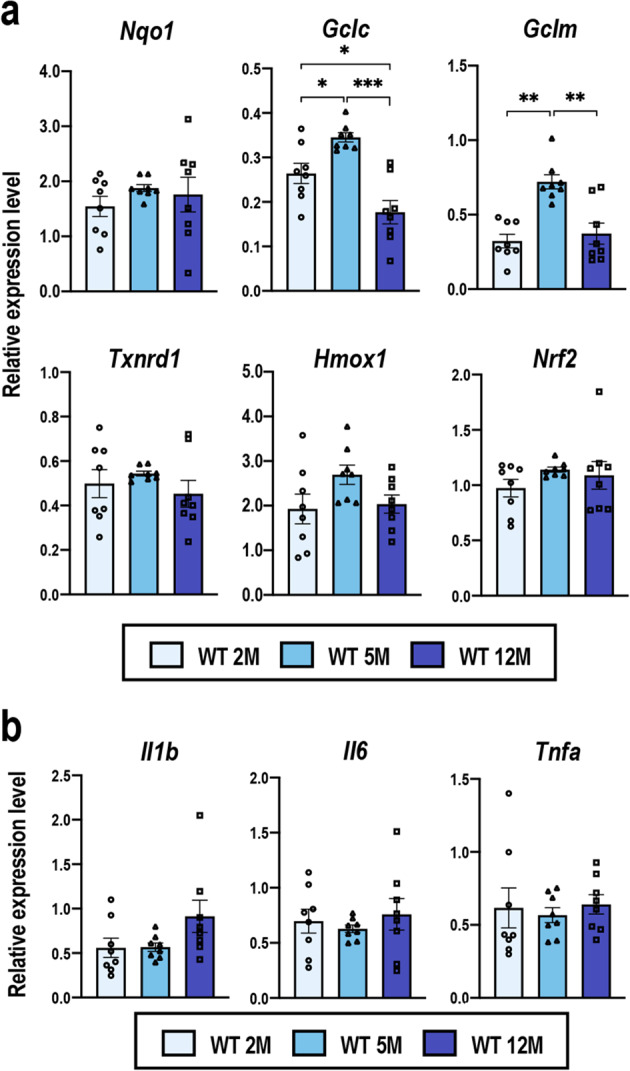
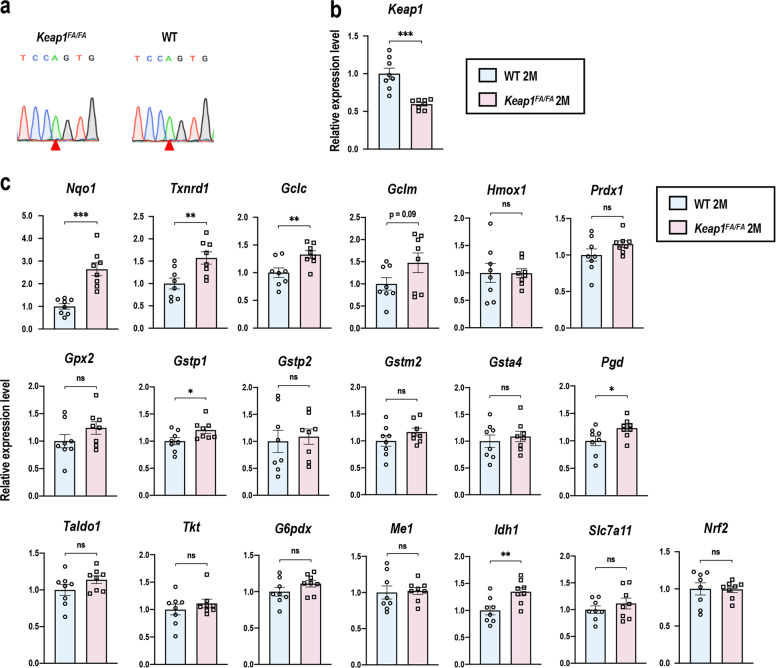
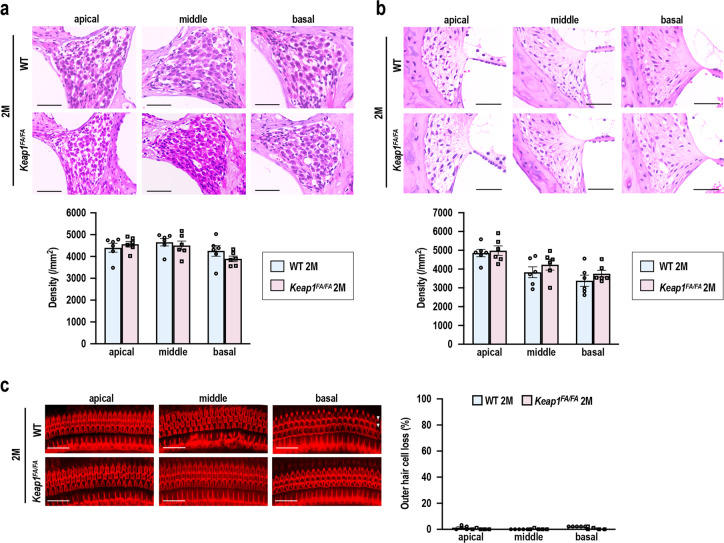
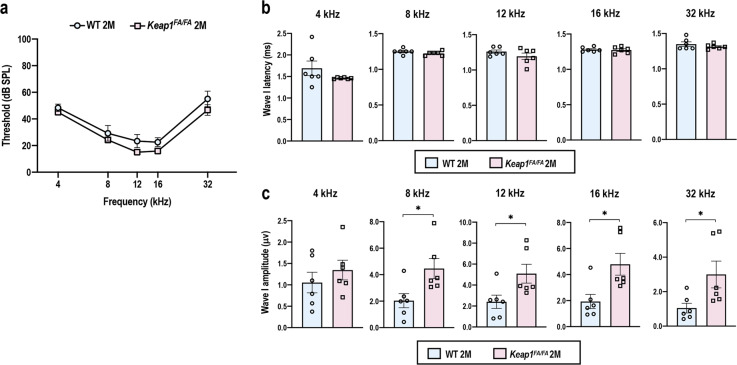
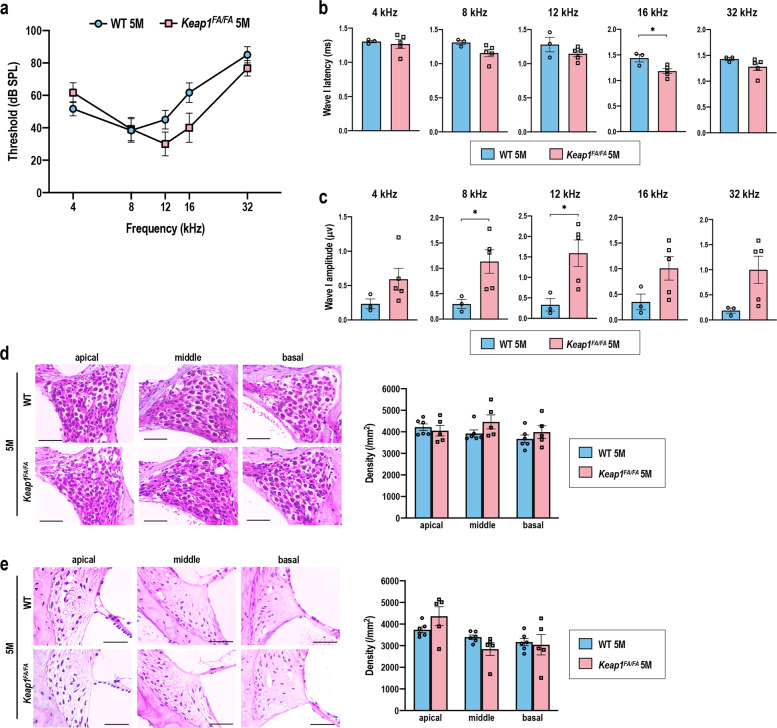
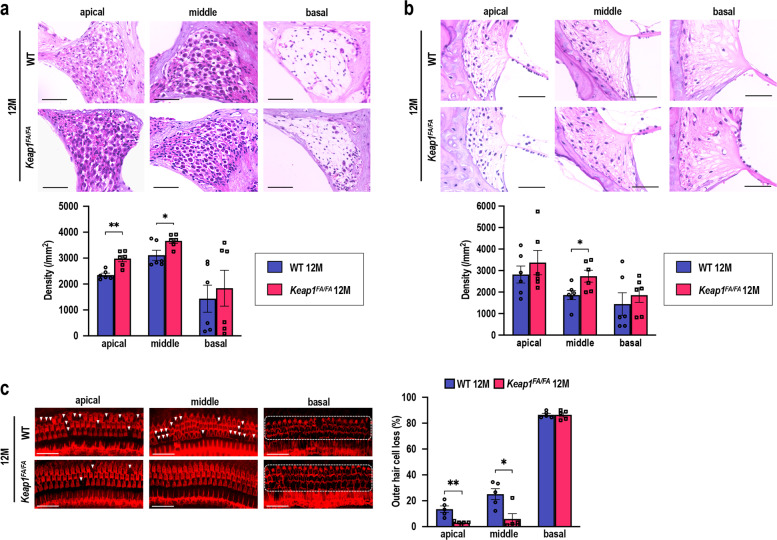
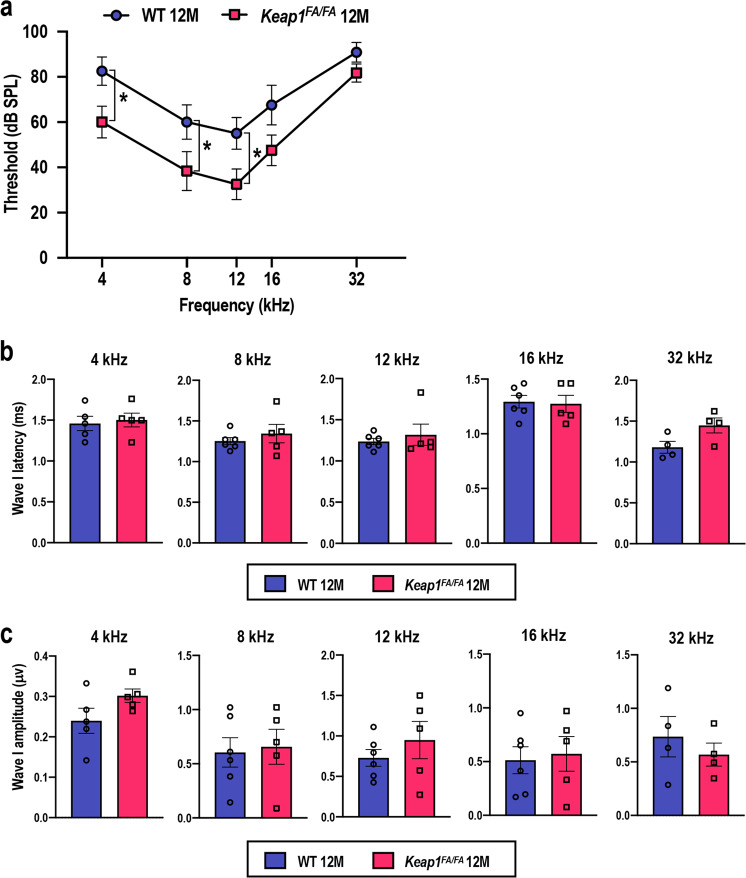
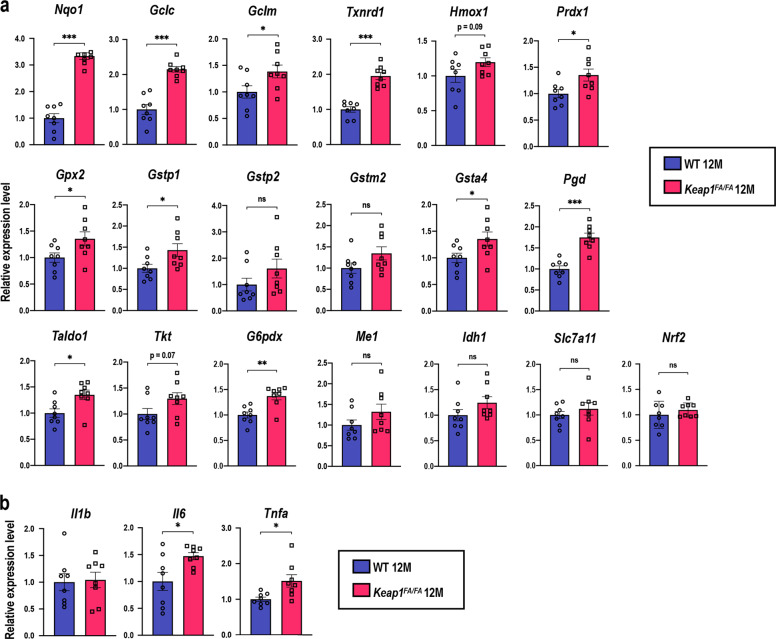
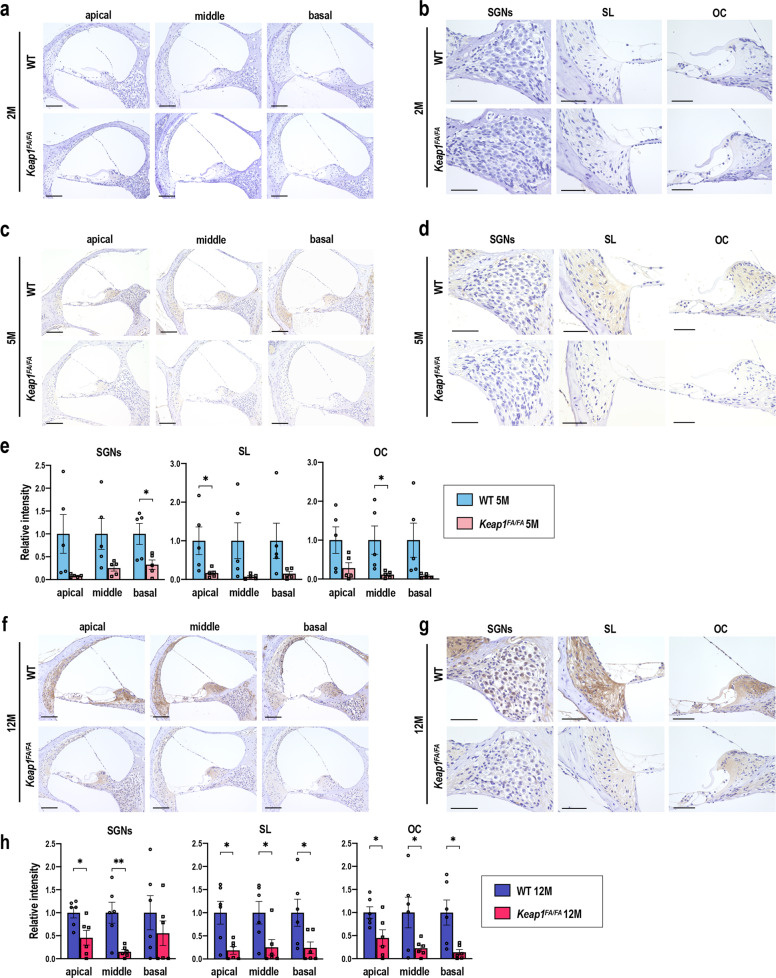
Age-related hearing loss (AHL) is a progressive sensorineural hearing loss in elderly people. Although no prevention or treatments have been established for AHL, recent studies have demonstrated that oxidative stress is closely related to pathogenesis of AHL, suggesting that suppression of oxidative stress leads to inhibition of AHL progression. NRF2 is a master transcription factor that regulates various antioxidant proteins and cytoprotection factors. To examine whether NRF2 pathway activation prevents AHL, we used Keap1-knockdown (Keap1) mice, in which KEAP1, a negative regulator of NRF2, is decreased, resulting in the elevation of NRF2 activity. We compared 12-month-old Keap1 mice with age-matched wild-type (WT) mice in the same breeding colony. In the Keap1 mice, the expression levels of multiple NRF2 target genes were verified to be significantly higher than the expression levels of these genes in the WT mice. Histological analysis showed that cochlear degeneration at the apical and middle turns was ameliorated in the Keap1 mice. Auditory brainstem response (ABR) thresholds in the Keap1 mice were significantly lower than those in the WT mice, in particular at low-mid frequencies. Immunohistochemical detection of oxidative stress markers suggested that oxidative stress accumulation was attenuated in the Keap1 cochlea. Thus, we concluded that NRF2 pathway activation protects the cochlea from oxidative damage during aging, in particular at the apical and middle turns. KEAP1-inhibiting drugs and phytochemicals are expected to be effective in the prevention of AHL.
年龄相关性听力损失(AHL)是老年人中一种进行性的感音神经性听力损失。尽管尚未确立针对AHL的预防或治疗方法,但最近的研究表明,氧化应激与AHL的发病机制密切相关,这表明抑制氧化应激可导致AHL进展受到抑制。NRF2是一种主要的转录因子,可调节各种抗氧化蛋白和细胞保护因子。为了研究NRF2信号通路激活是否能预防AHL,我们使用了Keap1基因敲低(Keap1)小鼠,其中NRF2的负调节因子KEAP1减少,导致NRF2活性升高。我们将12月龄的Keap1小鼠与同一繁殖群体中年龄匹配的野生型(WT)小鼠进行比较。在Keap1小鼠中,多个NRF2靶基因的表达水平经证实显著高于WT小鼠中这些基因的表达水平。组织学分析表明,Keap1小鼠耳蜗顶回和中回的退化得到改善。Keap1小鼠的听觉脑干反应(ABR)阈值显著低于WT小鼠,尤其是在中低频。氧化应激标志物的免疫组织化学检测表明,Keap1耳蜗中氧化应激积累有所减轻。因此,我们得出结论,NRF2信号通路激活可保护耳蜗在衰老过程中免受氧化损伤,尤其是在顶回和中回。抑制KEAP1的药物和植物化学物质有望有效预防AHL。