Xu Mengting, Zhang Lili, Song Shu, Pan Lingling, Muhammad Arslan Ishfaq, Chen Yong, Yang Shengju
Department of Dermatology, Affiliated Hospital of Nantong University, Nantong 226001, China.
Department of Pharmacology, School of Pharmacy, Nantong University, Nantong 226001, China.
J Adv Res. 2020 Feb 8;27:11-17. doi: 10.1016/j.jare.2020.02.003. eCollection 2021 Jan.
Hydrogen sulfide (HS) is now recognized as a vital endogenous gasotransmitter with a variety of biological functions in different systems. Recently, studies have increasingly focused on the role of HS in the skin.
This review summarizes recent progress and provides perspectives on HS in the treatment of dermatological diseases.
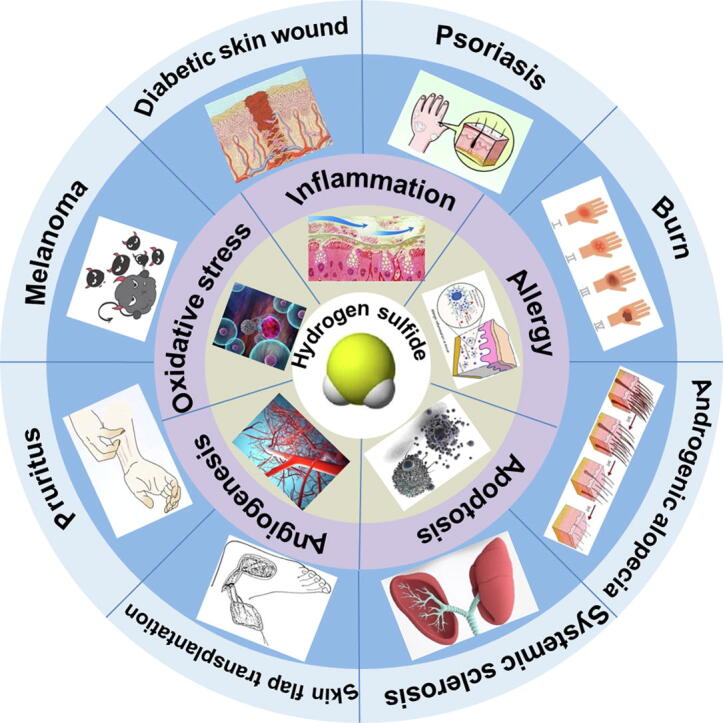
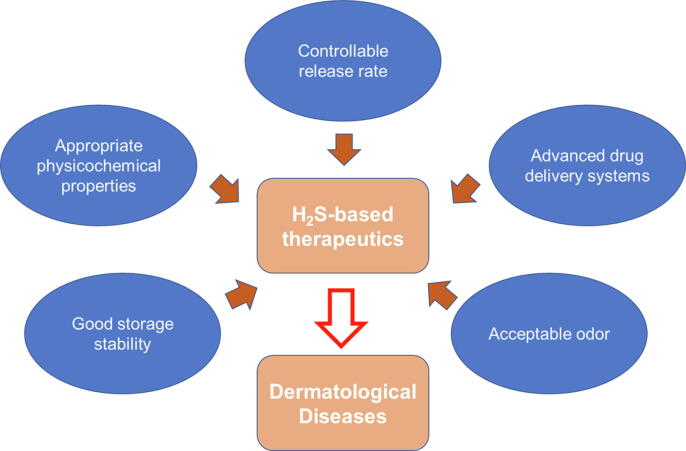
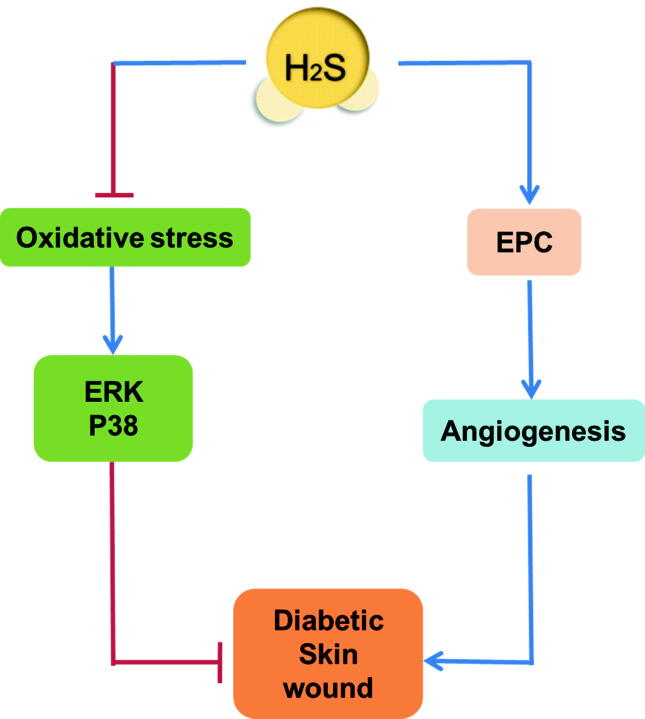
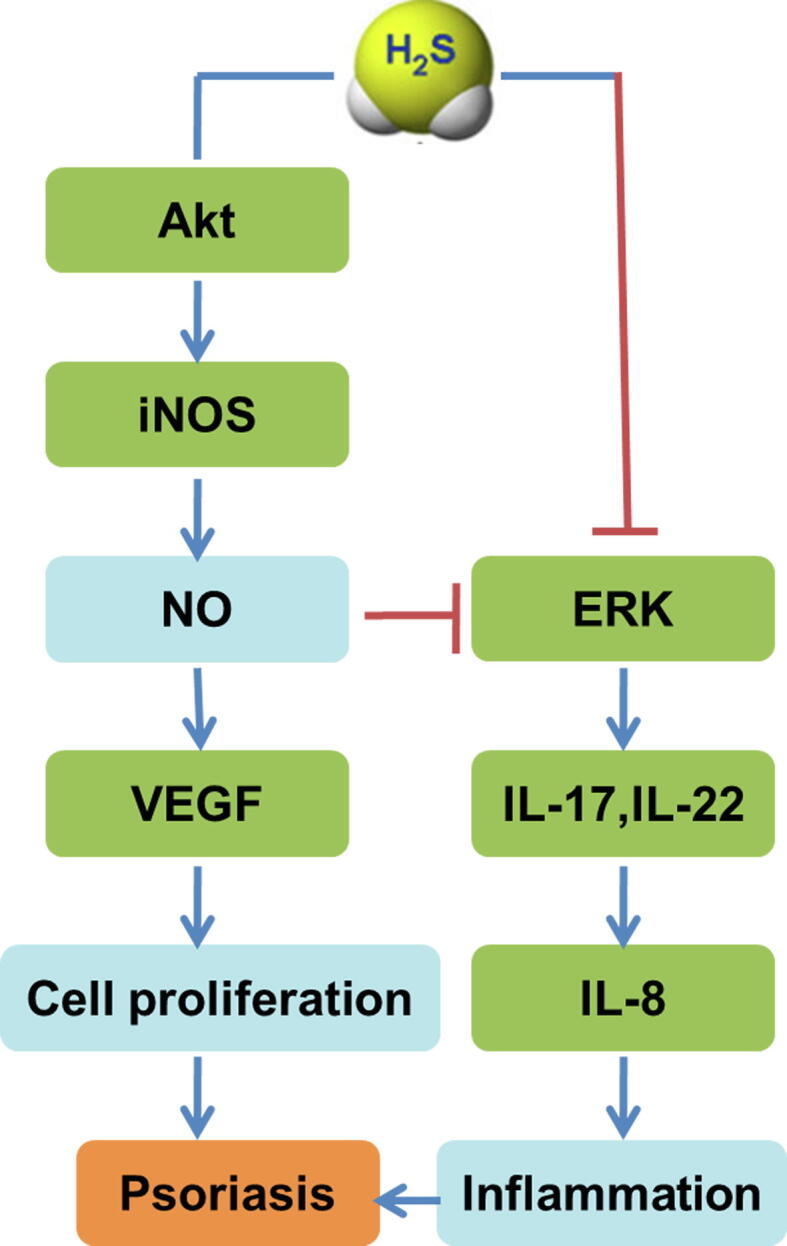
Three HS production enzymes, cystathionine-γ-lyase (CSE), cystathionine-β-synthase (CBS) and 3-mercaptopyruvate sulfur transferase (3-MST), are all present in the skin, and it is likely that different cell types in the skin express them differently. Previous studies have demonstrated that HS protects against several dermatological diseases, such as burns, diabetic skin wounds, psoriasis, skin flap transplantation, systemic sclerosis, melanoma, and pruritus. The mechanism might be related to the regulation of oxidative stress, inflammation, angiogenesis, apoptosis, and allergic reactions. HS-based therapeutics require certain characteristics for topical delivery, for example, controlled release, appropriate physicochemical properties, good storage stability, acceptable odor, and advanced delivery systems. HS-induced S-sulfhydration on proteins are potential novel targets for therapeutic intervention and drug design for the skin, which may lead to the development and application of HS-related drugs for dermatological diseases.
硫化氢(HS)现已被公认为一种重要的内源性气体递质,在不同系统中具有多种生物学功能。最近,研究越来越关注HS在皮肤中的作用。
本综述总结了HS在治疗皮肤病方面的最新进展并提供了相关观点。
三种HS生成酶,即胱硫醚-γ-裂解酶(CSE)、胱硫醚-β-合酶(CBS)和3-巯基丙酮酸硫转移酶(3-MST),均存在于皮肤中,并且皮肤中的不同细胞类型可能对它们的表达有所不同。先前的研究表明,HS可预防多种皮肤病,如烧伤、糖尿病皮肤伤口、银屑病、皮瓣移植、系统性硬化症、黑色素瘤和瘙痒症。其机制可能与氧化应激、炎症、血管生成、细胞凋亡和过敏反应的调节有关。基于HS的治疗方法在局部给药方面需要具备某些特性,例如控释、合适的理化性质、良好的储存稳定性、可接受的气味以及先进的给药系统。HS诱导的蛋白质S-巯基化是皮肤治疗干预和药物设计的潜在新靶点,这可能会推动HS相关药物在皮肤病治疗中的开发和应用。