J. Crayton Pruitt Family Department of Biomedical Engineering, University of Florida, Gainesville, Florida 32611, United States.
Department of Pathology, Immunology and Laboratory Medicine, University of Florida Diabetes Institute, Gainesville, Florida 32611, United States.
ACS Biomater Sci Eng. 2020 Oct 12;6(10):5941-5958. doi: 10.1021/acsbiomaterials.0c01075. Epub 2020 Sep 10.
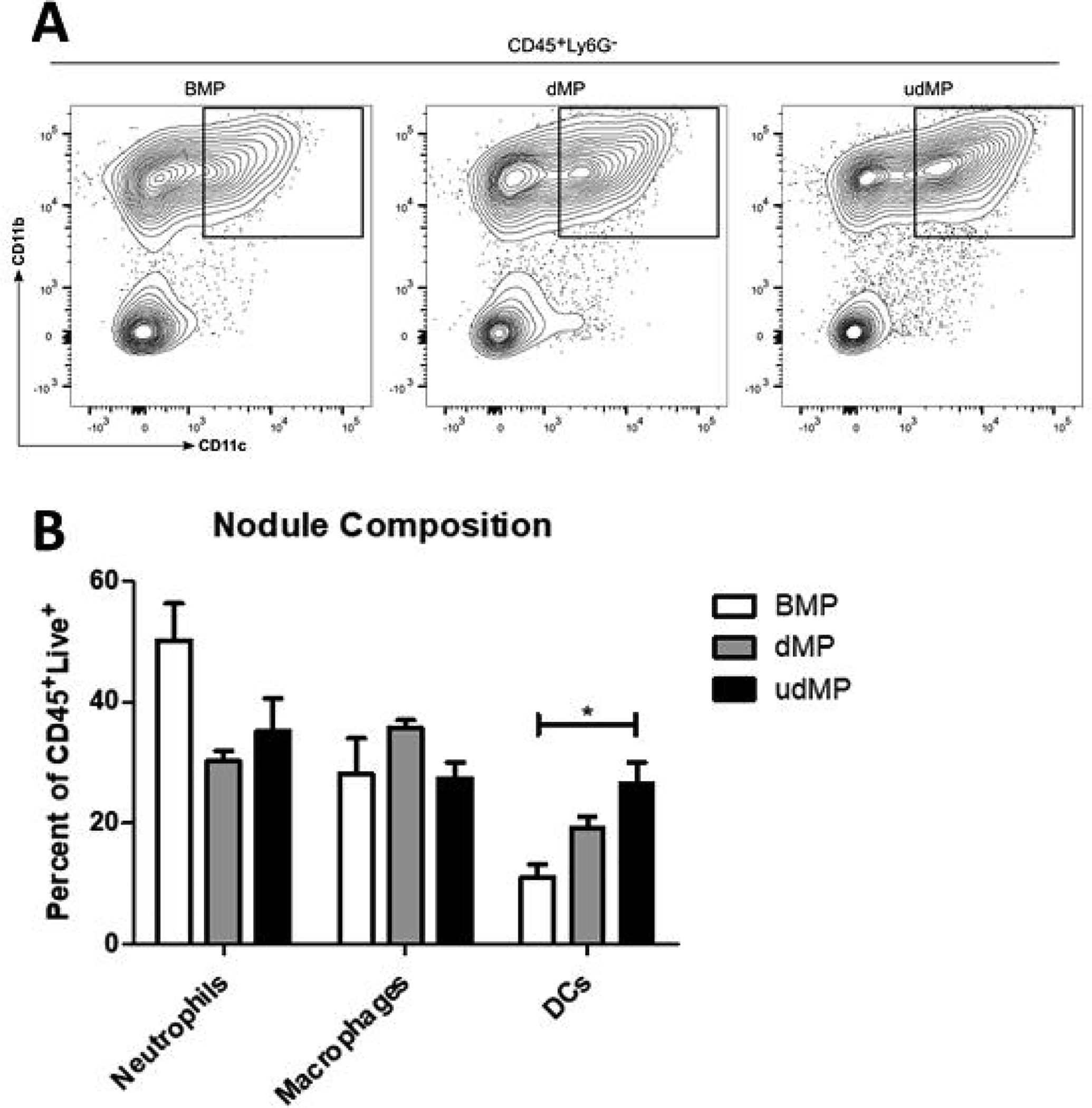
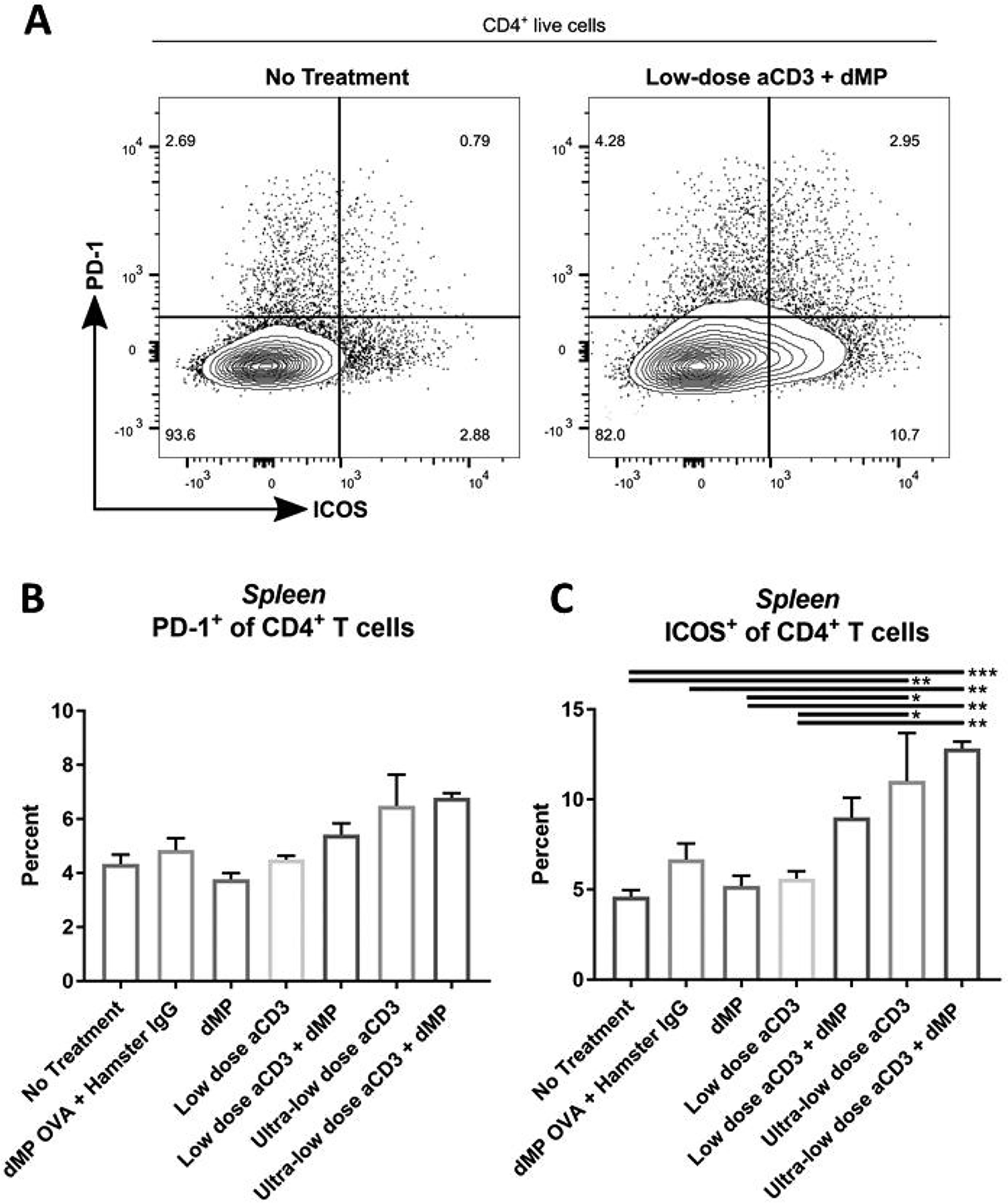
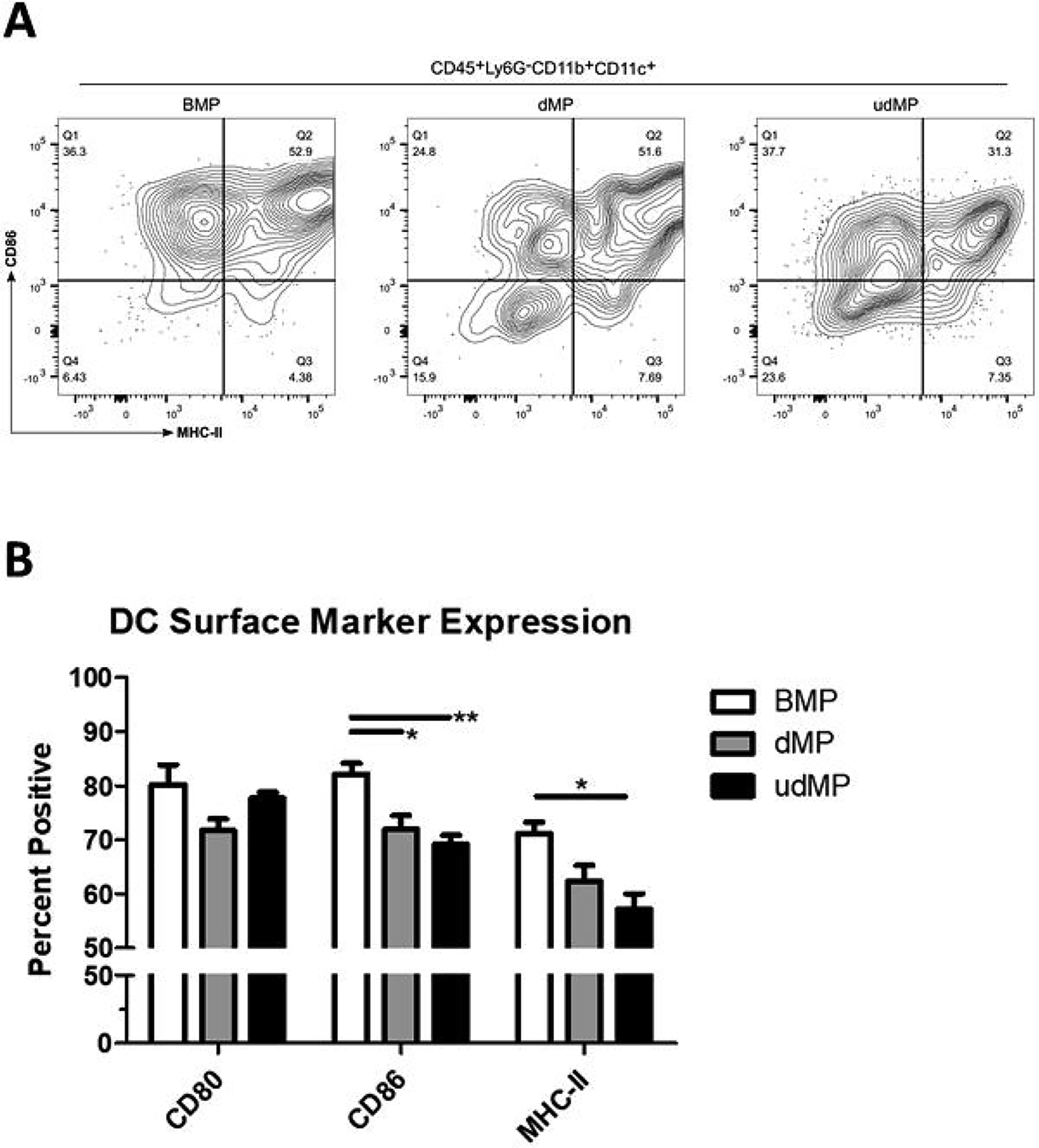
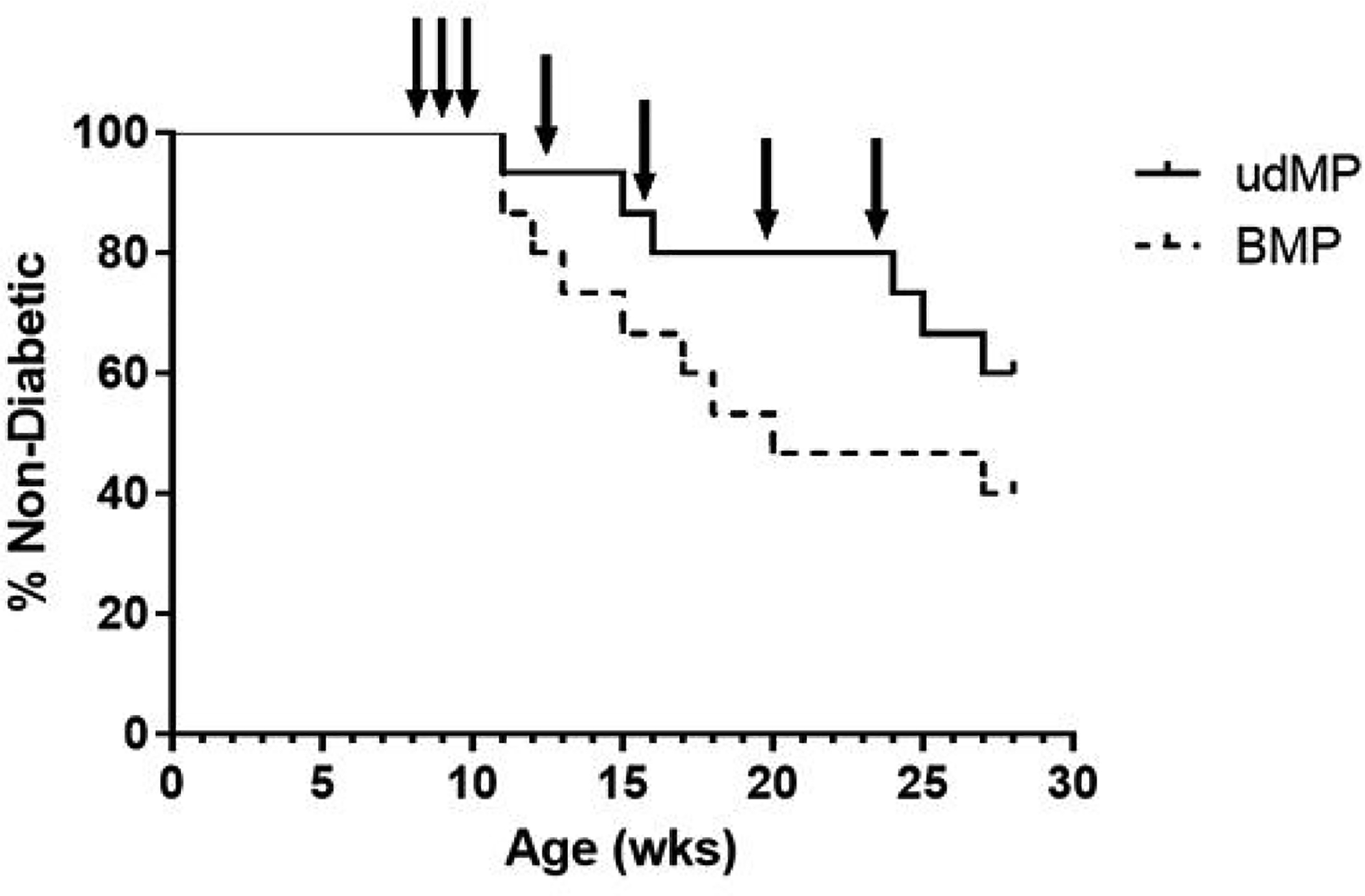
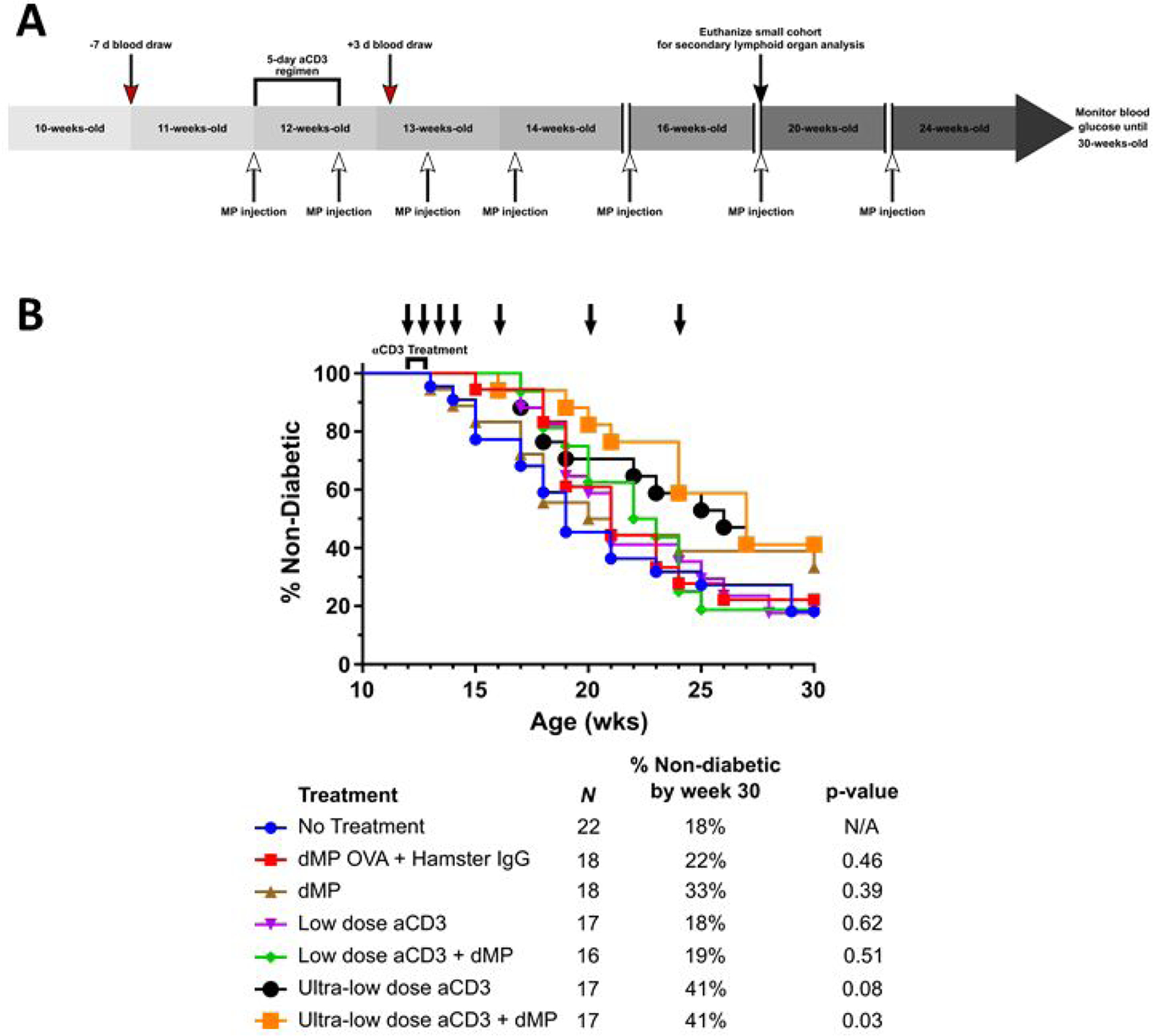
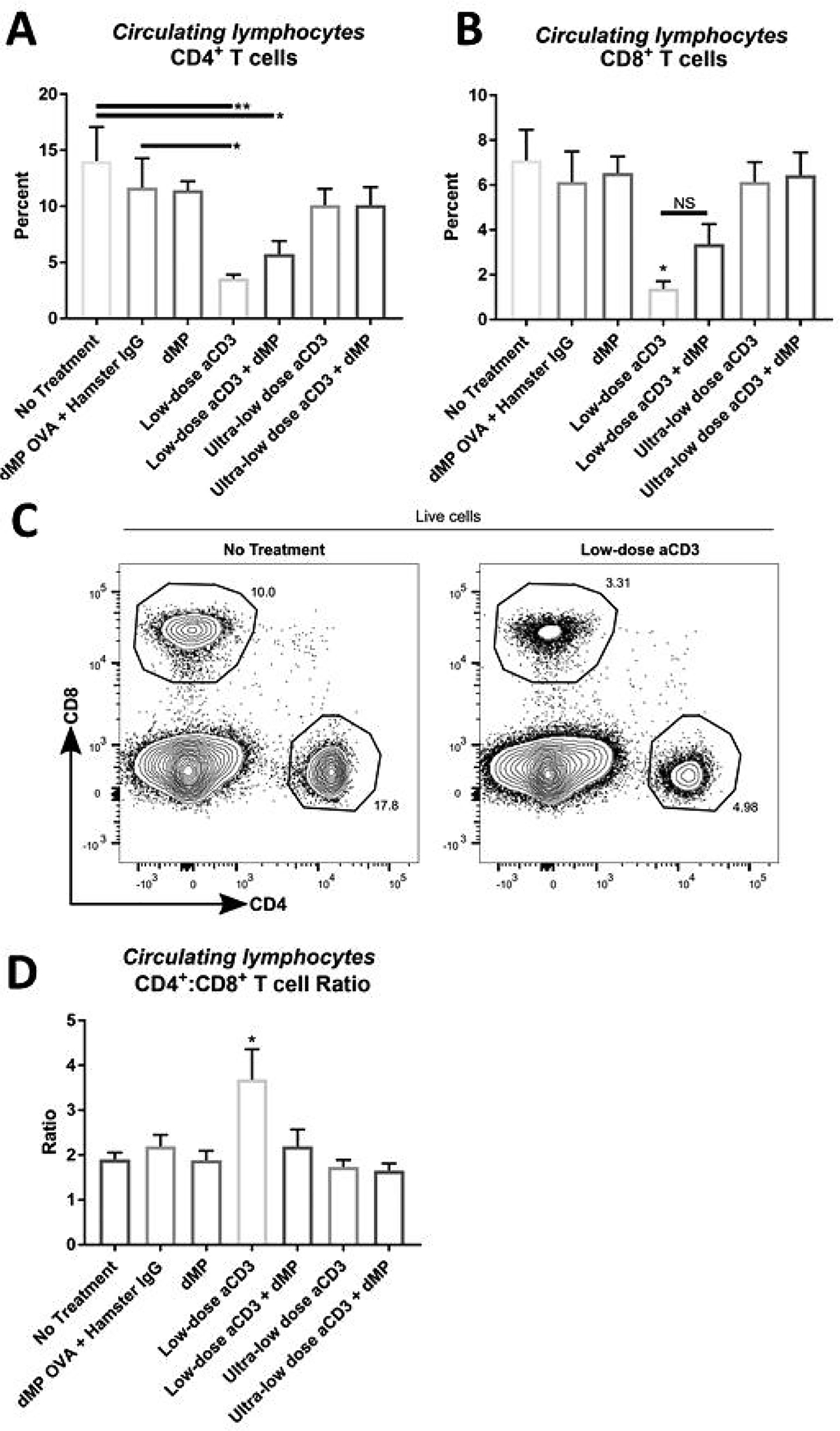
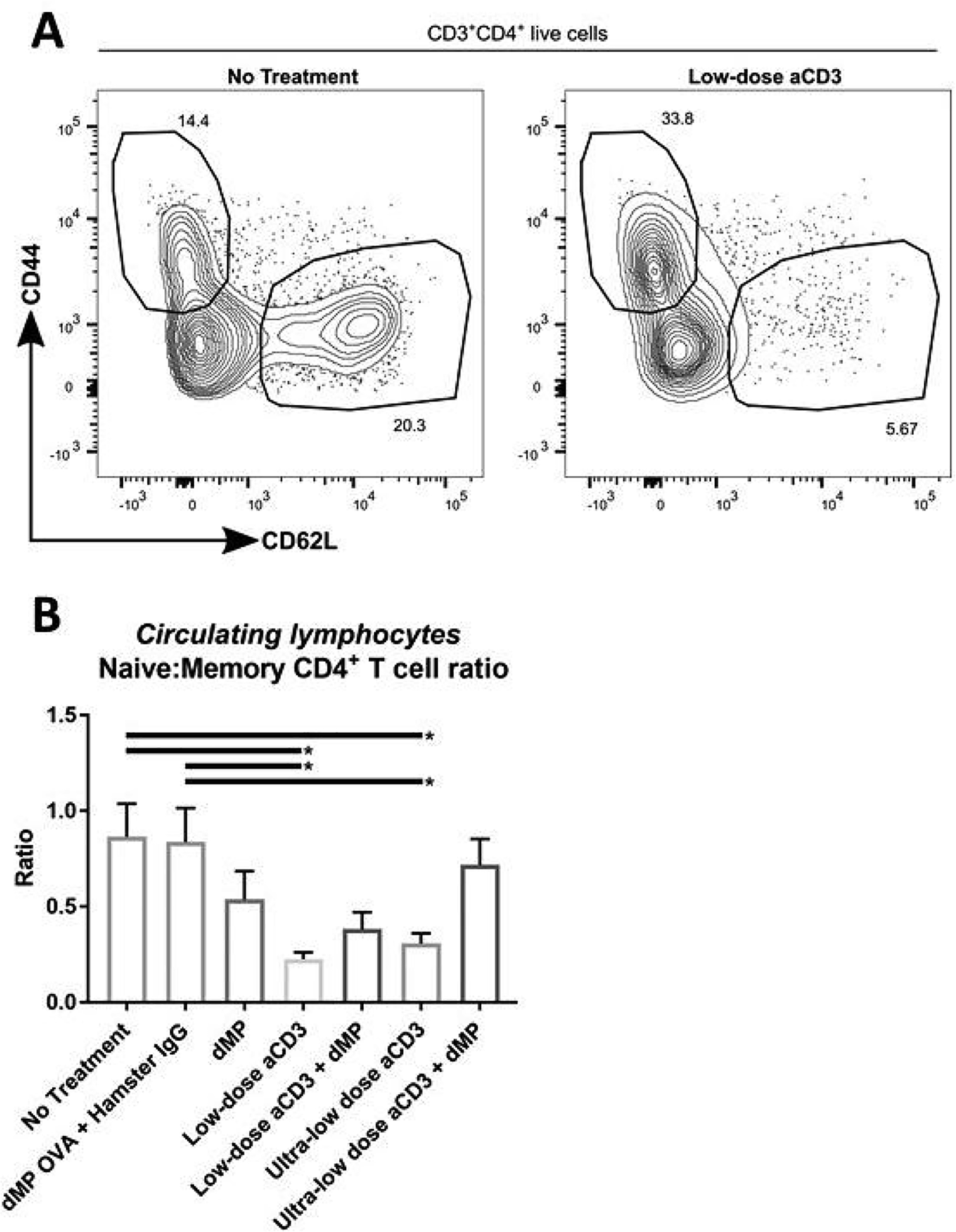
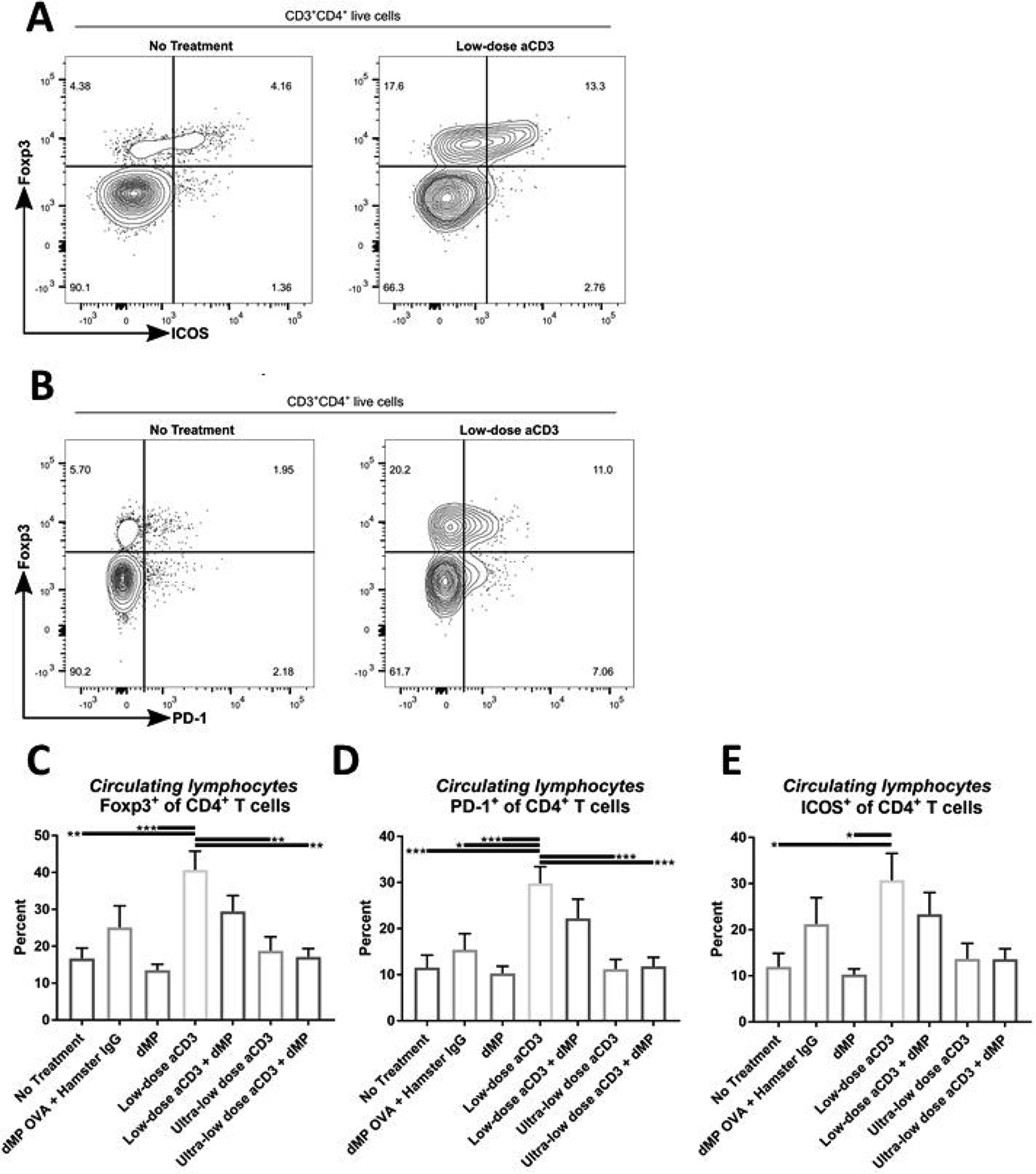
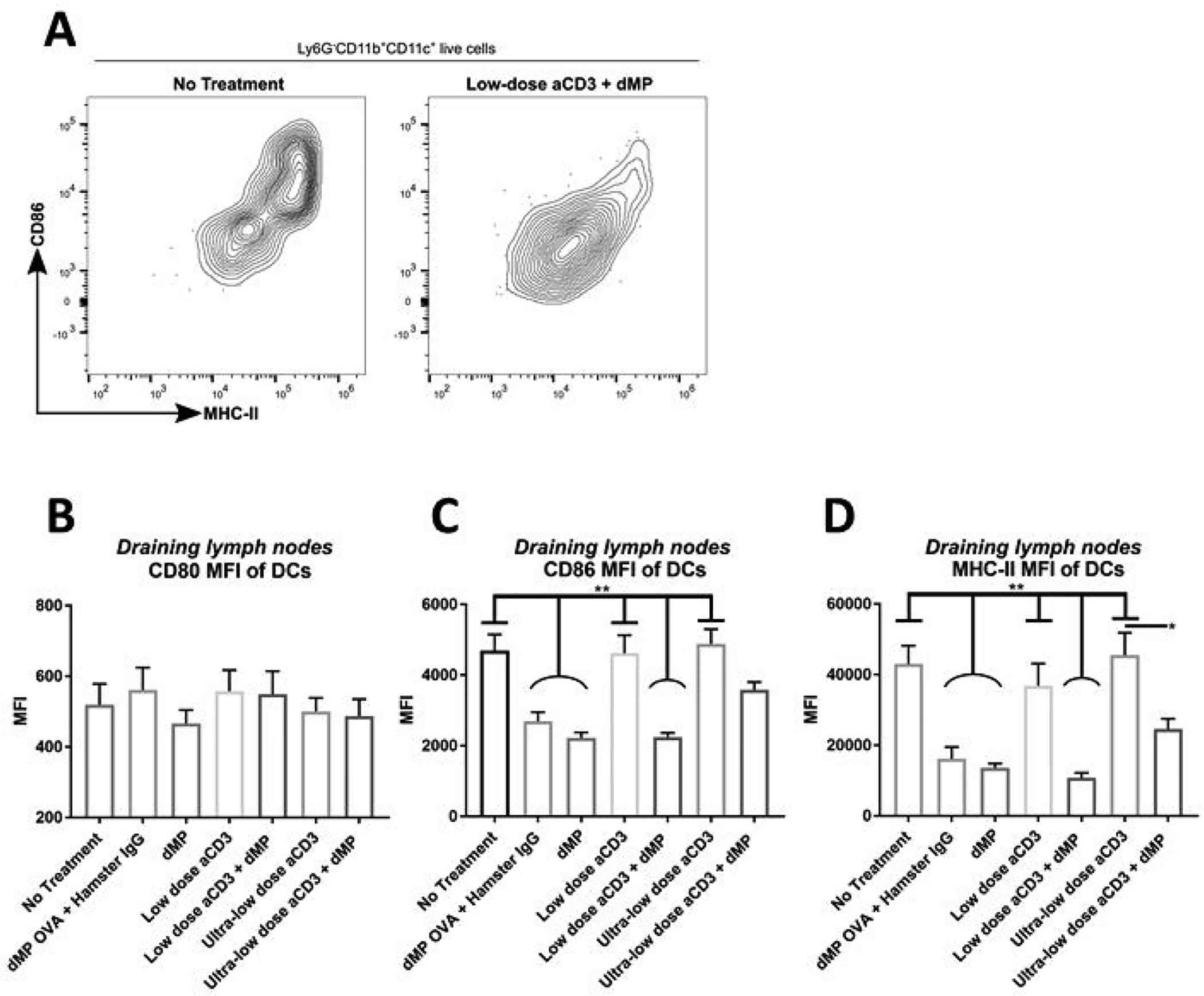
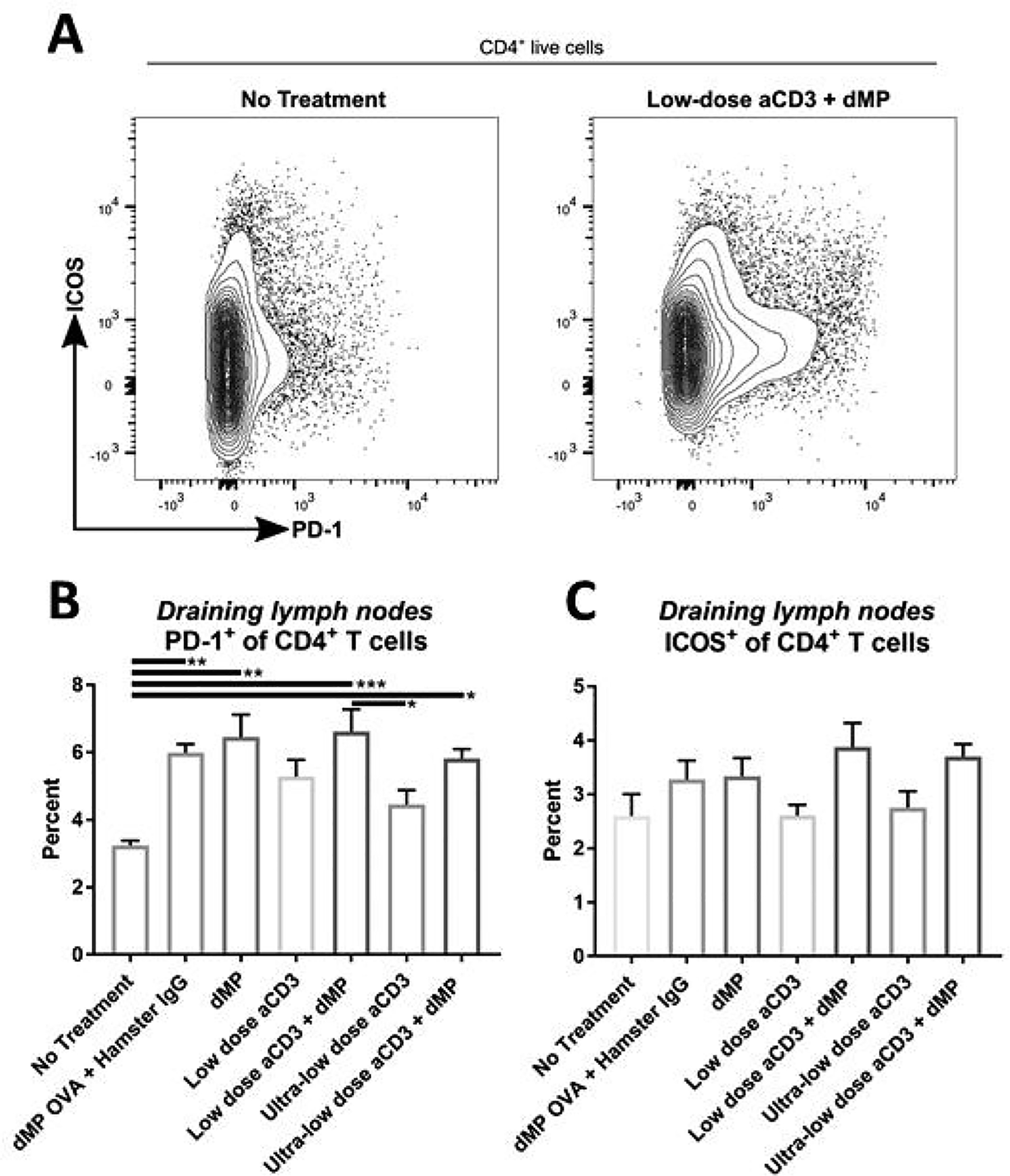
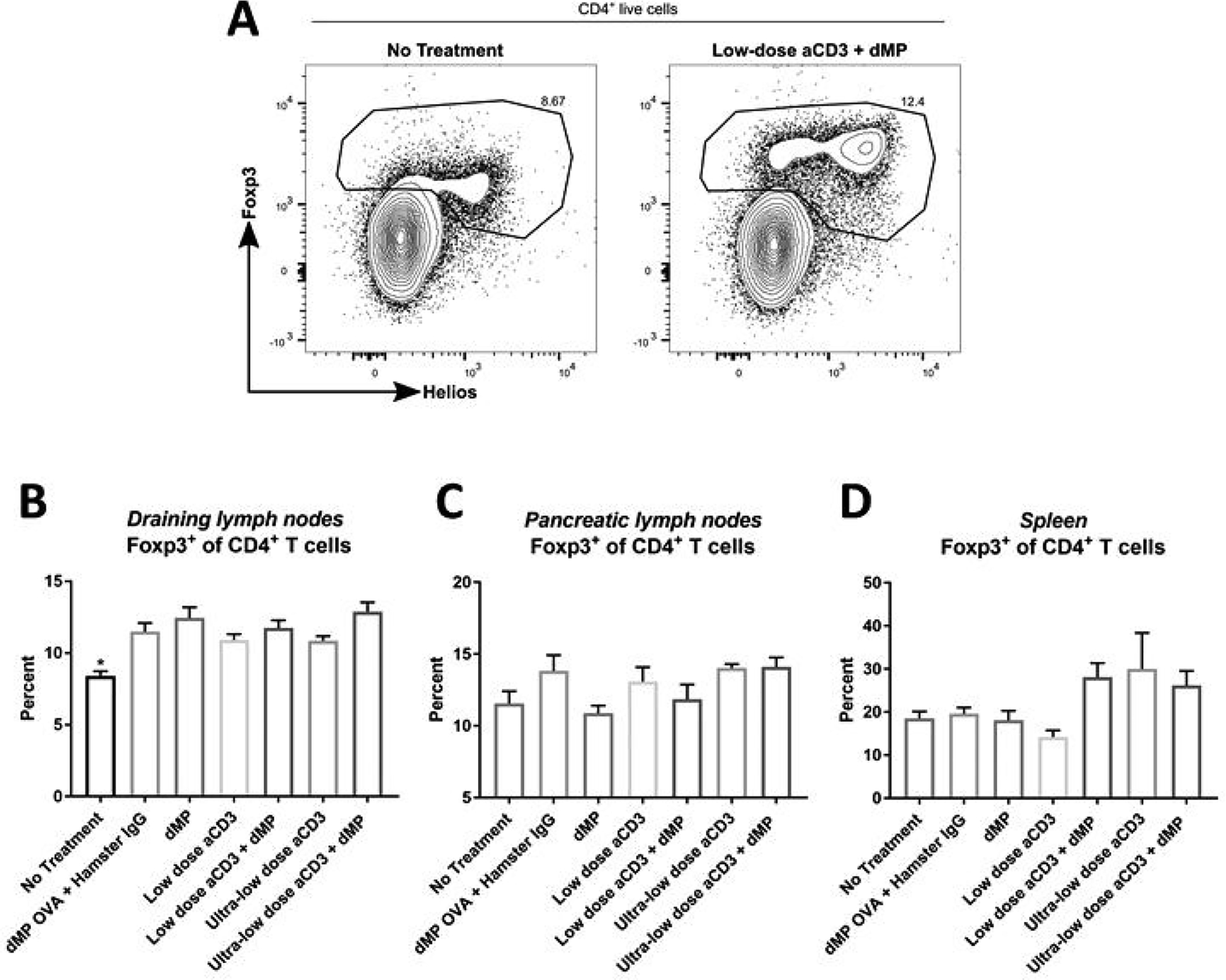
Type 1 diabetes (T1D) pathophysiology, while incompletely understood, has in part been attributed to aberrant presentation of self-antigen plus proinflammatory costimulation by professional antigen-presenting cells (APCs). Therapies targeting dendritic cells (DCs) offer an avenue to restore antigen-specific tolerance by promoting presentation of self-antigen in an anti-inflammatory or suppressive context. Here, we describe a subcutaneously administered, dual-sized biodegradable microparticle (MP) platform that includes phagocytosable (∼1 μm) and nonphagocytosable (∼30 μm) MPs to deliver pro-tolerogenic factors both intra- and extracellularly, as well as the T1D-associated autoantigen, insulin, to DCs for amelioration of autoimmunity. This MP platform resulted in increased recruitment of DCs, suppressive skewing of DC phenotype with diminished expression of CD86 and MHC-II, increased regulatory T cell (Treg) frequency, and upregulated expression of the checkpoint inhibitor programmed cell death protein 1 (PD-1) on T cells. When administered concomitantly with anti-CD3 antibody, which provides transient T cell depletion while preserving Treg populations, in 12-week-old nonobese diabetic (NOD) mice, regulatory immune populations persisted out to 20 weeks of age; however, combination anti-CD3 and dual-sized MP (dMP) therapy failed to synergistically inhibit diabetes onset.
1 型糖尿病 (T1D) 的病理生理学虽然尚未完全阐明,但部分归因于专业抗原呈递细胞 (APC) 异常呈递自身抗原和促炎共刺激。针对树突状细胞 (DC) 的治疗方法提供了一种通过促进自身抗原在抗炎或抑制性环境中呈递来恢复抗原特异性耐受的途径。在这里,我们描述了一种皮下给药的双尺寸可生物降解微粒 (MP) 平台,该平台包含可吞噬 (∼1 μm) 和不可吞噬 (∼30 μm) 的 MPs,以在细胞内和细胞外递呈促耐受因子,以及 T1D 相关自身抗原胰岛素,用于改善自身免疫。该 MP 平台导致 DC 募集增加,DC 表型的抑制性倾斜,CD86 和 MHC-II 的表达减少,调节性 T 细胞 (Treg) 频率增加,以及 T 细胞上的检查点抑制剂程序性细胞死亡蛋白 1 (PD-1) 的表达上调。当与抗 CD3 抗体同时给药时,抗 CD3 抗体可提供短暂的 T 细胞耗竭,同时保留 Treg 群体,在 12 周龄非肥胖型糖尿病 (NOD) 小鼠中,调节性免疫群体持续存在至 20 周龄;然而,联合抗 CD3 和双尺寸 MP (dMP) 治疗未能协同抑制糖尿病的发生。