Bikiaris Nikolaos D, Ainali Nina Maria, Christodoulou Evi, Kostoglou Margaritis, Kehagias Thomas, Papasouli Emilia, Koukaras Emmanuel N, Nanaki Stavroula G
Department of Chemistry, Laboratory of Chemistry and Technology of Polymers and Dyes, Aristotle University of Thessaloniki, GR-541 24 Thessaloniki, Greece.
Department of Chemistry, Laboratory of General and Inorganic Chemical Technology, Aristotle University of Thessaloniki, GR-541 24 Thessaloniki, Greece.
Nanomaterials (Basel). 2020 Dec 11;10(12):2490. doi: 10.3390/nano10122490.
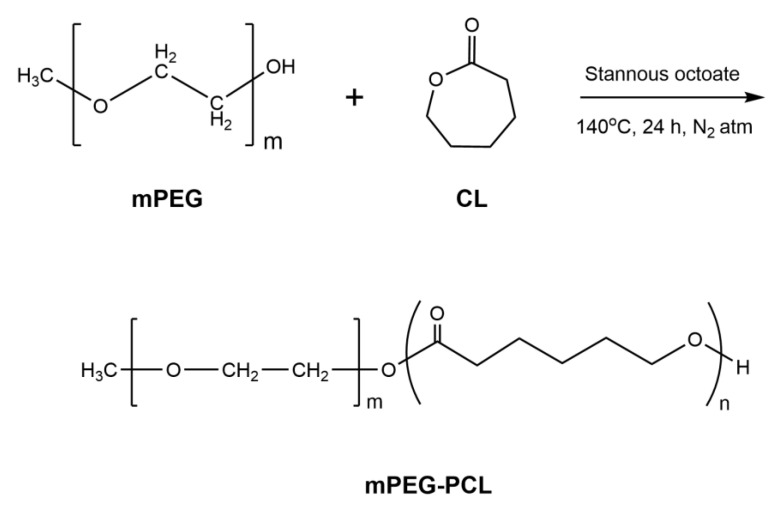
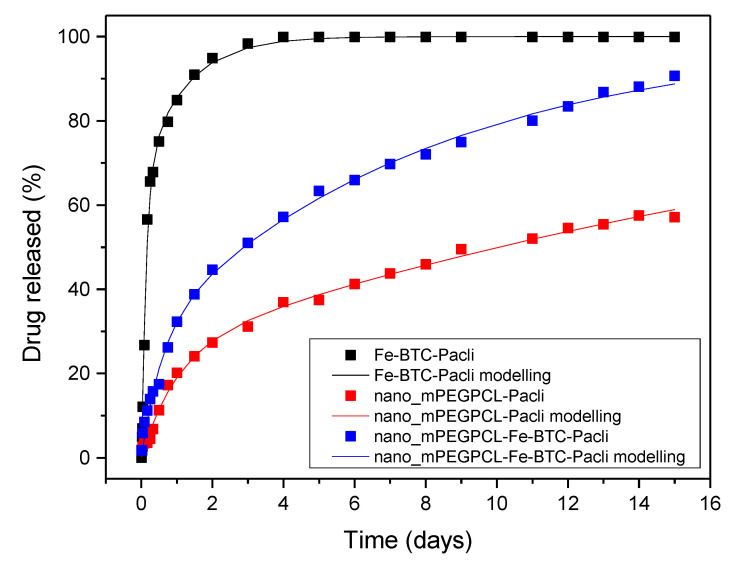
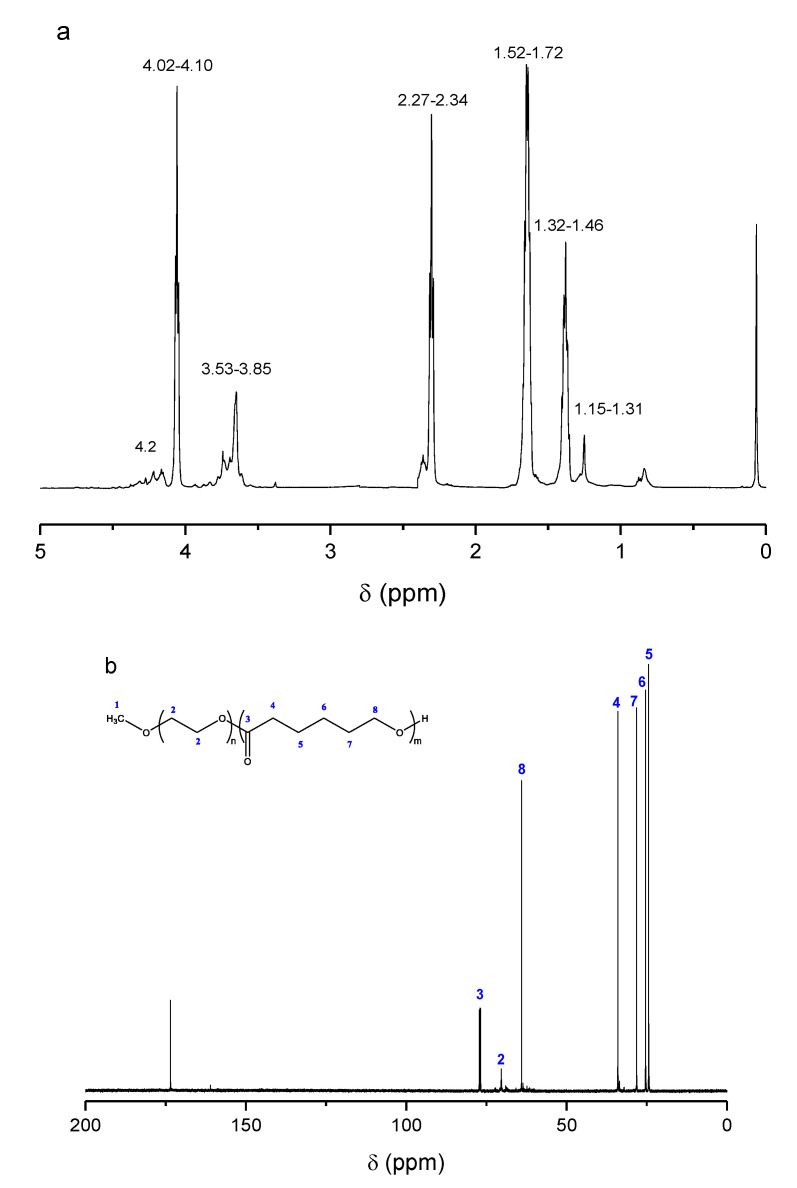
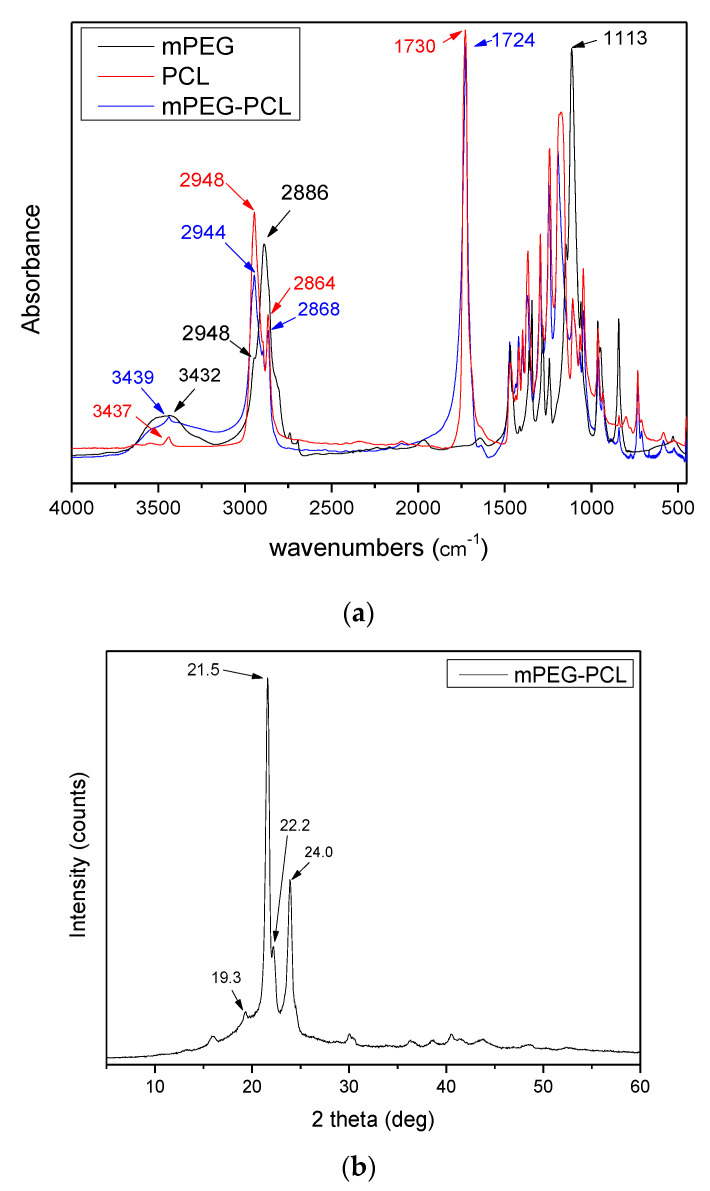
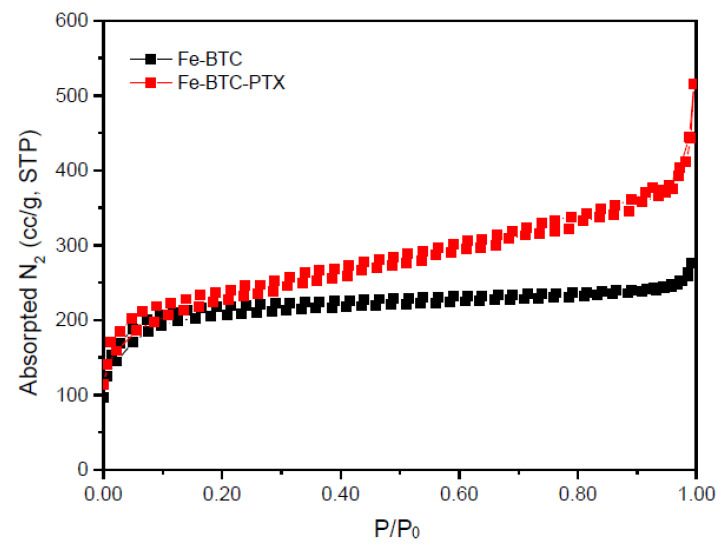
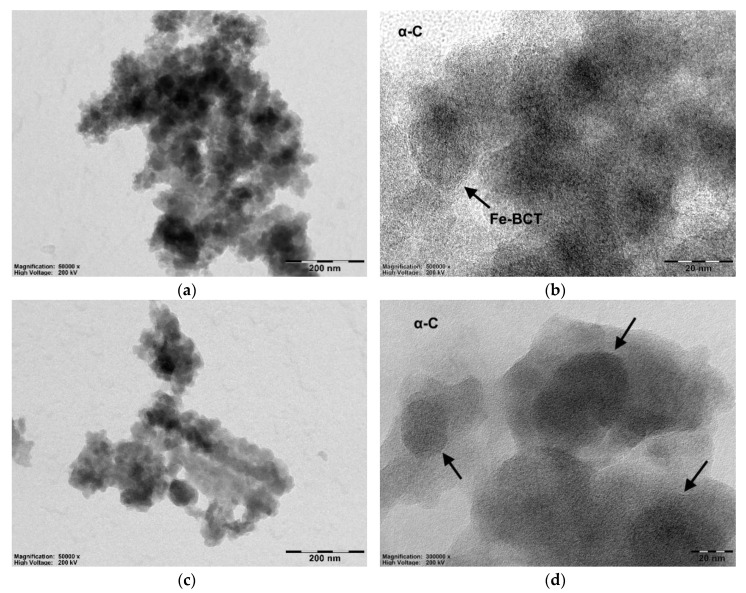
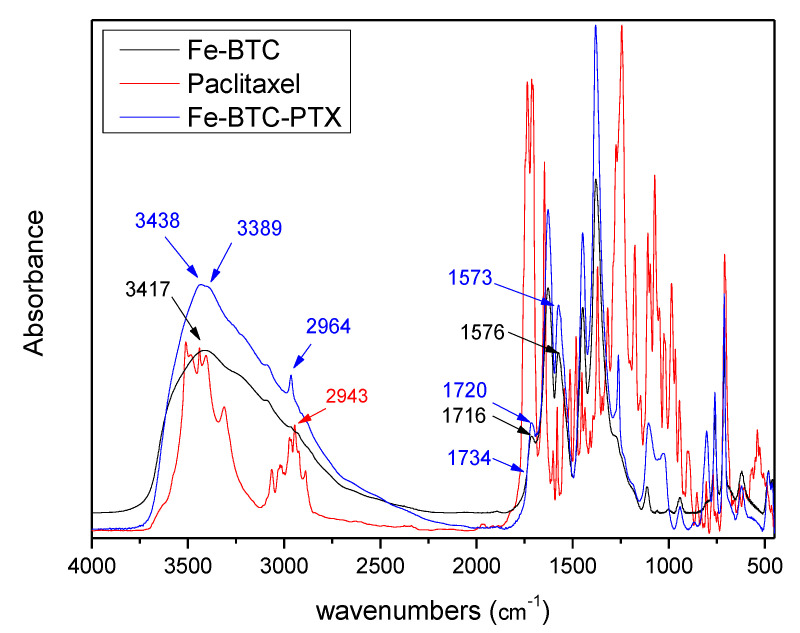
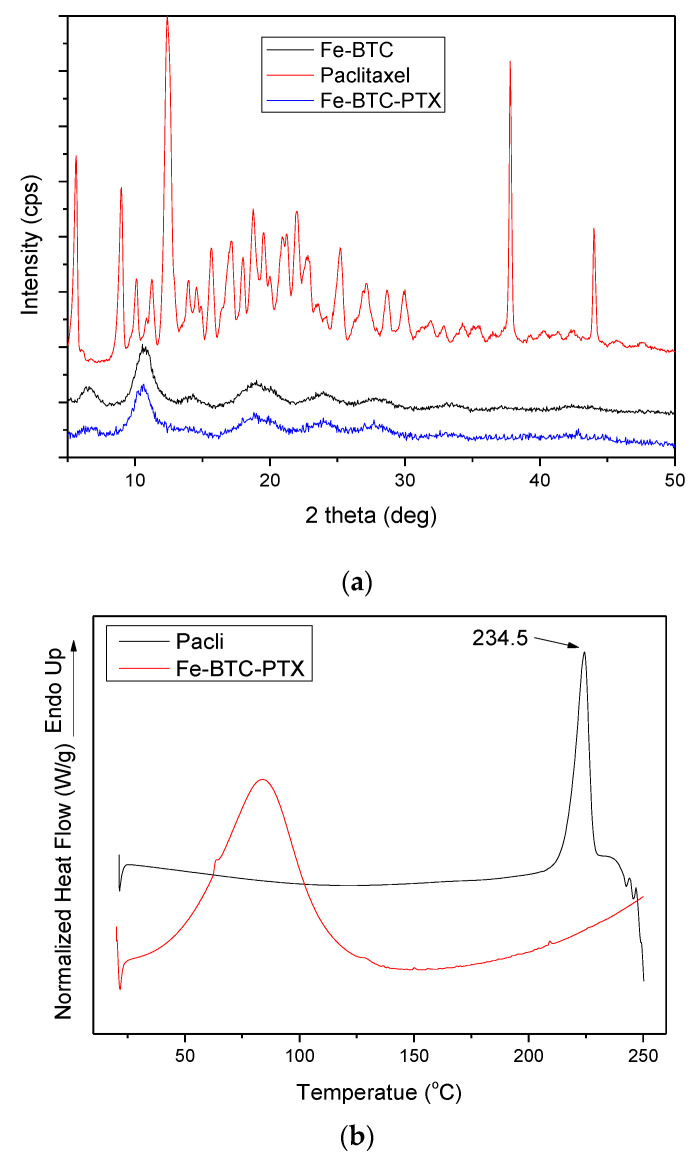
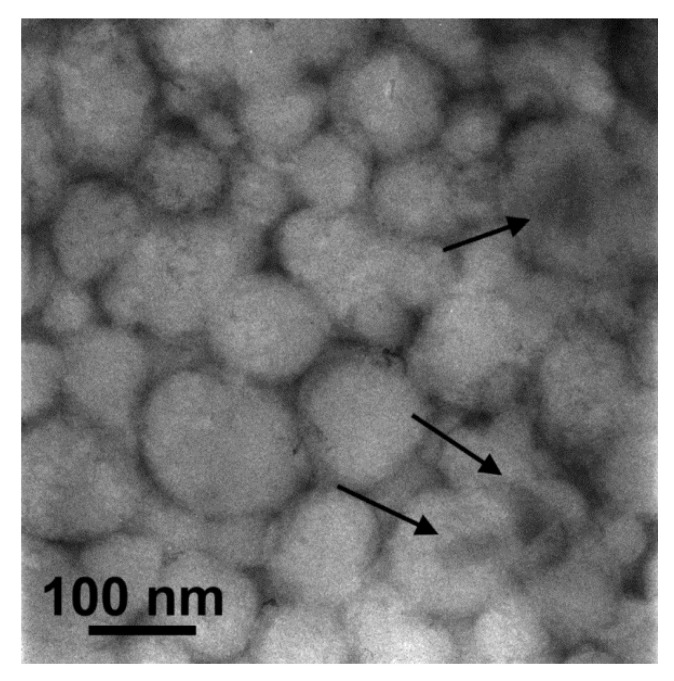
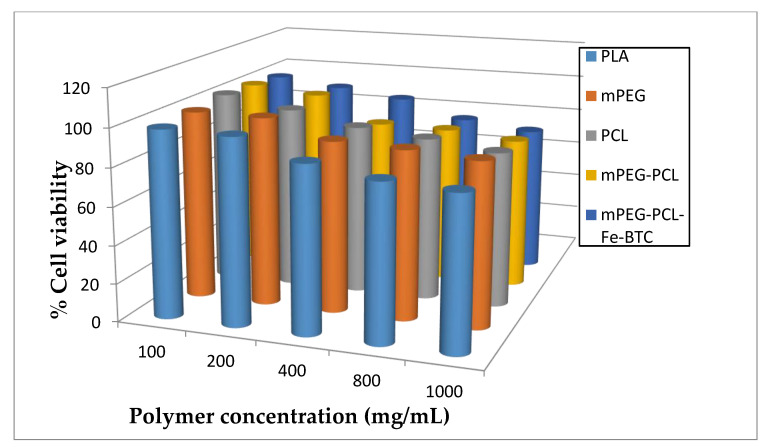
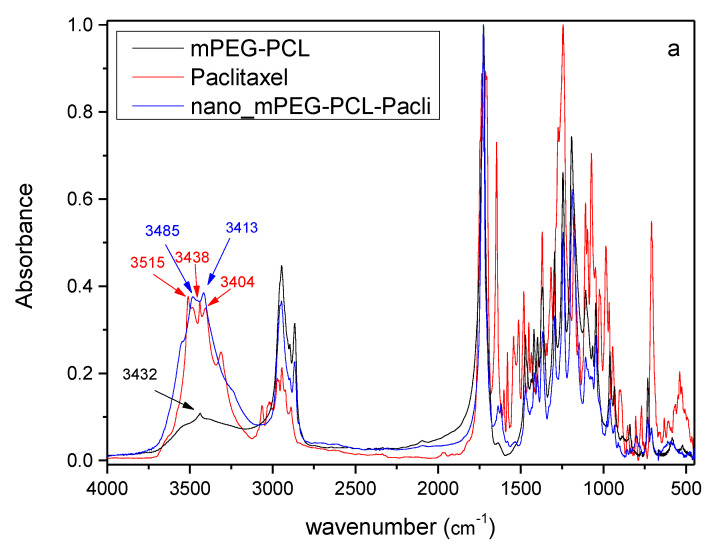
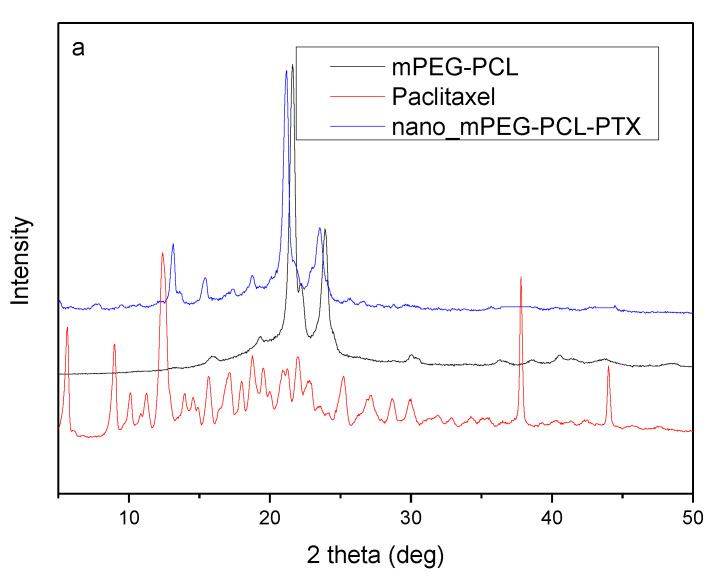
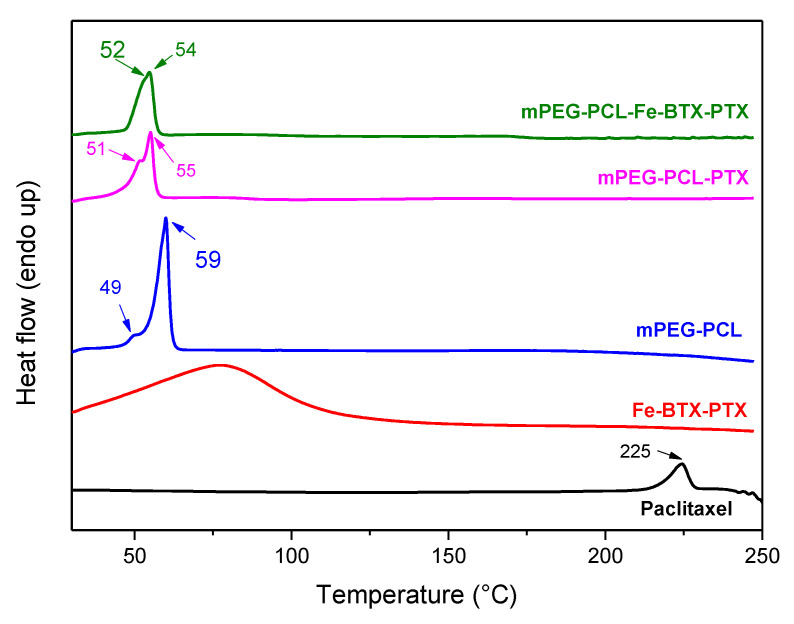
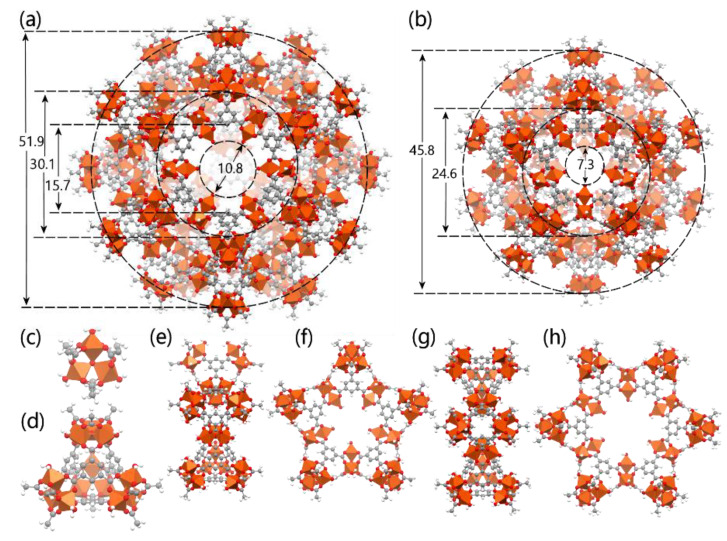
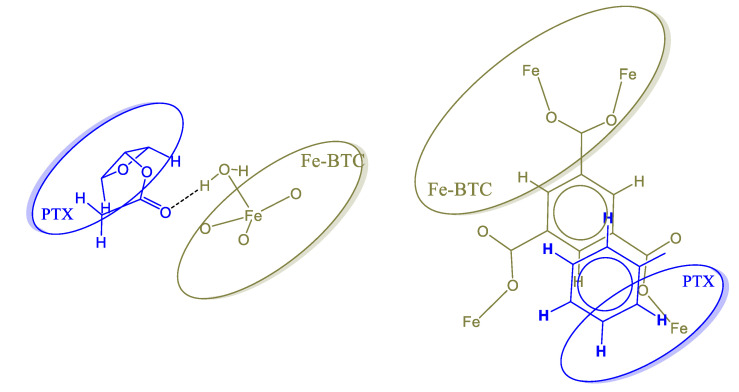
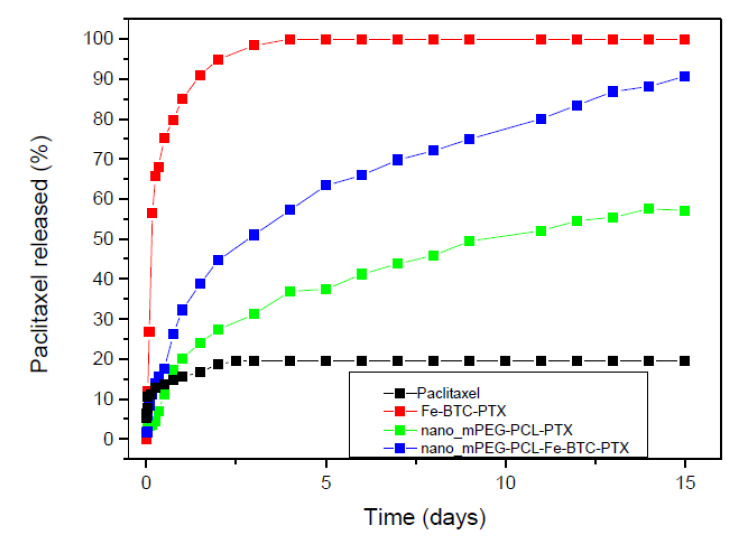
In the present work, the porous metal-organic framework (MOF) BasoliteF300 (Fe-BTC) was tested as a potential drug-releasing depot to enhance the solubility of the anticancer drug paclitaxel (PTX) and to prepare controlled release formulations after its encapsulation in amphiphilic methoxy poly(ethylene glycol)-poly(ε-caprolactone) (mPEG-PCL) nanoparticles. Investigation revealed that drug adsorption in Fe-BTC reached approximately 40%, a relatively high level, and also led to an overall drug amorphization as confirmed by differential scanning calorimetry (DSC) and X-ray diffraction (XRD). The dissolution rate of PTX-loaded MOF was substantially enhanced achieving a complete (100%) release within four days, while the neat drug only reached a 13% maximum rate (3-4 days). This PTX-Fe-BTC nanocomposite was further encapsulated into a mPEG-PCL matrix, a typical aliphatic amphiphilic copolyester synthesized in our lab, whose biocompatibility was validated by in vitro cytotoxicity tests toward human umbilical vein endothelial cells (HUVEC). Encapsulation was performed according to the solid-in-oil-in-water emulsion/solvent evaporation technique, resulting in nanoparticles of about 143 nm, slightly larger of those prepared without the pre-adsorption of PTX on Fe-BTC (138 nm, respectively). Transmission electron microscopy (TEM) imaging revealed that spherical nanoparticles with embedded PTX-loaded Fe-BTC nanoparticles were indeed fabricated, with sizes ranging from 80 to 150 nm. Regions of the composite Fe-BTC-PTX system in the infrared (IR) spectrum are identified as signatures of the drug-MOF interaction. The dissolution profiles of all nanoparticles showed an initial burst release, attributed to the drug amount located at the nanoparticles surface or close to it, followed by a steadily and controlled release. This is corroborated by computational analysis that reveals that PTX attaches effectively to Fe-BTC building blocks, but its relatively large size limits diffusion through crystalline regions of Fe-BTC. The dissolution behaviour can be described through a bimodal diffusivity model. The nanoparticles studied could serve as potential chemotherapeutic candidates for PTX delivery.
在本研究中,对多孔金属有机框架(MOF)BasoliteF300(Fe - BTC)作为一种潜在的药物释放载体进行了测试,以提高抗癌药物紫杉醇(PTX)的溶解度,并在其被包封于两亲性甲氧基聚(乙二醇)-聚(ε-己内酯)(mPEG - PCL)纳米颗粒后制备控释制剂。研究表明,PTX在Fe - BTC中的吸附率达到约40%,这是一个相对较高的水平,并且通过差示扫描量热法(DSC)和X射线衍射(XRD)证实,这也导致了药物整体非晶化。负载PTX的MOF的溶解速率显著提高,在四天内实现了完全(100%)释放,而纯药物的最大释放率仅为13%(3 - 4天)。这种PTX - Fe - BTC纳米复合材料进一步被包封到mPEG - PCL基质中,mPEG - PCL是我们实验室合成的一种典型的脂肪族两亲性共聚酯,其生物相容性通过对人脐静脉内皮细胞(HUVEC)的体外细胞毒性试验得到验证。包封是根据油包水乳液/溶剂蒸发技术进行的,得到的纳米颗粒约为143 nm,比未预先将PTX吸附在Fe - BTC上制备的纳米颗粒(分别为138 nm)稍大。透射电子显微镜(TEM)成像显示,确实制备出了嵌入负载PTX的Fe - BTC纳米颗粒的球形纳米颗粒,尺寸范围为80至150 nm。红外(IR)光谱中复合Fe - BTC - PTX系统的区域被确定为药物与MOF相互作用的特征。所有纳米颗粒的溶解曲线均显示出初始的突释,这归因于位于纳米颗粒表面或其附近的药物量,随后是稳定的控释。这通过计算分析得到了证实,该分析表明PTX有效地附着于Fe - BTC结构单元,但其相对较大的尺寸限制了通过Fe - BTC结晶区域的扩散。溶解行为可以通过双峰扩散模型来描述。所研究的纳米颗粒可作为PTX递送的潜在化疗候选物。