Grefkes Christian, Fink Gereon R
Cognitive Neuroscience, Institute of Neuroscience and Medicine (INM-3), Research Centre Jülich, 52425 Jülich, Germany.
Medical Faculty, University of Cologne & Department of Neurology, University Hospital Cologne, 50924 Cologne, Germany.
Neurol Res Pract. 2020 Jun 16;2:17. doi: 10.1186/s42466-020-00060-6. eCollection 2020.
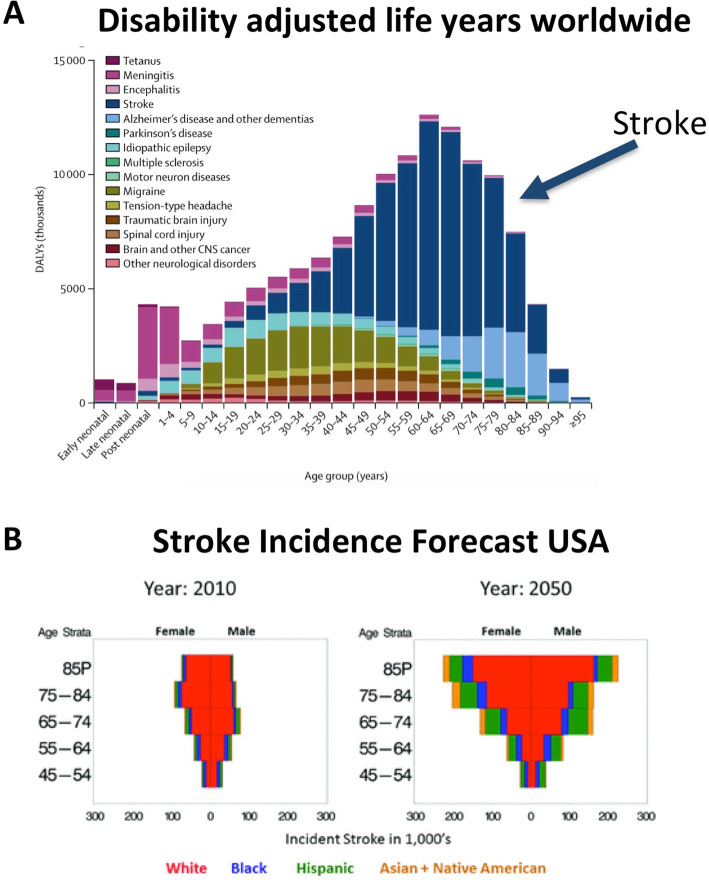
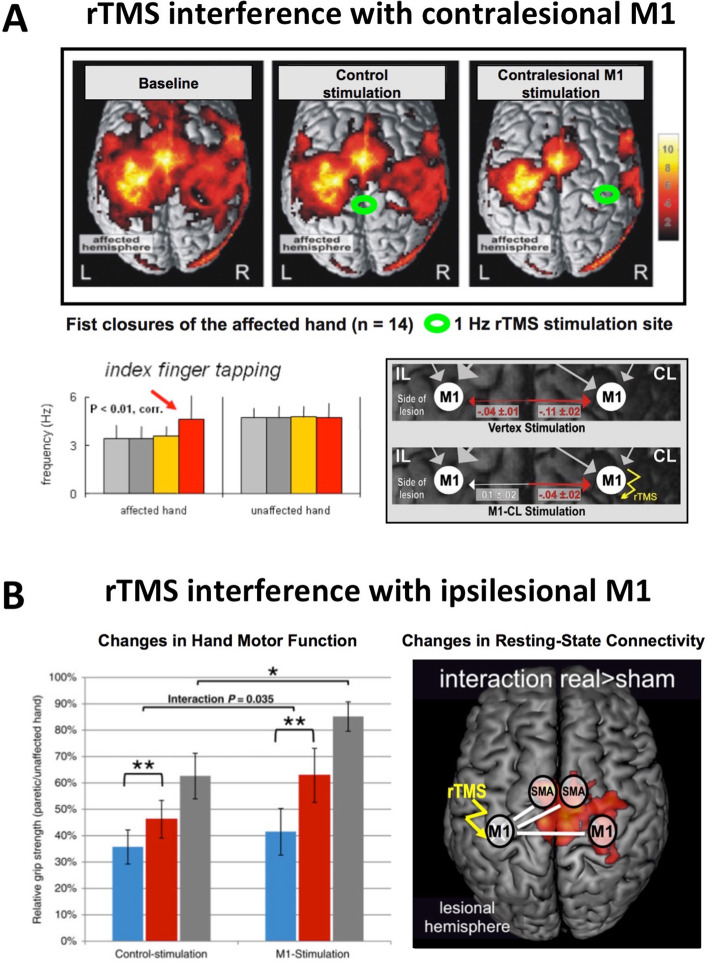
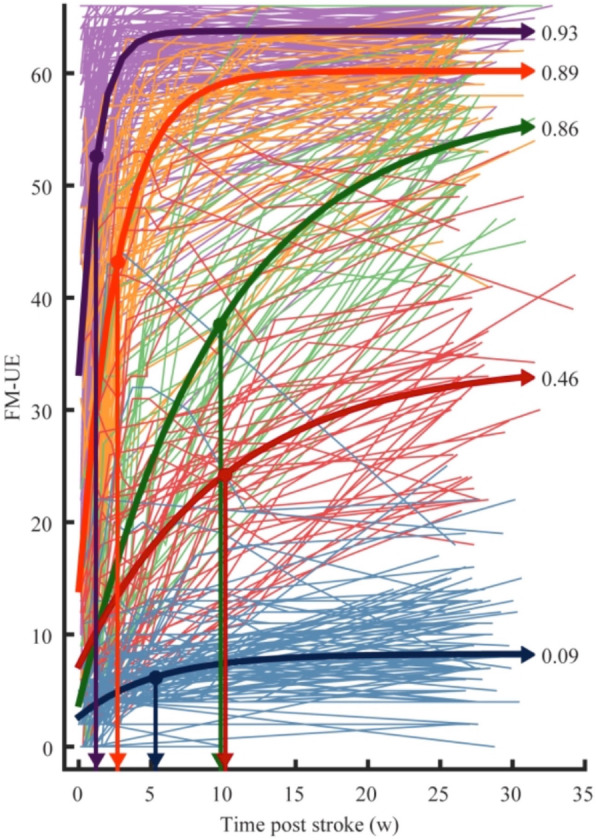
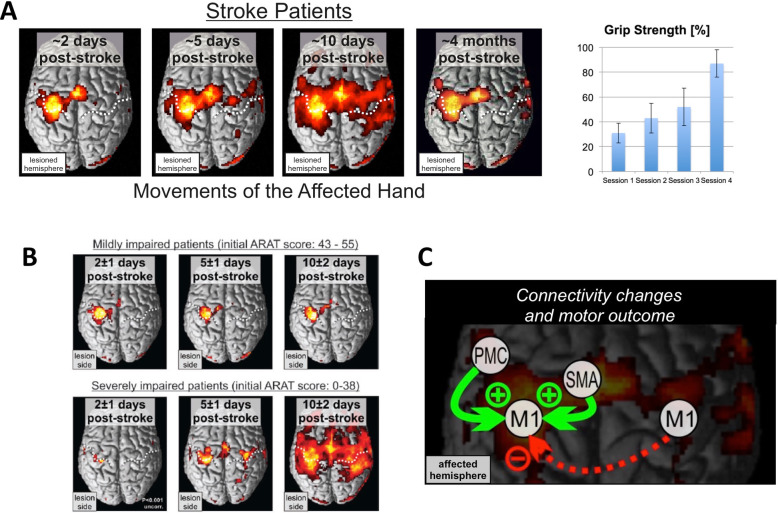
Stroke is a leading cause of acquired, permanent disability worldwide. Although the treatment of acute stroke has been improved considerably, the majority of patients to date are left disabled with a considerable impact on functional independence and quality of life. As the absolute number of stroke survivors is likely to further increase due to the demographic changes in our aging societies, new strategies are needed in order to improve neurorehabilitation. The most critical driver of functional recovery post-stroke is neural reorganization. For developing novel, neurobiologically informed strategies to promote recovery of function, an improved understanding of the mechanisms enabling plasticity and recovery is mandatory. This review provides a comprehensive survey of recent developments in the field of stroke recovery using neuroimaging and non-invasive brain stimulation. We discuss current concepts of how the brain reorganizes its functional architecture to overcome stroke-induced deficits, and also present evidence for maladaptive effects interfering with recovery. We demonstrate that the combination of neuroimaging and neurostimulation techniques allows a better understanding of how brain plasticity can be modulated to promote the reorganization of neural networks. Finally, neurotechnology-based treatment strategies allowing patient-tailored interventions to achieve enhanced treatment responses are discussed. The review also highlights important limitations of current models, and finally closes with possible solutions and future directions.
中风是全球后天性永久性残疾的主要原因。尽管急性中风的治疗已有显著改善,但迄今为止,大多数患者仍留有残疾,对功能独立性和生活质量产生了相当大的影响。由于老龄化社会的人口结构变化,中风幸存者的绝对数量可能会进一步增加,因此需要新的策略来改善神经康复。中风后功能恢复的最关键驱动因素是神经重组。为了开发新的、基于神经生物学知识的促进功能恢复的策略,必须更好地理解使可塑性和恢复成为可能的机制。本综述全面概述了使用神经影像学和非侵入性脑刺激在中风恢复领域的最新进展。我们讨论了大脑如何重组其功能结构以克服中风引起的缺陷的当前概念,并展示了干扰恢复的适应不良效应的证据。我们证明,神经影像学和神经刺激技术的结合能够更好地理解如何调节脑可塑性以促进神经网络的重组。最后,讨论了基于神经技术的治疗策略,这些策略允许进行个性化干预以实现更好的治疗反应。本综述还强调了当前模型的重要局限性,最后提出了可能的解决方案和未来方向。