Alexander Leon
Sheikh Khalifa Medical City, Division of Plastic Surgery, Department of Surgery, Abu Dhabi, UAE.
World J Plast Surg. 2020 Sep;9(3):326-330. doi: 10.29252/wjps.9.3.326.
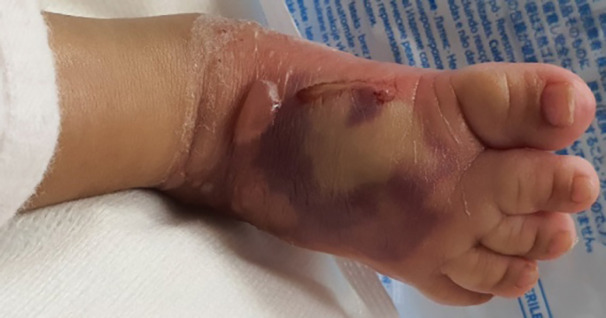
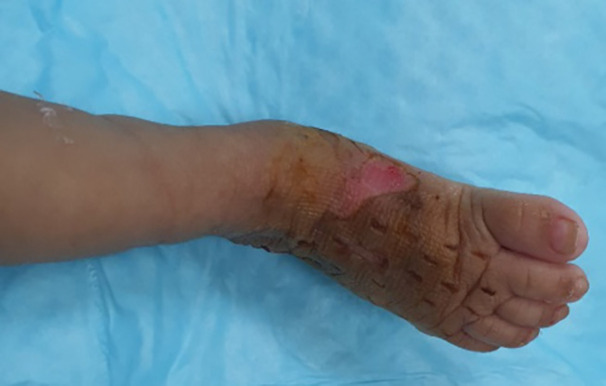
With the advent of parenteral, intravenous infusion for various purposes like chemotherapy, parenteral nutrition, radiocontrast intravenous injection for imaging studies, extravasation injuries are emerging as a serious problem with often disastrous complications, if not recognized early. Fortunately, if treated early, the affected extremities can be salvaged and hence the role of plastic surgeons cannot be over-emphasized, especially when it comes to the reconstruction of necrotic and ischemic wounds as a result of these injuries. Proper monitoring and immediate intervention will go a long way in minimizing the morbidity associated with these injuries. However, if there is a delay in recognition and treatment, it can lead to complications like skin necrosis, gangrene, extensive soft tissue defects and contractures. Treatment in these circumstances needs an individualized approach and entails wound debridement followed by skin grafts and flap cover. Documentation and prompt intervention can avoid medicolegal issues for the physician and the hospital.
随着用于化疗、肠外营养、影像学检查的静脉注射造影剂等各种目的的肠外静脉输液的出现,如果不及早识别,外渗损伤正成为一个严重问题,常常会引发灾难性并发症。幸运的是,如果尽早治疗,受影响的肢体可以保住,因此整形外科医生的作用再怎么强调也不为过,尤其是在处理因这些损伤导致的坏死和缺血性伤口的重建时。适当的监测和立即干预对于将与这些损伤相关的发病率降至最低大有帮助。然而,如果识别和治疗出现延迟,可能会导致皮肤坏死、坏疽、广泛的软组织缺损和挛缩等并发症。在这些情况下的治疗需要个体化方法,包括伤口清创,随后进行植皮和皮瓣覆盖。记录和及时干预可以避免医生和医院面临医疗法律问题。