Institute of Experimental Medicine, Czech Academy of Sciences, Videnska 1083, 142 20 Prague, Czech Republic.
Second Faculty of Medicine, Charles University, V Úvalu 84, 150 06 Prague, Czech Republic.
Int J Mol Sci. 2020 Dec 16;21(24):9593. doi: 10.3390/ijms21249593.
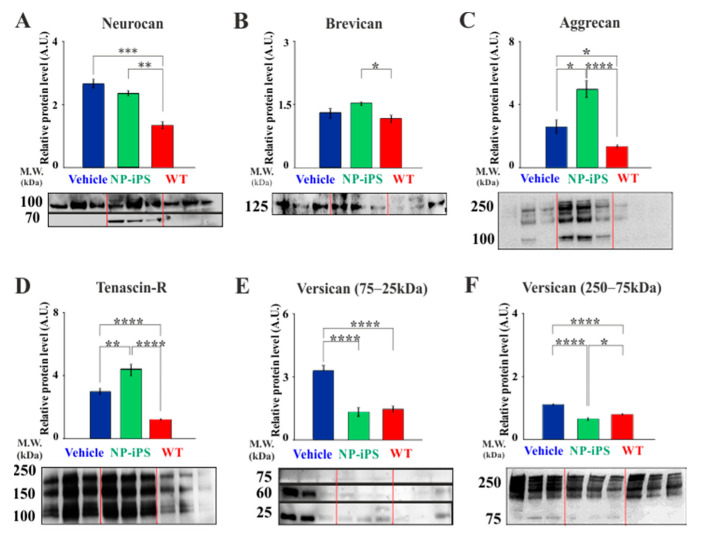
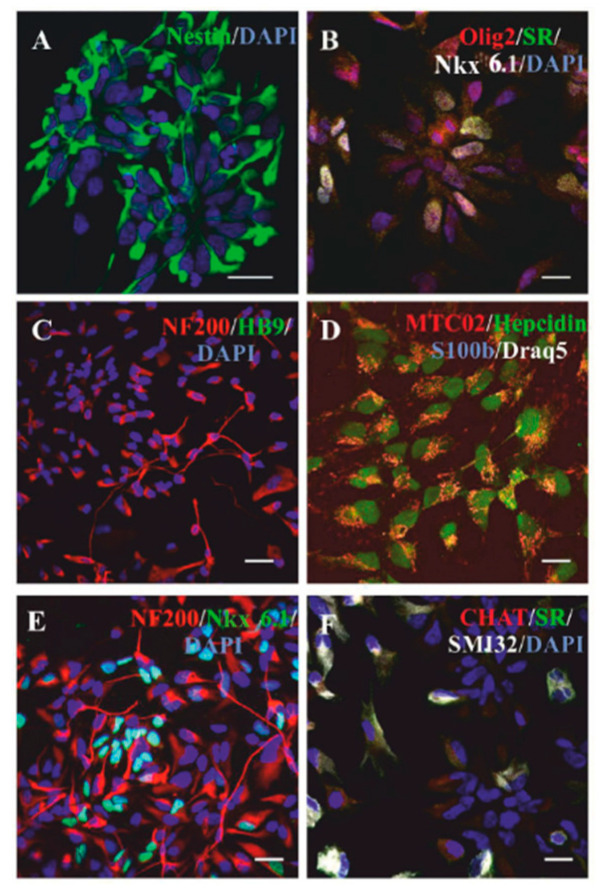
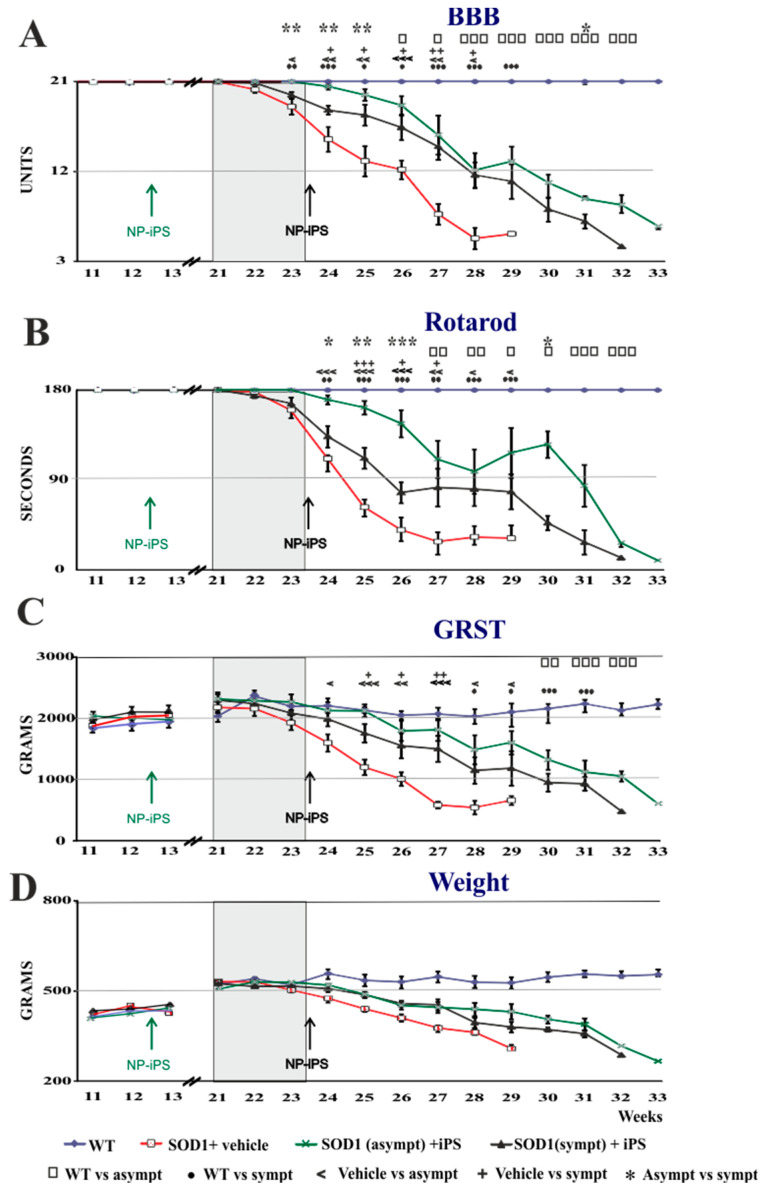
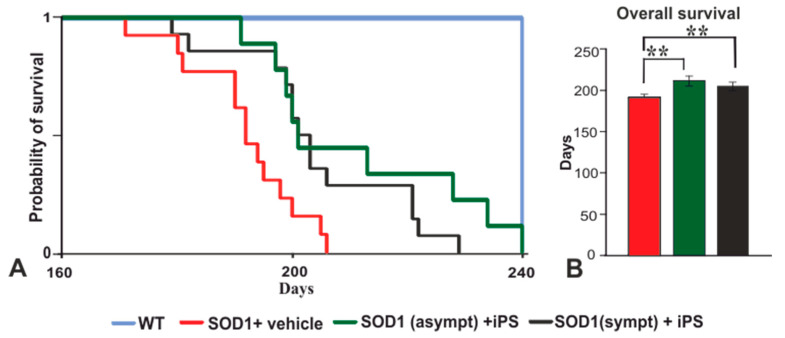
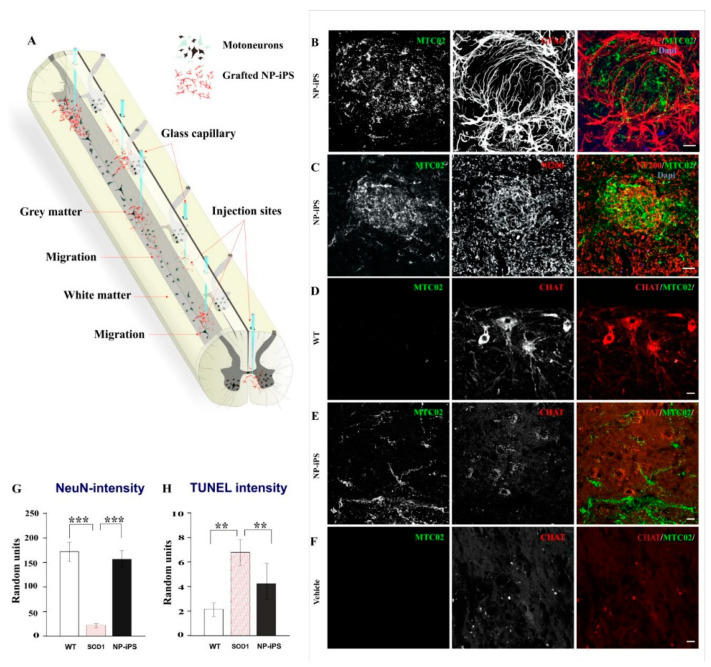
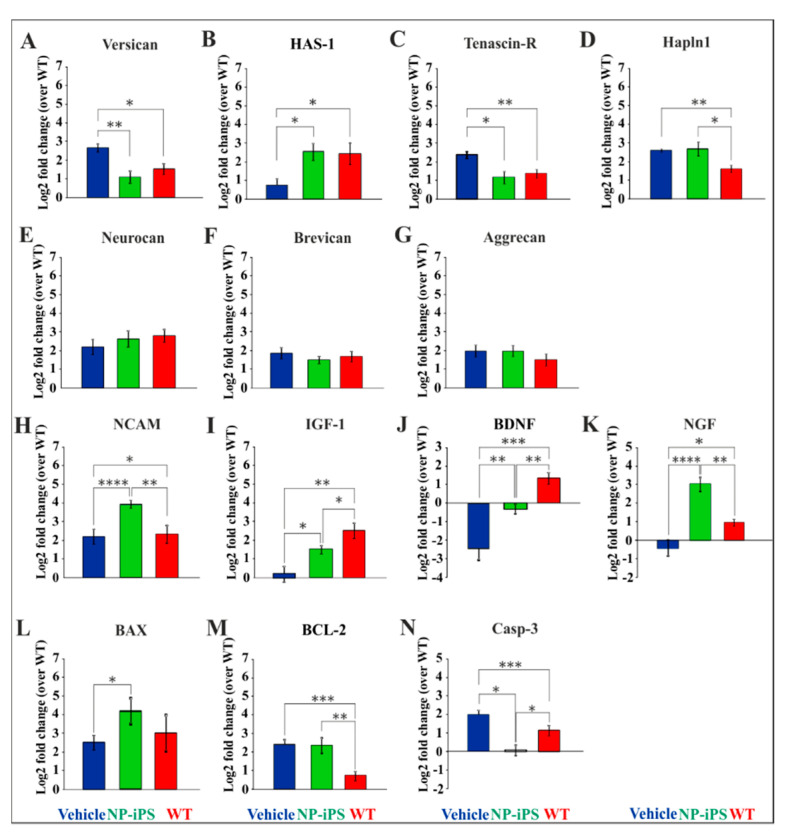
A promising therapeutic strategy for amyotrophic lateral sclerosis (ALS) treatment is stem cell therapy. Neural progenitors derived from induced pluripotent cells (NP-iPS) might rescue or replace dying motoneurons (MNs). However, the mechanisms responsible for the beneficial effect are not fully understood. The aim here was to investigate the mechanism by studying the effect of intraspinally injected NP-iPS into asymptomatic and early symptomatic superoxide dismutase (SOD)1 transgenic rats. Prior to transplantation, NP-iPS were characterized in vitro for their ability to differentiate into a neuronal phenotype. Motor functions were tested in all animals, and the tissue was analyzed by immunohistochemistry, qPCR, and Western blot. NP-iPS transplantation significantly preserved MNs, slowed disease progression, and extended the survival of all treated animals. The dysregulation of spinal chondroitin sulfate proteoglycans was observed in SOD1 rats at the terminal stage. NP-iPS application led to normalized host genes expression () and the protection of perineuronal nets around the preserved MNs. In the host spinal cord, transplanted cells remained as progenitors, many in contact with MNs, but they did not differentiate. The findings suggest that NP-iPS demonstrate neuroprotective properties by regulating local gene expression and regulate plasticity by modulating the central nervous system (CNS) extracellular matrix such as perineuronal nets (PNNs).
对于肌萎缩性侧索硬化症(ALS)的治疗,一种有前途的治疗策略是干细胞疗法。诱导多能干细胞(iPS)衍生的神经祖细胞可能挽救或替代死亡的运动神经元(MNs)。然而,负责这种有益效果的机制尚未完全了解。本研究旨在通过研究将 NP-iPS 注入无症状和早期症状超氧化物歧化酶(SOD)1 转基因大鼠的脊髓内的效果,来探讨其机制。在移植之前,对 NP-iPS 进行了体外鉴定,以确定其分化为神经元表型的能力。对所有动物进行运动功能测试,并通过免疫组织化学、qPCR 和 Western blot 分析组织。NP-iPS 移植显著保护 MNs,减缓疾病进展,并延长所有治疗动物的存活时间。在 SOD1 大鼠的终末期观察到脊髓软骨素硫酸蛋白聚糖的失调。NP-iPS 的应用导致宿主基因表达的正常化()和对保存 MN 周围的神经周细胞网络的保护。在宿主脊髓中,移植的细胞仍然是祖细胞,许多与 MN 接触,但没有分化。研究结果表明,NP-iPS 通过调节局部基因表达显示出神经保护特性,并通过调节中枢神经系统(CNS)细胞外基质(如神经周细胞网络(PNNs))来调节可塑性。