Faculty of Medicine and Health Sciences, Universitat Internacional de Catalunya, Barcelona, Spain.
ACTIUM Functional Anatomy Group, Campus Sant Cugat, c/Josep Trueta s/n, 08195, Sant Cugat del Vallès, Barcelona, Spain.
Sci Rep. 2020 Dec 18;10(1):22290. doi: 10.1038/s41598-020-78612-8.
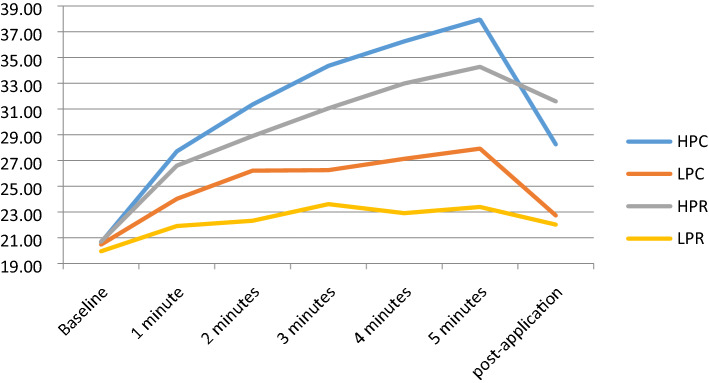
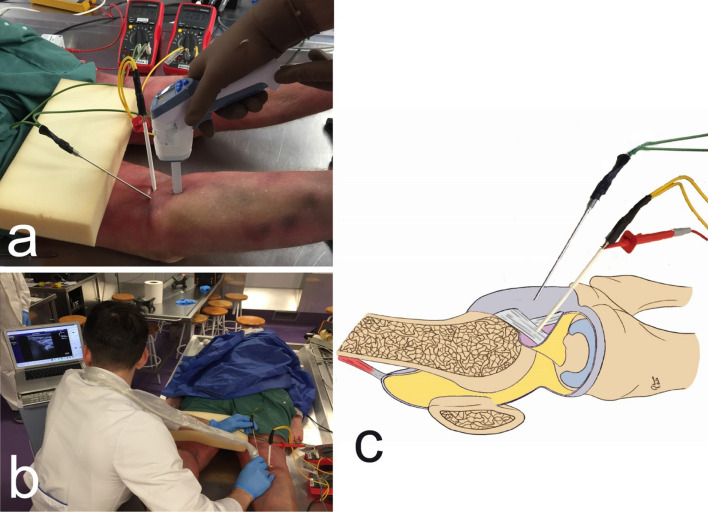
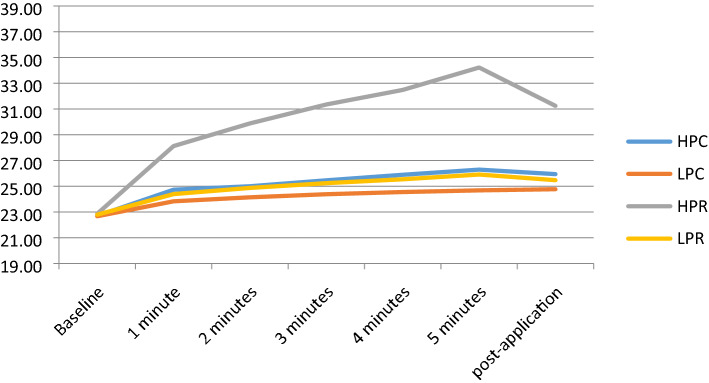
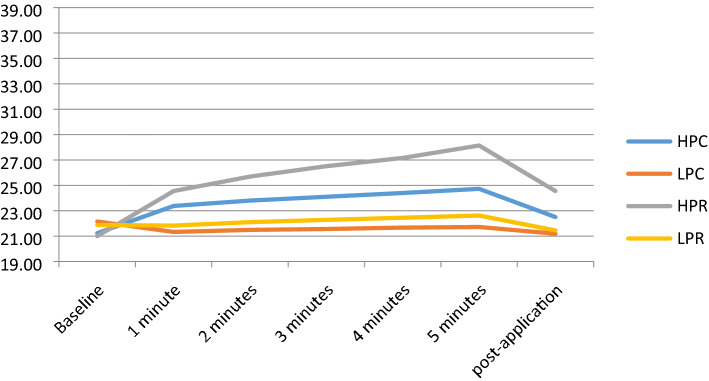
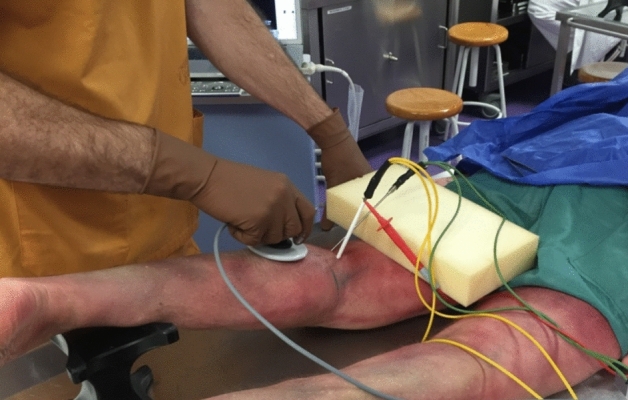
Capacitive-resistive electric transfer therapy is used in physical rehabilitation and sports medicine to treat muscle, bone, ligament and tendon injuries. The purpose is to analyze the temperature change and transmission of electric current in superficial and deep knee tissues when applying different protocols of capacitive-resistive electric transfer therapy. Five fresh frozen cadavers (10 legs) were included in this study. Four interventions (high/low power) were performed for 5 min by a physiotherapist with experience. Dynamic movements were performed to the posterior region of the knee. Capsular, intra-articular and superficial temperature were recorded at 1-min intervals and 5 min after the treatment, using thermocouples placed with ultrasound guidance. The low-power protocols had only slight capsular and intra-capsular thermal effects, but electric current flow was observed. The high-power protocols achieved a greater increase in capsular and intra-articular temperature and a greater current flow than the low-power protocols. The information obtained in this in vitro study could serve as basic science data to hypothesize capsular and intra-articular knee recovery in living subjects. The current flow without increasing the temperature in inflammatory processes and increasing the temperature of the tissues in chronic processes with capacitive-resistive electric transfer therapy could be useful for real patients.
容性电阻电传递疗法在物理康复和运动医学中被用于治疗肌肉、骨骼、韧带和肌腱损伤。目的是分析在应用不同容性电阻电传递疗法方案时,浅层和深层膝关节组织中的电流温度变化和传输。本研究纳入了 5 具新鲜冷冻尸体(10 条腿)。由一位有经验的物理治疗师进行了 4 种干预(高/低功率),每次 5 分钟。对膝关节的后区进行动态运动。使用超声引导下放置的热电偶,在治疗后 1 分钟和 5 分钟时记录囊内、关节内和表面温度。低功率方案仅对囊内和关节内有轻微的热效应,但观察到电流流动。高功率方案比低功率方案引起更大的囊内和关节内温度升高和更大的电流流动。本体外研究获得的信息可以作为基础科学数据,对活体受试者的囊内和关节内膝关节恢复进行假设。在炎症过程中不增加温度而增加容性电阻电传递疗法的慢性过程中的组织温度的电流流动,可能对实际患者有用。