Rehabilitation Research Laboratory (2rLab), Department of Business Economics, Health and Social Care, University of Applied Sciences and Arts of Southern Switzerland, Landquart, Switzerland.
Thim Van Der Laan AG, International University of Applied Sciences THIM, Landquart, Switzerland.
J Altern Complement Med. 2020 Feb;26(2):147-153. doi: 10.1089/acm.2019.0165. Epub 2019 Oct 3.
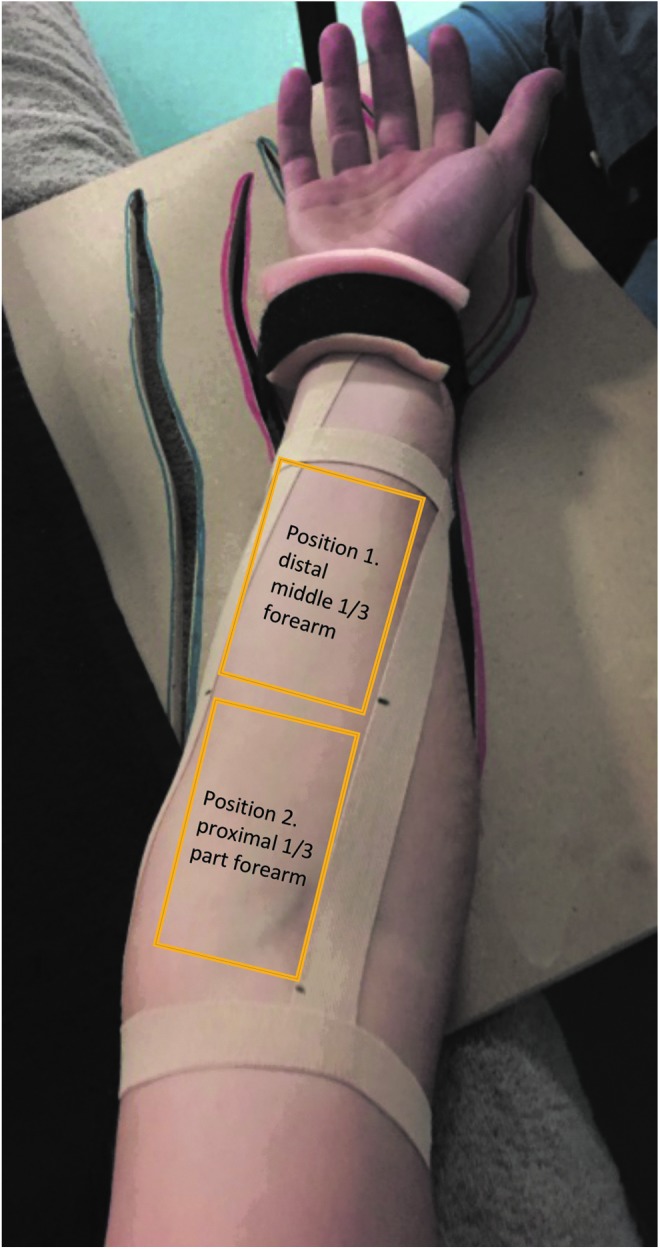
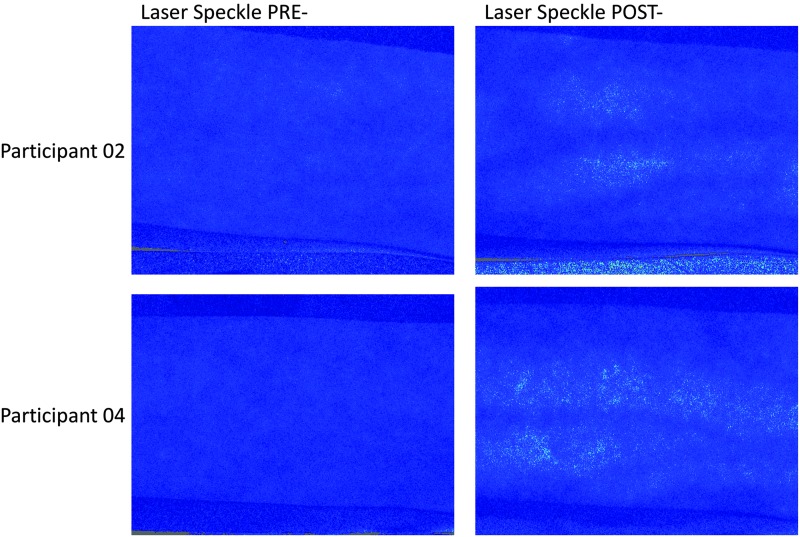
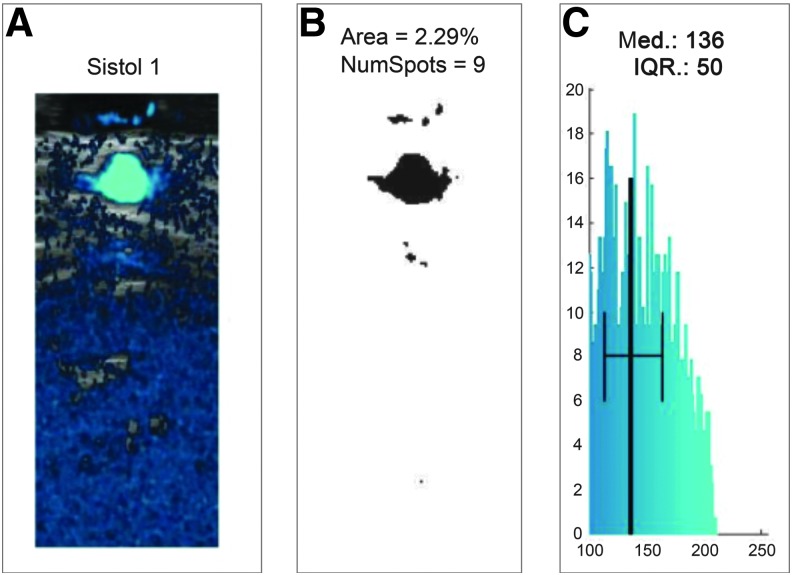
Tecar therapy (TT) is an endogenous thermotherapy used to generate warming up of superficial and deep tissues. TT capability to affect the blood flow is commonly considered to be the primary mechanism to promote tissue healing processes. Despite some preliminary evidence about its clinical efficacy, knowledge on the physiologic responses induced by TT is lacking. The aim of this quantitative randomized pilot study was to determinate if TT, delivered in two modes (resistive and capacitive), affects the perfusion of the skin microcirculation (PSMC) and intramuscular blood flow (IMBF). A randomized controlled pilot feasibility study. Ten healthy volunteers ( = 4 females, = 6 males; mean age 35.9 ± 10.7 years) from a university population were recruited and completed the study. All subjects received three different TT applications (resistive, capacitive, and placebo) for a period of 8 min. PSMC, IMBF, and the skin temperature (ST) were measured pre- and post-TT application using power Doppler sonography, laser speckle contrast imaging (LSCI), and infrared thermography. Compared with placebo application, statistically significant differences in PSMC resulted after both the resistive ( = 0.0001) and the capacitive ( = 0.0001) TT applications, while only the resistive modality compared with the placebo was capable to induce a significant change of IMBF ( = 0.013) and ST ( = 0.0001). The use of power Doppler sonography and LSCI enabled us to evaluate differences in PSMC and IMBF induced by TT application.
经皮电刺激疗法(TT)是一种内源性热疗,用于产生浅表和深部组织的升温。TT 影响血流的能力通常被认为是促进组织愈合过程的主要机制。尽管有一些关于其临床疗效的初步证据,但对 TT 诱导的生理反应知之甚少。本定量随机初步研究旨在确定 TT(电阻和电容两种模式)是否会影响皮肤微循环灌注(PSMC)和肌肉内血流(IMBF)。一项随机对照初步可行性研究。从大学人群中招募了 10 名健康志愿者( = 4 名女性, = 6 名男性;平均年龄 35.9 ± 10.7 岁)并完成了研究。所有受试者均接受了三种不同 TT 应用(电阻、电容和安慰剂)8 分钟。使用功率多普勒超声、激光散斑对比成像(LSCI)和红外热成像在 TT 应用前和后测量 PSMC、IMBF 和皮肤温度(ST)。与安慰剂应用相比,两种 TT 应用(电阻 = 0.0001;电容 = 0.0001)后 PSMC 均有统计学显著差异,而仅电阻模式与安慰剂相比能够诱导 IMBF( = 0.013)和 ST( = 0.0001)的显著变化。使用功率多普勒超声和 LSCI 使我们能够评估 TT 应用引起的 PSMC 和 IMBF 的差异。