Department of Archaeology, Durham University, Durham, United Kingdom.
Archaeological Services, Durham University, Durham, United Kingdom.
PLoS One. 2020 Dec 21;15(12):e0243369. doi: 10.1371/journal.pone.0243369. eCollection 2020.
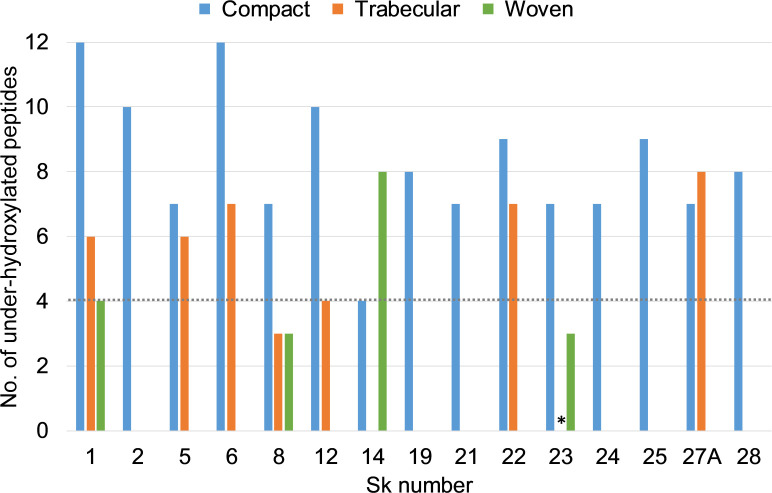
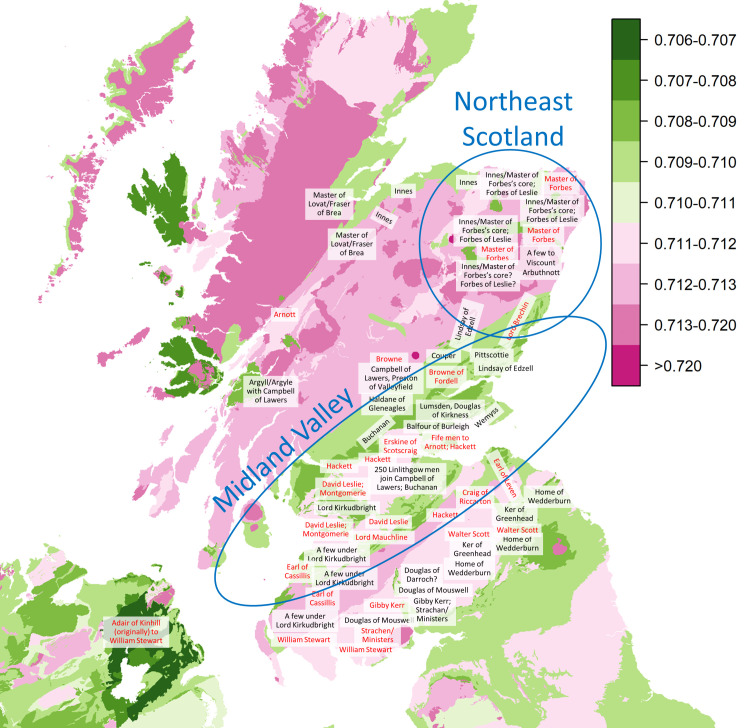
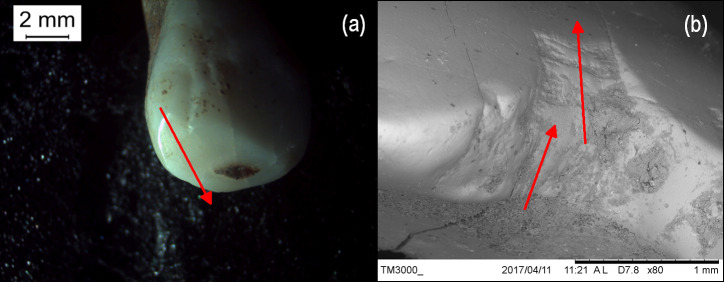
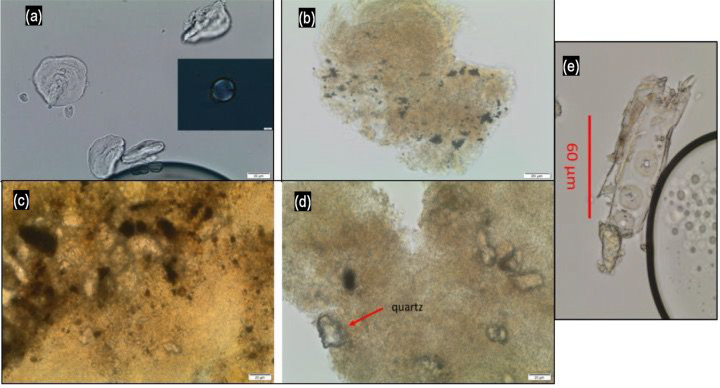
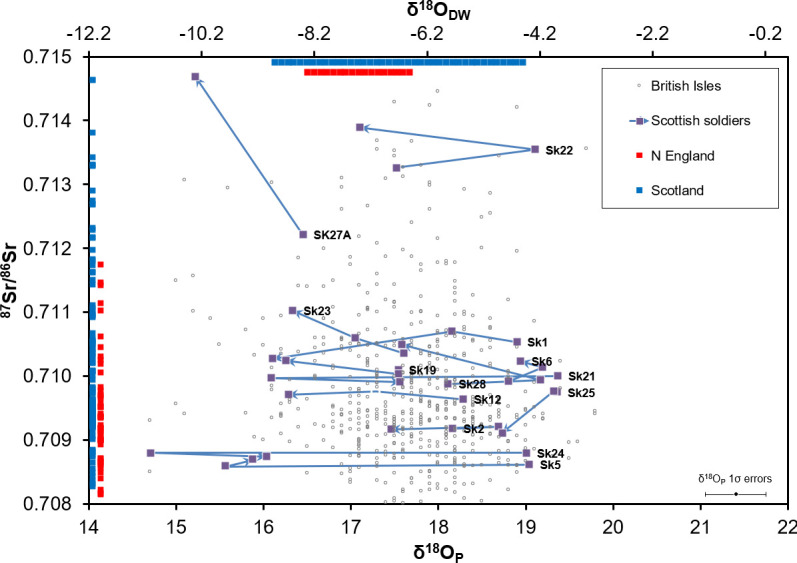
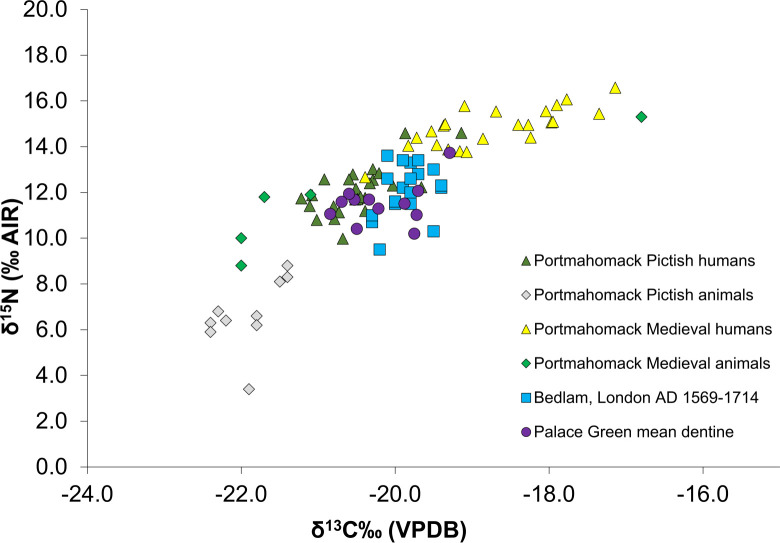
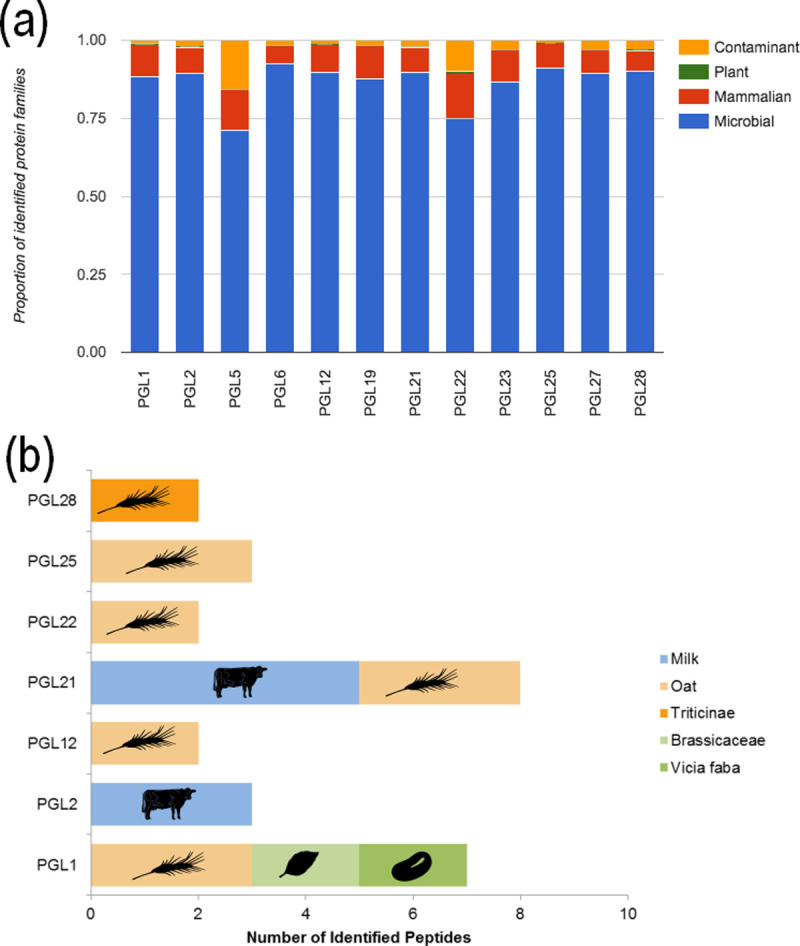
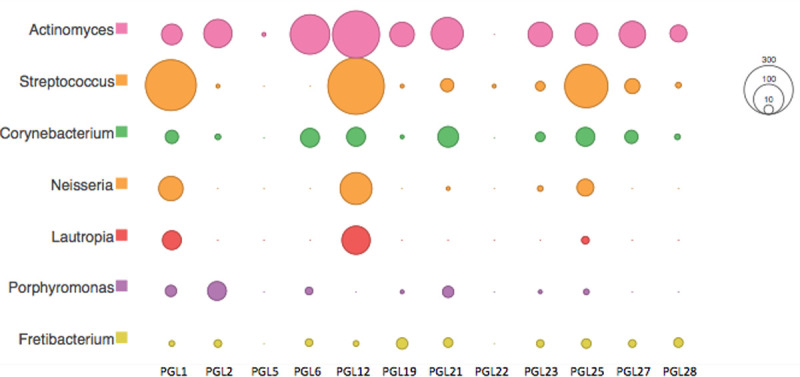
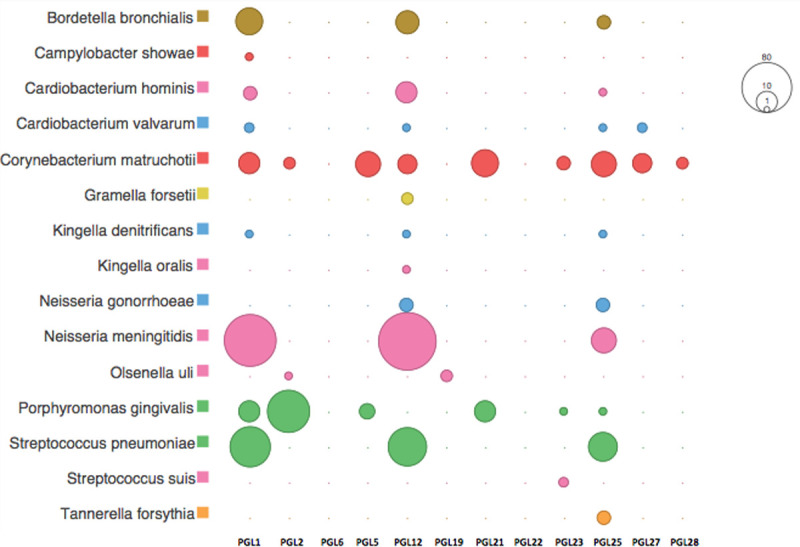
After the Battle Dunbar between English and Scottish forces in 1650, captured Scottish soldiers were imprisoned in Durham and many hundreds died there within a few weeks. The partial skeletal remains of 28 of these men were discovered in 2013. Building on previous osteological work, here we report wide-ranging scientific studies of the remains to address the following questions: Did they have comparable diet, health and disease throughout their lives? Did they have common histories of movement (or lack of movement) during their childhoods? Can we create a collective biography of these men? Strontium and oxygen isotope analysis of tooth enamel investigated childhood movement. Carbon and nitrogen isotope analysis of incrementally sampled dentine addressed childhood diet and nutrition. Metaproteomic analysis of dental calculus investigated oral microbiomes and food residues; this was complemented by microscopic analysis of debris in calculus from ingested materials. Selected individuals were examined for dental microwear. The extent of hydroxylation of proline in collagen was examined as a potential biomarker for scurvy. An osteobiography for each man was created using the full range of data generated about him, and these were synthesised using an approach based on the historical method for a collective biography or prosopography. The childhood residences of the men were primarily within the Midland Valley of Scotland, though some spent parts of their childhood outside the British Isles. This is concordant with the known recruitment areas of the Scottish army in 1650. Their diets included oats, brassicas and milk but little seafood, as expected for lowland rather than highland diets of the period. Childhood periods of starvation or illness were almost ubiquitous, but not simultaneous, suggesting regionally variable food shortages in the 1620s and 1630s. It is likely there was widespread low-level scurvy, ameliorating in later years of life, which suggests historically unrecorded shortages of fruit and vegetables in the early 1640s. Almost all men were exposed to burnt plant matter, probably as inhaled soot, and this may relate to the high proportion of them with of sinusitis. Interpersonal violence causing skeletal trauma was rare. Based on commonalities in their osteobiographies, we argue that these men were drawn from the same stratum of society. This study is perhaps the most extensive to date of individuals from 17th century Scotland. Combined with a precise historical context it allows the lives of these men to be investigated and compared to the historical record with unprecedented precision. It illustrates the power of archaeological science methods to confirm, challenge and complement historical evidence.
1650 年英苏军队在邓巴战役(Battle Dunbar)之后,被俘的苏格兰士兵被关押在达勒姆(Durham),数周内有数百人死亡。2013 年,发现了其中 28 名男子的部分骨骼遗骸。在之前骨骼学研究的基础上,我们对这些遗骸进行了广泛的科学研究,以解决以下问题:他们一生的饮食、健康和疾病状况是否相似?他们在童年时期是否有共同的运动(或缺乏运动)历史?我们能否为这些人创建一个集体传记?牙釉质的锶和氧同位素分析研究了童年时期的运动情况。牙本质的碳和氮同位素分析解决了童年时期的饮食和营养问题。牙垢的代谢组学分析研究了口腔微生物组和食物残渣;这与牙垢中摄入物质的微观分析相辅相成。选择了一些个体进行牙微磨损检查。胶原蛋白中脯氨酸的羟化程度被用作坏血病的潜在生物标志物进行了检查。使用关于每个人的全部数据生成了每个人的骨骼传记,并使用基于历史方法的集体传记或人物传记方法对其进行了综合。这些人的童年居住地主要在苏格兰中部山谷,但有些人在不列颠群岛以外的地方度过了部分童年。这与 1650 年苏格兰军队的已知招募区域一致。他们的饮食包括燕麦、芸苔属植物和牛奶,但很少有海鲜,这与当时低地而不是高地饮食一致。几乎所有人都经历过童年时期的饥饿或疾病,但并非同时发生,这表明 17 世纪 20 年代和 30 年代,该地区存在区域性食物短缺。很可能有广泛的轻度坏血病,随着年龄的增长而缓解,这表明在 17 世纪 40 年代早期,水果和蔬菜的历史上没有记录的短缺。几乎所有人都接触过燃烧的植物物质,可能是吸入的烟尘,这可能与他们中患有鼻窦炎的比例较高有关。造成骨骼创伤的人际暴力很少见。基于他们骨骼传记的相似之处,我们认为这些人来自同一社会阶层。这项研究可能是迄今为止对 17 世纪苏格兰个体进行的最广泛研究。结合精确的历史背景,可以以前所未有的精度研究这些人的生活,并将其与历史记录进行比较。它说明了考古科学方法的力量,可以证实、挑战和补充历史证据。